

♥ Wishlist
Compare 59 verified Fashion Sandals for Women products in India. Reviews, ratings, pros, cons and buying advice updated for October 2026.


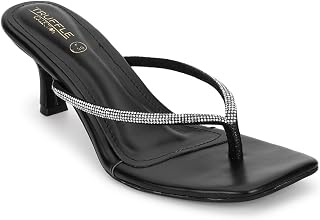


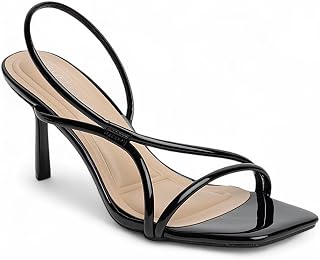


Fashion sandals have moved well beyond being occasional summer footwear. In India, they are increasingly chosen for everyday outfits, office-casual dressing, festive occasions, holidays, travel and relaxed weekend wear. The strongest choices for 2026 are not simply the most eye-catching designs; they balance current styling with comfort, fit, durability and versatility.
When comparing the latest fashion sandals, consider where and how you will wear them. A pair intended for daily commuting needs different characteristics from embellished sandals for a festive outfit, while holiday footwear benefits from lightweight construction and practical straps. Brands such as Bata, Metro, Mochi, Inc.5, Carlton London, Clarks, Skechers, Crocs and Hush Puppies offer different approaches to fashion, comfort and construction, so comparing the actual specifications and fit is more useful than choosing solely by brand name.
Current sandal shopping is broad enough to include minimalist flats, elevated sandals, platform silhouettes, sporty designs, woven styles, embellished footwear and versatile everyday pairs. Rather than treating one design as universally best, compare each style against your wardrobe, climate, routine and intended occasions.
Minimalist sandals remain a practical choice because they work with a wide range of casual clothing. Simple straps, clean uppers and uncomplicated shapes can be paired with jeans, trousers, cotton dresses, skirts, shorts and Indian casualwear.
Platform and flatform sandals add height without relying on a narrow high heel. Their visual appeal makes them suitable for fashion-led casual outfits, but the additional sole height can change the way the foot moves.
Compare the overall platform thickness, sole flexibility, upper security and weight. A tall-looking sandal is not automatically uncomfortable, but excessive stiffness or weight may become noticeable during prolonged walking. If you are unfamiliar with platform footwear, a moderate-height design can be easier to wear than an extremely thick sole.
Wedge sandals remain useful when you want additional height while retaining a broader base than many conventional heels. They can complement dresses, coordinated outfits and smart-casual looks.
Sport-inspired sandals combine casual styling with practical construction. They can be particularly useful for travel, sightseeing and everyday errands when compared with highly decorative sandals.
Adjustable hook-and-loop straps, padded sections and textured outsoles can be useful features, but individual construction varies considerably. Do not assume that a sporty appearance means a sandal is suitable for every outdoor activity. Check the manufacturer's intended use and construction details before relying on it for demanding conditions.
Embellished sandals can add visual interest to festive and occasion outfits. Metallic details, beads, stones, decorative straps and textured finishes can make a relatively simple outfit look more dressed up.
The main consideration is construction. Decorative elements should be securely attached, and the fastening should hold the foot comfortably without creating pressure points. For occasional use, appearance may carry more weight, but comfort should still be checked if the event involves standing or walking for several hours.
Strappy sandals can create a lighter, more refined appearance and are available in both casual and dressier designs. Multiple thin straps can look elegant, but they need to be positioned carefully.
Slides are among the easiest sandals to put on and remove, making them convenient for casual routines. They can work well for quick errands, relaxed outfits and home-to-outdoor use.
The major limitation is security. A loose slide can require repeated foot movement to keep it in place, particularly while walking quickly or on uneven surfaces. Compare the upper's width, footbed shape and outsole grip rather than judging a slide only by its appearance.
A back strap can provide greater security than an open-back slide while preserving a lightweight sandal aesthetic. This makes slingback designs a useful middle ground between convenience and stability.
Pay attention to adjustability. A strap that is too loose may allow heel movement, while an overly tight strap can become uncomfortable during extended wear. Buckles, elastic sections and adjustable closures each produce a different fit, so compare the construction before buying.
Block heels offer a fashion-forward alternative to very narrow heels. The broader heel can provide a more substantial base and works particularly well with occasionwear, office outfits and contemporary Indian fashion.
Heel height should be considered alongside sole shape and upper security. A moderate heel with a stable base can be more practical for long events than a much taller design, even when both appear similarly stylish in product photographs.
Metallic surfaces, woven textures, glossy finishes, printed uppers and statement details can refresh a wardrobe without requiring a completely different sandal silhouette. These styles are particularly useful when the rest of an outfit is relatively understated.
Before choosing a statement finish, consider how frequently it can be coordinated with existing clothing. A highly distinctive pair may be ideal for occasional outfits, while a restrained metallic or textured design can sometimes work across both casual and semi-formal wardrobes.
The best sandal is ultimately the one that matches your use case, foot shape, preferred styling and expected amount of walking. A product with excellent ratings can still be unsuitable if its fit or construction does not match your needs.
Define the primary purpose before comparing designs. Daily footwear, office sandals, party sandals, holiday footwear and occasional festive sandals should not be evaluated using exactly the same criteria.
India's climate varies significantly by region and season, so sandal selection should reflect local conditions. Hot weather can make breathability and strap comfort more important. Monsoon conditions can create additional concerns around wet surfaces, drying time, traction and material maintenance.
Not every fashionable sandal is designed for wet conditions. If you expect regular exposure to rain or moisture, check the material and care instructions rather than assuming that an open design is automatically water-friendly.
Correct sizing is more important than choosing a particular fashion trend. Sandals should hold the foot securely without forcing the toes against the front edge or creating uncomfortable pressure from the straps.
Leather sandals can offer a distinctive appearance and, depending on construction, can develop a different character with use. Quality varies, however, so simply seeing the word leather in a product description is not enough to assess the overall sandal.
Check the listed leather type, lining, sole construction, stitching and care requirements. Leather generally requires more deliberate maintenance than many synthetic alternatives, particularly when exposed to excessive moisture.
Synthetic materials are widely used because they can support a broad range of colours, textures and finishes. They can also make fashion sandals easier to produce in varied designs.
Compare the upper, lining, sole and fastening separately. A sandal described as synthetic may contain several different materials, and the comfort characteristics can depend heavily on the lining and footbed rather than the upper alone.
Textile and woven materials can create a softer or more relaxed visual effect. They are particularly suitable for casual styling, but cleaning and moisture resistance vary between products.
Rubber and rubber-like compounds are commonly used in soles where flexibility and traction are desirable. The actual performance depends on the compound, tread design and construction, so material name alone should not be treated as a guarantee of grip.
Look at the outsole tread rather than relying only on marketing language such as non-slip or anti-skid. A visibly textured tread may provide useful traction, but conditions such as water, polished flooring and loose surfaces can affect real-world grip.
The footbed influences how the sandal feels under the heel, arch and forefoot. Some designs are relatively flat, while others use shaped contours or cushioning.
If you regularly spend several hours on your feet, compare cushioning and footbed shape carefully. A soft footbed is not automatically better if it does not provide a stable and comfortable base for your feet.
Adjustable straps can make it easier to achieve a personalised fit. Buckles, hook-and-loop closures and other fastening systems each have different advantages.
A sandal that is excessively rigid may feel restrictive during ordinary walking, while one that bends too easily may not provide the stability you want. The appropriate level of flexibility depends on the design and intended use.
Weight becomes increasingly relevant during travel and long periods of walking. Thick platforms and decorative hardware can add substantial weight. Compare construction details rather than assuming that a visually simple sandal is always lightweight.
Minimalist flats, slides, sporty sandals and platform styles can work well with jeans and casual trousers. Neutral colours provide flexibility, while statement sandals can become the focal point of a simpler outfit.
Delicate strappy sandals, wedges and block heels can complement dresses depending on the occasion. Match the sandal's visual weight to the dress: a structured outfit may work better with a substantial sandal, while a lightweight dress can pair naturally with a simpler silhouette.
Metallic sandals, embellished flats, traditional-inspired designs and understated leather-look sandals can complement kurtas, salwar suits, co-ordinated sets and other Indian outfits. Gold and silver-inspired finishes can be particularly versatile for festive styling, although the best colour depends on the clothing and accessories already in your wardrobe.
For professional environments, prioritise polished styling and secure construction. Simple flats, modest block heels and restrained strappy designs can be easier to coordinate with trousers, skirts and workwear than heavily embellished party sandals.
Comfort is often discussed too broadly when comparing footwear. Instead, break it down into specific characteristics.
A fashionable sandal that causes pressure, slipping or instability is unlikely to become a reliable part of your wardrobe. Style should be evaluated alongside fit rather than instead of it.
Size labels are not perfectly consistent across brands and models. Check the available measurements and sizing guidance before ordering, particularly when purchasing online.
Price can reflect materials, construction, branding and design, but it does not guarantee that a particular sandal is the best match for your feet. Compare specifications, materials, fastening, sole design and customer feedback.
Ratings can help identify products worth investigating, but they should not replace detailed review analysis. Look for recurring comments about sizing, comfort, durability, strap quality and whether the actual product matches its description.
Before purchasing footwear online, review the retailer's current return, exchange and size-replacement terms. These policies can differ by seller and product, and footwear fit can be difficult to judge from photographs alone.
A decorative sandal designed for occasional indoor wear should not automatically be treated as travel footwear, while a lightweight casual slide may not provide the security required for extensive walking. Match the sandal to the environment in which it will actually be used.
Customer feedback can provide useful information that is difficult to understand from specifications alone. However, read reviews for patterns rather than isolated comments.
Recent reviews can be particularly useful when product specifications, colours or versions may have changed. Always compare the exact model and size variant under consideration.
A good comparison process should bring together several pieces of information rather than relying on a single feature.
| Buying factor | Everyday sandals | Occasion sandals |
|---|---|---|
| Comfort | Very high priority | Important, especially for long events |
| Durability | High priority | Moderate to high depending on frequency of use |
| Styling | Versatile and easy to coordinate | More decorative or statement-focused |
| Fastening | Secure and convenient | Can prioritise appearance if fit remains secure |
| Heel height | Usually practical and stable | Broader range of heights and silhouettes |
| Maintenance | Easy-care construction can be valuable | Material-specific care may be acceptable |
You do not necessarily need many pairs to cover different occasions. A small collection can be more useful when each sandal has a distinct role.
Choose colours based on your existing wardrobe. Black, tan, brown, metallic and other restrained shades can offer different levels of versatility, while brighter colours and distinctive prints can be reserved for outfits where the footwear is intended to make a statement.
Moisture can affect different materials in different ways. If a sandal becomes wet, follow the manufacturer's care instructions instead of applying heat indiscriminately. Direct high heat can damage some adhesives, finishes and materials.
Leather, synthetic materials, textiles and decorative finishes should not necessarily be cleaned using the same method. Check the care instructions before using detergents, conditioners or polishing products.
Periodically check buckles, stitching, straps and attachment points. Early signs of wear are easier to address than a sudden fastening failure during an outing.
After extended use, allowing sandals to air naturally can help maintain freshness. Store them in a dry environment away from excessive heat and prolonged direct sunlight where the material may be affected.
Some are, but the category itself does not guarantee walking comfort. For long walks, focus on secure foot retention, cushioning, sole construction, traction, weight and fit.
Highly decorative sandals with minimal structure may be better suited to short-duration occasions. Conversely, sport-inspired or comfort-focused designs may sacrifice some formal styling in favour of practicality. The right compromise depends on how much walking you expect to do.
Travel footwear needs versatility because one pair may be used across several situations. Consider a sandal that can work with casual clothing while remaining comfortable for sightseeing and everyday movement.
Online shopping makes it easier to compare brands, specifications, colours and customer feedback, but footwear requires additional attention to sizing. Before placing an order, compare the product page's measurements with your own foot measurements and review the retailer's current policy.
Do not rely exclusively on product photographs because lighting, screen settings and photography can affect how colours and textures appear. Read the written specifications and inspect multiple product images where available.
It is also sensible to compare the same model across reputable retailers when possible. Check the exact model number, colour, size, included components and current terms rather than assuming that similarly named listings are identical.
Brand familiarity can be a useful starting point, but it should not replace model-level comparison. In India, shoppers may encounter brands including Bata, Metro, Mochi, Inc.5, Carlton London, Clarks, Skechers, Crocs and Hush Puppies across different sandal categories and price segments.
Each brand can have different design priorities and sizing conventions. When comparing options, evaluate the specific sandal's construction, material, fit information, customer feedback and intended use. A strong brand reputation does not mean every model will suit every foot or occasion.
Value is not simply the lowest purchase price. A better assessment considers how frequently the sandal is likely to be worn, how many outfits it complements, how comfortable it is, and how well its construction matches the intended use.
There is no single best style for everyone. A comfortable flat, adjustable sandal, supportive casual design or simple low-heel option can work well for everyday use when the fit, sole and construction suit the wearer. Choose according to walking requirements, climate and wardrobe.
Open designs with comfortable straps can be practical in warm weather, provided the materials and construction suit the conditions. Breathability, secure fit and footbed comfort are useful considerations when temperatures are high.
Comfort depends on the specific construction, height, weight, flexibility and fit. A moderate, stable platform may be easier to wear than an extremely high or rigid design, but individual preferences and foot shape matter.
Not universally. Flat sandals can be convenient for many casual situations, while a stable block heel or wedge may be preferred for certain outfits and occasions. Compare comfort, stability and intended use rather than assuming one heel type is automatically superior.
The sandal should hold the foot securely without excessive pressure. Your toes should have adequate room, the heel should not slide excessively, and straps should remain comfortable while walking. Always consult the specific brand's sizing guidance because sizing can vary between models.
Neutral shades such as black, brown, tan and restrained metallic finishes can coordinate with many wardrobes. The most versatile colour depends on the clothes and accessories you already own.
Leather can be worthwhile when its appearance, feel and construction suit your needs. Compare the specific leather type, lining, sole, stitching, care requirements and overall construction rather than choosing solely because the upper is described as leather.
Start with the outfit and expected amount of standing or walking. Embellished, metallic, strappy, wedge and block-heel designs can all work depending on the occasion. For longer events, choose a design that balances decoration with secure fit and comfort.
Yes, provided the particular sandal is comfortable for walking and offers appropriate security and traction. For sightseeing-heavy trips, prioritise fit, sole construction, weight and durability over purely decorative details.
Online shopping can be useful for comparing a large number of styles and specifications. The key is to verify sizing, measurements, product details, customer feedback and the retailer's current return or exchange conditions before purchasing.
Replacement depends on construction, frequency of use and visible wear. Inspect the sole, straps, stitching, fastening and footbed regularly. If important structural components are significantly worn or the sandal no longer provides a secure and comfortable fit, replacement may be appropriate.
The latest fashion sandals for 2026 cover a wide spectrum, from understated flats and practical slides to platforms, wedges, block heels, sporty sandals and embellished occasion designs. The strongest purchase is not necessarily the trendiest-looking pair. It is the sandal that combines a suitable design with dependable fit, appropriate materials, comfortable construction and enough versatility for the way you actually live.
Before buying, compare specifications rather than relying on photographs alone. Check sizing carefully, read customer feedback for recurring issues, consider India's climate and your expected walking conditions, and verify the current retailer's pricing and return terms. For shoppers comparing products through an affiliate buying guide, these checks provide a more reliable foundation for choosing among fashionable sandal options available in India.