

♥ Wishlist
Compare 60 verified Traditional Jewellery for Indian Weddings, Festivals & Special Occasions products in India. Reviews, ratings, pros, cons and buying advice updated for October 2026.


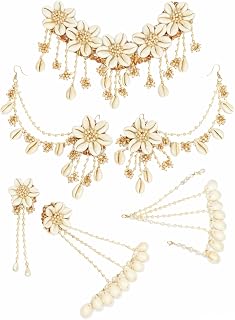


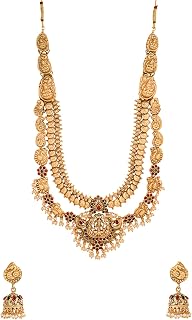


Traditional jewellery in India continues to evolve in 2026, combining familiar heritage designs with lighter construction, contemporary styling and more versatile silhouettes. For shoppers, the most useful distinction is not simply whether a piece looks traditional, but whether its design, material, fastening, finish, scale and intended occasion match the way it will actually be worn.
This buying guide explores the major traditional jewellery trends worth considering in India, from temple-inspired necklaces and jhumkas to kundan, polki-inspired, meenakari and antique-finish designs. It also explains what to check before buying, how to compare materials and finishes, and which details can make a jewellery piece more practical for regular use.
There is no single best traditional jewellery style for everyone. A suitable choice depends on the occasion, outfit, comfort requirements, jewellery scale, preferred colour palette and budget. The following trends represent useful categories to compare when shopping for traditional-inspired jewellery in India.
Temple jewellery remains a strong choice for shoppers who want an unmistakably Indian aesthetic. Traditional motifs commonly include deities, flowers, leaves, coins, peacocks and other symbolic forms. Contemporary versions may simplify these motifs or use a more wearable scale.
Temple-inspired necklaces work particularly well with sarees, silk sarees, traditional lehengas and festive ethnic outfits. Matching earrings, bangles and pendants can create a coordinated appearance, although a single statement necklace can also be used with simpler clothing.
Kundan-inspired jewellery is recognised for its stone-focused appearance and elaborate setting style. It can create a rich bridal or festive look without requiring a complete jewellery set.
When comparing pieces, inspect how securely the stones appear to be seated, whether the backing is clean and whether the individual elements are aligned consistently. In fashion jewellery, visual construction can vary considerably between products even when two pieces have a similar appearance.
Jhumkas remain one of the most versatile traditional jewellery categories in India. Their popularity comes partly from their ability to transform an outfit without requiring a complete matching set. Designs range from small everyday jhumkas to large multi-layered wedding styles.
Comfort deserves particular attention with earrings. A visually attractive pair may become impractical if it is too heavy or places excessive pressure on the earlobe. Buyers should therefore consider the approximate size, construction and fastening system.
Meenakari-inspired jewellery is particularly useful for adding colour to traditional outfits. Coloured enamel-style detailing can introduce red, green, blue, pink, white or other contrasting shades into a necklace, earring or bangle design.
Colour coordination is more important with meenakari designs than with plain metallic jewellery. Instead of matching every colour exactly, consider whether one or two prominent colours complement the embroidery, dupatta, saree border or blouse.
Polki-inspired jewellery appeals to shoppers who prefer an elaborate, heritage-oriented appearance. Pieces often feature uncut or uncut-look stones, detailed settings and a deliberately rich visual character.
Because these designs can be visually substantial, proportions matter. A large necklace may work beautifully with a relatively simple blouse but compete with heavily embroidered clothing. When purchasing a set, compare the size of the necklace, earrings and other components rather than assessing each item independently.
Antique-finish jewellery uses a deliberately aged or darker metallic appearance to create a heritage-inspired effect. This category is popular because it can look traditional without requiring the bright shine associated with polished jewellery.
Antique finishes can complement cotton sarees, handloom clothing, silk outfits, kurtas and bohemian-inspired ethnic styling. The finish should be assessed carefully because the intended antique appearance is different from accidental tarnishing or inconsistent surface treatment.
Layering is an effective way to modernise traditional jewellery. Instead of relying on one oversized necklace, shoppers can combine a shorter necklace with a longer chain, pendant or traditional beaded design.
The key is controlling visual density. If the outfit already contains substantial embroidery, a simpler layered arrangement may be more balanced. With a plain saree or solid-colour kurta, multiple necklace lengths can provide the main decorative element.
Traditional chokers remain useful for creating a strong neckline-focused appearance. Kundan-inspired, temple-style, pearl-accented and stone-detail chokers can all work with Indian formalwear.
Before buying a choker, pay particular attention to dimensions and adjustability. A rigid design with limited adjustment may not sit comfortably on every wearer. Adjustable extensions can make sizing easier, particularly when the product is intended for occasional use by different people.
Maang tikkas, passa-style accessories and coordinated hair jewellery are increasingly used to complete traditional wedding and festive looks. These accessories can be particularly effective when their stone colours and metal finish coordinate with the necklace and earrings.
A matching set is not always necessary. A contrasting maang tikka can sometimes create a more refined appearance when the primary necklace is already elaborate.
One of the most practical directions in traditional jewellery is the move toward lighter pieces that retain traditional visual cues. Lightweight jhumkas, slim bangles, compact pendants and smaller necklace sets can provide festive styling without the bulk of ceremonial jewellery.
This category is especially relevant to shoppers who want jewellery that can transition between festivals, family gatherings, cultural events and occasional everyday wear.
Jewellery appearance alone does not tell you everything about a product. Material descriptions, plating information, stone construction and fastening details can have a major impact on durability, maintenance and suitability.
Gold-coloured jewellery is available in many constructions, including solid gold, gold-plated jewellery and other metal compositions with a gold-toned surface. These should not be treated as equivalent products.
Always read the material description carefully. A product described as gold plated should not be interpreted as solid gold. If a listing provides information about karat, purity, plating or base metal, use those specifications when comparing products.
Silver-toned and silver jewellery can offer a cooler alternative to yellow-gold styling. Oxidised finishes are especially popular with traditional and ethnic clothing.
If the product is described as sterling silver, silver-plated or simply silver-coloured, those terms have different implications. Read the complete specification rather than relying on the product title alone.
Artificial jewellery is often chosen because it allows shoppers to experiment with elaborate traditional designs without purchasing precious-metal pieces. It can be particularly useful for occasional events where the priority is visual styling.
For fashion jewellery, inspect the base material, plating description, stone construction, closure type and care instructions. These details are often more informative than a generic statement such as “premium quality.”
Traditional jewellery frequently combines pearls, beads, coloured stones, crystal-like elements and enamel-style decoration. The product description should make it clear whether a material is natural, synthetic, imitation or decorative.
When the exact stone material matters to your purchase decision, do not assume authenticity from the appearance of photographs. Use the stated specifications and seller information.
Wedding jewellery can be more elaborate because it is generally intended to complement formal clothing and photography. Chokers, long necklaces, jhumkas, maang tikkas and coordinated sets can all be considered.
However, a complete set is not automatically the best choice. If the bridal outfit already contains heavy embroidery, a carefully selected necklace and earrings may look more balanced than adding every available accessory.
Festivals are well suited to medium-scale traditional jewellery. Jhumkas, short necklaces, temple-inspired pendants, meenakari pieces and bangles can add cultural character without making the outfit feel overly formal.
For family celebrations, versatility can be more valuable than maximum ornamentation. Consider jewellery that can be paired with more than one saree, salwar suit, kurta set or lehenga.
Smaller earrings, compact pendants, slim bangles and subtle traditional designs are usually easier to integrate into professional wardrobes. Look for restrained detailing and manageable proportions rather than heavily layered bridal designs.
If you regularly wear kurtas, cotton sarees, handloom garments or other ethnic clothing, prioritise comfortable pieces with straightforward care requirements. A small collection of versatile jewellery can provide more outfit combinations than several highly specialised statement sets.
Sarees provide a particularly broad styling range. Gold-toned temple jewellery can complement silk sarees, while oxidised jewellery can suit handloom and cotton styles. Kundan-inspired pieces can provide a more formal appearance with embellished sarees.
Lehengas often contain substantial embroidery, sequins or metallic detailing. When the outfit is heavily decorated, select jewellery that complements its dominant colours and motifs rather than competing with them.
Medium jhumkas, chandbalis, pendant necklaces and bangles can work particularly well with salwar suits and anarkalis. A single statement accessory can be enough when the garment has detailed embroidery around the neckline.
Kurtas offer an opportunity to use traditional jewellery as the primary visual accent. Large earrings can work with a simple solid-colour kurta, while a delicate pendant may be preferable for a printed or heavily detailed garment.
Product photographs can make jewellery appear larger or smaller than it really is. Check the listed length, width and diameter wherever those measurements are available.
Weight matters particularly for earrings, chokers and large necklaces. If weight information is provided, use it when comparing similar-looking pieces. A lightweight alternative may be more practical for several hours of wear.
Necklaces may use hooks, lobster clasps, screw closures, adjustable chains or other fastening systems. Earrings can use push-back, screw-back, hook or other mechanisms. Consider which closure you find easiest to use and secure.
An adjustable necklace can provide greater flexibility than a fixed-length design. This is particularly useful when the same jewellery is expected to work with different necklines.
Terms such as gold plated, gold toned, antique finish and oxidised finish should be read literally. They describe different surface treatments and should not be interpreted as proof of precious-metal content.
Look closely at photographs and available specifications to assess whether stones appear evenly positioned. Uneven settings, loose-looking decorative elements or inconsistent detailing can affect the overall appearance.
Photography can hide important information about scale, thickness, fastening systems and construction. Always check the written specifications before making a purchase.
A gold-coloured appearance does not establish that a piece is made from gold. Check whether the listing specifies solid gold, a particular gold purity, gold plating or simply a gold-coloured finish.
Large statement jewellery can look dramatically different from small everyday jewellery. Measurements provide a much better basis for comparison than photographs alone.
Matching sets can be convenient, but they may reduce flexibility if the individual pieces cannot easily be worn with other outfits. Consider whether each component will actually be useful.
A dramatic necklace or earring is less useful if it becomes uncomfortable after a short period. For weddings and long celebrations, comfort should be treated as an important purchasing criterion.
Fashion jewellery and plated pieces may require more careful handling than some solid-metal jewellery. Check the manufacturer's or seller's care recommendations before exposing a piece to water, perfume, cosmetics or household chemicals.
Customer reviews can provide useful information that product specifications do not always capture, but individual experiences should not be treated as universal facts. Look for repeated observations across multiple reviews.
Be cautious with reviews that make unsupported claims about material authenticity. When precious-metal purity or gemstone authenticity matters, rely on appropriate product documentation rather than appearance-based comments.
Shoppers in India may encounter traditional and contemporary jewellery from established names such as Tanishq, Kalyan Jewellers, Malabar Gold & Diamonds, Senco Gold & Diamonds, PC Jeweller and CaratLane, alongside numerous fashion-jewellery labels and independent sellers.
Brand recognition alone should not determine the right purchase. Compare the actual product's material, dimensions, design, care requirements and stated terms. For fashion jewellery in particular, the construction and specifications of the individual piece can be more useful for comparison than the brand name alone.
Many fashion and plated jewellery pieces benefit from being kept dry. Remove jewellery before bathing, swimming or activities that involve prolonged exposure to water unless the product instructions specifically state otherwise.
Perfume, cosmetics, hairspray and other substances can affect some finishes. Allow personal-care products to dry before putting on jewellery whenever practical.
Individual storage can help reduce scratching, tangling and contact between different finishes. Soft pouches or lined jewellery compartments can be useful for delicate pieces.
Decorative stones, enamel-style surfaces and intricate settings can be more vulnerable to impact than plain metal surfaces. Avoid dropping or compressing elaborate jewellery inside crowded storage boxes.
There is no universal cleaning method for every jewellery material. If the product provides specific cleaning instructions, follow those instructions rather than applying an aggressive household cleaner.
Budget should influence material and construction expectations, but it does not have to determine the visual quality of an outfit. Fashion jewellery can provide elaborate traditional styling at a lower purchase cost, while precious-metal jewellery serves a different purpose and should be evaluated according to purity, documentation and long-term value considerations.
For occasional festivals and outfit experimentation, focus on attractive design, acceptable construction, secure fastenings and manageable care requirements.
At this level, compare finishing consistency, stone detailing, weight, adjustability and versatility. A well-chosen medium-scale piece can potentially be worn with several outfits.
For precious-metal purchases, material authenticity and documentation become much more important. Compare stated purity, hallmarking or applicable documentation, weight, workmanship and purchase terms rather than judging value solely by appearance.
If you want to build a small jewellery collection rather than buy individual pieces for every occasion, prioritise designs that can cross between outfits.
Traditional jewellery does not have to mean maximalist styling. A small pair of jhumkas with a plain kurta, a temple-inspired pendant with a simple saree or a single antique-finish bangle can create a distinctly Indian appearance without layering multiple statement pieces.
Minimalist styling is especially useful when the garment itself contains strong prints, embroidery or textured fabric. The objective is to establish visual hierarchy rather than make every element equally prominent.
For weddings and major celebrations, statement jewellery can become the focal point of an outfit. Large chandbalis, elaborate chokers, layered necklaces and coordinated bridal accessories can create this effect.
When choosing statement jewellery, assess the complete silhouette. Large earrings combined with a large necklace may work with a simple neckline but can appear crowded when paired with elaborate embroidery around the face and collar area.
Gold-tone jewellery generally creates a warmer and more ceremonial appearance, while silver-tone and oxidised finishes can create a cooler, more contemporary or rustic appearance.
Rather than buying several similar statement pieces, start with different jewellery functions. One pair of versatile earrings, one necklace suitable for multiple necklines, a few bangles and one statement piece can provide more styling combinations than several nearly identical sets.
Consider your wardrobe first. If most of your ethnic clothing is brightly coloured, neutral metallic jewellery may provide greater flexibility. If your clothing is mostly plain or monochromatic, colourful meenakari or stone-detail jewellery can provide the decorative focus.
There is no universally best style. Jhumkas, temple-inspired jewellery, kundan-inspired pieces, meenakari designs, antique finishes, chokers and lightweight traditional jewellery can all be appropriate depending on the occasion, outfit and personal preference.
Elaborate chokers, layered necklaces, kundan-inspired jewellery, temple-inspired designs, jhumkas and coordinated bridal accessories are common choices. The best option depends on the wedding outfit and the desired level of ornamentation.
They can be particularly practical for shoppers who expect to wear jewellery for several hours or want pieces suitable for repeated use. Check the actual dimensions and stated weight where available rather than assuming a design is lightweight from its appearance.
Check the base material, finish, dimensions, fastening system, decorative stones, care requirements and customer feedback. Do not assume that a gold-coloured finish means the product is made from solid gold.
Consider the saree's fabric, colour, neckline, embroidery and level of formality. Temple-inspired jewellery can complement traditional silk styling, while antique or oxidised pieces can work with many handloom and cotton looks.
Yes. Smaller and medium-sized jhumkas can be versatile with kurtas, salwar suits, sarees and other ethnic outfits. For regular wear, prioritise comfortable dimensions and a secure fastening.
Compare material, finish, dimensions, weight, stone details, closure, adjustability, included pieces, care requirements and relevant customer reviews. Price alone does not provide enough information to determine which design is more suitable.
Both can have a darker, aged-looking appearance, but they describe different design or finishing approaches. Read the individual product description carefully because terminology can vary among jewellery sellers.
A matching set is convenient when you need a coordinated formal look. Individual pieces can offer more versatility when you want to combine jewellery with several outfits.
Keep pieces dry and preferably store them separately to reduce scratching, tangling and unnecessary contact between finishes. Follow any care instructions supplied with the product.
Before choosing a traditional jewellery piece, use this checklist to make the comparison more objective:
The best traditional jewellery purchase is not necessarily the largest, most ornate or most expensive option. A well-chosen piece should suit the occasion, complement the clothing, feel comfortable, provide clear material information and offer construction appropriate for the way it will be used.
For maximum versatility, medium-sized jhumkas, adjustable traditional necklaces, understated pendants and classic bangles are useful starting points. For weddings and major celebrations, kundan-inspired, temple-inspired, meenakari and layered statement jewellery can create a more elaborate appearance. Whatever style you choose, compare specifications carefully, read relevant customer feedback and verify material claims before making a purchase.
Because designs, stock, prices and customer feedback can change, check the current product listing and specifications before purchasing in India. The most reliable comparison combines the jewellery's stated materials and dimensions with its intended use, care requirements and evidence from relevant customer reviews.