

♥ Wishlist
Compare 34 verified Women Ethnic Footwear products in India. Reviews, ratings, pros, cons and buying advice updated for October 2026.


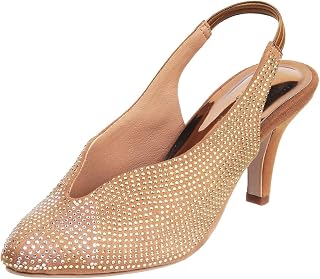


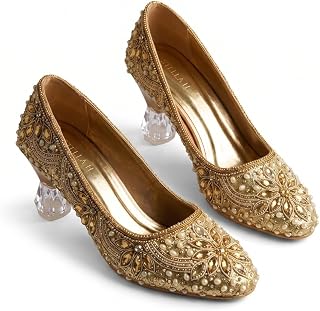


Women’s ethnic footwear in India has moved well beyond the traditional idea of keeping one pair for occasional festive wear. In 2026, shoppers can choose from traditional juttis and mojaris, embellished sandals, ethnic wedges, embroidered flats, kolhapuri-inspired designs, comfortable slip-ons and contemporary footwear that combines Indian detailing with everyday silhouettes. The right choice depends on where you plan to wear the footwear, how much walking you expect to do, the outfit you want to pair it with and how much support your feet require.
This buying guide is designed for commercial comparison rather than simply listing attractive designs. When evaluating women’s ethnic footwear, look beyond colour and embroidery. Construction quality, sole flexibility, cushioning, upper material, fastening, heel stability, sizing consistency, weight and ease of maintenance can make a much bigger difference after several hours of use.
Because product ranges, customer ratings, prices and stock can change during 2026, shoppers should verify the latest specifications, current customer feedback, seller information and return conditions before placing an order. Brands commonly encountered in the Indian footwear market include Metro, Mochi, Bata, Inc.5, Carlton London, Clarks, Catwalk and other established footwear labels, alongside numerous specialist ethnic footwear brands and marketplace sellers.
Embroidered juttis remain one of the most recognisable choices for Indian ethnic outfits. Their closed-front design works naturally with salwar suits, anarkalis, shararas, lehengas, kurta sets and many fusion outfits. Traditional-inspired embroidery can include floral motifs, thread work, mirror-style decoration, beads or metallic detailing.
When comparing juttis, pay attention to the interior as much as the exterior. Decorative work may look attractive but can become uncomfortable if stitching, beads or embellishments press against the foot. A soft inner lining, reasonably cushioned footbed and flexible sole are useful characteristics for longer wear.
Mojaris offer a more traditional profile and are particularly useful when you want footwear that makes the ethnic character of an outfit immediately noticeable. Contemporary versions may combine traditional shapes with modern colours, printed uppers, textured materials and lightweight soles.
A major consideration is toe-room. Pointed or narrow-front designs can feel restrictive for people who need additional space around the toes. Compare the shape of the footwear with your normal foot width instead of selecting a pair solely because the listed shoe size appears correct.
Ethnic flats are among the most practical options for everyday Indian wardrobes. They can provide the visual character of traditional footwear without the height or balance considerations associated with heels. Depending on construction, they can work with office-appropriate kurtas, casual ethnic outfits and simple festive clothing.
For regular use, prioritise a supportive footbed, non-slip outsole design, comfortable upper and construction that does not create pressure points. A simple design can also be more versatile because it pairs with multiple colours and patterns.
Ethnic sandals can be a strong option when you want an open design for warm weather. Embellishments such as metallic elements, embroidery-inspired patterns, beads and decorative straps can give an otherwise simple sandal a festive appearance.
However, strap placement matters. A decorative sandal that looks attractive in photographs can become uncomfortable if a strap crosses a sensitive area or if the fastening rubs during walking. Examine the strap width, adjustment range and location of decorative components before buying.
Kolhapuri-inspired designs continue to appeal to shoppers who prefer a handcrafted or heritage-inspired appearance. They can work particularly well with cotton kurtas, linen outfits, relaxed ethnic sets and Indo-western clothing.
Construction can vary substantially between products. Look for neat stitching, properly finished edges, a secure sole and straps that sit comfortably without excessive pressure. Natural-looking materials may also require different maintenance from synthetic alternatives, so check the care instructions supplied with the specific product.
Ethnic wedges provide height while generally offering a broader base than a traditional narrow heel. This can make them appealing for festive occasions when you want a dressier appearance without choosing a very slim heel.
Do not assume that every wedge is equally stable. Compare heel height, platform thickness, sole width and overall weight. A lower wedge with a broad base can be easier to manage for extended standing than a substantially taller design.
Block heels combine a more formal appearance with a wider heel profile. They can complement sarees, ethnic dresses, salwar suits and contemporary Indian occasion wear.
When shopping for block heels, assess the relationship between heel height and the intended duration of wear. A moderate heel may be more versatile for events involving walking, standing and movement, while a taller heel can be reserved for occasions where appearance takes priority over prolonged comfort.
Slip-on footwear is useful for buyers who prioritise convenience. It can be particularly practical when footwear needs to be removed frequently or when you want a quick everyday option for short outings.
The main compromise is usually adjustability. Without a strap or buckle, fit depends more heavily on the shape of the upper and the relationship between the foot and the sole. Check whether the heel remains secure while walking and whether the front provides enough coverage.
Embellished flats can bridge the gap between casual footwear and occasion-specific footwear. They are particularly useful when an outfit already contains substantial colour or decoration and you want footwear that complements rather than competes with it.
For better versatility, neutral metallic shades, muted golds, silver tones, beige, tan, black and understated multicolour designs can be easier to coordinate than extremely bright combinations. The best choice ultimately depends on the colours and embellishment style already present in your wardrobe.
Modern ethnic footwear increasingly combines Indian decorative elements with silhouettes inspired by contemporary flats, sandals and casual footwear. These designs can be useful for shoppers who want one pair to work with both traditional and fusion clothing.
Look for restrained detailing if versatility is the priority. A design with one distinctive ethnic element can often work across more outfits than a heavily decorated pair intended for a specific festive ensemble.
The best ethnic footwear is not necessarily the most decorative pair. Begin by identifying how you will use it. Wedding footwear has different requirements from office footwear, daily college footwear or occasional festive footwear.
Material affects appearance, comfort, flexibility, durability and maintenance. There is no single material that is best for every buyer or every occasion.
Leather footwear can offer a distinctive finish and may develop character with use when properly maintained. However, care requirements vary by leather type. Products described as synthetic leather, faux leather or other leather alternatives can have different flexibility and durability characteristics.
Fabric-based footwear is frequently used for embroidered and decorative ethnic designs. It can create a softer visual appearance and allows extensive use of patterns and ornamentation. The main consideration is maintenance: some fabrics can be more vulnerable to stains, moisture and abrasion.
Synthetic footwear can offer a wide range of colours, finishes and price points. It is often selected for convenience and easier cleaning, but quality differs considerably between products. Examine the upper, seams, sole attachment and inner finish rather than judging synthetic footwear only by its appearance.
The outsole is responsible for the contact between the footwear and the ground. For Indian city environments, a useful outsole should provide appropriate traction for the surfaces where the footwear will normally be worn.
Look at the tread pattern, flexibility and thickness. Extremely smooth soles may be less reassuring on certain surfaces, while excessively rigid soles can reduce natural foot movement.
Cushioning should not be confused with softness alone. A very soft footbed can feel comfortable initially but may not provide the type of support you prefer during prolonged use. Consider whether the footbed distributes pressure evenly and whether the heel and forefoot feel adequately supported.
Flexible flats can be comfortable for casual walking, but the ideal amount of flexibility depends on the construction and intended use. Excessive bending in a poorly constructed shoe can affect stability, while a completely rigid sole may feel unnatural for everyday walking.
Footwear sizing is one of the most important considerations when shopping online. A numerical size is not enough to guarantee a comfortable fit because sizing conventions, shoe shapes and brand-specific measurements can vary.
Feet are not always identical in length or width. If you are between sizes or have noticeably different foot dimensions, compare the manufacturer’s size chart carefully and consider which foot needs more room.
Feet can change in volume throughout the day. If possible, measure under conditions that represent when you are most likely to wear the footwear. This is particularly relevant when purchasing closed juttis, mojaris and fitted sandals.
Two people wearing the same length can require completely different footwear because of differences in forefoot width, arch shape and heel dimensions. Narrow ethnic footwear can be attractive but may not be suitable for wider feet.
Before ordering online, read the current return, replacement and exchange conditions applicable to the exact listing and seller. Pay attention to eligibility, time limits, product condition requirements and whether tags or packaging need to remain intact.
Footwear is often partly concealed beneath a saree, but heel height can influence the drape and overall proportions. Block heels, wedges, embellished sandals and refined flats can all work depending on the saree style and occasion.
Juttis, mojaris, embroidered flats and ethnic sandals are natural choices. For everyday cotton suits, understated footwear can keep the outfit balanced, while decorative footwear can add interest to festive fabrics.
Versatile flats, kolhapuri-inspired sandals, ethnic slip-ons and minimal embellished footwear work well with many kurta-based outfits. For office settings, consider designs with controlled decoration and comfortable construction.
Festive footwear needs to complement the visual weight of the outfit. Embellished juttis, mojaris, wedges and dressier sandals can work depending on the lehenga or sharara silhouette.
Contemporary ethnic footwear can be particularly effective with fusion clothing. A modern sandal with Indian-inspired decoration or a minimalist jutti can create a deliberate contrast without making the outfit appear overly traditional.
Colour matching does not require footwear to be identical to the outfit. In many cases, complementary or neutral footwear creates a more balanced appearance.
Price should be evaluated alongside construction rather than treated as a direct measure of quality. A more expensive pair is not automatically more comfortable, while an inexpensive pair is not automatically poor quality.
For occasional use, simple synthetic flats, basic juttis and uncomplicated sandals may provide sufficient value. Focus on fit, sole attachment, comfort and the quality of visible finishing.
Mid-range footwear can provide a useful balance between decoration, construction and versatility. This segment is worth examining carefully if you want one pair that can be worn across several occasions.
Premium footwear may justify its price through material selection, finishing, construction details, design, brand positioning or specialised craftsmanship. Compare the actual specifications and construction rather than assuming a premium price guarantees superior comfort.
Beautiful embroidery cannot compensate for footwear that pinches, slips or creates pressure points. Fit should remain the first filter, followed by comfort, construction and appearance.
Buying based only on a familiar size can lead to disappointment because different manufacturers may use different lasts and sizing systems. Always review the current size information for the particular product.
If an event involves hours of standing or walking, heel height and stability become more important. A lower or moderate heel can be a more practical choice than selecting footwear solely for additional height.
Ethnic footwear is often purchased for its upper design, but the outsole affects traction, stability and durability. Examine sole construction before buying.
More decoration does not necessarily mean better construction. Inspect how embellishments are attached and whether they could create discomfort or catch against clothing.
Customer feedback can reveal recurring concerns about sizing, comfort, colour differences, finishing or durability. Read recent reviews where available and look for repeated patterns rather than relying on one unusually positive or negative comment.
Online reviews are useful when interpreted systematically. A high rating alone does not explain whether the footwear is appropriate for your requirements.
When two products look similar, use a structured comparison rather than choosing the one with the more attractive photograph.
Choose lightweight flats, simple ethnic sandals or comfortable slip-ons with secure construction. Daily footwear should prioritise repeatable comfort and easy maintenance over elaborate decoration.
Juttis, embellished flats, block heels and stable wedges are practical categories to compare. If the wedding involves substantial walking or standing, comfort should receive as much attention as appearance.
Festive juttis, mojaris and embellished sandals can add traditional character. Choose the amount of decoration according to the outfit so the footwear complements rather than overwhelms the overall look.
Minimal ethnic flats, refined sandals and understated slip-ons are generally easier to integrate into professional wardrobes. Neutral shades can increase the number of outfits with which one pair can be worn.
Prioritise lightweight construction, versatility and secure fit. A travel-friendly ethnic shoe should be comfortable for walking and easy to pack without requiring extensive maintenance.
Proper care can help preserve the appearance and construction of ethnic footwear. Maintenance should always follow the care instructions supplied for the particular material.
Remove surface dust gently and use only cleaning methods appropriate for the upper material. Avoid soaking footwear unless the manufacturer specifically indicates that it is suitable for water exposure.
If footwear becomes damp, allow it to dry naturally in a suitable ventilated location. Excessive direct heat can affect certain materials, adhesives and finishes.
Keep footwear in a dry environment away from unnecessary moisture and compression. Decorative footwear benefits from storage that prevents embroidery and embellishments from rubbing against other shoes.
If you own several pairs, rotating them can reduce the amount of continuous wear placed on one pair. This is particularly useful for footwear used frequently.
India's diverse climate means footwear requirements can differ considerably by region and season. In hot conditions, open sandals may feel more practical for some occasions, while closed footwear can be preferable when you need additional coverage. During wet weather, materials and construction become especially important.
Urban commuting also introduces practical considerations such as walking on roads, pavements, stairs and indoor flooring. If your routine involves substantial walking, evaluate grip, sole flexibility, heel stability and overall weight before prioritising decorative features.
Monsoon use requires extra attention because moisture can affect fabrics, leather, adhesives, decorative elements and certain sole materials. If footwear will regularly encounter wet conditions, check the manufacturer's care guidance and avoid assuming that a product is water-resistant simply because it has a synthetic exterior.
For rainy conditions, a practical choice should also be easy to clean and sufficiently secure on the foot. Highly delicate embroidery or materials that are difficult to dry may be better reserved for indoor or dry-weather occasions.
You do not necessarily need many pairs to cover most occasions. A carefully selected collection can be more useful than a large number of highly specialised designs.
This approach allows different footwear categories to serve distinct purposes without forcing one pair to perform every job.
Long events are where comfort differences become most noticeable. If you expect to stand for several hours, consider footwear with a secure fit, suitable cushioning and a stable base. Avoid choosing an unfamiliar pair immediately before an important event if there is no opportunity to assess the fit comfortably beforehand.
For heels, stability should be evaluated alongside height. For flats, check that the sole and upper provide enough structure to prevent excessive movement. For sandals, pay attention to strap placement because rubbing can become increasingly uncomfortable over time.
Footwear can be difficult to buy as a gift because accurate sizing and preferred styling are highly individual. If purchasing for another person, consider whether you know their usual footwear size, preferred silhouettes and typical wardrobe colours.
When uncertain, a versatile design with a relatively forgiving fit can be easier to choose than a narrow, highly structured or high-heeled style. Always review the current exchange or return terms before making a purchase.
Good value is not simply the lowest purchase price. Consider how often you can wear the pair, how many outfits it complements, how comfortable it is, how easy it is to maintain and whether the construction is appropriate for the intended use.
A moderately priced pair that works with many outfits and remains comfortable for regular use may provide better practical value than a heavily embellished pair that only suits one occasion. Conversely, specialised festive footwear can be worthwhile if its purpose is clearly defined and the design matches your wardrobe.
Check weight, sole flexibility, cushioning, fit and maintenance requirements. Highly decorative footwear may be better suited to occasional use.
Choose flats when comfort, walking and everyday versatility are priorities. Consider heels when height and formal styling are important, while paying close attention to stability and intended wear duration.
Comfort depends on the individual foot shape and the specific construction. Look for adequate toe room, a comfortable lining, suitable cushioning and a sole that does not feel excessively rigid.
Open sandals can be a practical choice in warm conditions because they provide greater airflow. Fit and strap placement remain important, particularly when the sandals will be worn for extended periods.
Simple designs made from relatively easy-care materials generally require less maintenance than delicate embroidered or heavily embellished footwear. Always follow the care guidance for the exact product.
There is no universal number. A practical collection can include one everyday pair, one traditional festive pair and one dressier option, with additional pairs added according to lifestyle and wardrobe needs.
There is no single best option for every buyer. The right choice depends on intended use, foot shape, preferred design, budget, comfort requirements, material and the outfit with which the footwear will be worn.
Key categories include embroidered juttis, mojaris, ethnic flats, embellished sandals, kolhapuri-inspired footwear, wedges, block heels, slip-ons and contemporary Indo-western designs. The most useful trend for an individual buyer is the one that combines current styling with practical wearability.
Embellished juttis, mojaris, dressy flats, block heels and stable wedges are all worth comparing. Select according to the outfit, event duration and amount of walking or standing expected.
Juttis, mojaris, ethnic flats and decorative sandals are versatile choices. The best option depends on whether the suit is casual, professional or heavily embellished.
Block heels, wedges, embellished sandals and refined flats can all complement sarees. Heel height should be selected according to the saree drape, desired height and expected walking requirements.
Neither is universally better. Juttis provide a closed traditional silhouette, while sandals provide an open design and can feel more suitable in warm weather. Compare them according to outfit, climate and personal comfort.
No. Price can reflect materials, design, craftsmanship, branding or other factors, but it does not automatically guarantee superior fit or comfort. Compare construction and specifications directly.
Use the current size chart supplied for the particular product, measure your feet where practical and consider both length and width. Customer feedback can also help identify whether a particular listing tends to fit differently from standard expectations.
Look for repeated comments about size, comfort, sole quality, finishing, colour accuracy, durability and fit. Recent reviews are particularly useful when available.
Yes. Minimal juttis, contemporary ethnic flats, kolhapuri-inspired sandals and understated embellished footwear can work with jeans, trousers, dresses and other fusion outfits when the colours and proportions are balanced.
Neutral shades such as beige, tan, black and understated metallics can work across many outfits. The best colour depends on the dominant colours in your wardrobe.
Use the product according to its intended conditions, keep it clean and dry, store it appropriately and follow the manufacturer's care instructions. Avoid exposing delicate materials to conditions they are not designed to handle.
The strongest women’s ethnic footwear choice is the one that successfully balances style, fit, comfort, construction and intended use. Current fashion trends can help you discover attractive silhouettes, but practical specifications should determine the final purchase.
Before buying, compare the footwear category, material, sole, heel structure, sizing information, customer feedback, maintenance requirements and current seller terms. For products from brands such as Metro, Mochi, Bata, Inc.5, Carlton London, Clarks and Catwalk, as well as independent ethnic footwear labels, evaluate the specific product rather than assuming every model from a brand has identical characteristics.
For August 2026 shopping decisions, always verify the current listing information, price, customer reviews, seller details, available sizes and return conditions immediately before purchase. Product availability and specifications can change, so an informed comparison is more reliable than choosing solely from a static trend list.
Which guide would you like next: wedding footwear, daily-wear juttis, or ethnic heels?