
♥ Wishlist
Compare 60 verified Women Flip Flops & Slippers products in India. Reviews, ratings, pros, cons and buying advice updated for October 2026.


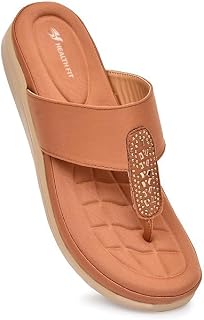


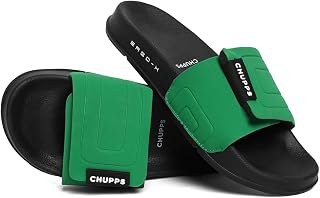


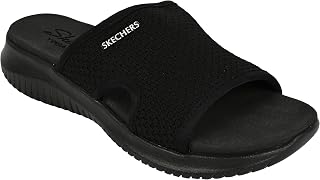


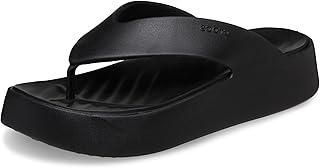
Women’s flip-flops and slippers have moved well beyond being simple home footwear. In India, they are used for everyday errands, college and casual outings, travel, indoor wear, quick trips outdoors, relaxed weekends and warm-weather dressing. The best choice therefore depends on more than appearance. Comfort, sole construction, grip, fit, material, durability, maintenance and the type of surface on which the footwear will be used all matter.
This 2026 buying guide is designed to help shoppers compare women’s flip-flops and slippers available in the Indian market. Rather than choosing only by colour, brand name or promotional price, consider how the footwear will actually be used. A lightweight pair may be ideal for short indoor use, while a pair with better cushioning and a more secure upper can be preferable for commuting, shopping or extended casual wear.
Popular footwear brands such as Bata, Relaxo, Paragon, Sparx, Campus, Crocs, Adidas, Puma and Nike offer different approaches to casual footwear, although individual models vary considerably in construction and intended use. Always compare the specifications and fit of the particular pair rather than assuming that every product from a brand will perform in the same way.
The latest women’s slipper and flip-flop styles increasingly combine casual fashion with practical comfort. Minimalist designs remain useful for everyday wear, while cushioned soles, wider footbeds, textured outsoles, decorative straps and sport-inspired shapes provide alternatives for shoppers who want additional support or a more distinctive appearance.
For Indian consumers, versatility is especially important. Footwear may encounter tiled floors, polished indoor surfaces, concrete, roads, dusty paths and occasionally wet areas during the same week. A fashionable pair that performs well only on dry indoor flooring may not be the most practical everyday purchase.
Simple flip-flops with a lightweight sole and uncomplicated thong strap remain popular because they are easy to put on and remove. They work particularly well for short-duration activities, indoor use and relaxed casual dressing. Their main limitation is that a very thin sole and basic strap provide less cushioning and structure than more supportive designs.
Cushioned slippers are designed for shoppers who prioritise softness underfoot. Foam-based or padded footbeds can make a noticeable difference during routine walking, particularly when compared with very flat, rigid soles. However, softness should not be confused with support. An extremely soft footbed can compress over time and may not provide the stability some users want.
Platform-inspired slippers can add visual height while giving the design a more fashion-focused appearance. Look for a stable base rather than choosing solely according to sole thickness. A high but narrow or poorly balanced sole can feel less secure than a moderately elevated, broad platform.
Slides influenced by athletic footwear are increasingly useful for casual wardrobes. Their broad upper can feel more secure than a traditional thong-style flip-flop for some wearers. Brands such as Adidas, Puma and Nike offer casual slide designs, but shoppers should still assess the individual model’s footbed, outsole and sizing.
Floral prints, metallic details, textured straps, contrast soles and decorative elements allow slippers to function as part of an outfit rather than merely practical footwear. These styles can be useful when appearance is a major consideration, but decorative components should be checked for comfort, flexibility and durability at points where they contact the foot.
There is no single best women’s slipper or flip-flop for every shopper. A useful comparison starts with the conditions in which the footwear will be worn. A pair intended for a few minutes indoors has different requirements from footwear used for several hours outside.
Correct sizing is one of the most important factors in casual footwear. Check the manufacturer’s size chart whenever possible because sizing conventions can differ between brands and product lines.
The foot should sit comfortably within the usable area of the footbed. The heel should not hang significantly over the rear edge, while the toes should not extend beyond the front. For open footwear, there should also be enough room for natural foot movement without excessive sliding.
Pay attention to width as well as length. Someone with a broader forefoot may find a narrow fashion slipper uncomfortable even when the stated shoe size is correct. Conversely, an excessively loose pair can reduce stability.
A thicker sole can provide greater separation between the foot and the ground and may feel more comfortable on hard surfaces. However, thickness alone does not guarantee quality. Examine how the sole bends, how stable it feels and whether the outsole has a useful tread pattern.
For indoor use, a lightweight and relatively thin sole may be sufficient. For regular outdoor walking, many shoppers will prefer a more substantial construction with cushioning and a durable outsole.
Cushioning influences how the footwear feels with each step. Common cushioning materials include EVA and various foam compounds, while some designs use layered or moulded footbeds.
A good cushioning system should match the intended use. Extremely soft cushioning may feel comfortable initially but may not deliver the stability desired for longer walks. Moderate cushioning with a stable base can be a practical compromise for everyday wear.
Grip deserves particular attention in India because footwear may be used across different surfaces and weather conditions. Examine whether the outsole has a textured tread rather than a completely smooth bottom.
For potentially wet environments, a useful tread pattern can help improve traction, but no casual slipper should be treated as automatically slip-proof. Wet tiles, polished stone, oil, soap and other contaminants can substantially reduce traction regardless of tread design.
The strap is one of the most important comfort points in a flip-flop. It should hold the foot without digging into the skin. Traditional thong straps place material between the toes, whereas slides and broad-strap slippers distribute contact across a wider area.
Inspect stitching, bonding and attachment points when product photographs or specifications make them visible. Decorative straps should also be checked for hard edges or components that could rub against the foot.
Common materials include rubber, EVA, synthetic materials, textile components and leather or leather-like constructions. Each has different characteristics.
EVA is valued for being lightweight and commonly used in cushioned casual footwear. Rubber can provide a durable outsole and useful traction depending on the formulation and tread. Synthetic uppers can offer a wide variety of colours and finishes, while textile elements may provide a softer visual and tactile character.
Material choice should be matched to the environment. A pair frequently exposed to water should be easy to clean and dry. Fashion-oriented footwear containing delicate decorative components may require more careful maintenance.
The terms flip-flops, slippers and slides are often used interchangeably in online shopping, but their constructions can be different. Understanding the distinction makes comparison easier.
Traditional flip-flops use a Y-shaped or thong-style strap that passes between the first and second toes. They are usually lightweight and easy to wear. They are convenient for quick activities, relaxed settings and warm weather.
The main consideration is whether the toe-post design feels comfortable. Some wearers prefer it, while others experience irritation when wearing thong-style footwear for long periods.
Slippers can cover a broad category of casual footwear. They may have open or closed uppers, flat or cushioned soles, decorative designs or more structured footbeds. This variety makes the category suitable for home use as well as casual outdoor wear.
Slides typically use one broad strap across the upper part of the foot. They are easy to put on and remove and can feel more secure than a basic flip-flop for some users. Their suitability depends on strap placement, width, foot shape and sole design.
Home slippers can prioritise lightweight construction, easy cleaning and a comfortable footbed. If the footwear is used mainly on dry floors, extreme outsole durability may be less important than comfort and convenience.
For homes with smooth tile or stone flooring, however, grip should not be ignored. A textured outsole can be preferable to a completely smooth sole.
For grocery shopping, local errands, short commutes and casual outdoor use, look for a combination of cushioning, secure fit and durable outsole construction. A pair that is easy to wear but provides little protection or stability may become uncomfortable when used beyond short distances.
Students and younger shoppers may prioritise style, versatility and affordability while still requiring enough comfort for routine movement throughout the day. Neutral colours such as black, beige, white and brown can work with more outfits, while brighter colours and prints can make the footwear a more prominent part of a casual look.
Travel footwear should be easy to pack, comfortable for repeated use and suitable for the expected environment. Lightweight EVA or flexible constructions can be convenient in luggage. If the trip involves substantial walking, do not assume that a casual slipper is sufficient simply because it is comfortable for short periods.
For bathrooms and other wet areas, shoppers often prefer water-friendly materials and textured outsoles. Look for products specifically described by the manufacturer as suitable for wet environments when that feature matters.
If you expect to walk for several hours, focus more heavily on footbed shape, cushioning, heel stability, outsole durability and overall fit. Traditional flat flip-flops can be comfortable for some people but are not automatically the best choice for prolonged walking.
EVA, or ethylene-vinyl acetate, is widely used in lightweight casual footwear. It can provide a soft and flexible feel while keeping overall weight low. EVA footwear is often easy to clean, although its exact durability, density and compression characteristics vary by product.
Rubber is commonly used for outsoles because it can provide durability and traction. Different rubber compounds behave differently, so simply seeing the word rubber in a specification does not establish how grippy or long-lasting a particular product will be.
Synthetic materials allow manufacturers to create many colours, textures and finishes. They can be practical for affordable casual footwear, but quality varies significantly. Examine the upper’s flexibility and finishing, especially around edges and attachment points.
Textile materials can create a softer, more casual appearance. Depending on construction, they may require more care around water, stains and drying. Check the product’s care instructions before exposing textile components to conditions for which they were not designed.
Leather can provide a distinctive appearance and may develop character with use, while synthetic leather-like materials offer similar visual effects at different price and maintenance levels. For either option, comfort depends on the actual construction rather than the material name alone.
Online footwear listings can contain many specifications, but not all of them are equally useful. Focus on information that directly affects fit, comfort, durability and intended use.
Customer reviews can provide useful information about sizing, comfort and durability, but they should be interpreted carefully. A review is most valuable when it describes the product’s actual use rather than simply stating that it is good or bad.
If multiple customers independently mention that a product runs small, has a narrow strap, feels unusually hard or loses its shape quickly, that pattern deserves attention. One isolated complaint may reflect individual preference or an unusual circumstance.
A shopper with a wide foot may find a particular pair uncomfortable even though another customer with a narrow foot finds it excellent. This does not necessarily indicate a manufacturing problem. Try to distinguish personal fit preferences from recurring construction issues.
A customer using a pair around the house may give very different feedback from someone wearing the same product for long outdoor walks. Reviews make more sense when the reviewer’s usage matches your own.
Comments about sole thickness, strap comfort, sizing, footbed shape, grip and wear over time are generally more useful for purchase decisions than vague comments about appearance.
Colour and styling matter, but footwear that looks attractive and feels uncomfortable is unlikely to become a reliable everyday pair. Compare construction and fit before finalising the purchase.
Low purchase cost does not automatically equal good value. If the footwear becomes uncomfortable quickly or is unsuitable for the intended use, a cheaper purchase may not represent the better long-term choice.
Many shoppers concentrate on numerical shoe size and overlook foot width. A correctly sized but narrow slipper can still feel uncomfortable. Look for wide-foot-friendly shapes when necessary.
Size labels are not perfectly consistent across brands. Checking the specific product’s size information can reduce the likelihood of ordering the wrong size.
A stylish flip-flop may be excellent for casual use without being appropriate for long-distance walking. Match footwear construction to the activity instead of expecting one pair to perform every role.
A sole that looks attractive from above may still have limited traction underneath. When product photography includes an outsole view, inspect its tread pattern and coverage.
Strap placement can influence both comfort and stability. A broad strap is not automatically better if it sits in an awkward position, while a thin strap is not automatically uncomfortable if it is well positioned and properly finished.
Black, white, tan, beige and brown slippers are practical choices for shoppers who want footwear that coordinates with multiple outfits. Minimalist designs can work with jeans, casual trousers, shorts, dresses and relaxed ethnic outfits.
Colourful slippers can add visual interest to simple outfits. Pink, blue, green, red, yellow and other bright tones can be useful when footwear is intended as an accent rather than a neutral basic.
Printed designs suit shoppers looking for a more expressive casual aesthetic. Floral motifs are particularly versatile for warm-weather wardrobes, while geometric and abstract patterns can create a more contemporary appearance.
Sport-inspired slides and sandals can pair well with athleisure clothing, joggers, leggings and casual separates. Their broader straps and structured silhouettes may also appeal to shoppers who prefer a more secure feel than traditional flip-flops.
Platform slippers can add height and create a stronger fashion statement. When comparing these designs, pay attention to the width and stability of the sole as well as its height.
India’s varied climate means footwear requirements can change considerably by region and season. Hot weather can make breathable, lightweight and easy-to-clean footwear appealing, while monsoon conditions increase the importance of water resistance, drainage, drying and outsole grip.
Open designs allow more airflow around the foot. Lightweight materials can also make the footwear feel less cumbersome during hot days. Dark colours may become warmer when exposed to direct sunlight, so colour choice can be considered alongside material and usage.
During rainy weather, examine whether the product is designed to handle water and whether the sole has an appropriate tread. Avoid assuming that any casual slipper is suitable for slippery surfaces. Wet roads and tiles can be hazardous even when footwear has visible tread.
Easy-clean materials can be particularly convenient where footwear is regularly exposed to dust. Designs with fewer delicate decorative components may also require less maintenance.
Indoor office or shopping environments may have different comfort requirements from outdoor heat. A slightly more cushioned slipper can be useful when the footwear is worn for extended periods on hard floors.
If the front of your foot is broad, look for a footbed that does not squeeze the toes. Wider straps or open-front designs may provide more usable space, although the exact fit depends on the product.
People with narrow feet may find very wide slides less secure. Adjustable designs, narrower straps or a more contoured footbed can sometimes provide a better fit.
A high instep can make certain fixed straps feel restrictive. A flexible or adjustable upper may be preferable when available.
Some people have a small difference between their left and right foot. In such cases, fit the larger foot first and avoid choosing a size that is too short for either foot.
Comfort is influenced by several interacting elements rather than one specification. A good comparison considers the footbed, sole, upper, weight and overall geometry together.
Durability depends on construction quality, material, frequency of use, body weight, walking habits, surface conditions, exposure to water and maintenance. Two visually similar pairs can therefore have very different service lives.
The outsole is exposed to repeated friction and can gradually lose tread. Examine the areas that contact the ground most heavily, particularly the heel and forefoot.
Repeated pulling and bending can place stress on strap attachment points. Traditional flip-flops may experience significant stress around the toe-post and side anchors.
Soft materials can gradually compress with repeated use. A footbed that initially feels exceptionally soft may change in feel over time depending on its construction.
Extended exposure to intense heat or direct sunlight can affect some footwear materials. Store slippers in a reasonably cool, dry place when they are not being used.
Correct maintenance can help preserve the appearance and function of casual footwear. Always follow the manufacturer’s care instructions because materials vary.
Remove loose dirt regularly with a soft brush or cloth where appropriate. For washable materials, use a mild cleaning method consistent with the product instructions.
After exposure to water, allow footwear to dry thoroughly before storing it. Avoid aggressive heat sources unless the manufacturer specifically permits them, as excessive heat can affect adhesives, foam and synthetic materials.
Allowing footwear to air out between uses can help reduce odour. Keeping feet clean and dry and avoiding prolonged use of damp footwear can also help maintain freshness.
Store slippers away from excessive heat, moisture and direct sunlight. Keeping pairs together also helps prevent deformation or accidental damage from being compressed under heavier objects.
Brand reputation can be a useful starting point, but it should not replace product-level comparison. Established names such as Bata, Relaxo, Paragon, Sparx, Campus, Crocs, Adidas, Puma and Nike have broad visibility in footwear, yet their individual models can differ in fit, materials, cushioning and intended use.
For a practical purchase decision, compare the exact model’s specifications, sizing information, construction, customer feedback and current retailer details. A less expensive model with the right construction can be a better fit for your needs than a more expensive product chosen solely because of its brand.
When two products appear similar, use a structured comparison rather than relying on photographs.
Price categories can help organise choices, but they should not be treated as absolute indicators of quality. Within each price range, construction and suitability can vary substantially.
Budget slippers can be suitable for occasional or basic everyday use when the fit is comfortable and the sole provides adequate grip. Inspect construction carefully and avoid compromising on basic comfort merely to achieve the lowest possible purchase price.
Mid-range products may offer a broader selection of cushioning, materials, styling and construction. They can be attractive for shoppers seeking a balance between everyday durability, comfort and appearance.
Premium casual footwear may emphasise branded design, specialised footbeds, material quality, styling or construction. A higher price should still be evaluated against the features that matter for your specific use rather than treated as proof of superior comfort.
Having separate pairs for different uses can be more practical than expecting one pair to handle every environment. For example, a lightweight indoor slipper can be kept separate from a more durable outdoor pair.
A useful rotation might include a comfortable home pair, a versatile everyday pair and a travel or wet-weather option where appropriate. This can also reduce continuous wear on any single pair.
Neutral slippers can complement everyday Indian wardrobes without competing with the clothing. Black, tan, beige and brown work well with many colours and can provide a dependable everyday option.
Decorative or colourful slippers can complement kurtis, casual dresses, denim, palazzos and relaxed ethnic outfits when their colours or detailing coordinate with the rest of the look.
Sport-inspired slides generally suit casual and athleisure wardrobes. Platform styles can add visual height to relaxed outfits, while minimalist flip-flops work well when the goal is simplicity.
Online shopping makes it easy to compare a large number of women’s flip-flops and slippers, but the product page should be examined carefully before purchase.
Before making a purchase, ask yourself what matters most. Is the slipper mainly for home use, everyday outdoor errands, travel, fashion, wet areas or extended walking? How important is cushioning? Do you need a wide fit? Do you prefer a toe-post flip-flop or a broad-strap slide? Will the footwear frequently encounter water or rough surfaces?
Answering these questions can quickly narrow the choices. The best pair is the one whose construction matches the real use case, not necessarily the one with the most fashionable appearance or the highest number of features.
The best type depends on where and how you use it. For general everyday use, look for a comfortable fit, suitable cushioning, a reasonably durable outsole and enough grip for the surfaces you regularly encounter. A versatile slide or cushioned slipper can be a practical choice for many casual routines, while a lightweight flip-flop may be preferable for quick and informal use.
Some people can comfortably walk moderate distances in supportive flip-flops, but traditional thin flip-flops are generally designed for casual use rather than demanding walking. For prolonged walking, compare cushioning, footbed support, outsole stability and secure fit carefully.
EVA can be an excellent material for lightweight casual footwear, but suitability depends on the specific construction and density. Check cushioning, outsole design, fit and intended use instead of selecting a pair solely because it uses EVA.
Neither is universally better. Flip-flops offer a familiar lightweight design and easy movement, while slides use a broader strap that some people find more secure. Choose according to your foot shape, comfort preference and intended activity.
Look for a sufficiently broad footbed and an upper that does not squeeze the forefoot. Product photographs, customer comments and manufacturer sizing information can help identify whether a particular design is likely to accommodate a wider foot.
No. Price can reflect branding, materials, design or specialised construction, but comfort remains highly individual. A correctly fitting moderately priced slipper can be more comfortable for a particular wearer than a substantially more expensive alternative.
Use the manufacturer’s measurement guidance for the exact model whenever available. Compare your foot measurements with the listed sizing information and consider width as well as length. Customer comments can also reveal recurring information about whether a model runs large, small or narrow.
The appropriate outsole depends on use. Indoor slippers can use a lighter construction, while outdoor footwear benefits from a durable sole with an appropriate tread. For wet conditions, look for products specifically intended for those environments and remember that no tread guarantees slip-free performance.
Cleaning depends on the material. Follow the manufacturer’s care instructions, remove dirt with an appropriate cloth or brush and allow wet footwear to dry thoroughly. Avoid excessive heat unless the product instructions specifically permit it.
There is no universal replacement interval. Replace footwear when the outsole is significantly worn, the tread has deteriorated, the sole has become unstable, the footbed has compressed excessively, the upper or strap is damaged or the pair no longer fits comfortably.
Many casual slippers are suitable for light outdoor use, but not every indoor slipper is designed for outdoor surfaces. Check the product’s intended use, outsole construction and durability before using it regularly outside.
They can be, provided the sole is stable and the fit is secure. Consider platform width, overall balance, weight and flexibility instead of looking only at height.
Neutral shades such as black, beige, tan, brown and white are generally versatile. If you want footwear to act as a visible fashion accent, brighter colours or prints can be more distinctive.
Compare the exact model across trusted retailers and check the current listing rather than relying on an old price, advertised maximum discount or cached recommendation. Prices, sizes, colours and availability can change throughout the year.
The strongest purchase decision comes from matching the footwear to your actual routine. Start with fit and intended use, then compare cushioning, materials, outsole grip, strap construction, durability and styling. Customer reviews can add useful real-world information, especially when several buyers report the same sizing or construction characteristic, but the product specifications should remain part of the decision.
For everyday Indian use, versatility is often more valuable than an impressive-looking feature list. A comfortable pair with a secure fit, suitable cushioning and a dependable outsole can serve more purposes than a highly fashionable pair that performs well only in limited conditions.
Before purchasing, compare the exact model, size, material, construction, customer feedback and current retailer price. Check return or exchange terms directly with the retailer, especially when buying footwear online for the first time. With these checks in place, shoppers can make a more informed decision and choose women’s flip-flops or slippers that fit their lifestyle, wardrobe and budget in 2026.