
♥ Wishlist
Compare 1 verified Women Shoes for Every Style, Occasion & Everyday Need products in India. Reviews, ratings, pros, cons and buying advice updated for October 2026.
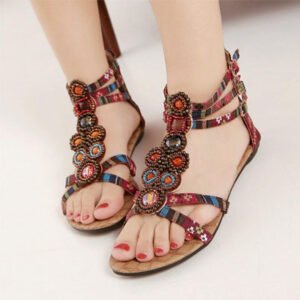
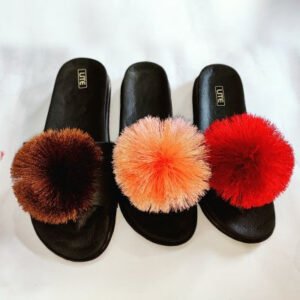
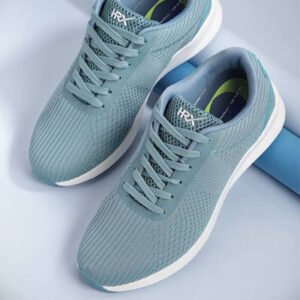
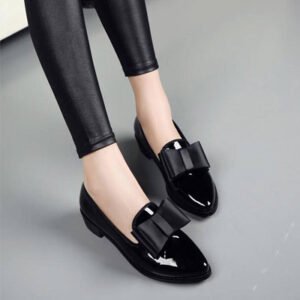
Our automated listing trackers are fetching updated catalog links. Please refresh shortly.
Women’s footwear in India is becoming more versatile, with shoppers increasingly looking for shoes that combine contemporary styling, comfort, durability and practical everyday use. The strongest trends for 2026 are not limited to runway-inspired designs. They also reflect how women actually dress and move through Indian cities, workplaces, colleges, social occasions, travel and everyday errands.
When comparing the latest women’s shoe trends, it is useful to look beyond colour and appearance. Construction, cushioning, upper material, outsole grip, heel stability, sizing consistency, breathability and ease of maintenance can make a much bigger difference to long-term satisfaction. A fashionable pair that becomes uncomfortable after an hour is rarely a better purchase than a well-designed shoe that works across multiple outfits and occasions.
This guide expands the buying considerations behind the major women’s footwear trends for 2026, helping Indian shoppers compare styles more intelligently before checking current prices, specifications and verified customer reviews from trusted retailers.
Low-profile sneakers continue to be one of the most practical footwear directions for women who want a casual shoe that works with jeans, trousers, wide-leg pants, skirts and relaxed dresses. Their relatively streamlined shape makes them easier to style than heavily athletic-looking footwear.
For Indian consumers, the best everyday sneaker should balance appearance with practical construction. Look for a breathable upper, secure heel area, flexible forefoot and outsole that provides dependable traction on common urban surfaces. A removable or well-shaped insole can also make a meaningful difference when the shoes are worn for extended periods.
Popular footwear companies such as Adidas, Puma, Nike, Skechers and New Balance offer broad sneaker ranges, but individual models can differ substantially in fit and construction. Brand reputation alone should not replace checking the specifications and recent customer feedback for the exact model.
Flat shoes are returning in more contemporary forms, including rounded-toe, square-toe, softly pointed and minimalist silhouettes. They appeal to shoppers who want something more polished than sneakers without committing to a heel.
Modern flats are particularly useful for office wardrobes and smart-casual dressing. However, the word “flat” does not automatically mean comfortable. Extremely thin soles may provide little cushioning or impact protection, while rigid uppers can create pressure around the toes.
When comparing flats, examine the flexibility of the sole, the amount of internal cushioning, the shape of the toe area and how securely the shoe stays on the heel. Elasticated openings may improve retention, but they should not be so tight that they create pressure around the foot.
Mary Jane shoes have moved beyond traditional school-inspired styling and now appear in contemporary casual, preppy, feminine and office-oriented designs. The defining feature is the strap across the upper, which can provide a more secure feeling than slip-on flats.
For women who frequently walk or commute, the strap can be a practical advantage because it helps keep the shoe positioned on the foot. Multiple-strap and chunky-sole versions create a more fashion-forward appearance, while slim-strap designs tend to look more understated.
Loafers remain valuable for women who want footwear that can move between professional and casual settings. They pair naturally with tailored trousers, straight-leg jeans, midi skirts and many office outfits.
The major buying decision is whether the loafer is designed primarily for appearance or for repeated walking. A structured upper can look polished, but excessive stiffness can cause discomfort during the break-in period. A cushioned footbed and appropriately flexible outsole are useful features for daily wear.
For warm Indian conditions, ventilation also deserves attention. Synthetic uppers can vary considerably in breathability, while leather and textile constructions have different maintenance requirements. Always check the exact material specification rather than assuming that a particular appearance indicates a particular material.
Platform footwear is a noticeable trend for 2026 because it adds visual height while retaining the casual character of a sneaker. The additional sole thickness can also change the walking feel considerably.
A thicker sole is not automatically more comfortable. What matters is the relationship between sole thickness, weight, flexibility, cushioning and stability. Very soft or excessively elevated footwear can feel less predictable on uneven surfaces, while a well-constructed platform sneaker can provide a stable everyday platform.
Breathable footwear is particularly relevant in India, where heat and humidity can make enclosed shoes uncomfortable. Mesh uppers and ventilated textile constructions are therefore useful trends for shoppers prioritising daily comfort.
Breathability should not be evaluated in isolation. A highly ventilated upper may be comfortable in hot weather but can be less resistant to dust, moisture or abrasion depending on its construction. The ideal choice depends on how and where the shoe will be used.
For regular walking, examine the complete shoe rather than focusing on the mesh alone. Heel stability, midsole cushioning, outsole traction and toe protection can matter just as much as airflow.
White, cream, beige, tan, black and other restrained shades remain strong choices because they can integrate easily into an existing wardrobe. Neutral footwear can reduce the need to own many pairs for different outfits.
The main drawback is maintenance. Light-coloured uppers can visibly show dust, stains and scuff marks, which is especially relevant for everyday use in busy urban environments.
Before purchasing light-coloured footwear, check the care instructions and material. Some surfaces can be wiped clean relatively easily, while others may require specialised cleaning. A shoe that looks excellent when new may require more maintenance than a darker alternative.
Chunky and retro-inspired sneakers remain relevant for shoppers who prefer statement footwear. These designs can add visual weight to simple outfits and work particularly well with wide-leg trousers, denim, cargo styles and relaxed streetwear.
The key consideration is proportion. A large sneaker can visually dominate an outfit, so styling becomes easier when the rest of the clothing has compatible volume or a deliberate contrast.
From a practical perspective, inspect the outsole profile and construction. Deep tread can provide useful traction, but complex outsole designs may also collect dirt. Heavier shoes may be less suitable for long commutes than lighter everyday sneakers.
Slingbacks and mules provide an alternative to fully enclosed shoes, making them useful for smart-casual outfits, dinners, events and warmer weather. Their open or partially open construction can also make them easier to put on and remove.
The trade-off is foot retention. A shoe with limited upper coverage depends more heavily on its heel construction, strap design or overall fit. If the foot moves excessively inside the shoe, walking can become tiring.
For slingbacks, assess whether the rear strap remains securely positioned without cutting into the heel. For mules, pay particular attention to the amount of upper coverage and the shoe's internal shape.
Lower heels offer a useful middle ground between completely flat footwear and high heels. Kitten heels and other modest-height designs can provide a dressier appearance while reducing the extreme elevation associated with traditional high heels.
They can be appropriate for office events, celebrations, dinners and semi-formal occasions. Nevertheless, heel height is only one part of comfort. Heel width, shoe balance, forefoot pressure, cushioning and overall fit all influence how wearable the shoe will be.
For an occasion where you expect to stand for several hours, a stable heel and secure upper are generally more practical than choosing a shoe based solely on its appearance.
The best women's shoes are not necessarily the most fashionable, expensive or highly rated options. The right choice depends on the intended use, foot shape, climate, walking distance, wardrobe and maintenance expectations.
Before comparing colours or brands, identify what the shoe will actually do. A pair intended for occasional dinners has very different requirements from footwear used for commuting several kilometres every day.
Leather can offer a structured appearance and, depending on the construction and care, may develop a distinctive finish over time. However, leather footwear requires appropriate maintenance and should be evaluated according to the specific type and finish used.
Synthetic leather can provide a polished appearance at different price points and is available in many colours and finishes. Breathability and durability vary significantly between constructions, so the product specification matters more than the generic label alone.
Mesh is commonly associated with lightweight and breathable footwear. It can be particularly useful for walking and warm weather, but the open textile structure may require more attention to cleaning and protection from rough surfaces.
Canvas and textile uppers are common in casual shoes. They can provide a relaxed appearance and may feel comfortable in warm conditions, although stain resistance, water resistance and cleaning requirements depend on the particular fabric and treatment.
Outsole composition affects traction, durability, flexibility and weight. Instead of assuming that one material is universally superior, consider the surface on which you will normally walk and whether you need wet-weather grip or a lightweight construction.
Online footwear shopping requires more attention to sizing because a numerical shoe size does not guarantee identical dimensions across manufacturers or even across different models from the same brand.
Feet can differ slightly in length and width. Measure both while standing and use the larger measurement when comparing the manufacturer's sizing information.
Do not automatically select the same numerical size you wear in every brand. Compare your foot measurements with the specific size chart supplied for the product.
Length is only one part of fit. A shoe can have adequate length while being too narrow across the forefoot. If your toes feel compressed, the issue may be width rather than size.
If you will wear the shoe with socks, factor their thickness into your expected fit. A sneaker that fits comfortably barefoot may become restrictive with thicker socks.
Customer feedback can reveal recurring fit patterns that are not obvious from product photographs. Look for repeated comments about sizing, width, heel slippage, stiffness, cushioning and durability rather than relying on one isolated review.
Marketing descriptions frequently use terms such as “soft cushioning,” “supportive,” “ergonomic” and “comfort technology.” These terms should be treated as starting points for investigation rather than proof that a shoe will suit every wearer.
Cushioning affects how the shoe feels during impact and walking. More cushioning is not always better. Some shoppers prefer a softer feel, while others prefer a firmer and more responsive platform.
Arch geometry differs between footwear models and between individuals. If you already know that a particular insole shape works well for you, compare the footbed construction rather than assuming that every shoe labelled “supportive” will provide the same experience.
The heel counter helps stabilise the rear of the foot. For walking shoes and everyday sneakers, a reasonably secure heel area can reduce unwanted movement inside the shoe.
A shoe that bends naturally near the forefoot can feel more comfortable for walking than a completely rigid design. However, excessive flexibility can also compromise the feeling of support in some footwear categories.
Prioritise ventilation, lightweight construction and materials that do not trap excessive heat. Breathable sneakers, flats, sandals and open footwear can each be useful depending on the occasion.
Wet conditions increase the importance of traction and easy maintenance. Consider outsole grip, exposed materials, drying requirements and whether the construction can tolerate occasional moisture.
In colder parts of India, closed shoes and layered socks may become more relevant. Ensure that winter footwear still provides enough room when worn with the socks you actually intend to use.
Loafers, refined flats, low heels, slingbacks and minimalist sneakers can all work depending on workplace expectations. The strongest wardrobe strategy is often to combine one or two versatile everyday pairs with a separate formal option.
Versatility and easy maintenance are usually more valuable than highly specialised footwear. Sneakers, casual flats and low-profile platform styles can work across classes, commuting and social activities.
Travel footwear should prioritise comfort over decorative complexity. Lightweight sneakers or supportive walking shoes are generally more adaptable than footwear intended for a single occasion.
Neutral loafers, elegant flats, slingbacks and understated low heels can transition more easily between daytime and evening outfits than highly casual athletic designs.
Chunky sneakers, Mary Janes, platforms, metallic details, distinctive silhouettes and retro-inspired designs can provide visual interest. The most practical approach is to balance statement footwear with versatile neutral pairs.
When several products appear similar, use a structured comparison rather than choosing based only on photographs.
A visually attractive shoe that pinches, slips or creates pressure is unlikely to become a reliable wardrobe staple. Fit should remain the first filter.
Price can reflect materials, construction, branding and design, but it does not guarantee that a particular model suits your feet or intended use.
Many shoppers focus only on length. Toe-box shape and forefoot width can have an equally important effect on comfort.
Sizing systems and shoe shapes vary. Always consult the product-specific measurements when available.
The outsole is easy to overlook in attractive product photographs. Yet it plays an important role in grip, durability and walking feel.
White and pale footwear can look highly versatile but may require more frequent cleaning, particularly when used outdoors.
A trend can be appealing while still being unsuitable for your lifestyle. Before purchasing a fashion-forward pair, identify at least two or three realistic occasions when you will wear it.
A useful footwear collection does not need dozens of pairs. A smaller selection of complementary styles can cover most daily requirements.
This approach can provide more outfit combinations than repeatedly buying similar shoes that serve the same purpose.
For sneakers intended primarily for lifestyle use, distinguish between casual fashion sneakers and shoes designed with more walking-oriented construction. A lifestyle sneaker may prioritise appearance and versatility, while a walking-focused shoe may place greater emphasis on cushioning, flexibility and stability.
Look at the complete construction: upper ventilation, heel security, tongue padding, collar design, midsole feel, outsole pattern and overall weight. If you plan to use a fashion sneaker for extensive walking, make sure its specifications actually support that use.
Flats should not simply be judged by whether they have a low heel. Examine the sole thickness, footbed, toe shape and heel retention. A pointed toe can create a very different fit from a rounded or square toe even when both shoes have the same listed size.
For long periods of standing, consider whether the shoe provides sufficient cushioning and whether the sole is flexible enough for your natural stride.
Heel height is only one consideration. Heel width, platform height, forefoot pitch, upper security and shoe balance all influence how stable the shoe feels.
If you are new to heels, lower and wider heels are generally easier to manage than narrow, high heels. For special occasions, consider how long you will actually be standing or walking rather than judging the shoe only while seated.
Do not use the same cleaning method for every shoe. Textile, mesh, leather, synthetic surfaces and suede-like materials can have different care requirements.
If footwear becomes wet, allow it to dry appropriately rather than storing it while damp. Excess moisture can contribute to unpleasant odours and material deterioration.
Rotating between pairs can give materials time to recover between uses and reduces dependence on a single pair for every activity.
Keep footwear away from unnecessary moisture and excessive heat. Maintaining the original shape can also help prevent avoidable creasing and deformation.
Removing accumulated dirt from the outsole can help maintain the intended tread pattern and makes the footwear easier to inspect for wear.
Customer reviews are most useful when treated as a collection of observations rather than as a popularity contest. A high rating does not automatically mean that a particular shoe is suitable for your foot shape or use case.
The cheapest shoe is not necessarily the best value, and a premium-priced shoe is not automatically the best purchase. Value comes from how well the footwear meets your needs over its useful life.
For example, a versatile everyday sneaker that works with numerous outfits and remains comfortable for regular use may provide better practical value than a less expensive pair that is rarely worn. Similarly, a formal shoe may justify a higher budget if it fills an important wardrobe need and has construction appropriate for repeated use.
Before buying, compare the current price with the exact specifications, materials, construction, expected frequency of use and available alternatives. Prices and retailer offers can change, so shoppers should check the current listing before making a purchase decision.
Indian shoppers can compare established international and domestic footwear brands, but the right choice depends on the individual model rather than the brand name alone. Brands such as Adidas, Puma, Nike, Skechers, New Balance, Reebok, ASICS, Bata, Metro, Mochi and Campus cover different portions of the women's footwear market.
When comparing brands, evaluate the exact product's construction, size chart, material, outsole, intended use, customer feedback and current retailer terms. A brand can offer excellent options in one category while a different model may be more appropriate for another use.
Several broader directions are likely to remain relevant throughout the year: versatile sneakers, refined flats, Mary Janes, loafers, low-profile footwear, platform soles, retro influences, breathable materials and lower-height occasion shoes.
The important shift is toward footwear that combines fashion with utility. Shoppers increasingly have more reasons to expect a pair of shoes to work across multiple settings rather than being reserved for a single outfit.
Versatile sneakers, comfortable flats and loafers are among the most practical choices for everyday use. The best option depends on whether you spend more time walking, commuting, working in an office or dressing casually.
Yes, chunky and retro-inspired silhouettes remain an important fashion direction in 2026. Their practicality depends on weight, stability, cushioning and outsole design.
White shoes can be highly versatile, but they generally require more visible maintenance because dust and stains are easier to notice. Consider the material and cleaning instructions before buying.
Both can work well. Flats may offer a more feminine or minimalist appearance, while loafers often provide a more structured and tailored look. Fit, dress code and walking requirements should determine the final choice.
Measure both feet, compare the larger measurement with the manufacturer's specific size chart and check customer feedback for recurring comments about whether the model runs large, small, narrow or wide.
It depends on the individual design. Platform height alone does not determine comfort. Weight, flexibility, stability, cushioning and outsole geometry are all important.
Breathable sneakers, lightweight textile footwear, flats and appropriate open footwear can all work well. Choose according to the activity and make sure the shoe provides sufficient support for the amount of walking involved.
Pay particular attention to outsole grip, material behaviour when wet, ease of cleaning and drying requirements. Avoid choosing solely on appearance when the shoes will regularly encounter wet surfaces.
Neutral sneakers, loafers, simple flats and understated low heels generally provide strong wardrobe versatility. Black, white, beige, tan and other restrained shades can complement a wide range of outfits.
No. Ratings are useful as an initial signal, but detailed reviews and product specifications provide more actionable information. A highly rated shoe may still be unsuitable for your foot shape or intended activity.
The strongest women’s footwear purchase is the one that fits your actual lifestyle rather than simply following the most visible trend. Use fashion trends as a starting point, then narrow your options using fit, construction, comfort, climate suitability, versatility and maintenance requirements.
For most wardrobes, a balanced combination of everyday sneakers, polished flats or loafers and one dressier pair can provide broad coverage. If fashion experimentation is a priority, add statement silhouettes such as Mary Janes, chunky sneakers or platforms after the essential footwear needs are covered.
Before buying any pair, compare the exact model specifications, consult the manufacturer's sizing information, read recent verified customer feedback and check current prices from trusted retailers in India. Trends change quickly, but good fit, appropriate construction and genuine usefulness remain reliable criteria for choosing women's shoes.
Which direction should the next guide focus on: budget-friendly shoes, premium brands, or office-and-college footwear?