

♥ Wishlist
Compare 57 verified Women Sports T-Shirts for Active and Everyday Wear products in India. Reviews, ratings, pros, cons and buying advice updated for October 2026.


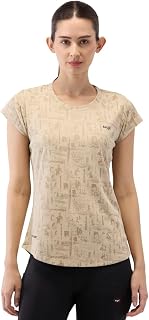


Choosing a women’s sports T-shirt is about more than colour, neckline or the appearance of a particular collection. The right top should match the activity, climate, intensity, fit preference and washing routine. A T-shirt that works well for a relaxed walk may not be the best choice for running, strength training, yoga or high-intensity workouts.
For shoppers in India, fabric behaviour in warm and humid conditions is especially important. Breathability, sweat management, drying speed and freedom of movement can have a greater effect on comfort than a long list of marketing features. When comparing options from brands such as Nike, adidas, Puma, ASICS, Reebok, HRX and Decathlon, examine the actual specifications and intended use rather than choosing solely on brand recognition.
The best women’s sports T-shirt is the one whose construction suits the way you exercise. Before comparing individual products, consider these practical factors.
The fabric label can tell you considerably more about a sports T-shirt than its appearance. Common performance garments use polyester, nylon, elastane or blends of these fibres. Cotton is also widely available and can be comfortable for low-intensity activities, but it may retain more moisture after heavy sweating.
Polyester is frequently used in sportswear because it is lightweight and can be engineered to move moisture away from the skin. Nylon can provide a smooth hand feel and good durability, while elastane is commonly added to increase stretch and recovery. A blended construction can combine several characteristics rather than relying on a single fibre.
Do not assume that a higher percentage of synthetic fibre automatically means a better T-shirt. Fabric weight, knit structure, ventilation zones, finishing, stitching and garment construction all influence how the top performs.
These two terms are often used together, but they describe different aspects of garment performance.
A shirt can be lightweight yet still feel warm if airflow is limited. Conversely, an extremely ventilated design may not provide the coverage some shoppers prefer. The best combination depends on the activity and climate.
Sportswear continues to move between performance clothing and everyday athleisure. For 2026 shopping, several design directions are particularly relevant when comparing women’s athletic T-shirts.
Lightweight sports T-shirts remain practical for warm-weather training because they reduce the feeling of bulk. A lighter fabric can also make layering easier. However, shoppers should check whether an ultra-light construction provides sufficient coverage and opacity for the intended activity.
Relaxed silhouettes are increasingly useful for gym sessions, casual styling, walking and post-workout wear. They provide more room around the torso and can feel less restrictive. The trade-off is that excessive fabric may become inconvenient during some exercises.
Closer-fitting designs remain useful for running, cycling and workouts where loose fabric can become distracting. A streamlined silhouette can also work well underneath a jacket, sweatshirt or training layer.
Many shoppers now prefer sportswear that can transition between exercise and casual outfits. Subtle logos, neutral colours and uncomplicated designs make a sports T-shirt more versatile without sacrificing its athletic purpose.
Alongside classic black, white and grey, women's activewear commonly includes seasonal colours, pastels, saturated shades and colour-blocked designs. Colour should be treated as a personal preference rather than a performance characteristic, but it can influence how frequently a T-shirt is worn.
A versatile sports T-shirt can serve as training clothing, travel wear, casual clothing or a layering piece. If versatility matters, look for designs that have a relatively clean silhouette and fabric that remains comfortable beyond structured workouts.
Fabric weight affects the feel of a garment. Lightweight materials can be appealing for hot conditions and intense workouts, whereas slightly heavier materials may offer greater structure or coverage. Product descriptions do not always provide comparable fabric-weight information, so do not assume that one listed weight or thickness is equivalent across different manufacturers.
Stretch is particularly useful when the wearer performs movements involving the shoulders, arms or torso. A garment with elastane or another stretch component may offer improved mobility. Recovery matters as well: fabric should return toward its original shape after movement instead of remaining stretched.
Seams can influence comfort during repetitive movement. Flat or carefully positioned seams may help reduce irritation, particularly for runners or people wearing a shirt for extended periods. Examine photographs and product specifications for seam placement when this is an important concern.
Short sleeves are versatile, while sleeveless designs can increase freedom around the shoulders and arms. Longer sleeves may provide additional coverage or work better in cooler conditions. The ideal option depends on both exercise type and personal comfort.
A straight hem creates a conventional T-shirt appearance, while curved or extended hems can provide additional coverage. Consider whether the shirt needs to remain in place during bending, stretching or floor exercises.
Sportswear sizing can vary between brands and even between product lines. Do not rely exclusively on your usual letter size. Check the manufacturer's size chart and compare the listed body measurements with your own measurements whenever possible.
A regular-fit T-shirt generally provides a balance between freedom of movement and a relatively clean silhouette. It is a useful all-purpose choice for walking, gym training and everyday wear.
A slim-fit design follows the body more closely. This can be useful when reducing excess fabric is a priority, but it should never feel restrictive across the chest, shoulders, underarms or upper back.
Relaxed designs provide additional room and can be comfortable for casual workouts and everyday styling. Check the garment length carefully, especially if you prefer a less oversized appearance.
Oversized T-shirts create a deliberately loose silhouette. They can work well for casual athleisure outfits, but the extra material may interfere with certain exercises or become uncomfortable during intense movement.
India includes a wide range of climates, from hot and humid coastal areas to dry inland regions and cooler northern conditions. Consequently, there is no single fabric or design that is ideal for every Indian shopper.
For hot and humid weather, prioritise lightweight construction, airflow and effective moisture management. In hot but dry conditions, breathability remains important, while personal preferences around coverage and sun exposure may influence the choice. During cooler months, a sports T-shirt can become a base layer beneath a sweatshirt, jacket or training top.
For people who exercise outdoors, consider the entire outfit rather than evaluating the T-shirt in isolation. The combination of base layer, bottom, footwear and outer layer can have a greater effect on comfort than any single garment.
For running, prioritise a lightweight construction, comfortable shoulder mobility, moisture management and a fit that stays reasonably stable while moving. Pay attention to potential friction areas such as the neckline, underarms and side seams.
Gym training involves a broad range of movement, so moderate stretch and durable construction can be valuable. A regular or athletic fit is often more versatile than an extremely loose silhouette when the workout includes machines, free weights and strength exercises.
Yoga places different demands on clothing because the body moves through stretches, twists and inverted positions. Softness, flexibility and garment stability can matter more than aggressive sweat-management features.
A walking T-shirt does not necessarily need advanced technical features. A comfortable, breathable and easy-care garment may provide better value than paying more for specialised performance technology that you will not use.
For everyday use, prioritise the silhouette, fabric feel, colour versatility and ability to coordinate with leggings, joggers, jeans or shorts. Minimal designs can provide more outfit combinations.
When comparing women’s sports T-shirts in India, established sportswear brands can provide a useful starting point because their ranges typically cover different activity levels and fit preferences. The right choice should still be based on the specifications of the individual garment.
Brand reputation should not replace product-level comparison. Check the exact fabric composition, size chart, fit description, care instructions and customer feedback for the specific T-shirt you are considering.
If two products appear similar, compare them systematically rather than choosing based on photographs alone.
Customer reviews can provide useful information that is difficult to determine from product photography, but they should be interpreted carefully. Focus on repeated patterns rather than isolated comments.
Recent reviews are particularly useful when product versions may have changed. Also distinguish reviews of the exact model from reviews grouped across multiple colours or variants.
A stylish design does not guarantee suitable performance. A shirt may look excellent in photographs while being too warm, restrictive or loose for your preferred activity.
Different brands use different measurements. Always check the specific product's sizing information instead of assuming that a particular size will fit because it worked in another brand.
Two polyester T-shirts can feel completely different because of differences in knit, thickness, construction and finishing.
Advanced performance features can be useful, but they may not provide meaningful value for casual walking or everyday wear. Match features to actual use.
Very lightweight fabrics can behave differently under bright light or when wet. If coverage is important, examine product photographs and available specifications carefully.
A garment that requires inconvenient care may become less practical when worn frequently. Review washing instructions before making a purchase.
Correct care can help preserve the fit, fabric and appearance of activewear. Always follow the manufacturer's care label first, because fibre blends and finishes can have different requirements.
The ideal number depends on how frequently you exercise, how often you do laundry and whether the same shirts are used for workouts and everyday wear. Someone training several days per week may benefit from having enough tops to avoid repeatedly washing the same garments between sessions.
A practical rotation can include different weights or fits for different conditions. For example, lightweight shirts may be reserved for hot outdoor workouts, while a more substantial option can be useful during cooler indoor sessions.
A lower price does not automatically make a T-shirt poor value, and a premium price does not automatically make one better. Start with the features that matter for your activity and eliminate unnecessary extras.
For basic gym sessions or walking, a comfortable fabric, appropriate fit and reliable construction may be sufficient. If you run regularly in hot weather, investing in better moisture management and lightweight construction may provide more practical value.
When comparing prices, consider cost per use. A durable shirt worn regularly may provide better value than a cheaper garment that is uncomfortable and rarely used.
A performance-oriented T-shirt is generally worth considering when exercise generates substantial heat or perspiration, when you train for extended periods, or when clothing movement can affect your comfort. A basic cotton T-shirt can still be perfectly reasonable for casual use, low-intensity exercise and everyday wear.
The important distinction is not whether a product is labelled “performance” but whether its construction solves a problem you actually experience.
Not every feature deserves equal weight in a buying decision. For most shoppers, fit, comfort, fabric suitability and intended activity should come first. Secondary considerations include styling, colour, brand preference and additional technical features.
A useful decision hierarchy is to start with fit and activity, then evaluate fabric and climate suitability, followed by construction and durability. Once these fundamentals are satisfactory, compare styling and price.
There is no single best option for every shopper. The right choice depends on your activity, climate, preferred fit, fabric requirements and budget. Compare the exact product specifications and customer feedback before purchasing.
Polyester is widely used in sportswear because it can be lightweight and suitable for moisture-management constructions. Whether a particular polyester T-shirt is comfortable depends on its knit, fit, fabric weight and finishing.
Cotton can be comfortable for lighter workouts and casual use. For intense training, however, some people prefer technical synthetic fabrics because they can manage moisture and dry more quickly.
There is no universal best fabric. Lightweight synthetic fabrics and suitable blends are commonly considered for hot-weather exercise because they can combine breathability, moisture management and quick drying. Fabric construction is as important as fibre type.
It depends on the activity and personal preference. A fitted shirt can reduce excess fabric during strength or cardio workouts, while a relaxed shirt may provide greater freedom and a casual appearance. The garment should allow unrestricted movement without excessive pulling.
The shirt should provide enough room for comfortable movement without excessive fabric. Check the shoulder position, chest, underarms, neckline and hem. Always compare your measurements with the specific manufacturer's size chart.
Only when their features provide meaningful value for your use. A premium garment may offer a particular fabric construction, fit or performance feature, but a less expensive option can be the better choice when your needs are simple.
Yes. Many athletic T-shirts have simple silhouettes that work with jeans, joggers, leggings and casual shorts. If everyday versatility matters, choose a neutral or easily coordinated design.
Follow the garment's washing instructions and avoid leaving sweaty clothing damp inside a closed gym bag. Wash garments appropriately and allow them to dry completely before storage.
There is no fixed replacement schedule. Replace a shirt when its fabric, seams, shape, elasticity or comfort has deteriorated enough to affect its intended use. Frequent training and repeated washing can accelerate normal wear.
They can be comfortable for casual exercise and athleisure, but excessive fabric may interfere with certain movements. For technical workouts, consider whether the loose cut remains practical throughout the session.
If the fit and fabric work well for you, buying multiple colours can simplify workout rotation. Consider how frequently you exercise and whether the shirts can also be used for everyday wear.
The strongest women’s sports T-shirt purchase is not necessarily the most fashionable, most expensive or most heavily marketed option. It is the garment that performs reliably for your specific routine and remains comfortable after repeated wear.
For Indian shoppers, start by considering the local climate and where you exercise. Then compare fabric composition, fit, stretch, ventilation, moisture management, construction and care requirements. Use verified customer reviews to identify recurring issues, and check the exact size chart rather than relying on assumptions about sizing.
Brands such as Nike, adidas, Puma, ASICS, Reebok, HRX and Decathlon provide useful comparison points, but the individual product matters more than the logo. Before purchasing, compare current specifications, seller information, customer feedback and today's price so that the final decision reflects both performance and value.
Whether you need a lightweight running T-shirt, a durable gym top, a flexible yoga shirt or a versatile athleisure design, a careful feature-by-feature comparison makes it easier to find an option that fits your activity, climate and personal style.