

♥ Wishlist
Compare 57 verified Women Sweatshirts for Comfortable Everyday Style products in India. Reviews, ratings, pros, cons and buying advice updated for October 2026.


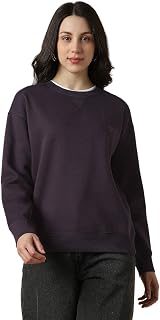


Women’s sweatshirts have moved well beyond their traditional role as simple winter layers. In 2026, the strongest sweatshirt choices combine everyday comfort with more considered silhouettes, versatile styling and practical fabric construction. For shoppers in India, the right option also depends heavily on climate, season, intended use and how frequently the sweatshirt will be worn.
This guide is designed to help compare the latest women’s sweatshirt trends for 2026 without treating every style as interchangeable. A lightweight sweatshirt that works well for a mild evening in Bengaluru may not be the right choice for a cold North Indian winter, while a thick fleece design can feel excessive in warmer regions. Similarly, an oversized sweatshirt may be ideal for casual streetwear but less suitable for someone looking for a neat everyday layer.
When comparing options, look beyond colour and printed graphics. Fabric composition, fleece construction, GSM or fabric weight where disclosed, neckline, sleeve design, hem structure, fit, washing requirements and sizing consistency can have a greater effect on long-term satisfaction.
The best women’s sweatshirt is not necessarily the thickest, most expensive or most popular-looking option. The better approach is to match construction with the conditions in which the garment will actually be used.
India has substantial variation in temperature and humidity, so sweatshirt selection should not be based on the word “winter” alone. In colder northern regions, heavier fleece and layered sweatshirt designs can be useful during winter. In moderate climates, a medium-weight cotton-blend sweatshirt may provide enough warmth without becoming uncomfortable indoors.
For warmer cities and coastal areas, lightweight cotton-rich or breathable blends can be more practical. A sweatshirt intended for occasional evening use should generally be evaluated differently from one intended to replace a heavier winter layer.
If you frequently move between outdoor and air-conditioned environments, a medium-weight sweatshirt or zip-up style can offer greater versatility than an extremely thick pullover.
Fit has a major effect on both appearance and comfort. The same sweatshirt design can look completely different depending on shoulder width, body length, sleeve proportions and hem construction.
Do not assume that your usual T-shirt size will automatically provide the desired sweatshirt fit. Garment measurements can vary significantly between brands and individual collections. Checking the size chart, chest measurement, shoulder width and garment length is often more useful than relying solely on S, M, L or XL labels.
Fabric composition affects warmth, softness, breathability, durability and washing behaviour. Two sweatshirts with similar designs can perform very differently because of their material construction.
Cotton is popular because it can feel comfortable against the skin and is well suited to casual everyday clothing. Cotton-rich sweatshirts can be a strong choice for shoppers who prioritise natural-fibre content and a familiar soft hand feel.
However, cotton is not automatically the warmest option. The thickness and construction of the fabric matter considerably. A dense cotton sweatshirt can provide meaningful warmth, while a thin cotton jersey may function primarily as a light layer.
Blended fabrics are common because combining fibres can balance comfort, durability, shape retention and drying characteristics. Polyester blended with cotton, for example, can create a sweatshirt that behaves differently from a predominantly cotton garment.
When comparing cotton blends, examine the actual composition rather than assuming that “cotton blend” means a particular performance level. Fibre percentages provide more useful information than generic fabric descriptions.
Polyester is frequently used in sportswear and casual fleece because it can be durable and relatively quick to dry. It can also help garments maintain their shape. However, perceived breathability and comfort depend on the specific fabric construction rather than fibre type alone.
For regular indoor wear in warmer weather, shoppers may prefer a lighter construction. For outdoor activity or cooler conditions, polyester fleece can be more useful.
Fleece generally refers to a brushed or insulating fabric construction rather than a single fibre type. The inner surface may be brushed to create a softer, warmer feel.
Fleece-lined sweatshirts can be excellent for cold weather, but excessive thickness is not always an advantage. If the sweatshirt will be worn in a relatively mild climate, a lighter brushed interior may be more practical.
French terry has loops on one side and a smoother surface on the other, making it different from heavily brushed fleece. It can provide a useful balance between comfort and moderate warmth.
This construction is particularly interesting for shoppers who want a sweatshirt that can be worn across transitional seasons rather than exclusively in very cold weather.
Fabric weight can help compare garments, but shoppers should be cautious about treating GSM as a universal warmth score. GSM describes fabric mass per square metre, while warmth also depends on fibre type, brushing, knit structure, garment construction and fit.
A higher-weight sweatshirt will generally feel more substantial, but a well-constructed lighter garment can still be comfortable in moderate conditions. If a product listing provides GSM, use it as one comparison point rather than the only measure of warmth.
When specifications are incomplete, examine the description for terms such as lightweight, midweight, heavyweight, brushed fleece, fleece-lined, French terry and thermal construction. These terms can help establish the intended use, although actual garment feel can only be confirmed reliably through detailed specifications and customer feedback.
The crew neck is the classic sweatshirt neckline and remains one of the safest choices for versatility. It pairs naturally with jeans, trousers, joggers and layered shirts.
A well-finished ribbed crew neckline can also help the sweatshirt retain its shape. When comparing products, inspect whether the collar is described as ribbed and whether reviews mention stretching or loss of shape after washing.
Hoodies provide additional coverage and a distinctly casual appearance. They are useful for travel, outdoor use and relaxed streetwear.
Pay attention to hood construction. A very heavy hood can pull on the back of the garment, while an extremely thin hood may provide little structure. Drawstrings, kangaroo pockets and ribbed cuffs are additional details that can affect functionality.
Zip-neck sweatshirts combine some of the warmth of a pullover with adjustable ventilation. They can be especially practical when moving between different temperatures.
For buyers who prefer a sporty or modern appearance, quarter-zip styles can also provide an alternative to conventional crew-neck sweatshirts.
A full-zip sweatshirt works particularly well as a layering piece. It can be worn open over a T-shirt or closed when additional warmth is required.
The zipper is an important quality consideration. Look for information about zipper construction and inspect customer feedback for comments about snagging, stiffness or alignment where such feedback is available.
Colour should be considered alongside wardrobe compatibility rather than trend popularity alone.
Graphic designs should also be assessed for print quality. Screen prints, heat transfers, embroidery and other decoration methods can behave differently after repeated washing. If long-term wear matters, look for clear product information and customer comments concerning cracking, peeling, fading or loose embroidery.
Oversized sweatshirts remain a strong choice for relaxed styling, but proportion is important. A deliberately oversized top usually works best when the rest of the outfit provides some visual structure.
An oversized sweatshirt should not simply be one or two sizes larger unless that is the intended styling approach. A purpose-designed oversized garment usually has different shoulder, sleeve and body proportions from a standard sweatshirt that has merely been sized up.
Cropped sweatshirts work particularly well with high-rise jeans, wide-leg trousers, cargo pants and coordinated athleisure bottoms. They can also be layered over longer tops when additional coverage is desired.
Before buying a cropped style, check the stated garment length. “Cropped” can describe substantially different proportions depending on the brand and collection. Someone looking for a subtle waist-length sweatshirt may want a different cut from someone seeking a deliberately short silhouette.
The terms hoodie and sweatshirt are often used interchangeably in casual shopping, but they are not identical. A hoodie normally includes a hood, while a sweatshirt can refer to a wider category of knitted or fleece tops without a hood.
Choose a crew-neck sweatshirt if you prioritise a cleaner silhouette and easier layering. Choose a hoodie if head and neck coverage, a sportier appearance or a more casual aesthetic are more important.
A zip-up hoodie may be the better option for temperature flexibility, while a pullover hoodie generally provides a simpler construction and classic casual appearance.
For a sweatshirt that will be worn frequently, small construction details can make a meaningful difference.
A product listing can contain useful information that is easy to overlook. Before purchasing, compare as many of the following specifications as are available:
Do not assume that a missing specification means the product has poor quality. However, when two otherwise similar options are being compared, a more complete specification can make the buying decision easier and reduce uncertainty.
Customer reviews can provide useful information that standard product descriptions do not. The key is to look for repeated patterns rather than relying on a single enthusiastic or negative comment.
If several customers independently describe the garment as smaller, larger, shorter or longer than expected, that pattern may be more useful than the nominal size label.
A customer may describe a sweatshirt as “soft” because of a brushed interior, while another may prefer a firmer fabric. Neither statement automatically establishes durability. Look for comments that specifically address pilling, shrinking, fading, seam quality and shape retention.
Wash-related comments are particularly valuable for everyday clothing. Look for evidence concerning shrinkage, colour changes, print durability, fleece shedding, pilling and whether cuffs or hems remain stable.
Customer-uploaded images can sometimes provide a better understanding of real-world proportions, colour appearance and fit than studio photography. Compare multiple images where possible because lighting and camera settings can alter colour significantly.
A striking graphic can attract attention, but design alone does not determine comfort or longevity. Check construction, material and fit before choosing based on artwork.
Size labels are not perfectly standardised. A medium from one brand can have very different dimensions from a medium from another. Always use the specific product's size chart when available.
A heavyweight fleece sweatshirt may be appropriate for cold conditions but uncomfortable in mild weather. Consider when and where you will wear it before selecting the thickest option.
Two sweatshirts can have similar chest measurements but very different lengths. This is particularly important for cropped, oversized and longline designs.
A garment that requires delicate care may be less convenient for someone seeking an everyday sweatshirt for frequent washing. Review the care label information before purchasing when it is provided.
Price can reflect brand positioning, design, material and construction, but it is not a standalone quality measurement. Compare specifications and customer feedback rather than using price as a substitute for evaluation.
For regular college wear, versatility is usually more useful than specialised performance. Crew-neck sweatshirts, oversized graphics and hoodies can work well with jeans, cargo trousers and sneakers.
Choose a washable, easy-care fabric if the sweatshirt is expected to be worn frequently. Neutral colours can provide more outfit combinations, while graphic designs can add personality to a simple wardrobe.
Travel introduces changing temperatures, long periods of sitting and the need to pack efficiently. Medium-weight zip-up sweatshirts can be particularly convenient because they can be opened when warm and layered when temperatures drop.
Consider weight, bulk, wrinkle resistance and whether the garment can be comfortably worn over another top.
For home use, comfort and easy maintenance may be more important than elaborate detailing. Soft cotton-rich or fleece constructions can be attractive choices depending on the room temperature.
A minimalist sweatshirt in a structured silhouette can look more polished than a heavily graphic oversized hoodie. Neutral colours, clean seams and a controlled fit can make the garment easier to style with jeans, trousers or skirts.
If the sweatshirt will be used before or after exercise, consider moisture management, mobility and drying characteristics. A lightweight athletic sweatshirt may be more suitable than a thick cotton pullover.
For actual exercise in warm weather, however, a sweatshirt may be too warm regardless of its fabric. Match the garment to the activity rather than assuming that sportswear branding automatically means it is appropriate for every workout.
Indian shoppers can compare offerings from a wide range of established fashion and sportswear brands. The right brand depends on the desired combination of styling, fabric, fit, price category and intended use.
Brand reputation should not replace product-level evaluation. Even within the same brand, fabric composition, fit and construction can vary substantially between collections. Compare the exact product specifications and current customer feedback before choosing.
When two products look nearly identical, use a structured comparison rather than making the decision based on colour or headline discount.
This process is particularly useful when comparing several Amazon India listings or products from different brands. A sweatshirt with a slightly higher price may offer better value if its material, construction and expected versatility better match your needs.
If you want one sweatshirt to cover a large number of outfits, start with a neutral colour and a conventional silhouette. Grey, black, navy, cream and other understated colours generally coordinate with more trousers and footwear than highly specific statement shades.
A regular or relaxed crew neck is also highly versatile because it can be worn alone or layered over a shirt and under a jacket. If you prefer maximum temperature flexibility, a full-zip sweatshirt may be more useful.
For a larger sweatshirt collection, build around different functions rather than buying several garments with almost identical properties. For example, one lightweight neutral sweatshirt, one warm fleece option, one oversized fashion piece and one zip-up layer can provide more practical coverage than four similar heavyweight pullovers.
Winter requirements vary considerably across India. In colder northern areas, a warm fleece sweatshirt can serve as a useful mid-layer or casual outer layer. In areas with milder winters, a lighter sweatshirt may be sufficient.
Layering is often more versatile than buying a single extremely thick garment. A medium-weight sweatshirt can be combined with a T-shirt, thermal base layer, jacket or coat depending on the temperature.
For cold-weather layering, avoid choosing an extremely tight sweatshirt if you intend to wear another substantial layer underneath. At the same time, an excessively oversized sweatshirt can create unnecessary bulk beneath a fitted jacket.
During humid or changeable weather, fabric choice becomes particularly important. Heavy, slow-drying garments may be less convenient when humidity is high. Lightweight blends or thinner sweatshirt constructions can be more practical for evenings and air-conditioned spaces.
When buying a sweatshirt for transitional weather, prioritise versatility. A design that can be layered over a T-shirt but does not become excessively warm indoors may deliver more year-round use than a thick winter-only garment.
Good care can help preserve colour, shape and surface appearance. Always prioritise the manufacturer's care instructions because fibre blends, prints and special finishes can require different treatment.
Pilling occurs when fibres form small balls on the surface as a result of friction. It can be more noticeable in frequently worn garments, particularly around the underarms, sides and areas that rub against bags or other clothing.
Gentler washing, appropriate garment care and reducing unnecessary friction can help minimise the problem. If a product is specifically described as resistant to pilling, treat that as a product claim and consider whether customer feedback supports the experience rather than assuming complete immunity.
Graphic prints can be vulnerable to heat, abrasion and repeated washing. Following the care label and avoiding unnecessarily harsh treatment can help preserve the design.
When reviews repeatedly mention cracking, peeling or fading, treat those comments as a meaningful consideration, particularly if the graphic is the primary reason for buying the sweatshirt.
Durability is influenced by more than fabric thickness. Seams, stitching density, cuff construction, zipper quality, print application and stress points can all affect how a sweatshirt performs over time.
Shoulder and armhole seams deserve particular attention because they experience repeated movement. Cuffs and hems also undergo regular stretching. In hoodies, the hood attachment and drawstring area can experience additional tension.
For zip-up sweatshirts, the zipper and surrounding seam construction are especially important. A high-quality fabric cannot compensate for a closure that repeatedly catches or separates.
Natural fibres such as cotton can change dimension under certain washing and drying conditions. The extent varies according to fabric construction, finishing and care. Some garments may be pre-shrunk, but shoppers should still follow the stated care instructions.
Shape retention is equally important. A sweatshirt that initially fits perfectly may become less attractive if the neckline stretches, cuffs loosen or the body loses its intended proportions.
Customer reviews that specifically mention the garment after multiple washes can provide useful context when the manufacturer does not provide detailed durability information.
The most useful measurements depend on the design. For most sweatshirts, chest or bust circumference, shoulder width, sleeve length and garment length are the main dimensions to compare.
For oversized styles, do not simply maximise every measurement. Excess width combined with excessive sleeve and body length can make the garment look unintentionally large rather than deliberately oversized.
Value is best understood through expected use rather than purchase price alone. A sweatshirt that works across multiple seasons and outfits can offer stronger practical value than a cheaper garment that is rarely worn.
Consider cost per use, fabric quality, versatility, construction, care requirements and expected longevity. A basic sweatshirt may offer excellent value if it becomes a frequent part of your wardrobe, while a heavily trend-driven garment may have lower practical value if its design limits how often you wear it.
For affiliate shopping, compare current retailer pricing separately from editorial quality assessment. Discounts can change frequently, so a temporary price should not be treated as a permanent characteristic of a product.
Not every 2026 trend needs to become a permanent wardrobe purchase. Trend-led sweatshirts can be excellent for expressing personal style, while timeless silhouettes can provide more years of regular use.
If you want maximum wardrobe longevity, prioritise classic crew necks, restrained graphics and versatile neutral colours. If you already own basic sweatshirts, adding one cropped, oversized, collegiate, graphic or fashion-forward design can introduce variety without replacing the essentials.
The most useful approach is not choosing between trends and timelessness. Build a core collection around versatile shapes and use trend-led pieces selectively for visual interest.
There is no single best sweatshirt for every shopper. The right choice depends on climate, budget, preferred fit, fabric, intended use and styling preferences. A lightweight sweatshirt may be better for mild weather, while a fleece-lined option can be more appropriate for colder conditions.
There is no universally best fabric. Cotton can offer a familiar comfortable feel, blends can balance different performance characteristics, polyester can be useful for sporty or quick-drying applications, and fleece constructions can provide additional warmth. Compare composition and construction with the conditions in which you will wear the garment.
Oversized silhouettes remain a relevant casual styling choice in 2026. Their appeal comes from relaxed proportions and layering flexibility. The important consideration is whether the oversized shape suits your wardrobe and preferred proportions.
They can be, particularly when paired with high-waisted trousers, jeans or skirts. Check the actual garment length before purchasing because cropped proportions can vary considerably.
Warmth depends on the complete fabric construction rather than the fibre name alone. A thick or brushed fleece sweatshirt will generally feel warmer than a lightweight cotton sweatshirt, but a dense cotton construction can also provide meaningful warmth.
Choose a hoodie if you value a hood, additional neck coverage and a sporty casual appearance. Choose a crew neck if you prefer a cleaner silhouette and easier layering.
Use the product-specific size chart and compare your measurements with the listed garment or body measurements. Pay particular attention to chest, shoulder, sleeve and length measurements.
Neutral shades such as black, grey, navy, cream and beige are generally easy to combine with different wardrobes. Choose a bold colour or graphic if you want the sweatshirt to function as a statement piece.
No method can guarantee that a garment will never pill. Check the fabric construction, care instructions and recurring customer feedback. Pay attention to comments about pilling after repeated washing rather than relying solely on marketing language.
Yes. Men's and women's sweatshirt categories can have different proportions, but a men's sweatshirt can work well for shoppers who prefer a larger or straighter silhouette. Compare actual measurements rather than relying on the category label.
No. Price alone does not establish fabric quality, durability or fit. Compare construction, material, measurements, care requirements and customer feedback before making a decision.
Look for an appropriate level of insulation, suitable fabric weight, comfortable cuffs and hem, sufficient room for layering and a construction that matches your local winter conditions.
They can be versatile because blended fabrics can combine different performance characteristics. Whether a particular cotton blend is suitable depends on its fibre percentages, fabric weight, construction and the climate where it will be worn.
There is no universal schedule because frequency depends on use, perspiration, layering and fabric. Follow the garment care instructions and wash when necessary rather than applying the same schedule to every sweatshirt.
The best women’s sweatshirt for 2026 is the one that matches the way you actually dress and the conditions in which you will wear it. Fashion trends can help narrow the style, but fabric construction, fit, comfort, maintenance and versatility should determine the final choice.
For a versatile wardrobe, start with a well-fitting neutral crew neck or zip-up layer, then add trend-led designs such as oversized, cropped or graphic sweatshirts according to your personal style. If warmth is the priority, compare fleece and heavier constructions carefully. If you live in a warmer or humid region, lightweight fabrics may offer considerably better everyday practicality.
Before buying from Amazon India or another trusted retailer, compare the exact product specifications, size chart, current customer reviews and available seller information. Product prices, colours, sizes and availability can change, so verify those details at the time of purchase rather than relying on older information.
A thoughtful comparison is ultimately more valuable than simply choosing the sweatshirt with the most attractive photograph or the largest discount. By considering climate, fit, material, construction, care and intended use together, you can select a women’s sweatshirt that is both on-trend for 2026 and genuinely useful in your wardrobe.