

♥ Wishlist
Compare 46 verified Women Training Shoes for Gym, Fitness & Active Workouts products in India. Reviews, ratings, pros, cons and buying advice updated for October 2026.


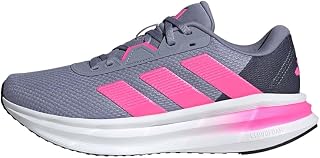


Choosing the right women's training shoes is about more than following the latest footwear trend. A good training shoe should match the way you exercise, the surfaces you train on, the amount of lateral movement involved, and the level of cushioning and stability you actually need. For shoppers in India, climate, indoor versus outdoor training, sizing availability, and value for money also deserve attention.
This independent buying guide explains what to look for when comparing the latest women's training shoes in 2026, including cushioning, stability, traction, upper construction, heel-to-toe drop, flexibility, durability, fit and intended use. It also explains how popular brands such as Nike, Adidas, Reebok, Puma, New Balance, ASICS, Under Armour and Skechers approach different training requirements, so you can compare specifications rather than choosing a pair solely because it looks fashionable.
Training shoes are designed for exercise sessions involving a combination of movements rather than a single repetitive activity. Depending on the model, they may be suitable for gym workouts, strength training, resistance exercises, circuit training, HIIT, functional fitness, studio classes, light cardio and everyday active use.
They are different from dedicated running shoes because training often involves side-to-side movement, quick changes of direction, short bursts of acceleration, squats, lunges and exercises where a stable platform is useful. A highly cushioned running shoe can be excellent for road running while feeling less controlled during certain gym exercises.
There is no universally best women's training shoe. The better choice depends on the activity. Someone primarily lifting weights has different requirements from someone attending dance fitness classes, performing HIIT workouts or combining treadmill running with resistance training.
The most useful footwear trends are not simply cosmetic. Many current training shoes increasingly focus on versatility, lightweight construction, improved cushioning, secure uppers and designs that transition between gym sessions and casual wear.
Versatility remains valuable for people who perform several types of exercise. A cross-training design can be practical when one workout includes warm-up cardio, strength exercises, machines and functional movements.
When comparing versatile shoes, look for a balance between cushioning and stability. Excessively soft foam may feel comfortable for walking but can make some strength exercises feel less planted.
Training shoes increasingly emphasise a broad and supportive base. A stable platform can help the shoe feel secure during movements such as squats, lunges, lateral drills and resistance exercises.
For strength-focused training, pay particular attention to the width and firmness of the midsole, the structure around the heel and how securely the upper holds the foot. More cushioning is not automatically better for lifting.
Breathable mesh is popular because training sessions can generate substantial heat, particularly in India's warmer months. A lightweight upper can also make the shoe feel less cumbersome during repeated movement.
However, breathability should not be considered in isolation. Very thin materials may provide less structure, while densely layered uppers may offer greater support at the cost of ventilation. The best balance depends on the workout and personal preference.
Training footwear needs traction that works across more than forward motion. The outsole pattern matters when workouts include lateral shuffles, pivots, lunges and quick directional changes.
For indoor gym use, inspect the outsole construction and tread pattern rather than assuming that a visually aggressive tread will provide better grip. For outdoor workouts, consider the surface separately because a sole designed primarily for smooth indoor flooring may behave differently on rough concrete or uneven surfaces.
Modern training shoes often attempt to balance impact protection with responsiveness. Cushioning can make jumping, cardio and longer sessions more comfortable, while a responsive platform can make repeated movements feel less sluggish.
The ideal sensation is subjective. A person who prioritises comfort may prefer a softer platform, whereas someone who performs strength and agility exercises may prefer a firmer, more controlled feel.
Many women's training shoes now have styling that works beyond the gym. Neutral colours, streamlined silhouettes and athletic-inspired designs can make a training shoe useful for commuting, walking and casual outfits.
That versatility is convenient, but everyday appearance should not replace functional evaluation. A fashionable sneaker is not necessarily an appropriate training shoe.
The most reliable way to choose a training shoe is to start with your workouts rather than the brand name or appearance. Before comparing individual models, identify the activities you perform most frequently.
If your routine centres on squats, resistance machines, free weights, lunges and other strength exercises, prioritise stability over maximum cushioning.
A heavily cushioned running shoe may feel comfortable but can be less suitable for exercises where you want a stable connection with the floor.
HIIT and functional workouts demand a different combination of characteristics. These sessions can involve jumping, lateral movement, short running intervals, squats, burpees and quick changes of direction.
If most of your exercise consists of treadmill walking, jogging, elliptical sessions and other cardio, cushioning and comfort become more important.
For substantial running mileage, however, a dedicated running shoe may be a better choice than a general cross-trainer. Training shoes are most useful when your workouts genuinely mix different movement patterns.
If you want one pair primarily for walking, commuting and occasional gym sessions, prioritise comfort, fit, breathable materials and cushioning. A versatile trainer can be practical for light exercise, but it should still provide sufficient support for your intended activities.
Studio workouts can involve rapid footwork, turns and lateral movement. A flexible forefoot and appropriate traction can be more important than maximum shock absorption.
A sole that grips too aggressively can sometimes make pivoting movements less comfortable, while insufficient traction can reduce confidence during fast movements. Consider the flooring used at your studio before buying.
Mesh is commonly used in performance footwear because it can provide ventilation while keeping the upper lightweight. Open or engineered mesh can be particularly useful for warm environments.
Potential drawbacks include reduced resistance to abrasion in areas that experience heavy wear and a less structured feel compared with reinforced synthetic panels.
Synthetic materials can reinforce high-stress areas and add structure around the toe, midfoot or heel. They may improve durability, but extensive overlays can reduce ventilation and increase weight.
Textile constructions can provide a comfortable, flexible fit and may be used in lifestyle-oriented training shoes. Evaluate the actual structure of the shoe rather than assuming that any particular textile automatically provides superior performance.
Rubber is widely used in performance footwear where traction and durability are important. The composition, thickness, tread pattern and coverage all influence how the shoe behaves.
Cushioning is one of the easiest features to notice but one of the easiest to misunderstand. More cushioning does not automatically mean a better training shoe.
Soft cushioning can provide a comfortable sensation during walking, cardio and impact-heavy activities. It may appeal to shoppers who prioritise underfoot comfort.
The trade-off is that a very soft platform can feel less stable during some strength exercises or lateral movements.
A firmer platform can provide a more controlled sensation during strength and functional workouts. Some users prefer this because it reduces the feeling of sinking into the midsole.
Responsive foam is designed to return energy as the foot moves. This characteristic can be useful during dynamic training, although the ideal level of responsiveness depends on the individual.
Heel-to-toe drop describes the difference in height between the heel and forefoot of a shoe. It can influence how the foot and lower leg interact with the ground.
Different training activities can make different drops feel preferable. A shopper should not select a shoe solely because its drop appears impressive on a specification sheet. Comfort, biomechanics, training style and familiarity with a particular geometry all matter.
If you are switching from one type of footwear to another, allow yourself time to become accustomed to a significantly different geometry rather than assuming it will feel immediately natural.
Stability is particularly important in training because the foot may move in several directions during one session. A stable shoe generally feels controlled and secure when the body moves across the platform.
Features that can contribute to a stable sensation include:
Stability should not be confused with medical support. A consumer training shoe is not a substitute for professional assessment when a person has persistent pain, an injury or a specific medical or biomechanical requirement.
Even a technically excellent shoe can perform poorly if it does not fit correctly. Foot shape varies considerably, and sizing can differ between brands and models.
Your toes should have enough room to move naturally without the foot sliding excessively inside the shoe. A cramped toe box can become particularly uncomfortable during long workouts.
The midfoot should feel secure without excessive pressure. If you have to overtighten the laces to stop your foot from moving, the shoe may not have the right shape for your foot.
The heel should remain reasonably secure while walking, squatting and changing direction. Excessive heel movement can be distracting and may indicate a poor fit.
Feet can change in volume throughout the day. When possible, compare sizing at a time when your feet are representative of how they feel during your normal training schedule.
Always check the individual brand's size chart and product-specific fit information before ordering online. Do not assume that your usual size in one brand will fit identically in another.
Climate should influence your choice, particularly if you train in warm or humid conditions. Breathability can become a significant comfort factor during summer workouts.
For hot indoor gyms, lightweight mesh uppers can be appealing. For outdoor training during monsoon conditions, traction and practical maintenance become more important. However, no ordinary training shoe should be treated as completely waterproof unless the manufacturer specifically describes it that way.
Humidity also means that allowing footwear to dry properly after use is important. Repeatedly storing damp shoes in an enclosed bag can contribute to unpleasant odours and material deterioration.
The same training shoe may not perform identically across every surface.
Indoor gym floors are often relatively smooth and require reliable grip without excessive bulk. A flexible, multi-directional outsole can be useful for functional training.
Outdoor hard surfaces place greater demands on outsole durability. If outdoor use is frequent, inspect the amount and placement of rubber and consider whether the shoe is designed for the surfaces you use.
Standard gym trainers are not necessarily suitable for wet grass, loose soil or rough terrain. If your training routinely moves onto trails or uneven ground, a purpose-built outdoor or trail shoe may be more appropriate.
One of the most common buying mistakes is treating training shoes and running shoes as interchangeable.
If you run several kilometres frequently, a dedicated running shoe deserves serious consideration. If you perform mixed workouts involving strength, cardio and lateral exercises, a training shoe may be more suitable.
Walking shoes can be comfortable for everyday movement but may not offer the lateral structure needed for demanding gym workouts. Training shoes are usually designed around a wider range of movement patterns.
If your routine consists almost entirely of walking, comfort and walking-specific construction may matter more than aggressive gym-oriented features. If you combine walking with strength training or classes, a versatile trainer can make more sense.
Brand selection should come after identifying your requirements. Different product lines within the same company can have substantially different constructions.
Nike offers a broad range of women's footwear across training, running and lifestyle categories. When comparing Nike training shoes, examine the specific model's intended activity, cushioning, outsole and fit rather than choosing solely on brand recognition.
Adidas produces athletic footwear covering gym training, running and everyday sports use. Its training options can vary significantly in cushioning, upper construction and platform geometry, making model-level comparison important.
Reebok has a long association with fitness-oriented footwear. Its training range is worth considering when gym use, functional exercise and versatile fitness sessions are the main priorities.
Puma offers women's performance and lifestyle footwear with options that can suit different combinations of training and everyday wear. Compare the outsole and upper construction carefully when choosing a gym-oriented model.
New Balance is known for offering footwear across running, walking and training categories, with a variety of fits and cushioning approaches. Shoppers who have difficulty finding a comfortable shape should pay particular attention to the available width and model-specific fit information.
ASICS is strongly associated with running footwear but also offers products for other fitness activities. Be careful not to assume that a running-oriented ASICS model is automatically the best choice for lateral gym training.
Under Armour offers performance footwear aimed at training and athletic activities. When evaluating a model, consider whether its platform is designed for your balance of strength, cardio and functional movement.
Skechers offers a broad selection of women's athletic and lifestyle footwear. Some models emphasise everyday comfort, while others are designed for specific performance uses. Check the stated purpose before choosing a pair for demanding training.
When two shoes appear similar, use a structured comparison rather than relying on appearance.
Online shoppers often encounter extensive specifications without knowing which ones actually matter. Start with the product's stated category and intended use, then examine the construction.
Manufacturers may describe different foam technologies using proprietary names. Instead of focusing only on the marketing term, consider the practical result: soft, firm, responsive, stable or lightweight.
Determine whether rubber covers the areas that are likely to experience high wear. Also inspect the tread pattern and intended surface.
Mesh, synthetic overlays, internal supports and padding can all affect fit. A lightweight upper may improve breathability while a more structured design can provide additional lockdown.
When weight is listed, use it as a comparison point rather than treating a lower number as automatically superior. A slightly heavier shoe can provide construction or stability features that are valuable for your particular workout.
A stylish shoe can still be poorly suited to your training. Colour and silhouette should be secondary to fit, function and intended use.
Maximum softness is not synonymous with maximum comfort during every exercise. Strength and lateral workouts can benefit from a more controlled platform.
Two shoes with identical nominal sizing can feel completely different because of differences in toe-box width, midfoot volume and heel shape.
Running shoes are excellent tools for running, but their geometry and cushioning may not be ideal for repeated lateral movements or heavy strength training.
International sizing conventions can vary. Always check the manufacturer's measurements and the current retailer listing before placing an order.
A shoe selected for an indoor gym may not be the best choice for frequent outdoor sessions. Surface, weather and traction requirements should be part of the buying decision.
Visible cosmetic wear is not the only sign that footwear has reached the end of its useful life. Loss of cushioning, reduced stability, outsole wear and changes in comfort can all indicate that replacement should be considered.
There is no single replacement schedule that applies to every athlete. Shoe lifespan depends on body weight, training frequency, exercise type, surface, shoe construction and how the footwear is maintained.
Inspect your shoes regularly for:
Frequent high-intensity training can wear footwear faster than occasional light exercise. Rather than relying on an arbitrary calendar date, assess the actual condition and performance of the pair.
Good maintenance can help preserve comfort and appearance.
Remove the shoes from a closed gym bag after a workout and allow them to dry naturally in a ventilated area.
Direct high heat can affect adhesives and synthetic materials. Allow wet footwear to dry naturally rather than using aggressive heat sources.
Different materials require different cleaning methods. Check the manufacturer's care guidance before using detergents, brushes or washing machines.
If one pair is used for every activity, it receives substantially more wear. Rotating footwear where practical can help you preserve the useful life of each pair.
The lowest listed price is not always the best value. Consider the expected use, construction, fit and durability alongside the purchase price.
Before buying, compare the current specifications of several models and check whether the shoe is genuinely designed for your activity. It can be more economical to buy a well-matched training shoe than an inexpensive pair that feels unsuitable and quickly gets replaced.
When shopping online, compare the exact model name, model number where available, size chart, colour variant, seller information, customer feedback and current return conditions. Retail listings can change, so verify the details shown on the page immediately before purchase.
Customer reviews can provide useful information, but they should be interpreted carefully. Look for recurring comments rather than treating one unusually positive or negative review as decisive.
Useful review signals include repeated observations about:
Also distinguish between reviews discussing the exact model and reviews that appear to refer to a different version, colour, generation or product variant.
An all-round trainer should avoid being excessively specialised. It should offer enough cushioning for cardio, enough stability for basic strength exercises, enough flexibility for functional movement and enough traction for common gym surfaces.
This balance is particularly useful for people who do not follow a single training discipline. If your weekly routine includes treadmill walking, machines, dumbbells, bodyweight exercises and occasional HIIT, versatility may be more valuable than maximising one individual specification.
A versatile trainer has limits. Consider a specialist shoe when one activity dominates your routine.
The more specialised the activity, the less sensible it becomes to expect one general-purpose training shoe to do everything equally well.
A useful shortlist does not need to contain dozens of models. Start with approximately three to five shoes that match your primary activity and then compare them on the factors that matter most.
The best option depends on your workout, foot shape, preferred cushioning, required stability and budget. There is no single model that is ideal for every woman. Compare shoes from established brands such as Nike, Adidas, Reebok, Puma, New Balance, ASICS, Under Armour and Skechers according to the activities you perform most often.
Training shoes can work well for short running intervals or mixed gym sessions. If running is your primary activity or you regularly cover substantial distances, a dedicated running shoe is generally worth considering because it is designed specifically around repetitive running movement.
Many training shoes can be suitable for general strength training, particularly when they provide a stable base and secure fit. However, people focused heavily on specialised weightlifting may prefer footwear designed specifically for that discipline.
No. Price does not automatically determine whether a shoe is appropriate. Fit, stability, cushioning, traction, durability and intended use are more useful comparison criteria. A less expensive model that matches your workout can be a better choice than a premium shoe designed for a different activity.
For most shoppers, the most important feature is the combination of correct fit and suitability for the intended workout. A technically advanced shoe that does not fit correctly or does not match the training activity is unlikely to be a good purchase.
They should feel secure but not painfully tight. The heel and midfoot should remain controlled while the toes should have appropriate room. If you experience pressure, numbness or persistent rubbing, reconsider the size or shape.
Many can, particularly versatile models with comfortable cushioning. However, frequent daily walking adds wear, so consider whether you want your main training shoes to double as everyday footwear.
Breathable mesh can be useful in warm conditions because it allows more airflow than some heavily layered constructions. The ideal upper still depends on the specific workout, environment and level of support you require.
Do not choose solely by brand. Compare the exact models for fit, training purpose, cushioning, stability, traction, upper construction and current value. Brand preference can be a useful starting point, but model-level specifications are more informative.
Look for a secure heel, controlled midsole, appropriate platform width and an upper that prevents excessive foot movement. If possible, evaluate how the shoe feels during the movements you actually perform rather than judging stability from appearance alone.
Online shopping can be convenient, but check the exact model, size chart, seller details, customer feedback and current return or exchange conditions first. If you are unfamiliar with the brand or have difficult-to-fit feet, buying from a retailer with suitable return terms can reduce sizing risk.
Use them for their intended activity, keep them ventilated after workouts, clean them according to manufacturer guidance, avoid unnecessary exposure to extreme heat and inspect the outsole and midsole regularly for signs of deterioration.
The latest women's training shoe trends in 2026 are most useful when they solve a real training need. Lightweight uppers, improved cushioning, stable platforms, flexible forefoots and versatile styling can all be valuable, but no feature should be evaluated in isolation.
For Indian shoppers, the strongest buying decision combines workout type, foot shape, fit, climate, surface, cushioning preference, stability requirements and budget. Compare exact models from reputable brands, verify current specifications, read relevant customer feedback and check today's retailer pricing before purchasing.
Most importantly, choose the shoe for the activities you actually perform. A balanced cross-trainer can be an excellent choice for mixed gym sessions, while dedicated running, lifting or sport-specific footwear may be the smarter investment when one activity dominates your routine.