

♥ Wishlist


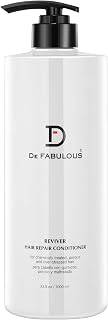


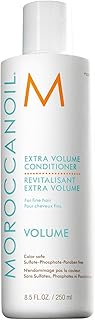


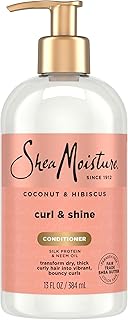


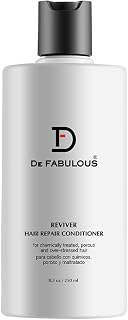


Hair conditioner is an important part of a practical hair care routine. Shampoo helps cleanse the scalp and hair, while conditioner is generally used afterwards to improve softness, smoothness and manageability. The right product can make hair easier to detangle, reduce the feeling of dryness and leave the lengths feeling more comfortable after washing. When shopping for conditioner in India, consider your hair type, everyday concerns and how frequently you wash your hair rather than choosing a product based only on packaging or fragrance.
Hair behaves differently depending on its texture, thickness, porosity, chemical treatments and exposure to heat or environmental conditions. Fine hair may benefit from a lightweight conditioner that does not leave the lengths feeling heavy. Dry or coarse hair may suit richer formulas designed to provide a softer, conditioned feel. Curly and wavy hair often needs extra attention to moisture and manageability, while frizzy hair can benefit from a conditioner that helps the strands feel smoother. If your hair is coloured, chemically treated or frequently heat-styled, look for a formula intended for that specific routine.
Dry and frizzy hair can feel rough, tangled or difficult to style. A conditioning product can help improve slip and make detangling easier. Apply conditioner mainly through the mid-lengths and ends, where dryness is often more noticeable. Avoid using excessive amounts, especially if your hair is fine or becomes oily quickly.
Regular colouring, straightening, curling and heat styling can affect the look and feel of hair. A conditioner formulated for damaged or treated hair can be a useful addition to a maintenance routine. Look for products that focus on conditioning, softness and manageability, and follow the directions supplied on the packaging.
After shampooing, rinse the hair thoroughly and remove excess water. Apply an appropriate amount of conditioner to the lengths and ends. Gently distribute it through the hair, avoiding unnecessary application directly onto the scalp unless the product specifically instructs you to do so. Leave it on for the recommended time and rinse thoroughly. Using too much product does not necessarily provide better results, so start with a moderate amount and adjust according to your hair length and thickness.
Before choosing a conditioner, identify the main purpose you want it to serve. If your priority is everyday softness, a general conditioning formula may be suitable. For specific concerns, such as dryness, frizz, curls, colour-treated hair or breakage caused by styling, explore products formulated around those needs. Consider the product size as well, particularly if conditioner is part of your regular routine. Larger bottles can be convenient for frequent use, while smaller packs can be useful when trying a new formula.
Read the product description and ingredient information where available. Different conditioners can contain moisturising, smoothing, strengthening or other conditioning ingredients. Individual results can vary, so select a product based on your hair's characteristics and your personal preferences. If you have a known sensitivity to a cosmetic ingredient, review the label carefully before purchase.
People who wash their hair frequently may prefer a conditioner suited to regular use, while those who wash less often may look for more intensive conditioning. Your local climate can also influence how your hair feels. Humidity, heat, pollution and seasonal changes may affect frizz and dryness, making it useful to reassess your hair care products as your routine changes.
A straightforward routine can make hair care easier to maintain. Start with a shampoo appropriate for your scalp and hair needs, followed by conditioner through the lengths. Depending on your hair type, you may also use a hair mask or leave-in product occasionally. Avoid introducing too many products at once if you are trying to understand what works for your hair. Consistency and correct application are often more useful than using a large number of products.
Finding a suitable conditioner is about matching the product with your hair rather than simply choosing the most popular option. Compare formulations, pack sizes, intended hair types and product directions before making a decision. Whether you need everyday conditioning or a formula aimed at a particular hair concern, exploring different options can help you build a more practical routine. For Indian shoppers, factors such as climate, washing frequency and styling habits can all be useful considerations when selecting a conditioner.
Shampooing can leave the hair feeling less smooth immediately after cleansing. Conditioner is designed to provide a conditioning step that can improve the feel and manageability of the hair. It can be especially helpful for longer hair, which may be more prone to tangling at the ends. Using the right amount and rinsing properly can help maintain a comfortable balance without making the hair feel unnecessarily weighed down.
There is no single conditioner that is ideal for every person. Hair texture, scalp characteristics, styling habits and personal preferences all influence the best choice. Focus on your primary hair concern and select a formula designed for that need. With the right product and consistent application, conditioner can become a simple and useful part of an everyday hair care routine.
Find the right hair conditioner to complement your everyday hair care routine. Whether your hair is dry, frizzy, damaged, coloured or difficult to manage, a suitable conditioner can help improve softness, detangling and overall manageability. Explore conditioner options with different formulations and choose one that fits your hair type, concerns and styling routine.