

♥ Wishlist
Compare 59 verified Chronograph Watches products in India. Reviews, ratings, pros, cons and buying advice updated for October 2026.


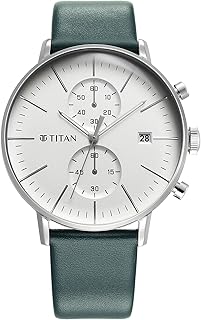


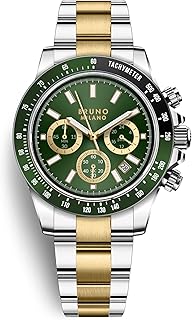


Chronograph watches remain one of the most versatile categories in contemporary watchmaking because they combine everyday timekeeping with stopwatch functionality and a distinctive instrument-inspired appearance. In India, the latest chronograph trends for 2026 span everything from compact dress-oriented watches and vintage-inspired designs to oversized sports models, racing-style dials, multifunction quartz watches and more refined automatic chronographs.
For buyers comparing chronograph watches in India, the most important decision is not simply which dial looks most impressive. Case diameter, movement type, chronograph layout, readability, water resistance, crystal material, strap construction, servicing requirements and intended use can all make a meaningful difference. A good-looking chronograph that is uncomfortable, difficult to read or unnecessarily complicated may be less practical than a simpler model with better proportions and clearer controls.
This guide explains the major chronograph trends of 2026 and the specifications worth comparing before purchasing. It is designed for shoppers researching watches from established brands such as Casio, Timex, Titan, Fossil, Seiko, Citizen, Tissot, Orient, Emporio Armani and other recognised manufacturers. Brand availability, specifications and prices can vary, so shoppers should verify the current product information and retailer details before ordering.
A chronograph is a watch with an integrated stopwatch function. In a conventional chronograph, pushers positioned around the crown control the timing mechanism, while one or more sub-dials display elapsed seconds, minutes or hours. The main hands continue to perform the normal timekeeping function while the chronograph mechanism measures a separate interval.
The defining feature is therefore functionality rather than appearance. A watch does not become a chronograph simply because it has several small sub-dials. Buyers should check the manufacturer's specifications to confirm that the watch has an actual stopwatch function.
Chronographs can use quartz, solar-powered quartz, mechanical automatic or hand-wound movements. Quartz versions are often selected for accurate everyday timekeeping and relatively straightforward ownership, while mechanical chronographs appeal to buyers who value traditional watchmaking and mechanical construction.
Motorsport-inspired chronographs continue to influence modern watch design. Typical characteristics include tachymeter-style scales, contrasting sub-dials, bold indexes, perforated or textured straps and strong visual separation between the hands and dial markings.
These watches can be especially appealing to buyers who want a sporty statement piece. However, visual complexity should not be confused with practical readability. A racing-style dial should still provide clear primary time indications and easily identifiable chronograph hands.
Another important direction is the return of vintage proportions and historical design cues. Cream or off-white dial tones, domed crystals, slim bezels, applied markers and restrained case dimensions can create a retro appearance without requiring an antique watch.
Vintage-inspired chronographs can work particularly well with casual clothing, denim, smart-casual outfits and traditional analogue watch collections. Buyers should nevertheless distinguish between genuine historical models and modern watches that simply borrow vintage styling.
Contemporary chronographs increasingly borrow design language from sport-luxury watches. Cases may flow visually into the bracelet, creating a continuous profile around the wrist. Brushed and polished surfaces are often combined to add depth without relying on excessive decoration.
This style can make a chronograph look more refined and versatile, but bracelet construction deserves close inspection. The quality of links, clasp adjustment, finishing and wrist articulation can influence comfort substantially.
Oversized watches remain available, but buyers should not assume that a larger case is automatically more impressive. More moderate case sizes can offer improved comfort and easier pairing with office clothing, formal shirts and everyday outfits.
When comparing dimensions, look beyond the advertised diameter. Lug-to-lug length, thickness, lug shape and bracelet width can have a greater effect on how large a watch feels on the wrist.
Modern chronographs frequently use contrasting sub-dials, applied markers, textured backgrounds and multiple finishing techniques. These elements create visual depth and help establish a technical aesthetic.
For practical use, contrast should support legibility rather than overwhelm it. Buyers should examine whether the primary hour and minute hands remain easy to distinguish when the chronograph is running.
Solar-powered quartz technology is an increasingly attractive choice for buyers who want low-maintenance ownership. Depending on the movement and model, the watch can use light energy to maintain its power reserve instead of relying exclusively on frequent conventional battery replacement.
Solar charging does not mean that maintenance is unnecessary. Seals, crystal, bracelet, pushers and the movement itself can still require professional attention over the life of the watch.
Not every modern chronograph follows a busy instrument-panel design. Minimalist models use restrained sub-dials, simple indices and carefully controlled typography to create a cleaner appearance.
This approach can be particularly useful for buyers who want chronograph functionality but intend to wear the watch in professional environments. A cleaner dial may also be easier to read at a glance.
Quartz chronographs are powered by an electronic movement regulated by a quartz oscillator. They are generally valued for accurate timekeeping, straightforward operation and convenient everyday ownership.
Automatic chronographs use a mechanical movement that can wind itself through the motion of the wearer's wrist. They are more mechanically complex than quartz watches and are often chosen by enthusiasts who appreciate traditional watch engineering.
Neither movement type is universally better. A quartz chronograph can be the more sensible choice for someone who wants an accurate, low-fuss everyday watch, while an automatic chronograph can be more appealing to a collector or enthusiast interested in mechanical craftsmanship.
Sub-dials are one of the defining visual characteristics of a chronograph, but their exact functions differ between movements.
Do not assume that every sub-dial is a stopwatch counter. Some fashion-oriented watches use multiple decorative or multifunction displays, and the manufacturer's specifications should be checked to understand exactly what each dial performs.
A tachymeter scale is commonly associated with chronographs and motorsport-inspired watches. On compatible chronographs, the scale can be used to calculate speed over a known distance by measuring elapsed time.
For most everyday users, the tachymeter is primarily a design feature rather than an essential tool. Its presence can nevertheless contribute to the classic racing-watch appearance that makes chronographs visually distinctive.
Buyers should not select a watch solely because it has a tachymeter. If the scale makes the dial difficult to read, a simpler design may offer better everyday usability.
Case diameter is one of the most visible specifications, but it should never be considered in isolation. A 42 mm watch with short lugs can wear very differently from another 42 mm model with long, straight lugs.
Case thickness is particularly important for chronographs because the additional mechanism can increase the overall height. Before buying online, compare diameter, thickness and lug-to-lug measurements whenever those specifications are available.
A comfortable watch should sit securely without excessive movement. The lugs should not extend dramatically beyond the wrist, and the strap or bracelet should allow enough adjustment to prevent the case from sliding around.
For online purchases, measuring the wrist circumference can provide a useful reference. However, wrist shape matters too. Two people with the same circumference can experience different fit because one wrist may be flatter while another is more rounded.
Watch thickness should also be considered. A tall chronograph can catch against clothing or feel top-heavy, especially when paired with a rigid bracelet.
Sapphire crystal is highly resistant to everyday scratching and is commonly associated with premium watches. It is a strong choice for buyers who expect frequent wear and want long-term visual clarity.
Mineral crystal is widely used in watches across different price categories. It can provide a practical balance between cost and everyday durability, although it is generally more susceptible to scratching than sapphire.
Acrylic-type crystals are associated with many vintage-inspired designs. They can develop scratches more readily, but minor marks can sometimes be treated or polished depending on the material and construction.
When comparing watches, do not evaluate crystal material independently of the intended use. A desk-worn dress chronograph and a frequently worn travel watch can have very different durability requirements.
Surface finishing is also important. Brushed surfaces tend to create a more understated technical appearance, while polished surfaces reflect more light and can make the watch look dressier.
Metal bracelets provide a structured appearance and can work across casual and formal settings. Their comfort depends heavily on link construction, clasp design and adjustability.
Leather can give a chronograph a more traditional or dress-oriented character. It may be especially suitable for office wear and occasions where a sporty metal bracelet feels too casual.
Rubber and silicone-style straps are commonly associated with sports watches. They can be practical for active use and are generally easy to wipe clean, although comfort and material quality vary.
Fabric straps can reduce weight and create a relaxed appearance. They are useful for casual styling but may require more frequent cleaning if worn in hot and humid conditions.
Water resistance should be treated as a specification rather than an invitation to expose a watch to water without limits. Ratings can indicate the level of resistance under controlled conditions, while real-world activities introduce movement, pressure and temperature changes.
The pushers positioned around the crown are central to the chronograph experience. A traditional arrangement typically includes a start/stop pusher and a reset pusher, although the exact configuration varies by movement.
Look for pushers that are easy to identify and operate without accidentally changing other settings. Oversized pushers can suit sporty designs, while smaller integrated pushers may create a cleaner appearance.
Chronograph dials naturally contain more information than simple three-hand watches. This makes legibility an important buying criterion.
Dark-on-dark or heavily textured designs can look sophisticated in photographs but may be harder to read under ordinary indoor lighting. Product images should therefore be supplemented with detailed specifications and customer photographs where available.
The accuracy of the timekeeping function depends primarily on the movement rather than the presence of a chronograph complication. Quartz movements are generally selected by buyers who prioritise consistent precision, while mechanical movements have different accuracy characteristics and can vary with position, wear and other conditions.
Buyers should distinguish between the accuracy of the ordinary timekeeping function and the precision of the stopwatch display. A chronograph's usefulness depends on how the movement is designed and what timing resolution it provides.
When comparing several models, create a simple specification checklist rather than judging the watches from photographs alone.
A moderately sized chronograph with a restrained dial, polished or mixed-finish case and leather or refined metal bracelet can provide a professional appearance. Avoid unnecessary visual clutter if the watch will be worn regularly with formal shirts.
A stainless-steel chronograph offers flexibility with jeans, polos, shirts and casual footwear. A neutral dial such as black, white, silver or blue can be easier to coordinate with different outfits.
Look for strong case geometry, high-contrast markers, robust pushers and a suitable water-resistance specification. Rubber or silicone-style straps can reinforce the sports aesthetic.
Consider smaller proportions, domed crystal profiles, warm dial colours, traditional typography and leather straps. These details can deliver vintage character without requiring an actual vintage watch.
Movement architecture, calibre information, serviceability, finishing and mechanical construction may matter more than fashion trends. Automatic chronographs can be especially interesting for enthusiasts who enjoy the engineering behind the complication.
Buyers researching the Indian market can compare offerings from established watch and fashion brands rather than limiting their search to a single manufacturer. Casio is widely recognised for practical quartz and multifunction watches, while Timex offers a broad selection of classic and contemporary designs. Titan is particularly relevant to Indian shoppers looking for watches across formal, casual and fashion-oriented categories.
Fossil and Emporio Armani are worth considering for buyers who place strong emphasis on fashion styling. Seiko and Citizen provide additional options for shoppers interested in established watchmaking brands and movement technology. Tissot can be relevant to buyers researching Swiss-made chronographs, while Orient is another established name for shoppers comparing mechanical watches.
The best brand depends on the buyer's priorities. Brand reputation alone should not replace specification-level comparison, particularly when comparing watches with different movements, case sizes and intended uses.
At the entry level, quartz models can provide the most straightforward combination of functionality and affordability. Buyers should prioritise reliable movement specifications, clear dials, comfortable straps and credible after-sales support through the manufacturer or authorised channels.
Mid-range watches may provide improvements in case finishing, bracelet construction, crystal materials, movement quality and overall design refinement. At this level, it becomes increasingly useful to compare the complete specification rather than focusing solely on brand recognition.
Premium chronographs can justify their positioning through mechanical movements, specialist complications, refined finishing, higher-grade materials and detailed engineering. Buyers should investigate the movement calibre, service requirements and long-term ownership considerations before making a substantial purchase.
Photographs can make a watch appear attractive without communicating its weight, thickness, comfort or dial readability. Always check dimensions and construction details before purchasing.
Chronographs can be thicker than conventional watches because of the additional mechanism. A watch may have an acceptable diameter but still feel bulky because of its height.
Some watches use multifunction displays while others use genuine chronograph counters. Confirm the functions rather than interpreting the dial layout from photographs.
The strap is in direct contact with the wrist, so its material and adjustment system have a major effect on comfort. A strong case paired with an uncomfortable strap can reduce the overall experience.
A very large chronograph can overwhelm a smaller wrist, while an unusually compact model may not deliver the visual presence some buyers want. Wrist dimensions should be considered alongside personal style.
Mechanical chronographs require more specialised servicing than basic quartz models. Even quartz watches eventually require battery, seal, strap or other maintenance depending on construction and usage.
Water resistance is not necessarily a lifetime guarantee. Seals can age and servicing or case opening can affect protection. Follow the manufacturer's instructions and have the watch checked when appropriate.
Customer reviews can provide useful information, but they should be interpreted carefully. A review saying that a watch is "too big" is subjective unless the reviewer provides wrist dimensions or comparable watches. Similarly, comments about accuracy should be evaluated in the context of the movement type.
Look for recurring themes rather than isolated comments. Multiple independent buyers mentioning the same issue can be more informative than one unusually positive or negative review.
Regularly wiping the exterior with an appropriate soft cloth can help remove sweat, dust and surface residue. The cleaning method should be appropriate for the case and strap material.
Even scratch-resistant crystals should not be treated as indestructible. Avoid placing the watch directly against abrasive surfaces when it is not being worn.
Chronograph pushers should be operated according to the manufacturer's instructions. In particular, do not assume that a chronograph's pushers are safe to operate underwater simply because the watch has a water-resistance rating.
If an automatic chronograph is not worn for an extended period, follow the manufacturer's recommendations for storage and winding. Avoid extreme temperatures, strong magnetic environments and unnecessary impacts.
Straps experience regular contact with sweat, moisture and friction. Replacing a worn strap can improve both comfort and security and can also refresh the appearance of an older chronograph.
Chronographs naturally have a sporty and technical character, but styling depends heavily on the case, dial and strap. A steel-bracelet chronograph can work well with casual shirts and denim, while a leather strap can make the same general watch category feel more formal.
For business settings, restrained dial colours and moderate case sizes are usually easier to integrate into a wardrobe. For weekend or casual wear, stronger contrasts, racing-inspired details and larger cases can create a more noticeable accessory.
When wearing a chronograph with formal clothing, consider whether the case thickness fits comfortably beneath the shirt cuff. This practical detail is often overlooked when buyers focus exclusively on dial design.
A standard three-hand analogue watch is generally simpler and may be easier to read immediately. A chronograph provides additional timing functionality but introduces more visual and mechanical complexity.
For buyers who rarely use the stopwatch function, the chronograph should be selected primarily because they appreciate the design and are comfortable with the additional complexity.
A chronograph and smartwatch serve very different purposes. A smartwatch can provide digital notifications, health-related features, apps and connected functions, while a traditional chronograph focuses on analogue timekeeping and stopwatch operation.
Traditional watches can be preferable for buyers who want a device that complements formal clothing without notifications or charging routines. Smartwatches can be more appropriate for buyers who value connectivity and digital functionality.
A chronograph is designed around timing functionality, whereas a dive watch is designed around underwater timing and water-resistance requirements. Some watches combine both concepts, but buyers should not assume that a chronograph automatically has the characteristics required for diving.
If water-related activities are a primary use case, check the manufacturer's specific water-resistance and usage guidance instead of relying on the presence of a sporty appearance.
India's varied climate makes practical ownership considerations particularly relevant. Heat, humidity, perspiration, dust and monsoon moisture can affect straps and exterior surfaces differently depending on the materials used.
Value is not necessarily the same as the lowest price. A better approach is to compare what the watch provides for the money: movement, materials, dimensions, crystal, finishing, bracelet quality, water resistance and long-term service considerations.
Two watches with similar prices can have very different priorities. One may spend more of its specification budget on a premium bracelet and case finishing, while another may focus on movement technology or a distinctive design.
Before ordering, compare the current price across reputable retailers and check whether the exact model number, colour and configuration match. Prices and promotions can change, so current retailer information should always take precedence over older buying guides.
The strongest chronograph choices balance appearance with practical specifications. A fashionable dial is useful, but it should be supported by comfortable dimensions, dependable movement technology, sensible construction and a strap or bracelet suited to the intended environment.
For many Indian buyers, quartz chronographs remain compelling because they are convenient and straightforward. Solar-powered models can further reduce routine battery-related maintenance. Mechanical chronographs appeal more strongly to enthusiasts who appreciate traditional movement construction and are comfortable with additional servicing considerations.
The best choice ultimately depends on how the watch will be used. A compact chronograph for office wear has different priorities from a large racing-inspired model intended as a weekend statement piece.
There is no single best chronograph for every buyer. The right choice depends on budget, wrist size, movement preference, intended use, design preference and maintenance expectations. Compare the exact specifications and current retailer information before choosing.
Yes, many chronographs are suitable for everyday use. Quartz models are particularly convenient, while mechanical chronographs can be excellent daily watches when their thickness, servicing requirements and care needs suit the owner.
Quartz is generally the practical choice for buyers who prioritise convenience and consistent timekeeping. Automatic is more attractive to buyers who value mechanical craftsmanship and traditional watch engineering.
No. A higher price can reflect movement complexity, materials, finishing or brand positioning, but the most suitable watch is the one whose specifications match the buyer's needs. Comparing movement, dimensions, crystal, construction and usability is more informative than price alone.
Choose a size that suits both your wrist and the way you dress. Diameter should be considered together with lug-to-lug length and thickness because these dimensions determine how the watch actually wears.
Basic chronograph operation is usually straightforward: one pusher starts and stops timing and another resets it, depending on the movement. More advanced chronographs can have additional functions, so buyers should read the manufacturer's operating instructions.
Many quartz chronographs use batteries, although solar-powered quartz models can recharge through light. Automatic and mechanical chronographs use mechanical movements rather than conventional electronic batteries for their primary operation.
Only if the specific watch's water-resistance specification and manufacturer's instructions permit swimming. Do not assume that a chronograph is suitable for swimming simply because it has a water-resistance rating.
The small dials can display elapsed chronograph minutes or hours, running seconds or other functions depending on the movement. Always check the manufacturer's specifications because layouts differ between models.
No. A tachymeter can provide a specialised speed-measuring function on compatible chronographs, but most everyday buyers select it for the classic racing-watch appearance rather than frequent practical use.
A moderately sized model with a clean dial, restrained finishing and leather or refined metal bracelet is generally easier to pair with formal clothing than a very large sports chronograph with highly contrasting colours.
Casual wear allows greater flexibility. Stainless-steel bracelets, sporty rubber straps, racing-inspired dials and stronger colour contrasts can all work well depending on personal style.
Compare the exact model number, movement, case dimensions, crystal, water resistance, strap or bracelet, chronograph functions and current price. Customer reviews can provide additional insight into comfort and usability, but specifications should remain the foundation of the comparison.
The latest chronograph trends for 2026 are broad enough to accommodate very different preferences. Racing-inspired designs remain a natural choice for buyers who want an assertive sports aesthetic, while vintage-inspired models provide a more understated character. Solar quartz models can appeal to convenience-focused users, and automatic chronographs remain attractive to mechanical-watch enthusiasts.
Rather than searching for one universally superior chronograph, compare the watches according to the factors that genuinely affect ownership: movement, proportions, readability, materials, strap comfort, water resistance, maintenance and intended use. That approach makes it easier to identify a chronograph that remains useful beyond the initial appeal of its design.
For an India-focused purchase decision, always verify the latest specifications, current pricing, retailer terms and model availability immediately before ordering, because these details can change during 2026.
Which comparison would help you most next: budget-wise chronographs, best brands, or quartz vs automatic?