

♥ Wishlist
Compare 65 verified Sports Watches for Active Lifestyles products in India. Reviews, ratings, pros, cons and buying advice updated for October 2026.


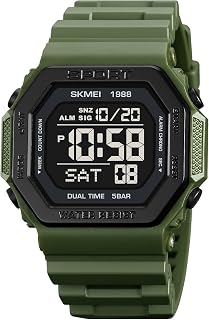


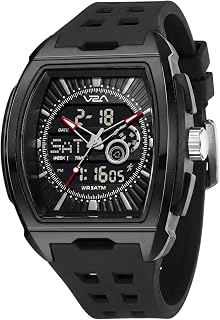


Choosing a sports watch in India is no longer simply a question of selecting a digital watch with a stopwatch. Modern sports watches can combine workout tracking, GPS navigation, heart-rate monitoring, training analysis, sleep information, smartphone notifications, recovery insights and everyday smartwatch functions. The right choice depends on how you train, how often you exercise, the sports you participate in, your smartphone ecosystem and how much battery life you need between charges.
For buyers comparing the latest sports watches in 2026, it is useful to separate genuine performance requirements from features that look impressive on a specification sheet but may not matter during everyday use. A recreational runner may prioritise accurate GPS, comfortable fit and battery life, while a multisport athlete may need structured workouts, navigation, training-load metrics and reliable operation across several activities.
There is no single sports watch that is automatically best for every Indian buyer. The strongest options tend to fall into different categories, with brands such as Garmin, Apple, Samsung, COROS, Polar, Suunto, Amazfit, Huawei, Fitbit and Noise offering products aimed at different combinations of sports, smartwatch features, battery life and budgets.
These brands should not be treated as interchangeable. Before choosing one, compare the exact model's specifications, supported activities, smartphone compatibility, battery claims, sensors, software features, water resistance rating and current retailer information.
A good sports watch should match the user's actual training habits. More sensors and more software do not automatically make a watch better. A useful sports watch should be comfortable enough to wear throughout the intended activity, provide the measurements relevant to that activity and present information clearly enough to be useful during training.
For most buyers, the most important areas to evaluate are GPS performance, heart-rate monitoring, activity support, battery life, display readability, physical durability, water resistance, comfort, smartphone compatibility and the quality of the companion application.
GPS is one of the most important differences between a basic fitness smartwatch and a dedicated sports watch. Runners, cyclists, hikers and outdoor athletes can use location tracking to record distance, pace, routes and elevation-related information.
When comparing GPS specifications, do not look only for the phrase “GPS”. Check whether the watch supports multiple satellite systems, whether it offers advanced positioning modes and whether route navigation is available on the particular model. A watch intended for city running may have different requirements from one used for mountain hiking or long-distance cycling.
Wrist-based optical heart-rate sensors are now common across sports watches, but buyers should understand that sensor design and software processing vary between models. Heart-rate information can be useful for monitoring workout intensity, tracking trends and understanding training sessions.
For casual exercise, a built-in optical sensor may be sufficient. Athletes who require highly responsive heart-rate measurements during demanding intervals, cycling sessions or other activities may want to investigate whether the watch supports an external chest strap or another compatible sensor.
A watch with dozens or hundreds of activity modes is not necessarily better than one with fewer, well-designed profiles. Consider whether the sports you actually perform are supported and whether the corresponding mode records useful information.
For serious training, investigate more than the number of modes. Structured workouts, interval programming, training plans, workout history, recovery information and sport-specific metrics can be considerably more valuable.
Battery life is one of the most important buying considerations because advertised endurance can vary substantially depending on how a watch is used. Always distinguish between everyday smartwatch battery estimates and battery life while continuously recording GPS activities.
A watch may last substantially longer when notifications and advanced sensors are used sparingly than when GPS, music, high-brightness display settings and continuous health monitoring are active.
For marathon runners, hikers, cyclists and travellers, GPS endurance can be more important than the headline smartwatch battery figure. For casual gym users, a shorter battery life may be acceptable if the watch provides other features they value.
Display technology affects readability, battery consumption and the overall character of a sports watch. Bright AMOLED displays can offer strong contrast, vivid colours and an attractive smartwatch experience. Other display technologies may prioritise outdoor readability and power efficiency.
There is no universal winner. If your priority is a premium-looking screen for notifications, watch faces and everyday use, display quality may be especially important. If your watch will spend long periods recording outdoor activities, visibility in direct sunlight and battery efficiency may deserve greater attention.
Touchscreens are convenient for navigating menus, reading notifications and changing settings. However, physical buttons can be easier to operate while running, cycling, swimming or exercising with sweaty hands.
For a sports-first watch, button placement and tactile controls deserve more attention than they usually receive. A good interface should allow you to start, pause, mark laps or change screens without repeatedly looking down at the watch.
Water resistance should be evaluated according to the manufacturer's stated rating and intended use rather than treated as a simple “waterproof” label. Swimming, showering, rain exposure and high-pressure water are not necessarily equivalent conditions.
If you intend to swim with the watch, check whether the exact model supports pool or open-water swimming and review the manufacturer's guidance for water exposure. Also consider whether physical buttons can be used during swimming and whether the watch provides meaningful swim metrics.
Material choices affect weight, durability, comfort and long-term appearance. A lightweight case can be preferable for running and sleeping, while more robust construction may appeal to hikers and outdoor users.
The type of glass can affect scratch resistance, optical clarity and overall durability. When comparing models, investigate whether the display uses mineral glass, chemically strengthened glass, sapphire or another protective material. Sapphire is generally valued for scratch resistance, while other materials may be selected to balance cost, weight and durability.
The strap is easy to overlook when comparing specifications, but it directly affects how often a watch is comfortable to wear. Silicone and similar sport-oriented materials can be practical for exercise, while fabric or other alternatives may be more appealing for extended everyday wear.
Check the strap width, attachment system, replacement availability and whether third-party compatible straps are supported. A replaceable strap can extend the practical life of a watch by allowing the wearer to change the fit or material.
The latest sports watches often overlap with conventional smartwatches, but the two categories still have different priorities. A smartwatch may emphasise calls, notifications, apps, payments and a polished touchscreen interface. A dedicated sports watch may prioritise workout controls, GPS endurance, training data and outdoor usability.
Decide which experience matters more before comparing models.
Smartwatch compatibility should be checked before purchase. Some watches work across both Android and iOS with varying feature sets, while others are designed primarily around one smartphone ecosystem.
Do not assume that Bluetooth connectivity means every feature will work equally across phones. Review compatibility for notifications, calls, messaging, music control, applications, synchronisation, health data and other functions that matter to you.
Sports watches can provide a wide range of health and wellness measurements, but buyers should distinguish between tracking features and medical diagnosis. Consumer wearable measurements can be useful for personal trends and fitness insights, but they should not automatically be treated as medical-grade measurements.
Depending on the model, features may include heart-rate monitoring, sleep tracking, activity tracking, stress-related metrics, blood oxygen estimates, breathing exercises and other wellness functions. Availability varies by device, region and software version.
If you plan to wear a watch overnight, comfort becomes particularly important. A lightweight design, breathable strap and unobtrusive case can make a substantial difference to whether you consistently wear the device while sleeping.
When comparing sleep features, look beyond a single sleep score. Consider whether the platform provides sleep duration, sleep stages, overnight trends and useful historical information, while remembering that consumer sleep tracking is an estimation rather than a substitute for clinical assessment.
For regular athletes, the most valuable sports-watch features may appear after the workout rather than during it. Training history can help users understand consistency, workload and performance trends.
Depending on the platform, training tools may include:
These metrics can be useful when interpreted in context. A single daily score should not be treated as an absolute measure of fitness. Trends across weeks and months are generally more informative than isolated readings.
The answer depends on the sport. A runner who carefully follows pace and distance may place greater importance on GPS behaviour, while someone training by heart-rate zones may care more about heart-rate responsiveness.
Cyclists may want compatibility with external sensors, while hikers may prioritise navigation and elevation information. Swimmers may care more about stroke-related metrics and water resistance than conventional GPS performance in a pool.
Instead of asking which watch has the “best sensors,” identify the measurements that influence your training decisions and compare those first.
A larger watch can provide a larger display and potentially make information easier to read during exercise, but a bulky case may be uncomfortable for smaller wrists or overnight wear.
Consider the physical dimensions as carefully as the screen size. A watch that looks impressive in product photographs may feel unnecessarily large during sleep, strength training or daily office use.
Runners should focus on GPS performance, pace and distance tracking, heart-rate monitoring, interval workouts, training history and battery life. If you participate in races, navigation, structured training and long-distance GPS endurance may become more important.
For casual runners, paying a premium for advanced navigation or specialist endurance features may not provide much practical benefit. A comfortable watch with dependable GPS and easy-to-read workout screens can be a better fit.
Gym users often need different features from runners. Workout recording, heart-rate tracking, exercise recognition, timers and general activity monitoring can be more useful than advanced mapping.
Physical buttons may also be valuable because touchscreens can be awkward when hands are sweaty or when performing exercises that require frequent wrist movement.
Cyclists should consider GPS, route navigation, battery endurance, cycling-specific metrics and compatibility with external sensors. Serious cyclists may also want support for cadence, speed or other cycling accessories, depending on their setup.
For long rides, charging requirements deserve particular attention. A watch that is excellent for short workouts may be less convenient if you regularly spend several hours outdoors.
Outdoor users should prioritise navigation, GPS performance, elevation information, battery life, weather resistance, physical durability and screen visibility. If you regularly explore unfamiliar routes, navigation capability can be much more valuable than additional smartwatch applications.
Check whether the exact watch supports stored routes, breadcrumb navigation, maps or other navigation functions before assuming that GPS automatically means full route guidance.
Swimming requires a watch specifically suitable for water-based activity. Review the stated water-resistance rating, supported swimming modes and available swim metrics.
Pool swimmers may care about lengths, distance and interval information, while open-water swimmers may have different requirements related to positioning and route recording. Always check the exact model's manufacturer guidance before using it in water.
Triathletes should look beyond individual running, cycling and swimming modes. Multisport functionality can simplify transitions between disciplines and keep training records organised within a single activity.
Battery endurance, external sensor compatibility, structured workouts, GPS performance and training analysis can all become more important for multisport athletes than they are for casual users.
If your primary activities are walking, light exercise and general fitness, you may not need a specialist endurance watch. Step tracking, heart-rate monitoring, sleep information, notifications, battery life and comfortable all-day wear may provide greater value.
This is also an area where affordable models from brands such as Amazfit, Fitbit and Noise can be worth comparing with more expensive sports-focused devices. The right decision depends on whether advanced training functions justify the additional cost for your particular routine.
The most expensive sports watch is not necessarily the best-value option. Price should be evaluated against the features you will actually use.
A useful way to compare value is to divide requirements into three groups:
If an expensive watch mainly adds optional features while a less expensive model already satisfies your essential requirements, the cheaper model may represent better value.
When shopping online, compare the exact product variant rather than relying on a product family name. A single series can include multiple case sizes, materials, connectivity options and regional variants.
A long feature list does not guarantee a better experience. Concentrate on the measurements and functions you actually need.
A watch can have excellent hardware and still be unsuitable if important features do not work properly with your phone.
Always compare the relevant operating mode. Continuous GPS recording can consume considerably more power than basic everyday use.
Large cases can look impressive but may become uncomfortable during sleep, exercise or everyday wear.
Sensor hardware, software algorithms, wrist fit and exercise type can all affect readings. Buyers with demanding training requirements should investigate external sensor compatibility where appropriate.
The watch is only one part of the experience. Training history, health trends and settings may depend heavily on the associated smartphone application and software ecosystem.
Consumer wearable measurements should be interpreted appropriately. If you have a health concern, consult a qualified healthcare professional rather than relying solely on a smartwatch reading.
Advanced navigation, multisport tools and endurance features can be valuable, but they may not justify a premium price for someone who mainly walks, visits the gym occasionally and wants notifications.
A structured comparison can prevent a specification-heavy buying decision from becoming confusing. Create a shortlist of several watches and score each one according to your priorities rather than giving every feature equal importance.
| Comparison Factor | Why It Matters |
|---|---|
| GPS | Important for outdoor distance, pace, route and location tracking. |
| Heart-rate sensor | Useful for workout intensity and training-zone tracking. |
| Battery | Determines charging frequency and suitability for long activities. |
| Display | Affects readability, controls and everyday usability. |
| Water resistance | Important for swimmers and users exposed to water regularly. |
| Sports profiles | Ensures the watch supports the activities you actually perform. |
| Navigation | Valuable for hiking, trekking and unfamiliar outdoor routes. |
| Sensor compatibility | Important for athletes using chest straps or cycling accessories. |
| Smartphone compatibility | Determines which connected features work with your phone. |
| Comfort | Affects whether you can realistically wear the watch throughout the day and night. |
Specifications are useful, but they need context. A larger battery capacity does not automatically translate into longer real-world use because display technology, GPS mode, sensor frequency and software all influence power consumption.
Similarly, more satellite systems do not automatically guarantee perfect GPS accuracy in every environment. More sensors do not automatically mean better health measurements. A higher water-resistance rating does not automatically mean every type of water activity is supported.
The best comparison combines specifications with the manufacturer's stated use cases, software support, compatibility requirements and the needs of the person wearing the watch.
Cellular connectivity can be useful for users who want greater independence from their smartphone during certain activities. However, it can also introduce additional considerations such as mobile-network compatibility, battery consumption and service requirements.
If you normally carry your phone while exercising, GPS and Bluetooth connectivity may be enough. If you regularly run, walk or exercise without your phone and still want connected functions, investigate the exact cellular capabilities and regional support before choosing an LTE model.
Music support can make a sports watch more useful for phone-free workouts. However, not every watch handles music in the same way. Some support offline storage, while others primarily provide playback controls for a connected phone.
If music is important, verify whether the exact model supports the streaming service or file-management method you use and whether offline playback is available without a smartphone connection.
Sports watches can also function as everyday devices. Notifications can reduce the need to check a phone repeatedly, while selected models may support calls, voice features, payments or third-party applications.
Consider whether these functions are genuinely useful to you. A sports watch with a simpler interface can sometimes provide a more focused workout experience than a device designed to behave like a miniature smartphone.
Hardware specifications are only part of the ownership experience. Software updates can improve functionality, fix bugs and change the way training or health information is presented.
Before choosing a model, consider the manufacturer's software ecosystem and whether the device is likely to remain compatible with the smartphone and services you plan to use. Buyers should also distinguish between promised features, currently available features and features that may depend on future software updates.
After workouts, sweat and dirt can accumulate around the case, buttons and strap. Follow the manufacturer's cleaning instructions and avoid using chemicals or cleaning methods that are not approved for the device.
The optical sensors on the underside of the watch need reasonable contact with the skin. Dirt, sweat residue and loose positioning can interfere with consistent readings.
After swimming or heavy exposure to water, follow the manufacturer's care guidance. Do not assume that water resistance makes a device immune to every form of moisture-related damage.
Straps experience regular bending and contact with sweat. Replace a damaged or deteriorating strap rather than continuing to use one that no longer provides a secure fit.
Install compatible software and firmware updates when appropriate, particularly when an update addresses connectivity, performance or security issues.
Wear the watch consistently and according to the manufacturer's recommended fit. A loose watch can move excessively on the wrist, while an overly tight fit can be uncomfortable.
Premium sports watches can be worthwhile when you regularly use advanced navigation, training analysis, multisport features, high-end materials, extensive sensor compatibility or long-duration GPS recording.
They may be harder to justify for someone whose primary requirements are step counting, occasional workouts, notifications and basic heart-rate tracking. In that situation, a mid-range or affordable model may deliver most of the functionality that actually matters.
An upgrade makes the most sense when the current watch has become a practical limitation rather than simply because a newer model exists.
If the current watch already handles your workouts reliably, upgrading solely for additional features may provide limited practical value.
Start with your sport, not the brand. Write down the activities you perform most often and identify the three features that would make the biggest difference to your training. Then establish a realistic budget and shortlist models from several brands.
Next, compare exact specifications and current retailer information. Check customer feedback for recurring issues, but do not treat individual reviews as universal evidence. Finally, compare the total feature set, comfort, software ecosystem, battery behaviour and long-term suitability rather than selecting the watch with the longest specification list.
The best sports watch depends on your sport, budget, smartphone and required features. A dedicated endurance watch can be more suitable for serious runners or hikers, while an Apple or Samsung smartwatch may be more attractive to users who prioritise broader everyday smartwatch functionality.
There is no universal best brand. Garmin, COROS, Polar and Suunto are particularly relevant categories for buyers focused on sports and endurance training, while Apple and Samsung can be strong choices for users who want a broader smartwatch experience. Amazfit, Huawei, Fitbit and Noise may also be worth comparing depending on budget and requirements.
Sports watches can provide useful fitness and activity measurements, but accuracy varies by sensor, software, activity, device fit and environmental conditions. GPS and wrist-based heart-rate readings should be interpreted as consumer wearable measurements rather than guaranteed laboratory-grade results.
GPS is particularly useful for runners, cyclists, hikers and other outdoor athletes who want to record routes, distance, pace or location without relying entirely on a smartphone. It may be less important for indoor gym workouts or basic everyday activity tracking.
There is no single ideal battery duration. Casual users may be satisfied with frequent charging, while endurance athletes may prefer substantially longer GPS recording capability. Compare both everyday battery estimates and activity-specific GPS endurance.
Some sports watches are designed for swimming, but water resistance varies by model. Check the exact manufacturer's rating and swimming guidance before using a watch in a pool or open water.
Some models can operate independently for selected functions, particularly when they include built-in GPS, offline music or cellular connectivity. Others rely more heavily on a paired phone. Check the exact model's capabilities before assuming that phone-free use is supported.
Consider the ecosystem and your priorities. Garmin is particularly relevant to sports-first and endurance-focused users, while Apple Watch and Samsung Galaxy Watch can be appealing when smartwatch functions and smartphone integration are equally important.
They can be worthwhile if you use advanced training, navigation, sensor compatibility or endurance features. If your requirements are limited to basic fitness tracking and notifications, a less expensive model may offer better value.
Replace it when battery degradation, physical wear, compatibility problems or missing features materially affect your use. There is no requirement to upgrade simply because a newer generation has been released.
The best sports watch is the one that fits your training habits rather than the one with the longest specification sheet. Start by deciding whether you are primarily a runner, cyclist, swimmer, hiker, gym user, multisport athlete or everyday fitness user. Then compare GPS, heart-rate tracking, battery life, sports profiles, navigation, water resistance, display, comfort and smartphone compatibility.
For Indian buyers, also consider the practical ownership factors that are easy to overlook during product research: current retailer pricing, seller information, warranty terms, replacement straps, charging accessories, smartphone compatibility and the availability of the features you actually intend to use in your region.
Before purchasing any model from a 2026 shortlist, verify the latest specifications and current price because product configurations, software features, promotions and retailer listings can change during the year. A careful comparison of the exact model will usually lead to a better decision than choosing purely by brand reputation or headline features.