

♥ Wishlist
Compare 42 verified Men Watches for Every Style and Occasion products in India. Reviews, ratings, pros, cons and buying advice updated for October 2026.
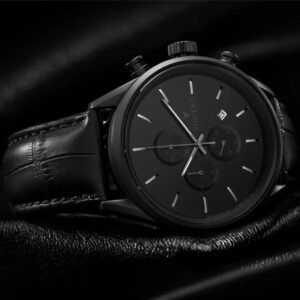
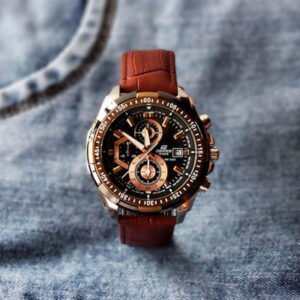
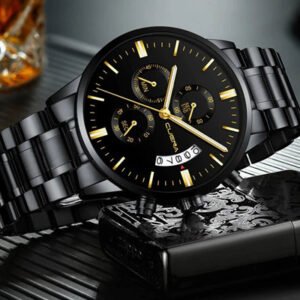


Men’s watches in 2026 are increasingly being chosen for a combination of everyday practicality, personal style, movement type, durability and versatility rather than appearance alone. For Indian buyers, the right watch can range from a simple quartz model for daily office use to an automatic mechanical watch for enthusiasts, a rugged sports watch for outdoor activities, or a connected smartwatch for fitness and notifications.
This buying guide is designed to make comparison easier. Instead of treating every fashionable watch as equally suitable, consider the case size, movement, dial readability, strap material, water resistance, battery requirements, service considerations, warranty terms, intended use and overall value. Brands such as Casio, Titan, Timex, Seiko, Citizen, Fossil, Orient and Tissot offer different approaches to these priorities, so the best choice depends on what you actually need from a watch.
The best men’s watch is not necessarily the most expensive model or the one with the longest feature list. A good buying decision starts with identifying how and where the watch will be worn. A person buying a watch for a corporate workplace has different requirements from someone looking for a gym watch, travel watch, formal accessory or collection piece.
For everyday use, prioritise comfort, reliability, readability and versatility. For formal occasions, case finishing, dial simplicity, bracelet or leather-strap quality and proportions become more important. For outdoor use, look for practical water resistance, robust construction and a strap that can tolerate regular activity.
If the watch will be worn for several hours every day, comfort should receive more attention than decorative features. A visually attractive watch that feels too heavy, has sharp edges or constantly catches on clothing may spend more time in a drawer than on the wrist.
The movement is the mechanism responsible for keeping time and powering the watch's functions. The three broad categories most buyers encounter are quartz, mechanical and smartwatch movements or electronics.
Quartz and automatic watches should not be treated as direct winners and losers. They solve different problems.
A quartz watch is usually the more straightforward choice when convenience is the priority. It does not require the wearer to keep the mechanical movement wound, making it particularly suitable for an office watch, travel watch or dependable everyday option.
An automatic watch is more about the ownership experience. Buyers may value the mechanical movement, traditional construction and craftsmanship involved in operating a mechanical timepiece. However, automatic watches can require more attention than a basic quartz watch and should be purchased with realistic expectations about maintenance.
When comparing models, do not choose an automatic watch simply because the word “automatic” sounds more premium. Choose it if you genuinely appreciate mechanical watch ownership.
Case diameter is one of the most visible specifications, but it should not be considered in isolation. Wrist circumference, lug-to-lug length, case thickness, bezel design, dial opening and strap width all influence how large a watch appears.
Smaller watches can look understated and tend to work particularly well with formal clothing, slimmer wrists and minimalist styling. They can also be comfortable for long periods of wear.
Medium case sizes provide a useful balance between presence and versatility. They are often a sensible starting point for buyers who want one watch for work, casual clothing and occasional formal use.
Larger watches can create a stronger wrist presence and may suit sports-oriented or rugged designs. However, large diameter combined with substantial thickness can become uncomfortable, particularly on smaller wrists.
Rather than selecting a case diameter solely because it is fashionable, compare the complete dimensions. Lug-to-lug distance can be especially important because long lugs may extend beyond the wrist even when the listed diameter appears reasonable.
Stainless steel is a popular choice because it can support both casual and formal styling. Brushed finishes tend to look more understated, while polished surfaces create a more reflective appearance. Some watches combine both finishes to add visual definition.
Leather straps can provide a classic and refined appearance. They are particularly suitable for dress watches and office-oriented designs. Buyers in hot or humid conditions should consider how much exposure the strap may receive to sweat and moisture.
Resin and rubber-style straps are useful for sports and outdoor-oriented watches because they can be practical and easy to clean. They generally create a more casual appearance than a traditional leather strap.
Fabric straps can offer a lightweight and casual alternative. They are particularly compatible with field-inspired and everyday watches and can make it easier to change the appearance of a watch without replacing the entire timepiece.
The crystal protects the dial and is an important specification that is frequently overlooked.
Sapphire is highly valued for scratch resistance and is commonly associated with watches positioned toward the enthusiast and premium segments. If scratch resistance is a major priority, crystal material deserves close attention during comparison.
Mineral crystal is widely used and can offer a sensible balance between durability and cost. It is suitable for many everyday watches, but buyers should not assume that all mineral crystals perform identically under every type of impact or abrasion.
Acrylic can be found in watches influenced by vintage designs. It can scratch more readily than sapphire, but minor scratches can sometimes be easier to address than damage to more brittle crystal materials. Its visual character can also be part of the appeal of a retro watch.
Water resistance should be interpreted according to the manufacturer's stated rating and usage guidance. A water-resistant watch is not automatically suitable for swimming or diving.
Water resistance can also change over time. Seals and gaskets can age, and opening a watch during servicing can affect its resistance if the watch is not correctly inspected and resealed.
A metal bracelet is versatile and can make a watch appear more substantial. It is often appropriate for office wear and smart-casual clothing. A bracelet can also allow fine adjustment through its clasp or removable links, depending on the design.
Leather straps generally create a dressier appearance, while fabric, nylon, resin and rubber-style straps tend to feel more casual or sporty. If versatility matters, also check whether the watch uses a standard lug arrangement that allows strap changes.
A dial should look good, but it should also communicate the time quickly. High contrast between the hands, markers and dial can improve practical readability. Buyers should examine whether the hands are clearly differentiated and whether the markers remain visible under the lighting conditions in which the watch will normally be used.
Additional sub-dials, date windows, tachymeter scales and decorative markings can make a watch visually interesting, but they can also make the dial feel crowded. If you prefer quick time checks, simplicity may be more useful than a large number of complications.
Analogue watches remain the traditional choice for buyers who value classic styling and an accessory that does not depend on a phone. They can range from highly minimalist designs to complicated chronographs and mechanical watches.
Digital watches can provide extremely direct readability and practical timing features. They are particularly useful for sports, travel, outdoor activities and situations where a quick numerical display is preferable.
Ana-digi models combine analogue hands with a digital display. This can provide traditional visual styling alongside additional functions such as alarms, timing or multiple display information.
Smartwatches are a different product category from conventional watches. Their strengths include notifications, applications, activity features and smartphone integration. Their main trade-offs can include charging requirements, software dependence and a shorter practical product lifecycle than a simple analogue quartz watch.
Look for a balanced case size, clear dial, restrained colours and a bracelet or leather strap that complements formal clothing. A simple three-hand design can be more versatile than an oversized sports chronograph.
Casual buyers have greater freedom to experiment with colour, digital displays, resin straps, chronographs and larger cases. Brands such as Casio, Timex, Titan and Fossil offer styles spanning different aesthetics, so compare individual models rather than choosing solely by brand.
A slim, clean watch generally complements formal clothing without competing with it. Pay attention to how the dial, case finish and strap interact with the colour and formality of the outfit.
Travel watches benefit from legibility, dependable operation and comfortable construction. If you regularly cross time zones, consider whether a second-time-zone feature is genuinely useful. For occasional travel, a conventional watch paired with a phone may be sufficient.
Prioritise durability, legibility, suitable water resistance and a practical strap. A complicated dress watch may be attractive, but it is not automatically the right tool for demanding outdoor use.
Brand reputation can help narrow a search, but it should not replace model-level comparison. Different brands specialise in different styles, movements and price segments.
The correct approach is to compare the exact reference or model number, movement, dimensions, materials, crystal, water resistance, warranty terms and seller information rather than assuming every watch from a particular brand offers the same value.
Create a simple comparison checklist before making a purchase. This prevents attractive photography or promotional language from becoming the deciding factor.
Product photographs can hide thickness, weight, lug length and clasp design. A watch that looks excellent in a studio image may not suit your wrist or clothing in everyday use.
Two watches with similar diameters can wear very differently if one is significantly thicker. Thickness matters particularly when the watch needs to slide comfortably beneath a shirt cuff.
Extra complications can increase visual complexity without improving your experience. Choose chronographs, multiple alarms, additional time zones or smart functions when you actually intend to use them.
No conventional watch should be treated as universally waterproof. Always follow the manufacturer's stated limitations and care instructions.
A case may be excellent while the included strap is unsuitable for your wrist or climate. Check the strap width, material, buckle and adjustment system before buying.
Mechanical watches are not simply quartz watches with a higher price. They have different characteristics and maintenance considerations. Buy one because you appreciate mechanical watch ownership, not merely because the specification sounds sophisticated.
A large discount does not automatically indicate good value. Compare the model's specifications, seller reliability, warranty coverage, authenticity information and current market pricing before deciding.
Online shopping makes comparison convenient, but buyers should inspect the listing carefully. Start by confirming that the product title, images, specifications and model reference describe the same watch.
Watch specifications can initially look complicated, but the most important fields are relatively easy to understand.
Automatic watches depend on the movement of the wearer's wrist to wind the mainspring, although the exact winding system varies between movements. If an automatic watch is left unused, it may eventually stop once its stored power is exhausted.
This is not necessarily a defect. It is a normal characteristic of mechanical watch ownership. Buyers who rotate several watches should understand that an automatic model may require resetting when it has stopped, unless an appropriate storage solution is used.
Solar-powered watches can be attractive for buyers who want the convenience of quartz timekeeping while reducing routine battery-replacement requirements. The internal power system is recharged by light, but buyers should still follow the manufacturer's guidance about exposure, storage and charging conditions.
Solar technology does not make a watch maintenance-free. Like other watches, it can still require servicing or component replacement over its lifetime.
The choice between a smartwatch and a traditional watch depends on whether you value connectivity or simplicity more strongly.
Some buyers ultimately prefer owning both. A smartwatch can handle connected tasks during the week, while a traditional watch can be selected for occasions where style and simplicity matter more.
Black, white, silver, blue, green, grey and neutral dial colours can all work effectively depending on the design. The most versatile choice is generally the colour that complements the majority of your existing wardrobe.
A black dial with a steel bracelet can create a different impression from the same dial paired with a black leather strap. Similarly, a blue dial can move from business-casual to weekend styling depending on the case finish and strap.
For a first or single everyday watch, versatility usually matters more than chasing the most distinctive colour available. For a second or third watch, a more unusual dial can add variety to an existing collection.
There is no universally correct watch budget. A sensible budget should reflect how frequently you expect to wear the watch, the movement you want, the materials you require and how important long-term ownership is to you.
Rather than asking whether an expensive watch is “better,” compare what the additional spending actually provides. A higher price may relate to movement construction, materials, finishing, design, brand positioning or other characteristics. It does not automatically mean the watch will be more suitable for your particular needs.
For budget-conscious buyers, a reliable quartz watch with a practical case and comfortable strap can be a better purchase than an inexpensive mechanical watch selected only for its appearance. Enthusiasts, meanwhile, may reasonably place greater value on movement architecture and finishing.
India's diverse climate means comfort can be an important consideration. In warmer and humid conditions, strap material and ventilation can affect wearing comfort. Metal bracelets can be practical for some users, while resin, rubber-style or fabric straps may appeal to buyers with more active routines.
For monsoon conditions or frequent exposure to moisture, water-resistance specifications deserve particular attention. However, no watch should be exposed to water beyond its intended rating simply because it has a water-resistance marking.
For hot-weather commuting, a heavy case may also feel less comfortable than a thinner and lighter alternative. When comparing watches online, use the listed dimensions and materials to anticipate how the watch may wear.
Good maintenance can help preserve the appearance and functionality of a watch. Care requirements vary by movement and construction, so the manufacturer's instructions should take priority.
Cleaning should begin with the watch's material and water-resistance rating. A metal bracelet may tolerate a different cleaning approach from a leather strap. Do not assume that a water-resistant watch can be submerged for cleaning.
For routine care, a soft, suitable cloth can help remove fingerprints and surface residue. If deeper cleaning is necessary, follow the manufacturer's recommendations rather than applying household chemicals or abrasive materials.
Appearance is influenced by proportion and finishing more than by price alone. A correctly sized watch with a clean dial, well-maintained crystal and properly fitted strap can look considerably more refined than an oversized model covered in unnecessary details.
Before buying any watch, use this checklist to reduce the chance of an unsuitable purchase:
Fashion-oriented watches can be appealing when styling is the primary concern. Traditional watchmaking brands may attract buyers who place greater importance on movement technology, heritage, finishing or mechanical construction. Neither approach is automatically right for everyone.
When comparing a fashion-oriented model with a specialist watch brand, ignore the logo initially and compare the actual specifications. Examine movement type, crystal, case construction, water resistance, dimensions, strap quality and service considerations. This makes the decision more objective.
An automatic watch can make an excellent first watch for someone who is genuinely interested in mechanical timepieces. However, it is not automatically the most practical first purchase.
If your priority is simply accurate, convenient timekeeping with minimal involvement, a quartz watch may be more appropriate. If you enjoy the mechanics, traditional watch design and the ritual of wearing and maintaining a mechanical timepiece, an automatic watch may provide a more rewarding ownership experience.
A collection does not need to contain many watches. A small selection of purpose-specific pieces can cover most situations.
This approach is often more useful than purchasing several watches that all serve exactly the same purpose.
Customer reviews can provide useful information, but they should be read critically. Look for recurring observations rather than relying on one highly positive or highly negative comment.
Reviews should supplement, not replace, manufacturer specifications and seller information.
The strongest watch purchase is one that matches your actual routine. Start with purpose, then narrow the choices using movement, dimensions, materials, water resistance, readability and comfort. Once those requirements are established, compare design, brand and price.
For an everyday Indian wardrobe, versatility can be more valuable than novelty. For enthusiasts, mechanical construction and finishing may deserve greater weight. For active users, durability and practical functions should come first. For connected lifestyles, a smartwatch may offer capabilities that a conventional watch cannot provide.
Before purchasing, compare the exact model specifications, check current pricing from trusted retailers, review verified customer feedback and confirm warranty and return conditions. A careful model-by-model comparison is more reliable than choosing solely from a trend list or promotional discount.
There is no single best watch for every buyer. The right option depends on your budget, wrist size, preferred movement, intended use, styling preferences and desired features. Compare exact models rather than choosing solely by brand.
Neither is universally better. Quartz is generally suited to buyers who prioritise convenience, while automatic watches appeal to people who appreciate mechanical watchmaking and traditional ownership.
Sapphire can be a strong choice when scratch resistance is an important priority. However, the value depends on the complete watch specification and your budget rather than crystal material alone.
The ideal size depends on wrist circumference, lug-to-lug length, case thickness and personal preference. A medium-sized case is often a practical starting point for a versatile everyday watch, but individual wrist proportions matter more than a universal size rule.
Smartwatches are better for users who need connected features such as notifications and apps. Traditional watches are often preferable for buyers who want simple timekeeping, longer intervals between charging or a classic accessory.
Check the exact model number, movement, dimensions, materials, crystal, water resistance, warranty information, seller details, return conditions and verified customer feedback. Comparing the same model across reputable retailers can also help establish whether the current price is competitive.
A comfortable, readable and versatile watch with a restrained design is usually a strong choice for office wear. Consider a simple analogue watch, a refined quartz model or a discreet smartwatch depending on your workplace and personal preferences.
A relatively slim watch with a clean dial and refined strap or bracelet generally works well with formal clothing. Avoid choosing a large sports-style watch when the objective is understated formal styling.
No. Price can reflect many factors besides durability, including movement construction, finishing, materials, design and brand positioning. Compare the specifications and ownership requirements of the actual models.
Service requirements vary by movement and manufacturer. Follow the manufacturer's recommended maintenance guidance and seek professional assessment when the watch develops unusual behaviour or performance problems.
Only if the watch is specifically rated and approved by its manufacturer for swimming. A generic water-resistance marking should not be interpreted as permission for every water activity.
There is no single most important specification. For most buyers, the combination of movement, case dimensions, comfort, crystal, water resistance, strap quality and intended use provides a much better basis for comparison.
Last updated: August 2026. Product availability, specifications, seller information, customer ratings and prices can change, so verify the latest details before purchasing.