

♥ Wishlist
Compare 58 verified Girls School Shoes products in India. Reviews, ratings, pros, cons and buying advice updated for October 2026.

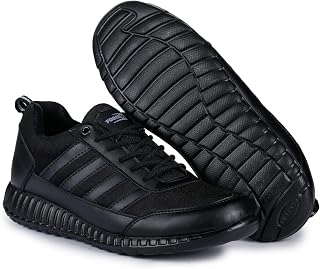


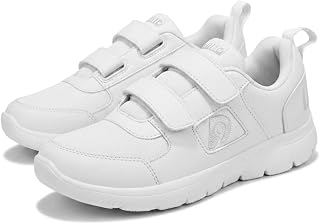


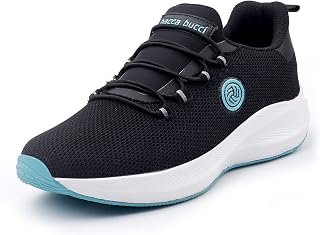


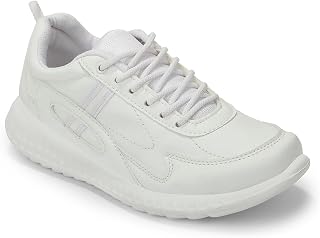


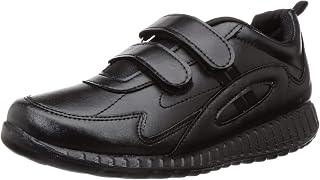


Choosing the right school shoes for girls in India is about more than finding a pair that looks smart with a school uniform. A good pair needs to balance comfort, fit, durability, grip, easy maintenance, school-dress-code requirements and the practical demands of everyday use. Because school shoes may be worn for several hours on most weekdays, small differences in cushioning, flexibility, weight, sole construction and fastening can make a noticeable difference over time.
This 2026 buying guide focuses on the latest girls' school shoe styles and the features worth comparing before purchase. It is designed for parents and guardians looking to compare suitable options in the Indian market, whether they are shopping for primary-school children, middle-school students or older girls who need a more formal school shoe.
Popular brands such as Bata, Liberty, Red Tape, Campus, Sparx, Action, Lancer and other established footwear brands may offer school-appropriate designs, but brand recognition alone should not determine the purchase. The best choice depends on the child's foot shape, school requirements, daily routine, climate, expected wear and the construction of the individual shoe.
A school shoe should perform several jobs at once. It should look appropriate with the uniform while remaining comfortable during classroom activities, walking between buildings, standing during assemblies and participating in normal school-day movement. The ideal shoe is supportive without feeling excessively rigid and durable without being unnecessarily heavy.
For many Indian families, maintenance is another important consideration. Dust, mud, rain, wet corridors and frequent outdoor use can quickly affect footwear. A practical school shoe should therefore be reasonably easy to clean and should retain its shape after repeated use.
Traditional black school shoes remain one of the most practical choices for schools with formal uniform requirements. Their understated appearance works with many styles of school uniform, while black uppers can be easier to keep visually presentable than lighter colours.
When comparing classic black shoes, look beyond appearance. Examine the outsole pattern, fastening system, interior padding, toe construction and overall flexibility. A simple Mary Jane-inspired silhouette can suit younger girls, while a plain lace-up or slip-on design may be more appropriate for older students depending on school rules.
Black synthetic uppers can be convenient for families seeking straightforward maintenance, while leather or leather-like constructions may provide a more traditional appearance. The material should be assessed alongside breathability and cleaning requirements rather than judged solely by its finish.
Mary Jane-style footwear continues to be a popular school-inspired design because the strap provides a secure visual fit while creating a neat, traditional appearance. It can be particularly suitable for younger girls who prefer footwear that is easy to put on and remove.
A well-positioned strap should hold the foot securely without creating uncomfortable pressure across the top of the foot. Adjustable fastening is useful when the child needs a more precise fit, especially when foot volume varies between children.
Lightweight construction is an increasingly useful consideration when children spend much of the day on their feet. A lighter shoe can feel less cumbersome during walking and general movement, although low weight should never be treated as a substitute for adequate construction.
The best approach is to compare weight with sole quality, upper durability and cushioning. An extremely lightweight shoe that sacrifices structure may not be the most practical choice for repeated school use. Conversely, an unnecessarily heavy shoe can feel tiring for some children.
For younger students, examine whether the shoe bends naturally near the forefoot rather than simply selecting the lightest model available. The right balance depends on the child's age, activity level and individual comfort.
Velcro fastening can be particularly convenient for children who are still developing confidence with traditional shoelaces. It allows a child to put on and remove footwear independently while making adjustments during the school day relatively simple.
Parents should still check the quality of the fastening material. A strap that becomes loose or loses its holding strength after repeated use can reduce the practical advantage of Velcro. The strap should close securely without requiring excessive force.
For nursery and primary-school children, a simple Velcro design can be a sensible combination of convenience, uniform suitability and everyday usability.
Lace-up shoes are a traditional option for older schoolchildren and teenagers. They can provide a more adjustable fit because the tension can be distributed along the upper rather than relying on a single strap or fixed opening.
The main consideration is whether the child can reliably tie and secure the laces. Loose laces can become inconvenient during a busy school day, so parents should consider the child's age and routine before choosing this style.
Look closely at the eyelets, stitching, tongue construction and heel area. Reinforced high-wear areas can be valuable because school shoes are often subjected to repeated bending and friction.
Temperature and humidity can influence school-shoe comfort significantly. Children may wear the same shoes for several hours, sometimes while travelling to and from school in warm weather. Breathable construction can therefore be a useful purchasing criterion.
Breathability depends on several factors, including upper material, lining, perforation, construction and how closely the shoe fits. A breathable upper cannot compensate for an excessively tight fit.
For warmer regions, compare shoes that allow reasonable airflow while still satisfying the school's requirements for colour and appearance. Parents should also allow shoes to dry fully after use if they become damp from rain or perspiration.
Cushioning can improve the overall feel of a school shoe, particularly for children who walk substantial distances or remain standing for extended periods. However, more cushioning is not automatically better.
A useful school shoe should have a comfortable footbed without feeling unstable. Excessively soft construction may feel pleasant initially but may not provide the secure sensation some children prefer during movement.
When comparing cushioned models, consider:
Outsole design deserves more attention than it often receives in school-shoe shopping. Children may encounter polished floors, tiled corridors, playground surfaces and wet ground during monsoon conditions.
A patterned rubber or rubber-like outsole can provide useful traction, but parents should not assume that any product described as anti-slip will perform identically on every surface. The tread pattern, rubber compound, surface condition and presence of water all influence grip.
Inspect the sole visually when product images are available. Deeper or more defined tread patterns may be useful for outdoor movement, while a flatter sole can have a different feel on indoor flooring. The school's environment should guide the decision.
Durability is especially important when one pair is expected to handle frequent weekday use. School shoes can experience repeated flexing around the toe box, friction around the heel, stress around fastening points and wear on the outsole.
Pay attention to construction rather than relying only on marketing language. Look for clean stitching, securely attached components, a properly bonded or stitched sole and reinforcement in areas likely to experience frequent bending.
Brands including Bata, Liberty and Action have long been familiar names in Indian footwear, while brands such as Campus, Sparx and Lancer may also offer practical everyday footwear categories. The specific model matters more than the logo, so compare construction and sizing at product level.
Older students may prefer a more streamlined school shoe that looks polished without appearing overly formal. Minimal detailing, clean lines and a low-profile outsole can create a neat appearance when the school's dress code permits such designs.
For secondary-school students, comfort should remain a priority. A visually sophisticated shoe is not necessarily a better school shoe if it has a restrictive toe area, inadequate cushioning or an inflexible sole.
Check the school's exact requirements before choosing a fashionable alternative. Some schools specify black footwear, prohibit decorative elements or require a particular style for uniform compliance.
The upper material affects appearance, cleaning, flexibility, breathability and long-term practicality. There is no single material that is ideal for every child or climate.
Synthetic leather is commonly used for school footwear because it can offer a uniform-looking surface and straightforward cleaning. Many synthetic uppers can be wiped clean after exposure to ordinary dust and light dirt.
However, synthetic materials can differ substantially in quality. Some may feel flexible and comfortable, while others can be comparatively stiff. Product specifications and construction should therefore be evaluated rather than assuming that every synthetic shoe performs the same way.
Leather can offer a traditional appearance and may develop a different feel with use. It can also require more deliberate maintenance. Parents should follow the care instructions supplied for the specific footwear rather than applying an unsuitable cleaning product.
Leather shoes can be a sensible consideration when appearance, traditional construction and longevity are priorities, but fit and comfort remain more important than material alone.
Textile or mesh sections can improve airflow and reduce weight, although they may not be appropriate where the school requires a formal, fully black uniform shoe. They can also require more care when exposed to mud or stains.
For Indian weather, a breathable construction may be useful, but the appropriate choice depends on the school's uniform rules and the child's daily environment.
Correct sizing is one of the most important parts of buying school footwear. Children's feet change as they grow, and the same numerical size can feel different across brands and models.
Whenever possible, measure the child's feet according to the manufacturer's sizing guidance and compare the measurement with the specific brand's size chart. Avoid choosing a significantly oversized shoe simply to extend its usable life.
The toe box is the front portion of the shoe and deserves careful attention. A narrow toe box can create an uncomfortable fit even when the overall shoe length appears correct.
Children's feet vary in width and shape, so a shoe that works well for one student may feel restrictive to another. Parents should look for a front shape that accommodates the child's foot without allowing excessive movement.
When trying shoes on, encourage the child to walk rather than judging fit while seated. Watch for signs of rubbing, toe compression or heel movement.
The outsole is the part that directly interacts with the ground, while the midsole and insole contribute to cushioning and underfoot comfort. Understanding these components makes it easier to compare apparently similar shoes.
Rubber is widely valued for traction and everyday durability. A rubber outsole can be useful for children who walk outdoors regularly, although actual grip depends on the outsole design and surface conditions.
EVA is commonly used in footwear for its lightweight cushioning characteristics. Shoes incorporating EVA components can feel lighter than some traditional constructions, but the overall performance depends on the complete sole design.
A school shoe should not necessarily be completely soft or completely rigid. The appropriate amount of flexibility depends on the child's age, foot movement and intended activity.
For everyday classroom use, a sole that permits controlled natural movement can be preferable to an excessively stiff design. However, very flexible casual footwear may not satisfy a school's appearance requirements or provide the structure desired for prolonged daily wear.
For very young children, simplicity is often the priority. Easy fastening, comfortable interiors, flexible construction and a secure fit can make the school day easier.
Velcro straps and simple Mary Jane-inspired designs are worth considering where permitted. Parents should also make sure the child can manage the fastening independently if teachers expect students to handle their own footwear.
Primary-school students generally need a balance of durability, comfort and ease of use. At this stage, school shoes may experience substantial daily wear from walking, play and general activity.
Parents should check the sole, stitching, heel construction and fastening system carefully. A practical pair should be comfortable enough for everyday use while remaining appropriate for the school's uniform policy.
Older children may have longer school days and greater independence. Lace-up shoes can become more practical if the student is comfortable managing them, while streamlined Velcro or slip-on options may remain useful where school rules permit.
Teenagers may care more about the visual appearance of footwear, but school requirements should remain the first filter. Minimal black designs, comfortable formal shoes and lightweight construction can offer a good compromise between appearance and practicality.
India's diverse climate means that school-shoe requirements can vary significantly by region. A student in a hot and humid environment may place greater value on ventilation, while a child dealing with frequent monsoon rain may need footwear that is easy to clean and dry.
Warm conditions make breathability and comfortable lining particularly relevant. Avoid selecting a very tight shoe simply because the upper looks neat with the uniform.
Rain can expose school shoes to water, mud and damp conditions. Check whether the manufacturer provides specific care instructions for moisture exposure. Allow wet shoes to dry naturally and avoid using excessive heat that could damage adhesives or materials.
In colder areas, sock thickness can affect fit. A shoe that fits comfortably with thin socks may feel different when paired with thicker winter socks. Consider the socks the child will actually wear before finalising the size.
Instead of comparing products based only on price or appearance, use a consistent checklist. This makes it easier to distinguish between genuinely suitable options and shoes that simply look attractive in product photographs.
Children grow quickly, which makes buying ahead tempting. However, an excessively large shoe can allow the foot to slide inside the footwear and may make walking less comfortable. A modest amount of growing room is different from choosing a shoe that is clearly oversized.
A polished-looking shoe is of limited value if it causes pressure or rubbing. Fit should be evaluated before decorative details, brand name or visual styling.
Some schools have specific rules covering colour, finish, heel height, decorative elements or footwear style. Always check the current school uniform instructions before purchasing.
A particular numerical size may not fit identically across brands. Use the individual product's size chart whenever available and consider customer feedback specifically related to fit.
Initial price is only one part of value. A less expensive shoe may become less economical if it needs replacement sooner, feels uncomfortable or is unsuitable for the child's daily routine.
Socks change the amount of space available inside a shoe. School footwear should be assessed with the type of socks normally worn rather than with bare feet.
Customer reviews can provide useful information, but they should be interpreted carefully. A high rating alone does not prove that a shoe is the right choice for every child.
Look for recurring comments rather than isolated opinions. If several verified purchasers independently mention that a particular model runs small, that may be more useful than a single five-star rating. Similarly, repeated comments about sole wear, stitching, comfort or fastening can reveal patterns worth considering.
The best value is not necessarily the lowest-priced option. Consider how frequently the shoes will be worn, how demanding the child's routine is and how long the footwear is expected to remain comfortable and presentable.
A practical value assessment can include purchase cost, expected durability, maintenance requirements, comfort and the likelihood that the child will outgrow the shoes before they wear out. For younger children, rapid growth can make an extremely durable premium construction less valuable than it would be for an older student whose size changes more slowly.
Replacement should be based on fit and condition rather than a fixed calendar period. Children's feet grow at different rates, and shoes experience different levels of wear.
Regular maintenance can help school shoes remain cleaner and more presentable. The correct care method depends on the material, so always follow the manufacturer's instructions for the particular pair.
Remove loose dirt before cleaning. Use a suitable cloth or cleaning method recommended for the upper material. Avoid harsh chemicals unless the manufacturer specifically states that they are appropriate.
If shoes become wet, allow them to dry naturally in a well-ventilated area. Excessive direct heat can affect adhesives, synthetic materials and certain finishes.
If practical, alternating between two suitable pairs can give each pair additional time to air and recover between uses. This may be particularly useful when shoes become damp during rainy weather.
Store school shoes in a dry, ventilated place rather than leaving damp footwear inside a closed bag. Keeping shoes reasonably clean can also make routine inspection easier.
Black is one of the most common school-shoe colours because it creates a formal appearance and works with many uniform combinations. However, the correct colour is determined by the school's uniform policy.
Brown school shoes may be appropriate for certain uniforms, while some schools may permit particular shades or styles. Do not assume that a fashionable colour or contrasting sole is acceptable simply because it is marketed as a school shoe.
Before comparing brands, confirm the school's current footwear requirements. This immediately narrows the selection and reduces the risk of buying an unsuitable design.
Each fastening type has practical advantages.
The child's age and independence should influence the decision as much as appearance.
Children with wider feet may find some narrow school-shoe designs uncomfortable. Rather than automatically sizing up, look for a model with a more suitable width or toe-box shape.
Sizing up to compensate for insufficient width can result in excessive length and heel movement. The better solution is to identify a shoe whose shape more closely matches the child's foot.
If the child frequently complains about pressure on the sides of the toes despite apparently correct length, width should be considered as a possible fit issue.
Narrow-footed children can experience the opposite problem. An overly roomy shoe may allow the foot to move inside the shoe even when the length is correct.
Adjustable straps and lace-up designs can provide more control over fit. With slip-on styles, pay particular attention to heel security and whether the shoe stays in place during ordinary walking.
Online shopping provides a broad selection, but it requires more careful specification checking because the child cannot physically try the shoes before purchase.
Because sizes, stock, specifications, seller policies and prices can change, check the current product information at the time of purchase.
Established footwear names can be useful starting points when researching school shoes, but no brand should automatically be treated as the best option. Product-level comparison remains essential.
The correct choice should be based on the specific model's fit, materials, construction, school compatibility and current customer feedback rather than brand reputation alone.
A useful shortlist should contain several alternatives with different strengths rather than ten nearly identical shoes. For example, parents can compare a traditional formal shoe, a lightweight option, a Velcro model, a cushioned design and a durability-focused option.
Once the shortlist has been created, eliminate products that fail the school dress-code requirements or do not offer an appropriate size. From the remaining choices, compare comfort-related features, sole construction, material, fastening, maintenance and customer feedback.
Product specifications can reveal useful information that photographs cannot. When available, examine the listed upper material, sole material, fastening type, approximate weight, construction details and care instructions.
If a listing does not provide important information, avoid assuming that the product has a particular feature. For example, a visually thick sole does not necessarily mean the shoe provides superior cushioning, and a textured outsole does not automatically guarantee excellent grip on wet floors.
Comfort and durability do not always point toward the same construction. A very soft shoe may feel comfortable immediately but may not provide the level of structure or resistance to wear needed for daily school use. A highly robust shoe may last well but feel unnecessarily stiff or heavy.
The goal is a balanced construction appropriate to the child's routine. For a student who mainly walks between classroom areas, moderate cushioning and flexibility may be sufficient. A child who walks a considerable distance every day may benefit from giving greater weight to underfoot comfort and outsole construction.
A higher purchase price can sometimes be justified by better construction, more appropriate materials, improved fit options or greater comfort, but price alone does not establish quality.
Before paying more, identify exactly what additional benefit the product provides. If two models have similar construction and sizing but one costs considerably more because of styling or branding, the less expensive option may offer better practical value.
Budget footwear can make sense when a child is growing quickly, the shoes are required only for limited use, or the family prefers to replace footwear regularly rather than invest in a longer-lasting pair.
The key is to ensure that lower cost does not come at the expense of basic fit, comfort, secure fastening and safe everyday construction. A budget shoe can still be a good choice when its specifications match the child's requirements.
There is no single best style for every student. A suitable school shoe should fit correctly, comply with the school's uniform requirements and provide an appropriate combination of comfort, grip, durability and ease of use.
Black is a common school-shoe colour because it has a formal appearance and works with many uniforms, but the school should always be the final authority on permitted colours and styles.
Velcro can be particularly practical for younger girls because it is easy to operate and adjust. Older students may prefer lace-up footwear if it is allowed and they are comfortable managing laces.
Reasonably lightweight construction can improve everyday comfort, but extremely low weight should not be prioritised over fit, durability, cushioning and appropriate sole construction.
The best material depends on the child's climate, school requirements, cleaning routine and preference. Synthetic leather can be practical for easy maintenance, while leather and textile constructions have different advantages.
There should be enough room for comfortable toe movement, but the shoe should not be so large that the foot slides around. Use the specific manufacturer's sizing guidance and assess the actual fit.
If socks are part of the school uniform, shoes should be fitted with the type and approximate thickness of socks the child normally wears. This provides a more realistic assessment of fit.
Clean them according to the material's care instructions, allow damp shoes to dry naturally, avoid unnecessary exposure to harsh conditions and inspect the soles and stitching regularly.
Replace them when the child outgrows them, develops persistent discomfort or when the footwear shows significant structural or outsole wear. There is no universal replacement interval that suits every child.
No. Price does not guarantee superior fit, comfort or durability. Compare the specific shoe's materials, construction, sizing, customer feedback and suitability for the child's routine.
Check the size chart, material, fastening system, sole construction, school compatibility, customer feedback and the retailer's current return or exchange conditions. Product prices and availability should also be verified at the time of purchase.
The best girls' school shoes are not necessarily the most fashionable, most expensive or highest-rated products. The strongest choice is the one that fits the child's foot correctly, follows the school's requirements and performs reliably throughout an ordinary school week.
For younger girls, easy fastening, flexibility and secure fit may deserve the greatest attention. For older students, long-wear comfort, understated styling, adjustable fit and durability may become more important. In India's varied climate, material, breathability, cleaning requirements and wet-weather practicality should also be considered.
Before making a final decision, compare several suitable models rather than selecting purely by brand name. Check current specifications, verified customer feedback, sizing information and the latest retailer terms. Most importantly, judge the shoe from the child's actual needs: school uniform, foot shape, walking routine, climate, age and expected frequency of use.
This approach makes it easier to narrow a large selection of girls' school shoes into a practical shortlist and choose footwear that offers a sensible balance of comfort, appearance, durability and everyday value throughout the 2026 school year.