

♥ Wishlist
Compare 53 verified Girls Booties for Stylish and Comfortable Everyday Wear products in India. Reviews, ratings, pros, cons and buying advice updated for October 2026.


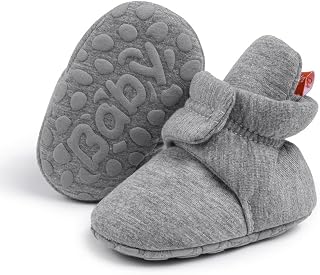


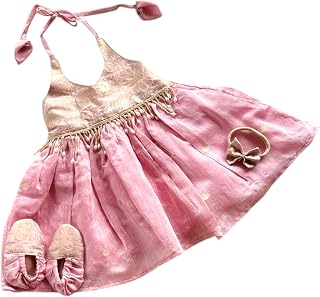


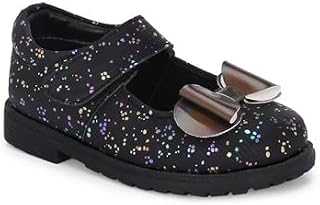


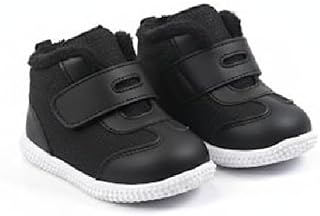


Girls' booties have become a versatile footwear choice for school-free days, family outings, casual occasions, festive dressing and cooler-weather styling. In 2026, the most useful choices are not simply the most fashionable designs; they are the pairs that balance appearance, comfort, fit, durability and suitability for India's varied weather conditions.
When comparing girls' booties, look beyond colour and decoration. Pay attention to the upper material, lining, sole construction, fastening system, heel height, toe shape, flexibility and overall weight. A stylish pair that is difficult to put on, too stiff around the ankle or poorly suited to the child's usual activities may spend more time in the cupboard than on her feet.
The best pair depends on the child's age, foot shape, intended use, climate and wardrobe. There is no single bootie design that is automatically ideal for every child. A pair intended for occasional parties has different priorities from one expected to handle frequent outdoor wear.
First decide where the booties will normally be worn. For everyday casual outfits, comfort, flexibility and easy fastening should usually take priority. For parties or festive occasions, appearance may have greater importance, but the footwear should still allow natural movement.
If the booties are primarily for winter wear, consider whether the child will wear ordinary socks or thicker socks. If the pair is intended for monsoon-adjacent conditions, check the manufacturer's material and care instructions rather than assuming that a bootie is waterproof simply because it is closed footwear.
Children's feet change quickly, so buying substantially oversized footwear simply to extend its usable life can be counterproductive. Excess space can make the foot move inside the shoe and may make walking less comfortable.
Synthetic leather is common in children's fashion footwear because it can provide a structured, polished appearance. It is often easier to wipe clean than fabric-based materials, although the exact durability and finish depend on construction quality.
For Indian households, easy maintenance can be an important advantage. Before buying, check the manufacturer's cleaning instructions because different synthetic materials can react differently to water, heat and cleaning products.
Suede-look booties can deliver a softer, more textured appearance and pair particularly well with dresses and winter clothing. Genuine suede generally requires more careful maintenance, while synthetic alternatives can have different cleaning requirements.
Do not choose this material solely because it looks premium. Consider where the child will wear the booties and whether regular cleaning and careful storage are realistic.
Fabric or textile uppers can create lightweight and casual designs. Their suitability depends heavily on the weave, lining, reinforcement and sole construction. A textile bootie may be attractive for indoor or dry-weather use but should not automatically be treated as suitable for wet conditions.
Fleece-like or soft textile linings can make booties feel warmer during cooler weather. However, warmth should be balanced against breathability and the child's typical environment. A heavily insulated bootie may be unnecessary for mild winter conditions.
The outsole affects stability, grip, flexibility and the overall feel of the footwear. When comparing girls' booties, examine the tread pattern rather than judging the sole only by its thickness.
Claims such as “non-slip” should be interpreted carefully. Actual traction depends on the outsole compound, tread pattern, surface and conditions. No footwear should be assumed to provide complete slip protection on every wet or smooth surface.
Side zips are convenient for children who want to put footwear on quickly. They can also make a decorative lace-up appearance more practical when the laces are mainly visual rather than functional.
Elastic panels, including those used in Chelsea-inspired designs, can make footwear easier to pull on. The elastic should hold the bootie securely without making entry unnecessarily difficult.
Laces provide adjustable closure and can create a classic or rugged appearance. For younger children, however, parents may prefer designs with simpler fastening arrangements if tying laces independently is not yet practical.
Hook-and-loop fastening can be convenient for younger children and can support independent dressing. The quality of the fastening material and its attachment to the upper should be checked carefully.
Fashion booties sometimes include raised heels, platforms or chunky soles. For children's footwear, appearance should not override stability and ease of walking.
For regular everyday use, a low and stable sole is generally a more straightforward choice than a pronounced fashion heel. If choosing a dressier bootie, examine how securely the foot sits inside the shoe and whether the child can walk naturally.
A chunky outsole can be fashionable without necessarily being uncomfortable, but its weight and flexibility matter. Avoid assuming that a visually slim sole is always lighter or that a thicker sole is always more durable.
Colour selection becomes easier when considered alongside the child's existing wardrobe.
Ankle booties can create an easy casual combination with skinny, straight or relaxed denim, depending on the proportions of the outfit. A cleaner bootie silhouette usually works well when the clothing already has substantial detailing.
Leggings and ankle booties create a simple everyday combination. The bootie shaft should sit comfortably against the lower leg without creating unnecessary pressure.
Booties can make a dress look more contemporary and can provide an alternative to conventional flats. Minimal booties work particularly well when the dress has prints, ruffles or other decorative elements.
Shorter skirts can be balanced with ankle booties and tights during cooler months. Neutral footwear allows the skirt or top to remain the focal point.
Booties can complement sweaters, cardigans, jackets and coats. When styling heavily layered outfits, a relatively clean footwear design can prevent the overall look from becoming visually crowded.
For younger girls, ease of dressing, lightweight construction, secure fastening and comfortable fit deserve particular attention. Decorative details should not interfere with walking or create easily detachable components that are unsuitable for the child's age.
School-age children may want more fashion variety while still needing practical footwear for active days. Zip-up, elasticated and simple lace-up-inspired styles can provide a balance between appearance and convenience.
Older girls may have stronger preferences for current silhouettes, colours and detailing. Chelsea-style, platform-inspired, minimalist and textured booties can fit different personal aesthetics. Even when fashion is the main motivation, sizing, comfort and outsole stability remain important.
India's climate varies substantially by region and season, so the right bootie for one location may not be ideal for another.
In cooler northern regions, lined booties can be useful during winter. In warmer regions, lightweight and less insulated constructions may make more sense. During humid or wet weather, material selection and drying requirements become especially important.
Do not confuse a closed ankle design with waterproof construction. Unless the manufacturer specifically provides water-resistance information, treat ordinary fashion booties as footwear for suitable dry conditions.
Online shopping makes it possible to compare a wide selection of girls' booties, but product photographs alone cannot establish fit, construction quality or long-term suitability. Before placing an order, review the available specifications carefully.
Customer reviews can be useful, but they should be interpreted as individual experiences rather than universal product tests. A review becomes more informative when it includes specific details about fit, measurements, use and material.
Look for recurring themes rather than isolated praise or criticism. If several independent buyers mention that a particular design runs small, that information may deserve more attention than a single generic five-star rating. Similarly, repeated comments about difficult zippers, stiff materials or outsole wear can reveal practical considerations that product photographs do not show.
Review dates can also matter because product specifications, sellers and manufacturing batches may change. Check the current listing information before making a final decision.
When researching girls' booties, shoppers may encounter established footwear and fashion brands such as Bata, Liberty, Campus, Red Tape, Allen Solly, Hush Puppies, Skechers and Woodland, along with children's footwear specialists and marketplace brands. Brand recognition alone should not determine the purchase.
Compare the specific model, material, size chart, fastening system, outsole, customer feedback and current retailer terms. A familiar brand can offer useful consistency, but the individual bootie still needs to suit the child's requirements.
A beautiful bootie is not automatically a practical bootie. Check the construction and fit before prioritising decoration.
Children grow quickly, but excessive extra space can affect stability and comfort. Use the manufacturer's sizing guidance and allow only the amount of room appropriate to the footwear design.
Two children with the same foot length may require different widths. If width information is available, include it in the comparison.
Colour says very little about construction. Two black booties can differ substantially in upper material, lining, sole flexibility, weight and fastening.
Warm lining and waterproof construction are separate characteristics. Check the manufacturer's specifications rather than inferring performance from marketing language.
A chunky fashion sole can look attractive but may feel heavier than expected. When specifications provide a weight, use it as part of the comparison.
Some materials require specialised cleaning or protection. If the child is likely to wear the booties frequently, choose a material that fits the household's realistic maintenance routine.
When two pairs look almost identical, compare them using a consistent set of criteria instead of relying on the lower price or higher rating alone.
For a child who will wear booties regularly, inspect areas that receive repeated stress. Look at the stitching around the upper, attachment between the upper and sole, zipper installation, elastic panels, heel counter and toe area.
Decorative components should also be securely integrated into the footwear. Excessive loose decoration can become damaged more easily during active use. A simpler design with sound construction can sometimes be more practical than a heavily embellished alternative.
Replacement should be based on condition and fit rather than a fixed number of months. Children's feet grow at different rates, while wear also depends on how frequently and where the booties are used.
Consider replacing a pair when it has become too small, the child's toes feel cramped, the heel fit has changed significantly, the sole has worn substantially, the fastening no longer works reliably, or the upper has developed damage that affects secure wear.
They can be, provided the specific design fits well and is appropriate for the child's activities. A lightweight ankle bootie with a practical fastening and comfortable sole can work well for casual outfits. More decorative or structured fashion booties may be better reserved for occasions.
Chelsea-inspired booties can be convenient because elasticated side panels make them relatively straightforward to put on and remove. They also have a versatile appearance that can work with trousers, leggings, skirts and dresses. The most important considerations remain fit, sole construction and whether the opening is comfortable for the child's foot.
Not necessarily. Booties cover the ankle and can be easier to style and wear, while taller boots provide additional coverage. The better choice depends on temperature, clothing, activity level and the child's comfort. For genuinely cold conditions, compare insulation and coverage rather than choosing solely by height.
The best pair depends on the child's age, foot shape, intended use, climate, budget and preferred style. Compare fit, materials, sole construction, fastening and current customer feedback rather than choosing solely by brand or appearance.
Use the child's current foot measurements and the manufacturer's size chart. Avoid assuming that a particular numerical size will fit identically across different brands.
Some are well suited to winter, particularly designs with suitable insulation and comfortable room for socks. However, not every bootie is designed for cold weather, so check the listed lining and construction.
Yes. Ankle booties can be paired with casual, party and festive dresses. Neutral colours generally provide the greatest styling flexibility, while embellished designs can create a stronger occasion-focused look.
Black, brown, tan and other neutral shades tend to coordinate with a wide range of clothing. The best colour depends on the child's existing wardrobe and whether the booties are intended for everyday or occasional use.
They can be, especially for children who find laces difficult to manage. Check that the zipper operates smoothly and that its position does not create uncomfortable pressure.
Cleaning depends on the material. Follow the manufacturer's instructions, avoid unnecessary soaking and allow damp footwear to dry naturally unless the product instructions state otherwise.
Do not automatically size up by a full size simply for growth. Use the manufacturer's measurements and consider appropriate toe room and the socks the child will wear.
No. Price alone does not establish fit, comfort or durability. Compare the actual specifications, construction, materials, customer feedback and intended use.
Replace them when they no longer fit properly or when wear has compromised comfort, stability, fastening or construction. Children's growth and frequency of use make a fixed replacement schedule unreliable.
The strongest girls' booties choice is the one that matches the child's real routine rather than the one that simply looks most fashionable in a product photograph. For everyday use, prioritise fit, manageable weight, comfortable construction and practical fastening. For winter, examine insulation and coverage. For parties and festive occasions, focus more on finish and styling while retaining a secure, comfortable fit.
Before purchasing in India, compare current specifications, size information, customer feedback and retailer terms. Check today's price rather than relying on an old reference price, and verify the product details on the current listing. Brands such as Bata, Liberty, Campus, Red Tape, Allen Solly, Hush Puppies, Skechers and Woodland can be useful starting points for comparison, but the individual model should always be evaluated on its own merits.
A thoughtful comparison of construction, material, fit, sole design, fastening, maintenance and versatility will make it much easier to find girls' booties that look good, feel comfortable and genuinely suit the way they will be worn throughout 2026.