

♥ Wishlist
Compare 56 verified Girls Casual Shoes for Everyday Comfort & Style products in India. Reviews, ratings, pros, cons and buying advice updated for October 2026.


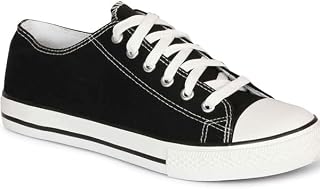


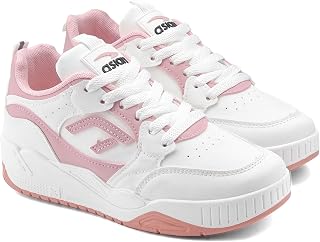


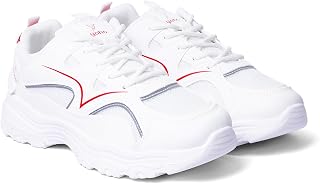


Girls' casual shoes have become an everyday wardrobe essential in India, balancing comfort, versatility and contemporary styling. The strongest choices for 2026 are not defined by appearance alone. Fit, sole construction, upper material, weight, fastening system, cushioning, breathability and ease of cleaning all influence whether a pair works well for school-free days, family outings, shopping trips, travel, playdates and relaxed weekend wear.
This buying guide focuses on the practical differences between popular girls' casual shoe styles so parents and shoppers can compare options more confidently. Product specifications, sizing information, customer feedback and current retailer details should always be checked before purchasing because designs, colours, sizes and availability can change.
A good casual shoe should match the child's age, activity level, foot shape and intended use. A fashionable design can be appealing, but it should not come at the expense of comfort or a secure fit. For everyday wear, look for a shoe that allows natural movement while providing enough structure for the activities it will be used for.
Sneakers remain one of the most versatile choices because they can work with jeans, leggings, joggers, casual dresses and many everyday outfits. Look for a balanced combination of cushioning, flexible construction and a secure closure.
Popular brands such as Nike, adidas, Puma, Skechers and ASICS offer children's footwear across different designs and price segments. When comparing a particular model, evaluate its construction and sizing rather than choosing solely because of the brand name.
Lightweight mesh shoes are particularly useful when breathability and low weight are priorities. The open textile construction can allow more airflow than some heavily layered synthetic uppers, making this category worth considering for warm-weather everyday use.
Check the areas around the toe and heel carefully. Very lightweight construction can be convenient, but children who are hard on their footwear may benefit from additional reinforcement in high-contact areas.
Slip-on shoes are convenient for children who frequently put their footwear on and remove it without assistance. They can be especially practical for quick outings and relaxed everyday dressing.
The main consideration is security. A slip-on should remain comfortably positioned on the foot during ordinary walking rather than relying on an overly loose opening. Elastic panels, structured collars and appropriately shaped uppers can affect how securely a particular design fits.
Hook-and-loop closures remain a practical option for younger children who are still developing confidence with laces. They allow relatively quick adjustment and can make independent dressing easier.
When comparing Velcro shoes, inspect the length and placement of the straps. A sufficiently adjustable closure can accommodate small variations in foot shape, while a poorly positioned strap may create pressure or fail to secure the shoe effectively.
Lace-up shoes can provide a more adjustable fit because the tension can be distributed across the upper. They are a strong option for older girls who are comfortable tying and managing laces.
For younger children, however, the convenience of Velcro or elastic closures may outweigh the adjustability of traditional laces. Choose the fastening method according to the child's independence and everyday routine.
Canvas shoes offer a relaxed appearance and pair easily with casual clothing. Their simple styling makes them useful for everyday outfits, especially when the priority is fashion versatility rather than highly technical athletic performance.
Before purchasing, check the care instructions and construction around the toe and sole. Canvas can show dirt readily, so maintenance requirements should be considered alongside appearance.
High-top styles extend higher around the ankle and provide a distinctive streetwear-inspired appearance. They can be a fashionable choice for casual outfits and cooler conditions.
Because the upper covers more of the ankle, compare the collar padding and fastening system. A secure but comfortable fit is preferable to a design that feels restrictive.
Walking-oriented casual shoes are useful when a child spends considerable time on foot. Their design often places greater emphasis on cushioning, flexibility and traction than purely fashion-focused footwear.
These shoes can be a sensible choice for family travel, sightseeing and long days outside, but shoppers should still distinguish between a genuine walking-oriented construction and a shoe that simply uses athletic styling.
Fashion sneakers bring decorative details, metallic accents, colour combinations, prints or contemporary silhouettes into children's casual footwear. They are useful when outfit coordination is an important consideration.
Prioritise construction quality over decorative features. Glitter, appliqués, printed graphics and other embellishments should not distract from the basic requirements of a secure fit, comfortable interior and usable outsole.
Cushioned casual shoes can be appealing for children who spend substantial portions of the day walking or standing. The amount and type of cushioning vary considerably between models, so specifications and construction should be compared rather than assuming that a thicker sole is automatically more comfortable.
Excessively soft or heavy footwear is not necessarily the best choice for every child. A balanced combination of cushioning, stability and flexibility can be more practical for everyday use.
Mesh is commonly selected for its lightweight and breathable characteristics. It can be particularly attractive for warm Indian weather and active everyday use. However, the durability of mesh depends on its weave, thickness, reinforcement and surrounding construction.
Canvas gives casual footwear a traditional, relaxed appearance. It can work well with everyday clothing and is often relatively simple in construction. Dirt visibility and cleaning requirements should be considered before choosing lighter colours.
Synthetic leather can provide a smoother, more structured appearance and may be easier to wipe clean than some textile materials. Breathability can vary substantially between constructions, so the lining and ventilation features are also worth examining.
Textile materials cover a broad range of constructions, from tightly woven fabrics to knitted uppers. They can offer flexibility and comfort, but their performance depends heavily on the particular weave, lining and reinforcement used.
Rubber is widely used for outsoles because it can provide useful traction and abrasion resistance. Look at the outsole pattern as well as the material. A tread designed for everyday walking may perform differently from a smoother fashion-oriented sole.
EVA and other foam compounds are frequently used in midsoles and cushioning components because they can reduce weight while providing cushioning. Foam density, geometry and overall sole design influence how a shoe feels underfoot.
Children's feet change as they grow, which makes sizing one of the most important parts of the buying process. Do not assume that the same numerical size will fit identically across every brand or shoe model.
Two children wearing the same nominal shoe size may have different foot shapes. Some may need more room around the forefoot, while others may find a particular shoe too wide or too loose.
Pay attention to the toe-box shape, heel construction, upper flexibility and overall width. If a child repeatedly complains about pressure in one area, rubbing or discomfort, that feedback is useful information when comparing another model.
The toe box is the front section of the shoe where the toes sit. Its dimensions and shape affect comfort significantly. A fashionable pointed or unusually narrow silhouette may not be appropriate for everyday children's footwear if it restricts natural toe movement.
For everyday casual use, compare shoes with adequate usable space at the front and avoid confusing a long-looking shoe with a genuinely roomy toe box.
The outsole is responsible for the shoe's contact with the ground. Its rubber compound, tread pattern, flexibility and coverage all contribute to how the shoe behaves during ordinary movement.
For general casual wear, look for a sole with a practical tread pattern rather than an entirely smooth fashion sole. Children who spend more time outdoors may benefit from a design with additional outsole coverage and durable high-wear zones.
Cushioning and flexibility serve different purposes. Cushioning affects how the shoe absorbs and distributes impact, while flexibility determines how easily the shoe bends during movement.
A casual shoe does not need to be extremely soft to be comfortable. Excessive cushioning can sometimes add weight or change the way the shoe feels. Compare the overall construction and intended use instead of judging quality from sole thickness alone.
India's climate varies substantially between regions and seasons, but heat and humidity make ventilation an important consideration for many shoppers. Breathable mesh or textile uppers can be useful for warm conditions, particularly when shoes are worn for extended periods.
However, ventilation should be balanced against durability and protection. A very open upper may not be ideal for every environment, activity or season. Consider where and when the shoes will primarily be worn.
Prioritise versatility, easy fastening and comfortable everyday construction. Sneakers, slip-ons and Velcro shoes can all work well depending on age and fit.
Walking comfort becomes more important when outings involve substantial time on foot. A lightweight walking-oriented sneaker with reliable traction can be more practical than a heavily decorative shoe.
Choose a versatile pair that coordinates with multiple outfits and does not require complicated maintenance. A relatively lightweight sneaker can reduce the need to pack several different types of casual footwear.
Look more closely at outsole grip, upper reinforcement, closure security and durability. Fashion details should be secondary to practical construction when footwear will experience frequent impact and abrasion.
Fashion-oriented sneakers, canvas shoes and polished casual designs can offer a smarter appearance without moving into formal footwear. Choose the style according to the clothing while retaining adequate comfort for standing and walking.
Comparing several models side by side is more useful than evaluating one product in isolation. Create a short list based on the child's actual needs and then compare the following characteristics.
Bright colours and attractive designs can make a shoe stand out, but visual appeal says little about fit, cushioning or durability. Check the functional specifications before making a final decision.
Buying substantially oversized footwear can affect how securely the foot sits inside the shoe. Instead, choose an appropriate current size and monitor growth over time.
Length alone does not determine fit. A shoe can have adequate length but still feel uncomfortable if the forefoot or heel does not match the child's foot shape.
Some sneakers are primarily designed for casual fashion. If the child needs footwear for substantial walking or active use, inspect construction and specifications instead of assuming athletic performance from the appearance.
A shoe can be comfortable in theory but inconvenient in daily life if the child cannot independently use its fastening system. Match the closure to the child's age and routine.
Children's shoes can encounter dust, mud and food spills. Before choosing a delicate material or light colour, consider how frequently the pair will need cleaning.
Customer reviews can provide useful clues, but a single review is not enough to establish product quality. Look for recurring observations about sizing, comfort, durability and construction while also checking the manufacturer's specifications.
Reviews are most useful when they answer specific questions rather than simply stating whether someone liked the product. For girls' casual shoes, look for repeated comments concerning fit, sizing consistency, material quality, sole flexibility, comfort and durability.
Brand familiarity can be useful as a starting point, but the best choice still depends on the individual model. In India, shoppers may encounter children's casual footwear from established names such as Nike, adidas, Puma, Skechers, ASICS, Reebok, Campus, Bata and Liberty.
Do not assume that every product from a particular brand has the same fit or construction. Compare the specific model, size chart, materials, closure, sole design and current customer feedback before purchasing.
A recognised brand can provide a useful baseline for comparing construction and product ranges, but brand reputation should not replace model-level evaluation. A lower-priced shoe can be suitable for occasional use, while a more technically constructed model may make more sense for frequent walking or active routines.
The most useful question is not simply "Which brand is best?" but "Which model has the right combination of fit, construction, intended use and value for this child?"
Not every premium feature delivers meaningful value for every child. Consider spending more when the additional cost corresponds to a feature that will actually be used.
Marketing descriptions can include numerous technical-sounding features, but not all of them are important for casual use. Decorative elements, excessive sole thickness, complex closures and specialised performance technologies may add cost or weight without addressing the child's actual requirements.
For ordinary everyday wear, a comfortable, well-fitting and appropriately constructed shoe is often more valuable than a long list of features that will rarely be noticed in use.
Proper maintenance can help preserve the appearance and construction of casual footwear. Always follow the care instructions provided for the particular material because cleaning methods suitable for one upper may damage another.
Replacement should be based on both fit and condition. Children's feet can grow before the shoe looks visibly worn, so periodically checking the fit is important.
Also inspect for heavily worn tread, damaged fasteners, separated soles, collapsed or damaged cushioning, exposed structural components and significant upper deterioration. If the shoe no longer provides a secure and comfortable fit, continued cosmetic appearance is not a sufficient reason to keep using it.
Prioritise simple fastening, secure fit, lightweight construction and easy maintenance. Velcro or elastic closures can be convenient when independent dressing is still developing.
At this stage, versatility becomes increasingly useful. Sneakers that work with multiple outfits and activities can offer better practical value than highly specialised styles.
Style preferences often become more important, with interest in fashion sneakers, high-tops, minimalist designs and branded footwear. The key is to combine the preferred aesthetic with appropriate fit and construction.
A large collection is not necessary for most children. A small selection of complementary styles can cover many everyday situations.
The right combination depends on lifestyle, climate, school requirements and how frequently the child is outdoors.
Current girls' casual footwear spans a broad spectrum rather than following one universal colour trend. White, black, beige and neutral shades remain versatile, while pastel tones, bright accents, metallic details, printed uppers and contrasting soles can create more fashion-forward looks.
For a first or frequently worn pair, versatile colours can make outfit coordination easier. For a second pair, a more expressive colour or design can add variety without sacrificing practicality.
Casual shoes are primarily intended for everyday lifestyle use, while sports shoes are designed around particular physical activities. The distinction matters because running, court sports and other demanding activities can require specialised cushioning, traction and stability characteristics.
If the intended use involves regular sporting activity, compare footwear designed for that activity instead of selecting a casual sneaker solely because it looks athletic.
School footwear may need to follow uniform rules concerning colour, design, material and fastening. Casual shoes provide considerably more freedom in styling but may not meet specific school requirements.
Before buying footwear intended for school-related use, check the relevant school's current dress-code requirements rather than assuming a casual style will be acceptable.
The lowest purchase price does not automatically represent the best value, particularly if the shoes are uncomfortable or wear out quickly. Likewise, an expensive model is not necessarily better for every child.
Compare the expected frequency of use, construction quality, fit, maintenance requirements and versatility. A pair that works across multiple situations can provide greater practical value than a highly specialised design used only occasionally.
When narrowing down ten potential products, avoid choosing the highest-rated-looking option without considering the child's needs. A simple comparison framework can make the decision clearer.
The best choice depends on the child's age, foot shape, activities, preferred style and budget. Compare fit, materials, closure, cushioning, outsole construction and recent customer feedback rather than selecting solely by brand or appearance.
A versatile sneaker or lightweight walking-style casual shoe is often a practical starting point. Choose according to the amount of walking, climate and activities involved.
Many sneakers are suitable for everyday casual use, but construction varies. Check fit, flexibility, weight, breathability and outsole design for the specific model.
Velcro can be particularly convenient for children who are learning to put on their own shoes. It provides quick adjustment without requiring traditional lace tying.
Slip-on shoes can be suitable when the design provides a secure fit and is appropriate for the intended activity. Avoid choosing a loose-fitting model simply for convenience.
There is no single best material for every situation. Mesh and breathable textiles can be useful in warm weather, while synthetic leather and other structured materials may suit shoppers prioritising easy cleaning or a more polished appearance.
Measure the child's feet and compare the result with the current manufacturer's size chart. Do not assume that the same size will fit identically across different brands or models.
For ordinary walking and casual use, reasonable flexibility can support natural movement. The appropriate degree depends on the shoe's intended purpose and overall construction.
No. Brand reputation can be useful, but the individual model's fit, materials, construction and intended use are more relevant to the buying decision.
There is no fixed number. A versatile everyday pair may be enough for some children, while others may benefit from separate options for casual wear, active use, travel or dressier occasions.
Consider breathable materials, lightweight construction, comfortable lining and practical moisture management. Also check whether the shoe can be cleaned and dried conveniently.
Check periodically because children's feet grow continuously and the appropriate interval can vary by age and growth rate. Also reassess fit whenever the child reports discomfort or the shoe begins to feel tight.
The best girls' casual shoes are not necessarily the most fashionable, most expensive or most heavily marketed. The strongest choice is the model that fits the child's current foot comfortably, suits the activities it will actually be used for and provides an appropriate balance of weight, cushioning, flexibility, traction, durability and style.
For shoppers in India, climate and everyday routine deserve particular attention. Breathable construction can be valuable in hot conditions, while easy-to-clean materials may be practical for frequent outdoor use. Parents should also compare the current size chart, product specifications, recent customer feedback, seller information, return terms and today's price before completing a purchase.
Use the top-10 shortlist as a starting point for comparison rather than treating one product as universally best. The right choice will vary according to age, foot shape, wardrobe, activity level and budget. A careful model-by-model comparison is the most reliable way to find girls' casual shoes that combine current style with genuine everyday practicality.
Which direction should the next update focus on: a detailed top-10 comparison table, India-specific buying FAQs, or stronger SEO sections for 2026 search intent?