

♥ Wishlist
Compare 22 verified College Bags for Students in India products in India. Reviews, ratings, pros, cons and buying advice updated for October 2026.


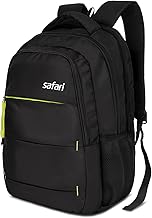


College bags in 2026 are no longer chosen only for appearance or storage capacity. For Indian students, the better buying decision balances laptop protection, daily carrying comfort, weather resistance, organisation, durability, security and personal style. A bag that looks good in photographs but becomes uncomfortable after a few hours of commuting can be a poor everyday choice.
This guide is designed to help shoppers compare the specifications, materials, construction and practical features of college backpacks before checking current prices, ratings and verified customer feedback. Product availability, colours, specifications and pricing can change, so confirm the latest details before purchasing.
Rather than treating one design as universally best, the following ten categories cover the most useful college-bag styles for different student needs.
The strongest trend is toward multifunctionality. Students increasingly want one backpack that works for lectures, laptops, commuting, study sessions, casual outings and short trips. This makes internal organisation more important than simply maximising litres of storage.
Another important trend is the move toward understated designs. Black, navy, grey and other versatile shades remain easy to coordinate with everyday clothing, while students seeking a fashion-oriented look may prefer contrasting panels, subtle logos or distinctive textures.
Comfort is also becoming a more important differentiator. Two backpacks with similar capacity can feel very different because of their shoulder straps, back panel, weight distribution and internal layout. For daily college use, these details can matter more than decorative features.
If a laptop is part of your daily college load, inspect the laptop compartment before considering colours or styling. Look for a dedicated sleeve that keeps the computer separated from books and other objects. A compartment that is padded on multiple sides can provide more protection than a thin fabric divider.
Check the manufacturer's stated laptop compatibility rather than assuming that a bag labelled as a laptop backpack will fit every computer. Screen size alone does not always describe the physical dimensions of a laptop.
Brands such as American Tourister, Wildcraft, Skybags and Samsonite offer backpack ranges where laptop-oriented designs are commonly part of the broader selection, but individual models can differ substantially. Always compare the specifications of the exact model rather than judging an entire brand by reputation.
A larger backpack is not automatically a better college backpack. Extra capacity can encourage overpacking and may make the bag unnecessarily heavy.
A student who carries a notebook, tablet, charger and water bottle may have very different requirements from someone who carries several textbooks, files and a lunch container.
Look at the dimensions and compartment arrangement as well as the stated capacity. A backpack with clever organisation can be more useful than a larger bag with one oversized main compartment.
The outer fabric influences weight, durability, appearance and resistance to everyday wear. However, the fabric name alone does not determine whether a backpack is high quality. Stitching, zippers, seams, lining and reinforcement are equally important.
Polyester is widely used in everyday backpacks because it can offer a practical combination of durability, manageable weight and affordability. It is available in many textures and finishes and is commonly used in school, college and casual bags.
Nylon is another common choice, particularly where manufacturers want a lightweight fabric with good resistance to everyday abrasion. Different grades and constructions can produce significantly different results, so do not judge durability solely from the word "nylon".
Canvas-style materials can deliver a distinctive casual or vintage appearance. They may appeal to students prioritising aesthetics, although their suitability for wet commuting depends on the specific fabric treatment and construction.
Coated synthetic fabrics can provide a smoother, more structured appearance and may offer useful resistance to light moisture. Check the manufacturer's care instructions because coatings can require different cleaning methods from ordinary fabric.
This distinction is frequently overlooked when shopping for a college backpack in India. A bag described as water-resistant should not automatically be treated as completely waterproof.
Water resistance may help protect contents from light rain or brief exposure to moisture, while prolonged heavy rain can expose weaknesses around zippers, seams and openings. Even a water-resistant fabric cannot guarantee that the contents remain dry under every condition.
For a backpack used every weekday, carrying comfort deserves as much attention as storage. Look for shoulder straps with adequate width and cushioning, particularly if the bag will regularly carry books and electronics.
A breathable or padded back panel can also improve comfort in warm weather. However, padding should not be judged only by thickness. Excessively soft padding can sometimes reduce useful internal space or change how the bag sits when heavily loaded.
Small hardware components can determine how well a backpack performs over years of repeated use. A fashionable bag with weak zippers or poorly reinforced handles may not be suitable for a demanding daily routine.
When inspecting a product listing, look closely at product photographs and specifications for zipper construction, pullers, reinforced handles and stitching around high-stress areas.
Internal organisation can make a substantial difference to everyday usability. A backpack with multiple compartments can keep electronics, stationery, documents and personal belongings separated.
However, more pockets do not necessarily mean better organisation. Tiny compartments can become cluttered, while excessive dividers can make it difficult to store larger notebooks or books.
Choose compartments based on what you actually carry. A student who uses only a laptop and notebook may benefit from a simple layout, while someone carrying multiple devices and accessories may prefer detailed organisation.
Anti-theft terminology can cover several different design features, so evaluate the actual construction instead of relying on the label.
No backpack can guarantee protection against theft. In crowded public transport, markets, college events and busy streets, sensible behaviour remains important. Keep valuables secure and avoid placing essential documents or expensive electronics in easily accessible outer pockets.
College backpacks are also part of everyday personal style. The best choice depends on how the bag fits your clothing, commute and social environment.
Black is a practical all-rounder because it coordinates easily with casual and semi-formal clothing and tends to hide everyday marks better than very light colours.
Grey, navy, olive, beige and muted tones can create a more understated appearance while remaining versatile for everyday use.
Sports-oriented styling can work well for students who want a casual appearance and may also use the backpack for gym sessions or other activities.
Structured designs with restrained branding can transition more easily from college to internships, presentations and early professional settings.
Students who prioritise visual appeal may prefer unusual shapes, contrast details, textured fabrics or distinctive branding. Just make sure style does not compromise the required storage and comfort.
Before buying, compare the same set of criteria across several shortlisted models. This reduces the risk of choosing a bag simply because one photograph or promotional feature looks appealing.
Brand recognition can be a useful starting point, but it should not replace model-level comparison. American Tourister, Skybags, Wildcraft and Samsonite are examples of established names shoppers may encounter when comparing backpacks in India. Puma and Nike also offer backpacks that may appeal to students who prefer sports-inspired styling.
Different brands and product lines target different requirements. A lightweight casual backpack from a recognised brand may be less appropriate for a student carrying a heavy laptop and several books every day than a more structured model from the same or another manufacturer.
The most reliable approach is to compare the exact model's dimensions, weight, compartments, materials, laptop compatibility and recent customer feedback before deciding.
Product photographs are useful for judging design, but they cannot tell you whether a backpack will remain comfortable after several hours of carrying. Check the specifications and construction as well.
Extra space is useful only when you need it. An oversized backpack can become unnecessarily heavy and cumbersome.
The bag itself contributes to your total load. Two similarly sized backpacks can have noticeably different empty weights, so include this specification in your comparison.
Rain protection varies considerably. Look at the specific manufacturer's description and consider additional protection for laptops and important documents.
A "15-inch laptop compartment" or similar label is not always enough information. Compare the actual laptop dimensions with the internal compartment dimensions whenever those specifications are available.
Even a well-padded backpack can become uncomfortable if the straps cannot be adjusted to fit the wearer properly.
More compartments do not automatically create better organisation. Prioritise pockets that correspond to the things you actually carry.
Customer reviews can reveal practical issues that specifications do not always communicate, such as perceived comfort, pocket usability, zipper operation or whether the internal layout suits a particular device.
Do not focus only on the average star rating. Read reviews for recurring, specific observations.
Reviews should be considered alongside manufacturer specifications rather than treated as a substitute for them.
The practical goal is to carry only what you need. A backpack should not become a storage container for unnecessary books, chargers, bottles and miscellaneous items.
Start by listing your normal daily load. For example, you might carry a laptop, charger, two notebooks, stationery, a water bottle and a small personal pouch. Then choose a bag that accommodates those items without requiring excessive compression or leaving a large amount of unused space.
If you frequently alternate between light and heavy loads, an expandable or moderately spacious backpack can be more versatile than either an extremely compact or oversized design.
Indian students may encounter hot weather, humidity, dust and seasonal rainfall depending on their location. This makes fabric selection, ventilation and maintenance particularly relevant.
For motorcycle and scooter commuters, a stable fit is particularly useful because a loose backpack can shift while travelling. For bus and train commuters, secure compartments and compact dimensions can make crowded journeys easier.
Good maintenance can help preserve a backpack's appearance and functionality.
A backpack does not necessarily need replacement simply because it looks older. However, certain signs indicate that continuing to use it may be inconvenient or unsuitable.
For a mixed laptop-and-book load, look for a backpack with a dedicated laptop compartment, a spacious main section and enough structure to prevent the computer from being crushed by heavier objects.
Ideally, books should not press directly against a laptop. Place heavier flat items in the main compartment and keep electronics in their protected sleeve. Avoid packing hard objects immediately alongside the laptop.
A separate charger pocket can also reduce cable clutter and prevent the power adapter from moving around inside the laptop compartment.
If you walk extensively between home, transport stops and campus buildings, the empty weight of the backpack deserves serious consideration. Look for a design that provides the required features without excessive material or unnecessary hardware.
Minimalist backpacks can work particularly well when your daily load consists primarily of a tablet or laptop, notebook and a few accessories. If you regularly carry several heavy books, however, an ultralight design may not offer the structure or padding you need.
A conventional college backpack usually prioritises general storage, while a laptop-oriented backpack gives more attention to electronics protection and organisation. Neither is automatically superior.
Sling bags can be convenient for light loads, but they distribute weight differently from backpacks. If you routinely carry a laptop, multiple books or a water bottle, a properly fitted backpack is generally the more practical format.
A sling can make sense when your daily essentials are limited to a phone, wallet, small tablet, keys and a few personal items.
Tote bags can offer easy access and distinctive styling, but they place the load primarily on one side of the body. Backpacks distribute weight across both shoulders and can be more practical for longer commutes or heavier loads.
Premium appearance is not determined by a logo alone. Clean stitching, consistent fabric, well-finished edges, quality-looking hardware, structured panels and restrained branding can all influence how sophisticated a backpack appears.
For students who want a bag that can transition from campus to internships, a simple structured design may remain useful for longer than a highly trend-dependent style.
When narrowing a shortlist, create a simple comparison based on your priorities rather than giving every feature equal importance. A laptop-carrying student may place laptop protection and comfort above colour selection. A student who rarely carries electronics may give more importance to capacity and style.
Instead of setting a budget and immediately choosing the cheapest available model, decide which features are essential first. Then compare several products that satisfy those requirements.
At a lower budget, prioritise strong basic construction, useful capacity, acceptable comfort and the storage you actually need. Avoid paying extra for features that will never be used.
In a mid-range budget, it may be possible to focus more heavily on laptop protection, improved organisation, better materials and more comfortable carrying systems.
At a premium level, compare whether the additional cost provides meaningful improvements in construction, materials, organisation, design or versatility rather than paying primarily for branding.
As an independent editorial buying guide, this page does not manufacture, sell, ship or provide customer service for the backpacks discussed. Before purchasing, compare the exact model across trusted retailers and check the current listed price, seller information, product specifications, customer reviews, delivery terms and applicable return conditions.
Prices and deals can change frequently in India, particularly around major shopping events. A product that appears expensive at one point may become considerably more competitive during a promotion, while an apparently inexpensive listing may have different specifications or seller conditions.
The best type depends on your daily load. A laptop backpack is generally suitable for students carrying computers and books, while a lightweight everyday backpack can be better for students with a smaller load. Students who commute in changing weather should pay additional attention to water resistance and rain protection.
Choose a size based on the items you actually carry. Medium-capacity backpacks are often versatile for ordinary college requirements, while larger designs make more sense when you regularly carry several books, files, clothing or other bulky items.
There is no single best material for every student. Polyester and nylon are common practical choices, while canvas and coated synthetic materials can suit different aesthetic and functional requirements. Construction quality, stitching, zippers and reinforcement should be evaluated alongside the fabric.
They can be useful for students who frequently commute in rain, but check exactly what the manufacturer means by waterproof or water-resistant. Pay particular attention to zippers and seams because the outer fabric is not the only route through which water can enter.
Look for a backpack with a properly padded dedicated laptop compartment that matches your device's actual dimensions. The best choice also provides sensible charger storage, comfortable shoulder straps and sufficient room for the rest of your college essentials.
Yes. A laptop backpack can be an especially practical option when a computer is part of your daily routine. Choose one that still provides adequate space for books, notebooks, stationery and personal items rather than sacrificing general usability for a laptop sleeve.
Focus on comfortable straps, suitable capacity, useful organisation, reasonable empty weight, weather protection and secure storage. If your commute involves crowded public transport, consider designs that make valuables less accessible.
Not necessarily. Higher prices can reflect better materials, construction, organisation or brand positioning, but the additional cost should be assessed against the features you actually need. Compare specifications and customer feedback before assuming that a premium price means better everyday performance.
It is important because the backpack's empty weight becomes part of your daily carrying load. If you already carry a laptop, books and other heavy items, a lighter bag can be preferable provided it still provides the necessary protection and support.
Use the dedicated padded compartment when available, avoid overloading the surrounding area with hard objects and keep liquids securely contained. During heavy rain, use additional protection rather than assuming that a water-resistant backpack is completely waterproof.
Only when those compartments are useful for your routine. Multiple pockets can improve organisation, but too many small sections can make larger items difficult to store. Match the layout to the devices, books and accessories you carry.
Darker colours such as black, navy and darker grey generally make everyday marks less noticeable. Lighter colours can look distinctive but may require more frequent cleaning depending on the material and environment.
Clean it whenever visible dirt accumulates or after exposure to conditions that leave it dirty or damp. Always follow the manufacturer's cleaning instructions because different fabrics and coatings can require different care.
Yes, provided the capacity, organisation and construction suit both purposes. A multifunctional backpack can be useful for students who want one bag for college and occasional short trips, but a travel-specific bag may be more appropriate for larger loads.
Compare the exact models rather than selecting solely by brand. Examine capacity, laptop compatibility, weight, materials, compartments, comfort features, current customer feedback and price. Different product lines within the same brand can be designed for very different uses.
The best college backpack is the one that fits your actual routine rather than simply matching a trend. Start with your daily load, identify whether you need laptop protection, decide how much capacity is genuinely necessary and then compare construction, comfort, organisation and weather protection.
For Indian students, commuting conditions should also influence the decision. A backpack used every day on public transport has different requirements from one used mainly for walking between a hostel and classrooms. Similarly, a student carrying a laptop needs a different internal layout from someone carrying only books and stationery.
Before purchasing, compare the exact product specifications, current price, seller information and verified customer feedback. Check for recurring comments about comfort, durability, zipper performance, laptop fit and actual storage capacity. This approach makes it easier to distinguish a genuinely suitable college backpack from one that simply looks appealing in a product listing.
Because product ranges, prices, colours, specifications and availability can change during 2026, treat the latest retailer listing and manufacturer information as the final reference before placing an order.