

♥ Wishlist
Compare 52 verified Hobos and Shoulder Bags for Women products in India. Reviews, ratings, pros, cons and buying advice updated for October 2026.


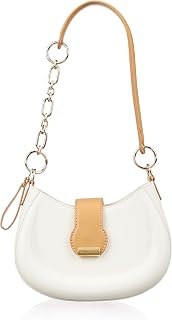


Hobo and shoulder bags continue to occupy an important place in everyday fashion because they combine practical storage with a relaxed, versatile silhouette. For shoppers in India, the best choice is not necessarily the most expensive or trend-led design. A useful bag needs to suit the way it will be carried, the amount of weight it will hold, the climate in which it will be used, and the occasions for which it is intended.
This 2026 buying guide focuses on the details that matter when comparing hobo bags and shoulder bags in the Indian market. Instead of judging a bag only by its appearance, consider construction, material, strap design, interior organisation, closure, capacity, maintenance requirements and overall value. Brands such as Lavie, Caprese, Baggit, Hidesign, Da Milano, Fossil, Coach, Kate Spade and Michael Kors illustrate the broad range of styles shoppers may encounter, from accessible everyday designs to premium leather options.
Product availability, colours, specifications, customer ratings and prices can change frequently. Before purchasing, compare the current listing details and verified customer feedback rather than relying solely on an older product description.
A hobo bag is generally recognised by its soft, curved or crescent-like shape and relaxed construction. Many designs have a single shoulder strap and a body that naturally folds or slouches when carried. The style originated as a practical, casual form of carry bag and has evolved into versions suitable for everyday commuting, shopping, travel and occasion dressing.
The defining feature is usually the combination of a spacious body and flexible construction. However, not every hobo bag has exactly the same proportions. Some are compact and structured, while others are deliberately oversized and soft. The difference is important because a visually attractive slouchy silhouette can become inconvenient if the opening is difficult to access or the bag loses its shape when loaded.
A shoulder bag is a broader category in which the bag is primarily designed to be carried from a strap resting on the shoulder. It may have a structured rectangular body, a compact crossbody-style form, a flap construction, a chain strap or a softer silhouette similar to a hobo.
Because “shoulder bag” covers many designs, shoppers should evaluate the individual construction rather than assuming that every shoulder bag offers the same capacity or comfort. A compact shoulder bag may be excellent for evenings but unsuitable for carrying a tablet, notebook and water bottle. Conversely, an oversized shoulder bag may provide generous capacity but become uncomfortable after several hours.
Fashion trends change quickly, but several design directions are particularly useful when comparing bags in 2026. The most practical approach is to separate short-lived decorative trends from design features that improve everyday usability.
Relaxed hobo shapes remain attractive because they offer a less formal alternative to rigid handbags. Soft bodies can also make it easier to accommodate irregularly shaped personal items. When evaluating a slouchy bag, however, check whether the opening remains accessible and whether the base provides enough support.
Clean surfaces, subtle branding and uncomplicated silhouettes are useful for shoppers who want one bag that works with multiple outfits. Neutral shades such as black, tan, brown, beige and muted tones can be especially versatile, while brighter colours can make a smaller bag more visually distinctive.
Smaller bags remain relevant for occasions when carrying fewer belongings is preferable. The key consideration is not the external dimensions alone but the usable internal space. A compact bag with a poorly designed interior may hold less than its measurements suggest.
Larger hobo bags appeal to shoppers who want to combine fashion with substantial carrying capacity. Before choosing an oversized design, consider the weight of the empty bag and the likely weight of its contents. A large capacity is useful only when it remains comfortable to carry.
Quilting, grain patterns, embossed textures and other surface treatments add visual interest without necessarily requiring elaborate hardware. These finishes can also influence how easily minor marks or wrinkles are noticed, making maintenance requirements worth considering before purchase.
Chains, buckles, rings, clasps and metallic accents can change the character of a bag substantially. Hardware should not be evaluated only for appearance. Check whether attachment points appear securely integrated into the construction and whether the additional hardware adds unnecessary weight.
Some contemporary designs allow the bag to be worn over the shoulder or across the body. This can be valuable for commuting, shopping and travel because it provides greater flexibility. Look carefully at the strap length and attachment position because a nominally convertible design may not suit every body type.
Material selection affects appearance, durability, maintenance, weight and price. There is no universally superior material because the right choice depends on how frequently the bag will be used.
Genuine leather can provide a premium appearance and, with suitable care, may develop a distinctive patina over time. Leather bags can also vary substantially depending on the type and quality of leather used. Terms such as genuine leather alone do not fully describe softness, grain, finish or construction quality.
Leather is generally better suited to shoppers willing to follow the manufacturer's care recommendations. Prolonged exposure to moisture, excessive heat, unsuitable cleaning products and rough storage can affect its appearance.
Synthetic leather is widely used for fashion bags because it can provide a leather-like appearance while supporting a broad range of colours and finishes. It is often attractive to shoppers who want an easy-care fashion accessory at a more accessible price point.
Quality can vary considerably, so inspect the surface, stitching, lining, edges and hardware rather than evaluating the material label alone.
Fabric bags can be lightweight and casual, making them suitable for everyday use. Canvas and similar materials may work well for shoppers who prioritise low weight and a relaxed appearance. Maintenance should be checked carefully because some fabric constructions are easier to clean than others.
Nylon and other technical fabrics can be useful for travel and practical daily use because they can offer a lightweight construction. Their appearance is usually more casual than premium leather, but that may be an advantage for commuting or frequent use.
A good-looking exterior does not necessarily indicate strong construction. When comparing products, examine several physical details together.
Look for reasonably consistent stitching around handles, strap attachment points, seams and pockets. High-stress areas deserve particular attention because they experience repeated pulling during everyday use.
The connection between the shoulder strap and the main body is one of the most important structural areas. Metal rings, loops, stitched tabs and reinforced attachment points should appear appropriate for the bag's size and expected load.
On leather and synthetic-leather bags, examine exposed edges for consistent finishing. Poorly finished edges can affect the visual quality of the bag and may become more noticeable with frequent handling.
A lining protects the interior and contributes to the overall usability of the bag. Check whether the lining appears securely attached and whether its pockets are positioned where they can actually be used.
A reinforced or moderately structured base can help a larger bag retain its shape and stand more reliably when placed on a surface. Extremely soft bags may collapse when empty, which is normal for the design but less convenient for users who prefer easy access.
The shoulder strap directly affects comfort. A bag that looks excellent but has a narrow, stiff or poorly positioned strap can become frustrating during extended use.
Choosing the correct size is more useful than simply choosing the largest bag available. Start by identifying the items you normally carry. A practical daily load might include a phone, wallet, keys, sunglasses, cosmetics, charger, notebook or water bottle. Your requirements may be considerably smaller or larger.
Pay attention to the difference between external dimensions and usable capacity. Thick padding, large pockets, decorative panels and curved edges can reduce the space available for everyday belongings.
Small shoulder bags are suitable for essentials and can be comfortable for social occasions, dinners and light outings. They are less appropriate when you need to carry multiple bulky objects.
Medium-sized designs provide a useful balance between appearance and functionality. They are often suitable for general daily use when a handbag needs to accommodate more than just the essentials.
Large hobos can provide excellent capacity, but shoppers should consider weight management. A spacious bag encourages overpacking, which can make the bag uncomfortable even when its construction is perfectly adequate.
Two bags with similar external dimensions can feel completely different in everyday use because of their internal layouts. Consider the number and position of compartments before purchasing.
Zippers provide a strong balance between security and convenience. They are especially useful for commuting and crowded environments where the contents of a bag should remain enclosed.
Magnetic closures are convenient for frequent access and can contribute to a clean appearance. However, the actual level of security depends on the design and strength of the closure.
Flap designs can provide a distinctive appearance and additional protection for the opening. Buckles may be decorative or functional, so check whether the closure is genuinely quick to use.
Open-top bags provide rapid access but offer less protection against accidental spills or items falling out. They are generally better suited to controlled environments than crowded public transport.
Colour should be considered alongside wardrobe versatility and maintenance. Black is a widely adaptable choice and can work across formal and casual outfits. Tan, brown and beige can complement neutral wardrobes and create a softer appearance. Burgundy, navy, olive and similar darker tones can provide more personality while remaining relatively versatile.
Light colours can create a sophisticated appearance but may show dust, stains and transfer from darker clothing more easily. Very bright shades can make a bag a statement accessory but may be less suitable when one bag is expected to work with many outfits.
Prioritise organisation, comfortable straps, a secure closure and sufficient space for your normal work essentials. If you carry electronics, check the dimensions of the device compartment rather than assuming that a large-looking handbag will accommodate a tablet or laptop.
Durability, weight and capacity are particularly important. A fashionable bag that becomes heavy after adding notebooks, chargers and personal items may not be suitable for long days. Consider a stronger strap and reinforced attachment points when carrying heavier loads regularly.
A medium or large hobo can be convenient because its soft construction allows flexible packing. A secure zip and comfortable shoulder strap are useful when moving between shops, transport and other destinations.
Travel-friendly shoulder bags should provide easy access without sacrificing security. Look for secure closures, useful internal compartments and a strap that remains comfortable for extended periods. A compact design may be preferable in crowded areas, while a larger option can work when carrying more personal essentials.
Smaller shoulder bags with polished hardware, refined textures or elegant finishes are generally more appropriate than large carry-all designs. Capacity is less important when the bag is intended primarily for a phone, cards, keys and a few cosmetics.
A casual wardrobe often pairs naturally with soft hobo silhouettes, denim, relaxed trousers and everyday footwear. Structured shoulder bags can complement office clothing, tailored outfits and polished separates. Minimalist bags can bridge both categories when you want one accessory to work across multiple settings.
Brand identity can also influence styling. For example, shoppers comparing designs from Lavie, Caprese and Baggit may find a broad selection of fashion-oriented everyday silhouettes, while premium labels such as Hidesign, Fossil, Coach, Kate Spade and Michael Kors can represent different approaches to materials, branding, construction and aesthetic positioning. Always compare the individual product rather than assuming that every bag from a particular brand has identical quality or features.
Customer reviews can be valuable when they are interpreted carefully. Rather than looking only at the overall star rating, search for repeated comments about construction, colour accuracy, strap comfort, capacity, zipper quality and long-term appearance.
Pay particular attention to reviews containing specific observations. A comment explaining how the bag accommodates a particular daily load is more informative for purchase decisions than a short statement that the product is simply “good.” Recent reviews can also reveal changes in materials, packaging or product versions, although they should still be considered alongside the current specification.
When comparing a shortlist of ten hobo or shoulder bags, create a simple feature-by-feature comparison rather than relying on a single overall impression. Give priority to the characteristics that matter most for your intended use.
The most expensive bag is not automatically the best purchase. A higher price may reflect material, construction, design, branding or other factors, but the practical value depends on what you actually need.
For an everyday bag, features such as a comfortable strap, reliable closure, useful pockets and suitable capacity may have greater practical importance than decorative hardware. Conversely, someone buying a bag primarily for special occasions may reasonably place greater emphasis on finish, silhouette and visual design.
Store the bag in a clean, dry location away from prolonged direct sunlight. Where appropriate, maintain the shape with clean, soft stuffing rather than compressing the bag under heavy objects. Avoid storing a bag while it is damp.
Follow the care instructions supplied for the specific material. Do not automatically apply household cleaners to leather, synthetic leather or specialty fabrics because unsuitable products can alter the finish.
Soft hobo bags naturally change shape during use, but excessive overloading can place unnecessary stress on seams and straps. Carry only what is reasonably necessary and avoid forcing bulky objects into a compartment that was not designed for them.
Leather requires material-appropriate care. Avoid excessive moisture and harsh cleaning products, and use only products that are compatible with the specific leather finish. Manufacturer guidance should take priority over generic cleaning advice.
Metallic hardware can lose its appearance through abrasion, moisture, cosmetics and other environmental exposure. Keeping hardware reasonably clean and avoiding unnecessary contact with abrasive surfaces can help preserve its finish.
Yes, a well-designed hobo can be an excellent everyday option, particularly when you prefer a soft silhouette and need moderate to generous storage. Comfort depends on the bag's empty weight, strap design and the amount carried.
They can be. Choose a cleaner silhouette with adequate organisation, a secure closure and enough capacity for your work essentials. A structured shoulder bag may be preferable if you need a more formal appearance or dedicated device storage.
There is no single best material. Leather may appeal to shoppers prioritising premium appearance and longevity with appropriate care, while synthetic materials and technical fabrics can offer different combinations of weight, maintenance and styling flexibility.
Only if you regularly need the additional capacity. An oversized bag can become unnecessarily heavy when filled, so choose capacity according to your actual daily requirements.
Black, brown, tan, beige and other neutral shades are generally versatile. The best colour ultimately depends on your wardrobe, footwear and the occasions for which you intend to use the bag.
Choose according to your priorities. A zip generally provides a more enclosed design, while a magnetic closure can make frequent access easier. Consider where and how you normally carry the bag.
They can be useful, especially when multiple recent reviews discuss the same practical characteristic. Use reviews together with current dimensions, materials, photographs and specifications rather than treating the overall rating as the only deciding factor.
The best option depends on your budget, preferred material, carrying needs, wardrobe and intended use. A practical comparison should consider construction, strap comfort, capacity, organisation, closure and current customer feedback rather than selecting a winner solely by brand popularity.
Depending on your budget and preferred style, you may compare brands such as Lavie, Caprese, Baggit, Hidesign, Da Milano, Fossil, Coach, Kate Spade and Michael Kors. Product specifications differ within every brand, so compare the individual models carefully.
They can be worthwhile when the material, construction, design and expected frequency of use justify the additional cost. If the primary requirements are everyday storage and comfort, a less expensive bag with strong practical specifications may provide better value.
Start with dimensions, material, strap length, closure, weight and interior layout. Then review current customer feedback and compare the product with alternatives offering similar specifications.
Look at the strap width, strap drop, bag weight and expected loaded weight. A long strap may provide easier shoulder access, while a wider strap can distribute pressure more effectively. Product photographs alone cannot reliably determine comfort.
Many synthetic leather bags are designed for regular use, but durability varies by material formulation and construction. Examine stitching, edges, lining, hardware and customer feedback instead of assuming that every synthetic leather bag will perform identically.
Sometimes, but not always. If you need a laptop, documents or a highly organised interior, a dedicated work tote may be more suitable. A hobo can work well when your office load is lighter and you prefer a softer silhouette.
The best latest hobo or shoulder bag is the one that fits your actual routine rather than simply following the most visible fashion trend. Start with your daily load, then evaluate size, weight, strap comfort, closure, organisation and material. After those practical requirements are satisfied, consider colour, texture, branding and current styling trends.
For shoppers in India, it is also sensible to compare the current specifications, verified customer reviews and today's price across trusted retailers before purchasing. Product listings can change during 2026, so a comparison made several months ago may no longer represent the current version, price or availability.
Whether you prefer a relaxed oversized hobo, a polished structured shoulder bag, a compact evening design or a practical everyday carry-all, a careful feature comparison can help you spend your budget on the characteristics that matter most.
Which would you prefer for the next version: a detailed top-10 comparison table, individual product review sections, or a more fashion-trend-focused guide?