

♥ Wishlist
Compare 52 verified Rucksacks Bags for Everyday Travel, College & Outdoor Use products in India. Reviews, ratings, pros, cons and buying advice updated for October 2026.


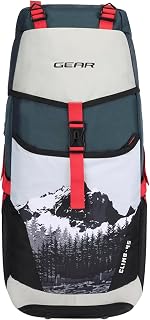


Rucksacks have moved well beyond the traditional school or trekking bag. In 2026, shoppers in India can choose from compact everyday backpacks, office-ready laptop rucksacks, travel packs, college bags, hiking designs and convertible models that combine several carrying options. The right choice depends less on appearance alone and more on capacity, organisation, materials, comfort, weather resistance, laptop protection and the way the bag will be used.
This buying guide is designed to make comparison easier when evaluating the latest rucksack bag trends for 2026. Instead of choosing purely by colour or brand recognition, consider the dimensions, usable storage, load distribution, shoulder-strap construction, back ventilation, zippers, fabric, compartments and suitability for India's climate and travel conditions.
Because product specifications, ratings, stock status and prices can change, check the latest product information and customer feedback before purchasing. A rucksack that is excellent for commuting may be unnecessarily large for daily use, while a lightweight daypack may be unsuitable for carrying a laptop, camera equipment or several days of travel essentials.
The strongest rucksack trends are increasingly focused on practical versatility rather than decoration. Buyers are looking for bags that can move between work, college, commuting, short trips and leisure activities without becoming uncomfortable or excessively bulky.
The best rucksack is not necessarily the most expensive or the largest model. It is the one whose capacity, construction and organisation match the user's actual routine. Before comparing individual products, establish what you normally carry and how long the bag will remain on your back each day.
Start with the primary purpose. An office commuter generally needs a different design from a student, cyclist, weekend traveller or trekker. A laptop rucksack prioritises electronics protection and organisation, whereas a hiking rucksack may place greater emphasis on ventilation, load transfer and weather protection.
Capacity should be considered in relation to the contents rather than the advertised litre figure alone. Two rucksacks with similar stated capacities can feel completely different because of their compartment layouts, depth and shape.
A common mistake is buying additional capacity simply because a larger bag appears more versatile. Oversized bags can encourage unnecessary packing and may become uncomfortable when filled. Select enough room for your normal load while leaving modest additional capacity for occasional needs.
If the rucksack will carry a laptop, do not rely solely on a product name such as “laptop backpack.” Check the actual dimensions of the dedicated compartment and compare them with the laptop's physical measurements.
The compartment should ideally hold the computer securely without excessive movement. Padding can reduce the impact of everyday handling, but a padded sleeve does not make an electronic device immune to drops or crushing. If you regularly carry a laptop, look for a structure that keeps the computer separated from hard objects such as chargers, bottles and metal accessories.
Material selection has a direct effect on durability, weight, appearance and resistance to everyday wear. There is no single fabric that is automatically best for every buyer.
Polyester is widely used in everyday bags because it can provide a practical balance between cost, weight and durability. Different polyester constructions can vary considerably, so the material name alone should not be treated as a complete indication of quality.
Nylon is another common choice, particularly for bags where strength and relatively low weight are important. Ripstop constructions can provide additional resistance to tearing because the fabric incorporates a reinforcing pattern.
Canvas can offer a distinctive casual or heritage appearance and may appeal to users who prioritise style. Depending on the construction and treatment, canvas can be heavier and may require more attention when exposed to rain or moisture.
Some manufacturers offer rucksacks using recycled fibres or other material-focused construction approaches. When sustainability is important, examine the manufacturer's specific material information rather than assuming that a particular fabric name automatically means a lower environmental impact.
One of the most frequently misunderstood rucksack specifications is water protection. A bag described as water-resistant should not automatically be treated as waterproof.
Water-resistant fabric may provide useful protection against light rain or accidental splashes, while waterproof construction generally requires more comprehensive design measures. Seams, zipper openings and stitching can allow water to enter even when the primary fabric resists moisture.
A bag can have excellent storage and still be a poor purchase if it becomes uncomfortable after an hour of carrying. Comfort depends on the interaction between the bag's weight, dimensions, strap design, back panel, load placement and the individual wearer.
Look for shoulder straps that are sufficiently padded and adjustable. Wider straps can distribute pressure over a greater area, while contoured designs may sit more naturally on the shoulders. The ideal adjustment depends on body shape and how the bag is packed.
A padded or ventilated back panel can improve comfort, particularly in warm conditions. However, additional padding can also add weight or reduce the amount of internal space. A well-designed back panel should balance support, airflow and practicality.
A chest strap can help stabilise a loaded rucksack, especially during cycling, walking or outdoor activities. A waist or hip belt can be useful for larger loads because it can transfer some weight away from the shoulders. For a small office backpack, these features may be unnecessary.
How the bag is packed matters almost as much as the bag itself. Heavier objects should generally be positioned close to the back rather than allowed to swing at the outermost part of the bag. This can make the load feel more stable while walking.
Modern rucksacks can contain a large number of pockets, but excessive organisation can reduce usable space. The best layout depends on what you carry regularly.
Before buying, imagine packing your normal daily load into every compartment. If a pocket is too narrow for the item it is supposedly designed to hold, or if opening one section blocks access to another, the additional organisation may not provide much practical value.
Small hardware components can have a major effect on long-term usability. Examine zipper placement, pull tabs, buckles, adjustment points and attachment loops when comparing models.
Zippers should open smoothly without repeatedly catching on fabric. Large compartments benefit from openings that provide adequate visibility and access. For travel, lockable or lock-compatible zipper arrangements may be useful, although they should not be considered a complete security solution.
Plastic buckles can be perfectly practical for everyday use, while heavier-duty hardware may be appropriate for outdoor applications. What matters is whether the hardware is appropriate for the expected load and frequency of use.
When two bags provide similar capacity, the lighter model can be attractive for people who carry their rucksack for long periods. Every gram of bag weight is added to the contents already being carried.
However, extremely low weight can sometimes involve compromises in padding, structure, durability or organisation. The goal is not simply to buy the lightest possible rucksack; it is to find an appropriate balance between empty weight and the features required for the intended use.
An office rucksack should combine practical organisation with a design that works in professional settings. A clean silhouette, restrained branding and a structured laptop compartment can make a backpack more suitable for commuting between home, office, meetings and public transport.
Brands such as American Tourister, Samsonite, Wildcraft, Skybags and HP offer different types of bags across travel, laptop and everyday categories. Compare the specifications of the individual model rather than assuming that every bag from a particular brand has the same construction.
College users often need a combination of capacity, durability and organisation. Books, notebooks, laptops, headphones, chargers, water bottles and personal items can quickly make a small backpack impractical.
A good college rucksack should have enough room for the day's essentials while remaining comfortable when partially or fully loaded. A laptop compartment is useful for students carrying a computer, while an external bottle pocket can keep liquid containers away from books and electronics.
Look for a practical balance between capacity and empty weight. A very large bag may be unnecessary if most days involve only a laptop, a few notebooks and personal accessories.
Travel bags face different demands from everyday office backpacks. Frequent movement through railway stations, airports, buses, hotels and crowded streets makes access and organisation especially important.
For air travel, never assume that a rucksack's advertised capacity automatically qualifies it as cabin baggage. Airline baggage rules can change and may distinguish between dimensions, weight and baggage categories. Check the current requirements of the airline and itinerary before travelling.
India's varied climate makes weather protection an important consideration. A user in a region with frequent monsoon rain may prioritise moisture resistance, while someone commuting in hot conditions may place greater importance on back ventilation.
For rainy conditions, consider the complete construction rather than just the outer fabric. For hot weather, examine the contact area between the back and the bag. Ventilated mesh panels or channels may help reduce direct contact, although actual comfort varies between designs and users.
Urban commuting and travel can make security a practical concern. Features such as concealed pockets, less accessible zippers and organised internal storage can reduce accidental exposure of valuables, but no rucksack should be considered theft-proof.
Minimalist bags generally use a simpler exterior and fewer visible compartments. They can be particularly suitable for office commuting and everyday use because they often have a clean appearance.
Feature-rich designs can include numerous pockets, USB-related features, luggage straps, hidden compartments, expandable sections and multiple access points. These features can be valuable for frequent travellers but may add weight and complexity.
Do not pay for a feature simply because it appears on a specification list. Ask whether you will actually use it. Practical capacity, comfort and construction usually have a greater effect on everyday satisfaction than novelty features.
Expandable designs can be useful for commuters who normally carry a compact load but occasionally need additional room. Expansion can accommodate a jacket, documents, purchases or extra clothing without requiring a second bag.
The trade-off is that an expanded bag can become deeper and less comfortable in crowded environments. Check the dimensions in both compressed and expanded configurations if those measurements are provided.
Black, navy, grey and other subdued colours remain practical choices for people who want one bag that works across multiple settings. Darker colours can also make everyday marks less noticeable, although the actual ease of cleaning depends on the fabric.
Brighter colours and distinctive designs can make a rucksack easier to identify and may appeal to students or casual users. Appearance should be evaluated alongside maintenance requirements, because textured fabrics, light colours and decorative materials can have different cleaning needs.
When comparing several models, create a simple specification checklist rather than relying on product titles or promotional descriptions.
Customer reviews can provide useful information, but the most valuable approach is to look for repeated patterns rather than relying on one extremely positive or negative comment.
A traveler's complaint about a small office rucksack may be irrelevant to someone who carries only a laptop and charger. Similarly, a student's positive review of a large backpack does not necessarily mean it is the best choice for a minimalist commuter.
A stylish exterior cannot compensate for uncomfortable straps, poor organisation or insufficient capacity. Check functional specifications before making the final decision.
Extra capacity sounds useful, but a larger bag can become heavier and bulkier. Choose based on normal usage rather than the biggest possible load.
A heavy rucksack starts every journey with additional load. This becomes particularly noticeable when the bag is carried for long periods.
Weather protection varies considerably. Examine the stated construction and consider a rain cover when regular exposure to heavy rain is expected.
A laptop's screen size is not the same as its complete physical dimensions. Measure the device before purchasing a dedicated laptop bag.
More pockets do not automatically mean better organisation. A simple layout can sometimes be easier to use than a highly segmented interior.
When comparing products from retailers, review the current return, replacement and warranty conditions before purchasing. These terms can differ by product, seller and marketplace.
Good maintenance can help preserve both appearance and functionality. Always follow the manufacturer's care instructions because cleaning methods suitable for one fabric may damage another.
There is no universally correct budget. A basic everyday bag may meet the needs of a light user, while someone carrying an expensive laptop or travelling frequently may benefit from investing in better organisation, protection and construction.
Rather than setting a budget and choosing the most expensive model within it, identify the features that matter most and compare models around those requirements. Price should be evaluated alongside material, capacity, construction, comfort, warranty terms and current customer feedback.
Brand familiarity can make product discovery easier, but it should not replace model-level comparison. Brands such as American Tourister, Samsonite, Wildcraft, Skybags, VIP, Puma, Adidas, Nike, Lenovo, HP and Dell offer products across different use cases and price segments. Product ranges can change, so always verify the specifications of the exact model under consideration.
A recognised brand does not automatically mean that every model is suitable for every purpose. A sports-oriented backpack, business laptop rucksack and travel pack from the same manufacturer can have completely different priorities.
The terms “rucksack” and “backpack” are often used interchangeably in everyday shopping. Traditionally, rucksacks are associated with outdoor or load-carrying designs, while backpack is the broader term covering many bags worn on the back. In modern retail listings, however, the distinction is not always consistent.
For shopping purposes, focus on the actual specifications rather than the terminology used in the product title. Capacity, construction, compartments, harness design and intended use provide more useful information than whether a listing calls the product a rucksack or backpack.
The best everyday rucksack depends on what you carry. For many commuters and students, a medium-capacity design with comfortable straps, practical organisation and appropriate laptop protection offers a useful balance. Users who carry very little may prefer a smaller, lighter model.
A moderate-capacity rucksack is usually more practical than an oversized travel pack for office commuting. The correct size depends on the laptop, documents, lunch, accessories and other items you normally carry.
A laptop rucksack can be preferable when you regularly carry a computer because it generally provides a dedicated compartment. However, compare the actual padding, dimensions and construction instead of relying only on the “laptop” label.
No. Higher pricing can correspond to particular materials, construction or features, but suitability depends on the individual model and your requirements. Compare specifications and current customer feedback before deciding.
Durability depends on the complete construction, not just the fabric name. Nylon and polyester are both common practical choices, while canvas can appeal to users who prefer a different appearance and feel. Examine fabric construction, stitching, hardware and manufacturer information together.
Water resistance is particularly useful for commuters and travellers exposed to rain, but its importance depends on local weather and usage. If electronics are carried during monsoon conditions, consider the complete protection strategy rather than relying on a fabric description alone.
Only if the compartments match your needs. Additional pockets can improve organisation, but too many small sections can reduce usable space and make larger items difficult to store.
Yes. A minimalist design can be particularly suitable for office environments when it provides sufficient laptop protection, organisation and capacity without unnecessary bulk.
Look for repeated comments about comfort, capacity, zipper performance, material quality, compartment usefulness and long-term durability. Give greater weight to feedback from people whose usage closely resembles your own.
Rucksack models, specifications, ratings, prices and availability can change throughout the year. For an August 2026 purchase, verify the current product listing, specifications, retailer terms and customer reviews immediately before buying.
The latest rucksack trends are ultimately about making everyday carrying more convenient. A fashionable design can be appealing, but the strongest purchase decision comes from matching the bag to your actual routine.
For work, prioritise laptop protection, organisation and a professional profile. For college, focus on capacity, comfort and durability. For travel, consider access, luggage compatibility, weather protection and load organisation. For outdoor activities, pay particular attention to carrying stability, ventilation, adjustment and construction.
Before choosing from the latest rucksack options available in India, compare the exact model specifications, dimensions, empty weight, materials, compartment layout and current customer feedback. Check today's price and retailer terms separately because these can change independently of the product's underlying specifications.
The most useful rucksack is rarely the one with the longest feature list. It is the one that carries your regular load comfortably, protects the things that matter, fits your lifestyle and remains practical after the novelty of a new purchase has disappeared.