

♥ Wishlist
Compare 10 verified Backpacks for Everyday, College, Travel & More products in India. Reviews, ratings, pros, cons and buying advice updated for October 2026.
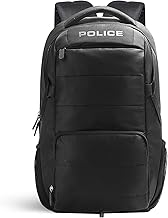


Backpacks in 2026 are increasingly being chosen around specific use cases rather than appearance alone. For Indian buyers, the right backpack may need to handle commuting, college, office travel, short trips, laptops, monsoon conditions, crowded public transport and everyday carrying without becoming unnecessarily heavy. This makes capacity, organisation, comfort, material quality and protection just as important as current styling.
The most useful way to compare the latest backpack trends is to separate fashion trends from functional improvements. Minimalist silhouettes, clean compartments and understated colours can influence appearance, while laptop sleeves, luggage pass-through panels, breathable back padding, USB charging provisions and water-resistant fabrics can affect everyday practicality. Not every fashionable feature is useful for every buyer, so specifications should be matched to the way the backpack will actually be used.
Backpack capacity should be based on what you routinely carry rather than selecting the largest available option. A bag that is too small forces items into overcrowded compartments, while an unnecessarily large backpack can encourage overpacking and may feel cumbersome during a daily commute.
Capacity is commonly expressed in litres, but litre ratings alone do not describe usability. Two backpacks with similar stated capacity can feel very different because of compartment shapes, laptop sleeves, external pockets, padding and opening design. Look at the dimensions and internal layout whenever those specifications are available.
If a backpack will carry a laptop every day, the computer compartment deserves more attention than decorative features. Check the manufacturer's stated laptop compatibility instead of relying only on a generic description such as “large laptop compartment.” Screen size is not the only consideration because laptop dimensions vary between models.
Popular established brands such as American Tourister, Samsonite, Wildcraft, Skybags and Lenovo offer backpacks across different categories, but brand recognition should not replace specification checking. The best choice depends on the particular model, construction and intended workload.
Material affects weight, durability, appearance and resistance to everyday wear. There is no single fabric that is automatically best for every backpack.
Polyester is widely used in everyday backpacks because it can provide a practical balance of weight, durability and cost. The actual performance depends on fabric construction, denier, stitching, coatings and overall manufacturing quality.
Nylon is another common backpack material and is often valued for its strength-to-weight characteristics. Different nylon constructions behave differently, so simply seeing the word “nylon” does not establish how durable a particular bag will be.
Canvas can offer a distinctive casual or heritage appearance and may appeal to buyers who prioritise style. It can, however, behave differently from synthetic fabrics in wet conditions and may require more consideration regarding maintenance and weight.
A water-resistant coating can provide useful protection against light rain and accidental splashes. Water resistance should not automatically be interpreted as waterproof construction. Check whether the manufacturer specifies the intended level of protection and whether seams and zippers receive corresponding treatment.
For many Indian commuters, rain protection is an important practical consideration. A backpack can have a water-resistant exterior without being designed for prolonged exposure to heavy rain. Buyers should therefore distinguish between water-resistant fabric, water-repellent treatment and genuinely waterproof construction.
Comfort becomes increasingly important as carrying time and load increase. A visually attractive backpack can become frustrating if its shoulder straps dig into the shoulders or its back panel creates excessive heat.
Do not evaluate padding simply by looking at photographs. When specifications or detailed product images are available, inspect the width, attachment points and adjustment range of the shoulder straps. Pay particular attention to the points where straps connect to the main body because these areas experience repeated stress.
A structured back panel can also affect how the backpack carries weight. Excessively soft construction may allow contents to press into the back, while an overly rigid design can add weight. The appropriate balance depends on the intended load.
Organisation is one of the most important differences between backpacks that appear similar externally. A bag with many pockets is not necessarily better. Too many small compartments can make larger everyday items difficult to store.
Before buying, imagine packing the exact items you normally carry. This simple exercise often reveals whether the internal layout is genuinely useful.
Small hardware components can have an outsized effect on everyday usability. Zippers should move smoothly without excessive resistance, while pullers should be easy to operate. Stitching should be examined around handles, shoulder-strap attachment points, pocket openings and high-stress seams.
When product photography is detailed enough, inspect reinforcement around frequently loaded areas. A backpack may use durable fabric but still have weak construction if stress points are poorly reinforced.
An office backpack generally benefits from a restrained exterior, organised technology storage and enough room for daily work equipment. Buyers who regularly travel between home, office and meetings may also value a luggage pass-through sleeve or a compartment that keeps documents separate from personal belongings.
College users often need more flexibility than office commuters because the daily load can include textbooks, notebooks, stationery, chargers, headphones, water bottles and personal items. A medium-capacity backpack with a practical main compartment and technology sleeve is often more useful than a heavily segmented business bag.
Students should also consider the total loaded weight. A backpack that looks spacious can encourage carrying unnecessary items every day. Prioritise comfortable straps and sensible organisation rather than capacity alone.
Travel backpacks should be assessed differently from everyday commuter models. A travel-oriented design may benefit from a wider opening, more substantial capacity and better separation between clothing and technology.
Minimalist backpacks continue to appeal to users who want a cleaner appearance without sacrificing essential functionality. The most useful minimalist designs avoid unnecessary exterior detailing while retaining practical internal organisation.
For an everyday minimalist backpack, consider whether the streamlined appearance comes at the expense of useful storage. A clean exterior is beneficial only if the interior remains practical for the items you actually carry.
“Anti-theft” is a broad marketing description rather than a guarantee that belongings cannot be stolen. Depending on the model, security-oriented features can include concealed pockets, less accessible zippers, hidden compartments or reinforced construction.
Empty backpack weight matters because every additional gram becomes part of the daily carrying load. This is particularly relevant for students and commuters who carry a backpack for several hours.
However, choosing the lightest possible bag is not always the best strategy. Additional padding, structure and protective compartments can add weight while providing useful benefits. The better approach is to compare empty weight against the level of protection and organisation required.
When two models appear similar, use a specification-by-specification comparison rather than choosing based solely on appearance or customer ratings.
Customer reviews are useful evidence, but they should be interpreted carefully. A high rating does not automatically mean a backpack is appropriate for every user, and an isolated negative review may describe a problem that does not affect most buyers.
Look for recurring comments concerning zipper performance, strap comfort, stitching, capacity, laptop fit, water resistance and long-term durability. Reviews that explain how the product was used are generally more informative for comparison than short comments that provide only a rating.
Also check the date of reviews and whether the reviewed product variant is identical to the model currently being considered. Product listings can sometimes contain multiple colours, sizes or versions under a common listing.
Style matters, but a backpack is a load-carrying product. Attractive styling cannot compensate for poor organisation, uncomfortable straps or inadequate capacity.
Extra capacity is useful only when it serves a purpose. An oversized daily backpack can encourage unnecessary packing and become uncomfortable when heavily loaded.
A backpack described as a laptop backpack may not accommodate every laptop size. Always compare actual device dimensions with the stated compartment dimensions where available.
Water-resistant fabric can help with light rain but should not automatically be treated as complete protection against prolonged heavy rainfall.
A heavy backpack starts every journey with additional load before books, electronics or clothing are added.
More pockets can sound attractive, but poorly arranged compartments may reduce usable space. Think about the size and shape of your everyday items.
The most reliable way to select a backpack is to start with a typical day. An office worker carrying a laptop, charger, lunch box and documents has different requirements from a college student carrying books and sportswear. A frequent traveller has different priorities again.
A higher price can sometimes reflect better materials, stronger construction, more sophisticated organisation or improved padding, but price alone does not establish quality. Likewise, a low-cost backpack can be perfectly adequate when the expected workload is modest.
For a value-focused purchase, identify the features that directly affect your use and spend more only where those features provide meaningful benefit. For example, a laptop user may reasonably prioritise padded computer protection, while a lightweight day-trip user may place greater value on low empty weight.
Brand selection can help narrow a crowded market, but individual models should still be compared on their own specifications. Depending on the category and budget, Indian shoppers may encounter established names such as American Tourister, Samsonite, Wildcraft, Skybags, Lenovo, Puma, Adidas, Nike, HP, Dell and Safari.
Availability, model ranges, specifications and pricing can change over time. Always verify the exact model rather than assuming every backpack from a particular brand has the same construction or warranty terms.
Good maintenance can help preserve a backpack's appearance and functionality. Care instructions vary by fabric and manufacturer, so the product's own care label should take priority.
Start by checking the care label and manufacturer's cleaning guidance. Remove all contents, shake out loose debris and clean surface dirt using an appropriate method for the fabric. For many backpacks, gentle spot cleaning is preferable to aggressive washing, but the correct procedure depends on the construction and care instructions.
Do not assume that every backpack is machine washable. Structured laptop backpacks, bags containing rigid panels and products with special coatings may require different treatment.
Even a padded laptop compartment does not eliminate the risk of damage. Place the laptop securely in its designated compartment and avoid putting heavy or hard objects directly against the device. Keep liquids in properly sealed containers and, where possible, separate them from electronics.
When travelling, avoid dropping a backpack containing a laptop or placing heavy luggage on top of it. Padding reduces some impact risk but does not make electronic devices indestructible.
How a backpack is packed can be almost as important as which backpack is selected. Heavy objects should generally be positioned so that the load remains stable and close to the body rather than allowing heavy contents to swing away from the back.
Current backpack styling increasingly blends casual fashion with technology-oriented functionality. Neutral colours, streamlined silhouettes and understated branding can work across college and office environments, while larger travel models may emphasise utility through external attachment points and expanded storage.
Buyers should separate genuinely useful innovations from features included mainly for appearance. A charging port, for example, is only useful if its design works with the user's power bank and cable arrangement. Similarly, an unusually large number of compartments may sound impressive but can reduce practical storage.
Online photographs can make backpacks difficult to judge accurately because perspective can distort apparent size. Before purchasing, compare the listed dimensions with a familiar object or measure the space you expect to carry.
A strong comparison should not simply rank backpacks from first to tenth. The better approach is to identify the most suitable option for different priorities. One model may be better suited to office commuting, another to college, another to travel and another to buyers who prioritise low weight.
When comparing shortlisted models, create a simple matrix covering capacity, laptop support, weight, material, compartments, comfort features, water resistance, warranty and current price. This prevents a highly visible feature from overshadowing more important specifications.
A premium backpack can make sense for someone who carries expensive electronics, travels frequently or uses the bag heavily throughout the week. The additional cost should ideally correspond to tangible improvements such as construction, materials, protection, comfort or organisation.
If the backpack will be used occasionally for light loads, paying substantially more may offer limited practical benefit. Match the quality level to the workload rather than assuming the most expensive option is automatically the best.
A budget backpack can be appropriate when carrying requirements are modest and the user does not need extensive laptop protection or travel-oriented features. The key is to avoid sacrificing basic construction quality simply to achieve the lowest possible price.
Inspect reviews for repeated complaints about broken zippers, loose stitching, strap failures and inaccurate capacity descriptions. These issues can make an apparently inexpensive backpack poor value over time.
There is no single best backpack for every Indian buyer. The appropriate choice depends on whether the primary use is office commuting, college, travel, laptop carrying, everyday use or another purpose. Compare capacity, comfort, material, organisation, protection and current specifications before deciding.
Established brands such as American Tourister, Samsonite, Wildcraft, Skybags and Safari offer products across different categories, while brands such as Lenovo, HP and Dell are also relevant when laptop-oriented designs are being considered. The best brand depends on the category and individual model, so compare specifications rather than choosing by brand name alone.
The appropriate capacity depends on what you carry. A person carrying only a few essentials needs considerably less space than someone carrying a laptop, books, lunch and other equipment. Compare actual dimensions and compartment design as well as litre capacity.
It can be worthwhile if you regularly carry a laptop because dedicated padding and organisation can make transportation more convenient. Confirm the actual laptop compartment dimensions before purchasing.
They can be useful for users who regularly commute in heavy rain, but the term “waterproof” should be verified against the manufacturer's specifications. For many users, a water-resistant backpack combined with a suitable rain cover may be a more practical solution.
Not necessarily. Price can reflect materials, design, branding, features and construction, but durability should be assessed from specifications, construction details and reliable customer feedback rather than price alone.
Polyester and nylon are common practical choices, while canvas can appeal to users who prefer a different appearance and feel. The fabric name alone does not determine durability; construction, stitching, coating and hardware also matter.
A backpack should sit securely without excessive movement, and the shoulder straps should be adjusted so the load feels stable and balanced. Proper packing and distributing heavier items close to the body can also improve carrying comfort.
Only if those compartments match your organisation needs. Too many small pockets can reduce the usable main storage area. Choose a layout based on the size and type of items you regularly carry.
Look for repeated comments about comfort, capacity, stitching, zippers, laptop fit, water resistance and long-term use. Give greater weight to detailed reviews that explain how the backpack was used and check whether the review refers to the exact model or variant being considered.
The best backpack purchase is not necessarily the newest-looking or highest-rated model. It is the one whose capacity, construction and organisation fit the user's actual routine. Start by defining the primary use, then compare dimensions, weight, material, laptop protection, compartments, comfort, water resistance and construction.
For Indian buyers, weather, commuting conditions and daily carrying habits deserve particular attention. A backpack used on crowded public transport has different priorities from one used for occasional weekend travel. Likewise, someone carrying an expensive laptop should evaluate protection differently from someone carrying only notebooks and personal items.
Before making a final purchase, compare the exact model specifications, read recent verified customer feedback and check the current price, warranty and return terms from reputable retailers. Treat brand reputation and ratings as supporting information rather than substitutes for product-level evaluation.
Use the following criteria when comparing shortlisted backpacks in India:
Editorial note: Product specifications, model availability, customer ratings and prices can change during 2026. Always verify the current details for the exact backpack model before purchasing. This guide is intended for independent consumer research and comparison; it does not represent a manufacturer's warranty, retailer guarantee or personal product test.