
♥ Wishlist
Compare 46 verified Ethnic Handbags for Women products in India. Reviews, ratings, pros, cons and buying advice updated for October 2026.


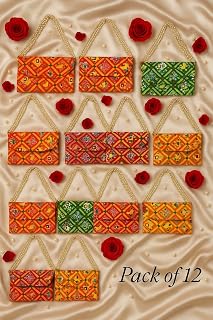


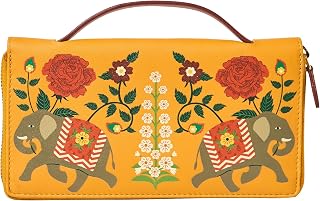

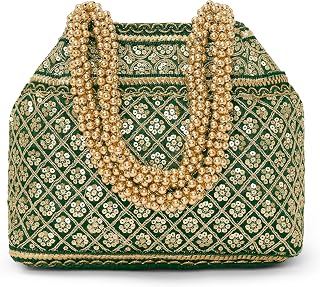


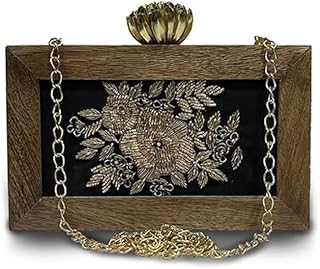


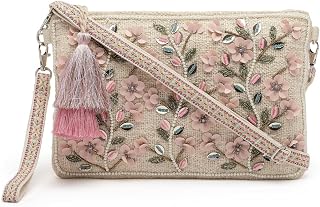


Ethnic handbags continue to evolve beyond traditional festive accessories. In 2026, shoppers in India can find designs that combine Indian textiles, embroidery, woven details, metallic accents and contemporary silhouettes with the everyday practicality expected from a modern handbag. The right choice depends on where you plan to carry it, how much you need to store, the type of clothing you usually wear and how much maintenance you are willing to provide.
This guide focuses on the factors that matter when comparing the latest ethnic handbags in India, including materials, construction, capacity, closure systems, handles, straps, organisation, styling versatility and care requirements. Rather than treating one design as universally best, use these criteria to identify the handbag that fits your wardrobe and routine.
Ethnic handbags are bags that incorporate design elements associated with Indian and South Asian textile and craft traditions. Depending on the design, these may include embroidery, zari-style detailing, mirror work, beadwork, thread work, woven patterns, printed fabrics, traditional motifs, handcrafted textures or materials inspired by regional accessories.
Modern ethnic handbags can range from compact potlis and embroidered clutches to structured totes, sling bags, shoulder bags, bucket bags and larger everyday handbags. Some are strongly traditional and intended for weddings or festivals, while others use subtle ethnic detailing that works with office wear, casual clothing and Indo-western outfits.
The appeal of ethnic handbags comes from their ability to add visual character without requiring an entire outfit to be traditional. A relatively simple kurta, saree, salwar suit or contemporary outfit can look more distinctive when paired with a thoughtfully selected embroidered, woven or textured handbag.
Another important factor is versatility. Current designs increasingly combine decorative Indian-inspired elements with practical features such as adjustable straps, internal compartments, zip pockets and lightweight construction. This makes it easier to use an ethnic handbag for more occasions instead of reserving it exclusively for celebrations.
Embroidered handbags are among the most recognisable choices for shoppers who want an unmistakably ethnic appearance. Embroidery can be subtle, covering only a panel or border, or highly decorative across much of the exterior.
When comparing embroidered designs, inspect the density and neatness of the stitching rather than judging the bag solely from photographs. Raised embellishments and loose decorative elements can require more careful handling. For frequent use, a moderately decorated bag with a secure lining may be more practical than an extremely elaborate design.
Embroidery works particularly well with kurtas, sarees, lehengas, salwar suits and other occasion-oriented Indian clothing. A neutral embroidered bag can also be useful with plain outfits when you want the accessory to become the main visual feature.
Potli bags reinterpret the traditional drawstring pouch as a modern fashion accessory. They are especially suitable for weddings, festivals, family functions and evening events where carrying capacity is less important than decorative appeal.
Before choosing a potli, check the opening mechanism and the length and construction of its handle or drawstring. A beautiful exterior does not compensate for a difficult opening or insufficient space for essential items such as a smartphone, cards, keys and compact cosmetics.
Sling bags are a practical option for shoppers who want ethnic styling without carrying a bag by hand. The crossbody format keeps both hands available and can be convenient for shopping, travel, casual outings and social events.
Pay particular attention to the strap. An adjustable strap provides greater flexibility across different outfits and body types. If the bag is heavily embellished, also inspect whether the decoration could rub against clothing during extended wear.
Shoulder bags sit between traditional occasion bags and everyday accessories. They are suitable when you want more capacity than a clutch but prefer something less substantial than a large tote.
Look for a comfortable strap attachment, balanced weight distribution and a closure that keeps contents secure. For regular use, internal organisation can be more valuable than additional external decoration.
Ethnic totes are useful when capacity is a priority. They can accommodate larger everyday loads and may suit college, shopping, casual work environments and day-to-day errands, depending on their construction.
When comparing totes, examine the base, handle attachment points, lining and overall structure. A wide opening makes access easier but may offer less security than a zip-top closure. If the bag will carry heavier items, reinforced handles and a strong attachment area become particularly important.
Beaded handbags are designed to make a stronger fashion statement. They can work exceptionally well with festive and evening clothing, especially when the rest of the outfit is relatively understated.
Because beads, sequins and decorative stones can catch on fabric, these bags deserve more careful consideration before purchase. Check whether the embellishments appear securely attached and whether the interior has a smooth lining that protects the contents.
Woven bags bring texture to an outfit and can provide a more relaxed alternative to heavily embellished designs. Depending on the weave and construction, they can work particularly well for daytime use and casual Indian or Indo-western clothing.
Inspect the weave for consistency and check the edges for secure finishing. The durability of a woven bag depends heavily on how the material is finished at stress points such as handles, corners and closures.
A clutch is appropriate when you need to carry only a small number of essentials. Ethnic clutches can feature embroidery, metallic details, textile surfaces, beads, printed designs or traditional motifs.
The main compromise is capacity. Before buying, consider the dimensions of your smartphone and other items you routinely carry. A slim clutch may look elegant but become inconvenient if it cannot accommodate the essentials you need at an event.
Structured handbags offer a polished appearance and are often easier to incorporate into semi-formal outfits. Their defined shape can create a more refined appearance than a soft textile bag.
Construction is particularly important here. Look at the firmness of the panels, quality of the lining, handle attachment and base. A structured bag should retain its intended silhouette without appearing excessively rigid for its intended use.
Convertible designs are appealing when one bag needs to serve several purposes. Depending on the construction, a bag may offer a top handle together with a detachable or adjustable shoulder strap.
Do not assume that every convertible design is equally practical. Check the attachment hardware, strap length, placement of rings and how securely the strap connects. A versatile bag is most useful when each carrying configuration remains comfortable and balanced.
The most effective way to narrow the selection is to identify where the handbag will be used. A wedding handbag has different requirements from a college bag or an everyday shopping accessory.
Bag size should be determined by your everyday essentials rather than appearance alone. Make a short list of the items you normally carry and compare that list with the available internal space.
For example, someone carrying only a phone, cards, keys and a small cosmetic item may prefer a compact sling or clutch. Someone carrying a larger phone, sunglasses, wallet, charger, cosmetics and other daily items will usually benefit from a medium-sized handbag or tote.
Product photographs can make handbags appear larger or smaller than they actually are. Always compare the listed length, height and depth with an object you already own. This simple step can prevent one of the most common online handbag-buying mistakes: selecting a bag that looks attractive but cannot accommodate the intended contents.
Textile handbags can offer rich colour and texture and are often associated with ethnic styling. The important consideration is not simply the type of fabric but how it is finished and supported.
Look for clean seams, properly finished edges and a lining that separates the exterior material from the contents. Bags intended for frequent use should also have secure handle attachment points.
Synthetic materials can provide a more structured finish and may be easier to wipe clean than some fabric surfaces. However, material quality varies significantly, so shoppers should inspect product specifications and photographs carefully rather than assuming that every synthetic bag will perform identically.
Cotton-based and woven materials can create a casual, handcrafted appearance. They are often attractive for daytime styling, but their suitability for regular use depends on weave tightness, lining, edge finishing and resistance to staining.
Decorative components can transform a simple silhouette into an occasion-focused accessory. However, additional embellishment can also increase maintenance requirements. Examine the attachment points and avoid storing heavily decorated bags where they can be compressed against other items.
Handles should be evaluated according to the expected load. If you regularly carry several items, thin decorative handles may be less desirable than wider or reinforced alternatives.
For crossbody designs, an adjustable strap is generally more flexible. Check whether the strap is detachable, how the hardware connects to the bag and whether the attachment points appear reinforced.
Different closure systems offer different balances between convenience and security.
The lining is easy to overlook because it is usually hidden from view, yet it has a major effect on usability. A good lining can help protect the exterior material, organise the interior and make cleaning loose debris easier.
A reinforced base is particularly useful for larger handbags and totes. It can help the bag stand more reliably and reduce direct stress on the bottom when placed on a surface.
Colour should be considered alongside the clothing already present in your wardrobe. A highly specific colour can look excellent with one outfit but have limited versatility.
With a saree, the handbag does not always need to match the saree exactly. A complementary colour can create a more sophisticated result. For heavily patterned sarees, a relatively restrained handbag can prevent the overall look from becoming visually crowded.
Sling bags and medium-sized shoulder bags are practical choices for everyday ethnic outfits. Embroidered designs can add interest to plain kurtas, while simpler bags can balance heavily decorated clothing.
For lehengas and wedding wear, compact embellished handbags and potli-inspired bags can provide a coordinated finishing detail. Capacity may be secondary to appearance, particularly when the bag is used only for essential items.
Structured bags with selective ethnic detailing are particularly useful with Indo-western clothing. They can connect traditional elements with contemporary silhouettes without making the outfit look excessively formal.
Prioritise organisation, comfortable handles, durable construction and a design that works with multiple outfits. If the handbag will be carried for several hours, weight distribution can be more important than decorative detailing.
Capacity and durability should generally take precedence over elaborate decoration. Consider whether the bag can comfortably accommodate a phone, wallet, stationery, charger, cosmetics and other regular essentials.
A secure closure and adjustable strap can be especially useful. Avoid selecting a bag solely because it is attractive; consider how easy it is to access your essentials and whether the construction suits repeated handling.
If the handbag will be used mainly for weddings and festivals, you can prioritise distinctive styling and embellishment. Infrequent-use bags should be stored carefully to protect their shape and decorative details between occasions.
Decorative details can be valuable, but shoppers should distinguish visual appeal from functional quality. Large metal ornaments, dense beadwork, long tassels and extensive embroidery may increase the weight or create additional points that can catch on clothing.
Similarly, a very soft handbag may have a relaxed appearance but provide less internal organisation. A rigid structured bag may look polished but can become uncomfortable if its handles or edges are poorly designed. The best choice is therefore a balance between appearance and intended use.
Images are useful for assessing colour and general appearance, but they do not always communicate actual scale. Read dimensions and product specifications before making a decision.
A heavily decorated handbag may already have considerable weight before you place anything inside it. If you expect to carry the bag for several hours, consider the total expected load.
A highly embellished clutch may be ideal for a wedding but inconvenient for commuting. Match the construction and capacity to the frequency and conditions of use.
Customer ratings can be useful, but the most relevant feedback is often found in detailed comments discussing dimensions, material, colour accuracy, strap comfort, stitching, closure quality and actual capacity.
When shopping online, review the retailer's current return, replacement and exchange conditions before ordering. Policies can vary by seller, product and category.
Compare the available specifications, seller information and customer feedback rather than relying on a product title alone. This is particularly important when several visually similar handbags are offered under different listings.
A simple comparison framework can make the buying process considerably easier. Instead of asking which handbag is universally best, score each candidate against the factors that matter to you.
When browsing the Indian market, shoppers may encounter ethnic and fashion handbag collections from established names such as Baggit, Lavie, Caprese, Hidesign, Da Milano, DailyObjects, Fastrack and other established fashion accessory brands, alongside specialist ethnic labels and independent sellers.
Brand recognition should be treated as one comparison factor rather than a guarantee of suitability. Always examine the individual product's dimensions, materials, construction, customer feedback, current price and applicable retailer policies.
Reviews are most useful when they answer questions that product photographs cannot. Look for recurring observations rather than relying on one extremely positive or negative comment.
Moisture can affect some fabrics, dyes, adhesives and decorative components. Follow the care instructions supplied with the individual product and avoid aggressive cleaning methods when the material is not designed for them.
Store embellished handbags separately from rough surfaces and accessories that could snag the decoration. Do not place heavy objects on top of highly decorated bags for long periods.
When storing a structured handbag, use clean, non-abrasive material to support its shape if appropriate. Avoid overfilling a soft bag for extended periods because this can alter its intended silhouette.
Metallic hardware can lose its appearance through repeated exposure to moisture, cosmetics and other substances. Wipe compatible surfaces gently with an appropriate dry or lightly damp cloth, following the manufacturer's care guidance.
Long-term exposure to strong sunlight can affect some colours and materials. A cool, dry storage area away from direct light is generally preferable for handbags that are not being used regularly.
The distinction is increasingly flexible. Traditional ethnic handbags tend to emphasise textile techniques, decorative motifs and culturally inspired shapes, while contemporary western-style handbags commonly focus on minimalist silhouettes, structured construction and understated finishes.
Indo-western handbags bridge these categories. They can incorporate embroidery or traditional textile details into modern shapes such as structured shoulder bags, totes and crossbody designs. For shoppers who want maximum wardrobe flexibility, this hybrid category can be particularly useful.
You do not necessarily need many handbags to cover a broad range of occasions. A small, deliberate collection can be more useful than buying numerous highly similar designs.
Value is not simply the lowest purchase price. A handbag that costs less but has poor organisation, uncomfortable handles or unsuitable capacity may provide less practical value than a moderately priced alternative with better construction.
For an everyday handbag, prioritise durability, comfort and organisation. For a wedding handbag, visual appeal and coordination may reasonably receive more weight. For an occasional statement piece, a distinctive design can be worthwhile even if it is less versatile, provided the intended use is clear.
A minimalist ethnic handbag is ideal for someone who wants traditional influence without a strongly ornate appearance. Subtle embroidery, a woven panel, a traditional print or modest metallic detailing can provide enough character while remaining suitable for repeated use.
Heavily embellished handbags are best suited to shoppers who specifically want an occasion accessory. They can complement wedding and festive clothing particularly well, but their decorative nature can make them less versatile for everyday wear.
Convertible handbags make sense when you frequently switch between carrying styles. They can be useful for people who want one bag to move from hand-carrying to shoulder or crossbody use, provided the hardware and strap construction are reliable.
A tote is a logical choice when capacity is more important than compactness. Before selecting one, consider the weight of the contents you intend to carry. A large bag can encourage overpacking, so handle construction and overall weight should be considered together.
A compact sling is suitable for shoppers who prefer to carry only essential items. It is particularly practical when mobility matters, such as during shopping, casual outings, festivals or social events where a larger bag would be unnecessary.
There is no single best ethnic handbag for everyone. The right choice depends on your intended occasion, budget, preferred material, capacity requirements, outfit style and desired carrying method.
Embellished clutches, potli bags, beaded handbags and embroidered compact designs are commonly suited to weddings because they complement formal Indian clothing without requiring large storage capacity.
A medium-sized shoulder bag, sling or structured handbag with a durable exterior, secure closure and useful internal organisation is generally more practical for everyday use than a highly delicate occasion bag.
Yes. Choose restrained embroidery, subtle patterns, neutral colours and a structured silhouette if you want an ethnic handbag that fits a professional wardrobe.
Durability depends on the underlying material, stitching, embroidery attachment, lining and overall construction. Embroidery alone does not determine how long a handbag will remain usable.
Potli bags can be practical for occasions where only a few essentials are required. Their compact capacity and drawstring-style opening make them less suitable when you need to carry numerous items.
List the items you normally carry, check their approximate dimensions and compare them with the handbag's listed internal and external measurements. This is more reliable than judging size from photographs.
Neutral colours such as black, beige, cream and certain deeper tones can be easier to style repeatedly. The most versatile colour for you will depend on the colours already present in your wardrobe.
Exact matching is not necessary. A complementary or contrasting handbag can create a more interesting look, particularly when the clothing already contains strong patterns or embellishment.
Check dimensions, materials, closure type, strap details, lining, customer feedback, seller information and the current retailer return or replacement conditions.
Fashion trends can change throughout the year, particularly around wedding and festive seasons. This 2026 buying framework is intended to help compare designs based on lasting practical characteristics rather than relying only on short-lived trend cycles.
Before choosing an ethnic handbag, ask yourself the following:
A useful independent buying guide should not treat every handbag as interchangeable. Everyday bags should be assessed for comfort, capacity, organisation and construction, while occasion bags should receive greater attention for styling, embellishment and compact convenience. Material, workmanship, closure quality and care requirements should remain important across both categories.
When browsing recommendations in India, compare the individual product specifications and recent customer feedback rather than choosing solely because a design is labelled “trending” or “best.” Product ranges, prices, sellers, availability and retailer policies can change, so verify the current information before making a purchase.
The best latest ethnic handbag for 2026 is the one that fits the way you actually dress and live. For weddings and festivals, embroidery, beads, metallic details and potli-inspired designs can create a strong traditional statement. For everyday use, prioritise comfortable carrying, useful capacity, secure closures and durable construction. For maximum versatility, look for an Indo-western design that combines ethnic detailing with a modern silhouette.
Whether you are comparing an embroidered sling, woven tote, embellished clutch, structured handbag or traditional-inspired potli, make the final decision using dimensions, material, construction, organisation, comfort, maintenance requirements and current customer feedback—not appearance alone.
Which guide would be most useful next: wedding handbags, office-use ethnic handbags, or budget-friendly options?