

♥ Wishlist
Compare 60 verified All Ethnic Wear for Women in India products in India. Reviews, ratings, pros, cons and buying advice updated for October 2026.


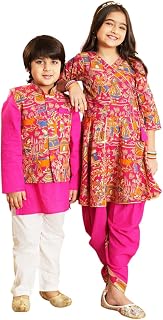


Ethnic wear in India continues to cover a remarkably broad range of styles, from everyday kurtas and coordinated sets to festive sarees, lehengas, sharara sets, Anarkali suits and contemporary Indo-western outfits. For 2026, the most useful way to compare ethnic clothing is not simply to follow a particular colour or silhouette. Fabric, construction, comfort, occasion, fit, care requirements and styling flexibility can make a much bigger difference to whether an outfit becomes a regular part of your wardrobe.
This buying guide is designed for shoppers comparing the latest ethnic wear options in India. It focuses on the practical details that are easy to overlook when browsing product photographs, including fabric suitability for Indian weather, lining, transparency, sleeve construction, neckline depth, garment length, sizing consistency, embellishment quality, wash care and versatility.
Popular Indian fashion labels such as Biba, W for Woman, Aurelia, Libas, Soch, Rangriti, FabIndia, Manyavar and Anouk represent different approaches to ethnic and Indo-western dressing. The right choice, however, depends on the individual garment rather than the brand name alone. Always compare the actual product specifications, size chart, material composition and care instructions before buying.
Relaxed kurtas remain one of the most practical categories for Indian wardrobes because they can work for everyday wear, office dressing, casual gatherings and semi-formal occasions. Straight-cut, slightly relaxed and A-line silhouettes are particularly easy to style because they do not depend on elaborate accessories to look complete.
When comparing a kurta, look beyond the printed design. Check the shoulder width, armhole construction, sleeve circumference and overall garment length. A garment that looks loose in photographs can still feel restrictive if the armhole is narrow or the fabric has little drape.
Matching kurta, bottom and dupatta combinations have become a convenient choice for shoppers who want a complete outfit without separately coordinating multiple pieces. A well-designed set can also provide better wardrobe versatility because the individual components may sometimes be paired with other garments.
Before purchasing a set, verify whether all pieces are included. Product photographs may show additional accessories or styling pieces that are not part of the garment set. The description should be checked carefully for the number of pieces, included dupatta, lining and bottom style.
Pay particular attention to the bottom garment. A kurta can fit correctly while the accompanying pants or palazzos feel too tight, too long or excessively loose. Checking the measurements of every included piece is therefore more reliable than choosing solely according to the displayed size.
Anarkali silhouettes remain useful for festive events, family celebrations and occasions where a more traditional appearance is preferred. The key difference between individual designs is often the way the flare is constructed. Some garments create volume through multiple panels, while others depend on lighter fabrics and gathers.
For an Anarkali, consider the weight of the lower portion as well as the upper-body fit. Heavy embroidery or multiple layers can increase garment weight. If the outfit is intended for several hours of wear, shoulder comfort, waist placement and sleeve construction become particularly important.
The saree remains one of India's most adaptable ethnic garments, but contemporary versions increasingly focus on easier styling, lighter fabrics and ready-to-wear elements. Pre-stitched or partially structured designs can be attractive to shoppers who want the visual character of a saree without spending significant time arranging pleats and draping.
When comparing sarees, inspect the fabric, width, length, border construction and blouse requirements. A saree may look dramatically different depending on how the fabric falls around the body. Stiffer fabrics can create more defined pleats, while fluid fabrics generally produce softer draping.
For online purchases, determine whether the blouse is included, whether it is stitched or unstitched and whether the stated measurements refer to the finished garment or fabric supplied for tailoring.
Sharara and gharara styles offer a festive alternative to conventional straight pants and leggings. Wide-leg palazzos provide another route to a similarly comfortable silhouette and can work with short kurtas, long kurtas and coordinated ethnic tops.
The most important buying consideration is movement. Very wide garments can look elegant but may require more fabric and can become cumbersome while walking or sitting. Check the waistband construction, rise, inner lining and hem width before buying.
For petite shoppers, proportion is especially important. A very long top combined with extremely wide bottoms can visually reduce height, whereas a shorter kurta or better-defined waistline can create a more balanced silhouette.
Festive ethnic wear does not always need heavy embellishment. Lightweight embroidery, small motifs, tonal threadwork and carefully positioned borders can create a dressed-up appearance while keeping the outfit easier to wear.
When evaluating embroidered clothing, inspect close-up photographs where available. Dense embroidery can sometimes conceal fabric characteristics that are obvious in person. Check whether embellishments appear stitched, printed or heat-applied, and look for information about the care required to protect them.
Prints remain one of the easiest ways to refresh an ethnic wardrobe without moving into highly formal clothing. Floral motifs, paisley-inspired patterns, geometric arrangements, botanical designs and traditional Indian-inspired artwork can all produce very different visual results.
When shopping online, consider the scale of the print. Large motifs create a stronger visual statement, while smaller repeating patterns tend to be easier to wear repeatedly. The placement of the print also matters; a design that appears balanced in a flat product photograph may look different when distributed across a three-dimensional garment.
Textured ethnic fabrics can add visual depth without relying heavily on embroidery. Cotton textures, woven patterns, subtle stripes, slubs and traditional-looking motifs can make simple silhouettes appear more distinctive.
However, the word “handloom” should not be treated as a substitute for checking the actual material information. A product may have a handloom-inspired appearance without being made through a traditional handloom process. Always rely on the stated fabric composition and product description rather than assuming a production method from the appearance alone.
Indo-western clothing combines traditional elements with contemporary cuts, making it useful for shoppers who want ethnic influence without a completely conventional outfit. Examples include asymmetric kurtas, tunic-style ethnic tops, jacket-layered sets, contemporary drapes and modern trousers paired with Indian prints.
The advantage of this category is versatility. A contemporary ethnic top may work with jeans or trousers as well as traditional bottoms. A detachable jacket may also transform a relatively simple kurta into a more occasion-ready outfit.
Before buying, consider how many combinations the garment can create with clothes already in your wardrobe. A versatile piece can offer greater practical value than an elaborate outfit that is suitable for only one occasion.
Coordinated family and couple dressing continues to be relevant for weddings, festivals and celebrations. For men, kurta-pajama combinations, Nehru jackets, printed kurtas and more structured ethnic separates can be paired with complementary women's outfits without requiring identical colours or patterns.
Matching does not necessarily mean wearing the exact same shade. Coordinating one colour from a print, matching a jacket with a dupatta or using complementary neutral tones can create a more refined appearance.
For children's ethnic wear, comfort should take priority over decorative detail. Avoid unnecessarily stiff materials, uncomfortable embellishments and restrictive necklines when choosing clothing for younger children.
The best ethnic outfit for everyday work is unlikely to be the best choice for a wedding reception. Begin by defining where and how often you expect to wear the garment.
India's climate varies significantly by region, so fabric selection should reflect where the garment will actually be worn. Cotton and other breathable materials can be practical for hot conditions, while richer blends and layered fabrics may be more appropriate for cooler weather or indoor evening events.
In humid conditions, fabric breathability becomes particularly important. In colder regions or winter evenings, layering can be more useful than choosing an excessively heavy single garment.
For shoppers in areas with long hot seasons, a beautiful outfit that becomes uncomfortable after an hour may provide less practical value than a simpler garment with better airflow and easier movement.
Fabric affects appearance, comfort, drape, durability and maintenance. Do not judge material quality solely from photographs because lighting, camera processing and styling can alter the apparent texture.
One of the most common online clothing mistakes is assuming that the same size label means the same physical measurements across brands. It does not. A medium from one manufacturer can have different bust, waist, hip, shoulder or length measurements from a medium elsewhere.
For ethnic wear, compare your measurements with the garment's size chart whenever one is provided. Pay particular attention to whether the measurement refers to body size or garment size.
If you fall between two sizes, examine the cut and fabric before choosing. A relaxed cotton kurta may tolerate more room than a fitted, non-stretch garment. For stitched ethnic sets, the smallest measurement that matters may be the limiting factor.
Look for clear product photographs showing seams, hems, cuffs and neckline construction. Cleanly finished seams and consistent stitching are useful signs of careful construction, although photographs cannot replace physical inspection.
For garments intended for repeated use, pay attention to high-stress areas such as armholes, side seams, waistbands, pockets and closures. These areas experience more movement than decorative panels.
Neckline shape can significantly influence both comfort and appearance. Round, V-shaped, square, boat and keyhole necklines each create a different visual proportion. If you regularly wear necklaces or scarves, consider whether the neckline works with those accessories.
Sleeves should also be considered practically. Three-quarter sleeves can be useful for everyday wear, while short sleeves may feel more comfortable in hot weather. Decorative cuffs and tight sleeve openings can become uncomfortable during extended use.
Lightweight ethnic fabrics can require lining, particularly in pale colours or flowing silhouettes. Do not assume that a garment shown in a studio photograph will have the same opacity in natural daylight.
If the product description specifies whether the garment is lined, use that information when comparing similar designs. If transparency is a concern, a slightly denser fabric or a properly lined design may be a safer purchase.
Online clothing colours can appear different because of photography, display settings and lighting. If a particular shade is important for a wedding, festival or coordinated outfit, read the colour description carefully and consider customer-uploaded photographs where available.
Office ethnic wear generally benefits from understated prints, comfortable fabrics and silhouettes that remain neat throughout the day. Straight kurtas, subtle printed sets and simple cotton or blended fabrics can be easier to repeat than highly decorative outfits.
Neutral bottoms such as black, cream, beige, navy or coordinated earthy shades can increase the number of combinations available from a smaller wardrobe.
Festive dressing provides more room for colour, texture and embellishment. Silk-look fabrics, brocade-inspired details, embroidered kurtas, Anarkali silhouettes, sarees and coordinated sets can all work depending on the event.
Comfort should still be considered. Festive clothing is often worn for several hours, so excessive weight, scratchy embellishments or restrictive sleeves can reduce enjoyment even when the outfit looks impressive.
Wedding clothing should be selected according to the function. A daytime ceremony may favour lighter colours and breathable fabrics, while an evening reception can accommodate richer tones, more pronounced embroidery and dressier silhouettes.
Consider the dress code, venue, season and expected duration before choosing heavily embellished clothing. A garment suitable for a short indoor function may be less practical for a long outdoor ceremony.
For smaller family occasions, a moderately decorative kurta, printed saree, simple Anarkali or lightweight coordinated set can provide an appropriate balance between traditional style and everyday practicality.
College-friendly ethnic wear often works best when it can be mixed with contemporary pieces. Printed kurtas with jeans, short ethnic tops with trousers and simple kurta sets can provide multiple styling options without requiring a separate formal wardrobe.
There is no single universally flattering ethnic silhouette. The right choice depends on personal preference, movement requirements and how you want the garment to sit on the body.
Straight kurtas create a clean vertical silhouette and are particularly versatile with leggings, straight pants, cigarette trousers and palazzos.
A-line designs gradually widen toward the hem and can provide additional movement around the lower body. They can also work well for shoppers who prefer less restrictive silhouettes.
Short kurtas can be paired with jeans, trousers, skirts and traditional bottoms. Their versatility makes them useful when building a smaller wardrobe with more outfit combinations.
Long silhouettes create a more dramatic traditional appearance but require closer attention to garment length, footwear and movement. If you frequently use stairs or travel by public transport, practical length deserves consideration.
The dupatta is often treated as an accessory, but it can significantly alter the appearance of an ethnic outfit. Compare its fabric, length, width, border and embellishment rather than considering it an automatic finishing piece.
The bottom half of an ethnic outfit can determine both comfort and overall proportion. Leggings provide a close fit, cigarette trousers create a more tailored appearance, palazzos offer a wide silhouette, while shararas and ghararas introduce more volume.
Check waistband construction carefully. Elastic waistbands can improve comfort, but the width and tension of the elastic matter. Drawstrings provide adjustability but may create additional bulk. Side zips and front closures can provide a more structured fit but may feel less flexible.
Colour trends change quickly, but wardrobe value often comes from choosing shades that work across multiple occasions. Deep jewel-inspired tones, earthy neutrals, classic whites and creams, soft pastels and traditional festive colours can each have a place in an Indian wardrobe.
Instead of choosing a colour solely because it is fashionable in 2026, consider how well it coordinates with your existing footwear, jewellery, dupattas and bottoms. A slightly less trend-driven shade that can be styled repeatedly may provide greater long-term usefulness.
Mid-tone colours, subtle prints and practical neutrals can be easier to maintain than extremely pale or heavily embellished garments.
Richer colours and decorative contrasts can create a stronger occasion-ready appearance. Metallic accents can also add formality without requiring an entirely embellished garment.
Choose colours that coordinate with at least two or three existing bottoms or accessories. This simple test can prevent impulse purchases that look attractive but are difficult to style.
Professional photographs are useful for understanding silhouette and styling, but they cannot tell you everything about fabric weight, texture, softness or construction. Always read the material and measurement information.
A familiar size label is not enough. Different brands and individual garments can use different measurements. Compare the actual numbers whenever possible.
A highly specific outfit can be appropriate when you need formal occasion wear, but for everyday shopping it can be more useful to ask whether the garment can be worn with different bottoms, dupattas or accessories.
A garment requiring delicate cleaning may not be practical for frequent wear. Check the care label before buying, particularly for embroidered, embellished, silk-based or structurally complex garments.
Price alone does not establish fabric quality, stitching quality or comfort. Compare material composition, construction, finishing, included pieces and care requirements instead.
Length is one of the easiest measurements to overlook online. Compare the listed length with a garment already in your wardrobe so you have a realistic reference.
A photograph may show a complete styled outfit while the actual listing includes only one or two components. Confirm whether the bottom, dupatta, lining, jacket or blouse is included before comparing two products.
When two garments appear similar, use a structured comparison rather than choosing based on the first photograph you prefer.
Customer reviews can provide useful information that product specifications cannot, but they should be interpreted carefully. One person's preference is not necessarily a universal quality assessment.
Look for repeated observations across multiple verified customer reviews. If several buyers independently mention the same sizing issue, colour difference, fabric characteristic or transparency concern, that information deserves more attention than a single general comment.
Different brands often target different styles, price segments and customer preferences, so brand-to-brand comparisons are most useful when you compare similar garments rather than entire catalogues.
These brand names should be treated as comparison starting points rather than automatic recommendations. Product quality, fit and materials can vary between individual collections and garments.
When comparing ethnic clothing through an online marketplace such as Amazon India, the product page contains several important clues that should be reviewed before purchasing.
You do not need a large number of outfits to create many ethnic looks. A smaller collection of complementary garments can provide more practical combinations when each item has a clear role.
This approach makes it easier to create multiple combinations without purchasing a completely new outfit for every celebration.
Follow the garment's stated washing instructions. Some cotton fabrics may shrink, fade or change texture if exposed to unsuitable washing conditions. Drying and ironing instructions can also affect the final appearance.
Handle embellished clothing carefully to reduce snagging and damage. Store garments so decorative elements do not catch on other clothing. If the care label recommends specialised cleaning, follow it rather than applying a general washing method.
Delicate fabrics often require more careful storage and cleaning. Avoid assuming that a garment with a silk-like appearance should be treated exactly like natural silk; check the stated material composition and care instructions.
Fold or hang ethnic garments according to their structure and fabric. Heavily embroidered pieces may benefit from careful folding with protective layers to prevent decorative elements from rubbing against other garments. Keep clothing dry and protected from prolonged direct sunlight during storage.
A strong purchase is not necessarily the most expensive, most embellished or most fashionable garment. It is the product that matches your actual requirements while providing an appropriate balance of comfort, fit, construction, appearance, maintenance and versatility.
For frequent wear, fabric and fit should generally receive more attention than decorative details. For occasional festive use, appearance and embellishment may carry greater importance, but construction and comfort still determine whether the garment remains enjoyable throughout the event.
Before committing to a purchase, compare at least two or three similar garments using the same criteria. This makes it easier to identify whether a higher price reflects genuinely useful differences or simply additional decoration.
There is no single ethnic garment that is best or universally most popular for every shopper. Kurta sets, relaxed kurtas, sarees, Anarkalis, sharara-based outfits and Indo-western designs all serve different occasions. The most suitable option depends on personal style, climate, fit preference and intended use.
A comfortable kurta or lightweight kurta set is generally one of the most practical choices for daily use. Breathable fabric, easy maintenance, appropriate length and a reliable fit are more important than heavy decoration.
Breathable fabrics can be particularly comfortable in hot conditions, with cotton being a common choice for everyday clothing. However, fabric weight, weave, fit and garment construction also affect comfort, so material composition should be considered alongside the climate.
Measure yourself and compare those measurements with the specific garment's size chart. Do not assume that the same S, M, L or XL label will have identical measurements across different brands or garments.
A coordinated set can save styling time and provide a complete outfit, while separate pieces can offer greater flexibility. The better choice depends on whether convenience or mix-and-match potential is more important to you.
Check the fabric, measurements, garment length, lining, included components, closure type, care instructions, customer feedback and current return conditions. Also verify that the product photographs show the actual garment components included in the purchase.
No. Price does not independently establish quality. Compare fabric, construction, finishing, fit, embellishment, versatility and maintenance requirements before deciding whether a garment represents good value.
Change the dupatta, footwear, jewellery, outer layer or bottom where appropriate. A simple printed kurta can look casual with minimal accessories and more formal when paired with a decorative dupatta and occasion-appropriate jewellery.
The answer depends on the wedding function, season, venue and dress code. Sarees, Anarkalis, embellished kurta sets, shararas and other formal ethnic silhouettes can all be appropriate. Comfort and garment weight should be considered if the outfit will be worn for many hours.
Follow the individual garment's care label. Embroidery, sequins, beads and delicate fabrics can require specialised care, and applying a standard machine-washing routine may damage the garment.
Both can provide a wide-leg silhouette, but their construction and visual shape differ. Shararas typically have a more pronounced traditional flare, while palazzos generally maintain a broader trouser-like shape. The exact design varies by garment.
Trends can help identify styles you may enjoy, but personal fit, comfort and wardrobe compatibility should remain central to the decision. A versatile garment that you can wear repeatedly may provide more value than a highly trend-specific item.
The strongest approach to buying ethnic wear in 2026 is to balance trend awareness with practical evaluation. Look at the silhouette you like, then verify the fabric, measurements, construction, included pieces, care requirements and customer feedback before making a decision.
For everyday wardrobes, prioritise breathable fabrics, comfortable fits and pieces that can be mixed with existing clothing. For festivals and weddings, place greater emphasis on fabric drape, embellishment, colour, proportion and overall occasion suitability while still checking comfort and maintenance.
Whether you are comparing Biba, W for Woman, Aurelia, Libas, Soch, Rangriti, FabIndia, Manyavar, Anouk or another Indian fashion label, evaluate the specific garment rather than relying on the brand name alone. Product specifications and current customer feedback provide a more useful basis for comparison.
Because collections, sizes, prices, stock and marketplace policies can change during 2026, check the current product information before purchasing. A careful comparison of specifications and verified customer feedback can help you select ethnic wear that looks appropriate for the occasion and remains comfortable and useful after the first wear.
The best latest ethnic wear trend is ultimately the one that works for the person wearing it. Fashion can identify what is current, but good buying decisions come from matching the garment to climate, occasion, body measurements, comfort preferences, existing wardrobe and expected frequency of use. Use those criteria consistently and you can compare fashionable ethnic clothing more objectively without sacrificing practicality.
Which follow-up would be most useful: a women’s ethnic wear comparison, men’s ethnic wear guide, or wedding/festive buying guide?