

♥ Wishlist
Compare 51 verified Mens Casual Shoes for Stylish Everyday Wear products in India. Reviews, ratings, pros, cons and buying advice updated for October 2026.


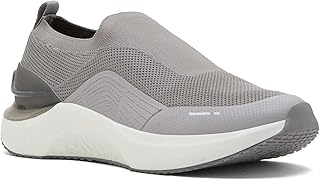


Men’s casual footwear in 2026 is increasingly defined by versatility rather than a single dominant silhouette. For Indian shoppers, the most useful casual shoe is often one that can handle several situations: commuting, college or university, weekend outings, casual office environments, travel, shopping and everyday wear. That makes comfort, breathability, outsole grip, fit and ease of maintenance just as important as appearance.
When comparing the latest men’s casual shoes, look beyond photographs and star ratings. A useful buying decision considers the upper material, sole construction, cushioning, heel-to-toe shape, fastening system, sizing information, climate suitability and the type of surface on which the shoes will normally be worn. Brands such as Adidas, Nike, Puma, Skechers, Reebok, ASICS, New Balance, Campus and Red Tape offer different approaches to casual footwear, so the right choice depends on the intended use rather than brand recognition alone.
A casual shoe should sit between purely athletic footwear and formal shoes. It needs enough structure for daily walking while remaining visually appropriate with jeans, chinos, cargo trousers, shorts or relaxed trousers. The best option is therefore not necessarily the most technically advanced running shoe or the most fashionable lifestyle sneaker.
Minimalist sneakers remain one of the easiest choices for men who want one pair to work with several outfits. Their clean profile generally pairs well with jeans, chinos and casual trousers without looking overly athletic.
When comparing minimalist sneakers, examine the sole thickness and upper construction carefully. A very thin sole may offer a streamlined appearance but may not provide the cushioning some users want for extensive walking. Conversely, an excessively bulky sole can make a simple outfit look more sporty.
Neutral shades such as white, black, grey, navy and off-white are usually easier to coordinate. For Indian conditions, also consider how easily the upper will show dust and stains.
Mesh sneakers are particularly relevant for shoppers who prioritise airflow. Open or engineered mesh can allow more ventilation than many dense synthetic or leather-style uppers, making this construction useful for warm-weather everyday wear.
The trade-off is maintenance. Mesh can trap dust and may be less convenient to clean than a smooth synthetic surface. Buyers should also distinguish between breathable mesh intended for casual use and highly technical running-shoe constructions designed for athletic performance.
Retro-inspired footwear continues to appeal to men who want a stronger fashion element without moving into formal footwear. These designs often borrow visual cues from older athletic shoes, including layered uppers, contrast panels, classic logos and moderately thick midsoles.
The most practical versions balance styling with everyday comfort. Before buying, check whether the shoe has enough forefoot space and whether the additional overlays make it substantially heavier than a simpler sneaker.
Slip-ons are useful for shoppers who value convenience. They are especially practical for short trips, errands and situations where repeatedly tying laces is inconvenient.
Fit is critical because a slip-on cannot always be adjusted as precisely as a lace-up shoe. Look for a secure heel fit without excessive tightness across the upper. Elasticated panels can improve convenience, but the shoe should not feel loose enough to slide during walking.
For men who frequently move between casual and smart-casual settings, loafers and sneaker-loafer hybrids can offer more polished styling than conventional trainers. They can work particularly well with chinos, tapered trousers and certain jeans.
Buyers should distinguish genuine casual loafers from formal leather footwear. A flexible outsole, softer construction and relaxed profile can make a significant difference when the shoe is intended for everyday rather than office-formal use.
Chunkier casual shoes remain an option for men who prefer a more prominent silhouette. Their larger midsoles and layered construction can create a fashion-forward appearance and may provide substantial cushioning.
However, visual bulk should not be confused with comfort. A thick sole does not automatically mean better cushioning, stability or durability. Check the actual construction and materials instead of judging performance from sole height alone.
Canvas shoes remain useful for relaxed everyday styling because they are generally simple, lightweight-looking and easy to pair with casual clothing. They can be particularly suitable for short-distance walking and informal social occasions.
Canvas is not automatically the best option for heavy rain or prolonged wet conditions. Buyers should consider the upper, lining, outsole and whether the construction is designed for wet-weather use before relying on the shoe during monsoon conditions.
Smooth leather and synthetic leather-look uppers offer a cleaner appearance and can be easier to wipe than fabric-based footwear. This makes them attractive for men who want a casual shoe that can look relatively polished.
Natural leather and synthetic materials behave differently. Leather may develop character with use but can require appropriate care, while synthetic uppers can offer easier routine cleaning depending on their finish. Product specifications should be checked carefully rather than assuming that every shoe marketed with a leather-style appearance uses genuine leather.
Some casual shoes borrow comfort features from walking footwear. These models can be useful for commuters and shoppers who spend significant portions of the day on their feet but do not necessarily need dedicated sports shoes.
Pay attention to cushioning, heel structure, outsole flexibility and overall weight. A comfortable everyday walking shoe should feel natural through the stride rather than excessively stiff or unstable.
Athleisure sneakers combine sporty construction with lifestyle styling. They are useful for men who want footwear that can move between casual clothing, travel and light everyday activity.
Do not assume that an athleisure sneaker is suitable for running simply because it looks athletic. If running, court sports or structured training is the primary activity, footwear designed specifically for that activity should be evaluated separately.
Comfort has become a central part of everyday footwear decisions. Instead of choosing a shoe exclusively because it looks good, shoppers increasingly need to consider how it behaves after several hours of walking or standing.
Black, white, grey, beige, navy and muted earth tones remain practical choices because they can work across several outfits. White and light-coloured footwear can look particularly clean but may demand more frequent maintenance in dusty environments.
Older sneaker aesthetics continue to influence casual footwear, while modern cushioning, lightweight materials and improved outsole designs can make these silhouettes more suitable for everyday use.
Slimmer shoes remain attractive for men who prefer understated styling. They can work especially well with straight-leg or tapered trousers where an oversized shoe might visually dominate the outfit.
Breathable mesh, padded collars, cushioned midsoles and flexible outsoles are increasingly common in lifestyle footwear. These features can improve everyday usability, although shoppers should still distinguish lifestyle shoes from purpose-built athletic footwear.
If your workplace permits casual footwear, prioritise a clean design, neutral colour, comfortable cushioning and a sole that works on both pavement and indoor flooring. Black, dark grey, navy and understated white combinations are usually easier to integrate with chinos and casual trousers.
Students often need footwear that can survive frequent walking while remaining versatile enough for everyday outfits. Mesh sneakers, lightweight trainers and durable lifestyle sneakers are worth comparing. Consider cleaning requirements because shoes used every day can accumulate dust, marks and moisture quickly.
Travel footwear should be comfortable enough for long periods of walking and easy enough to combine with several outfits. A neutral sneaker with moderate cushioning is often more versatile than a highly specialised shoe.
Look closely at outsole grip, cushioning and upper breathability. A shoe that feels comfortable for a few minutes in a store may feel very different after several hours of walking.
Appearance can take greater priority when walking distances are limited. Leather-look sneakers, clean minimalist designs and retro-inspired footwear can provide a more styled appearance without becoming formal.
Mesh is usually chosen for ventilation and flexibility. It can be comfortable in warm conditions, although fine mesh may require more attention to cleaning and can vary significantly in durability.
Canvas provides a classic casual appearance and works well with relaxed clothing. Its suitability for wet conditions depends on the specific construction and treatment.
Genuine leather can provide a more refined appearance and may develop a distinctive finish over time when maintained correctly. It can also be less breathable than some mesh constructions and may require more deliberate care.
Synthetic leather can offer a smooth appearance and relatively straightforward surface cleaning. Performance varies substantially by material quality, thickness and construction.
Textile uppers can provide flexibility and a lightweight feel. The exact weave, density and internal structure determine how breathable, durable and easy to clean the finished shoe will be.
The outsole is one of the most important components because it is the part that directly interacts with the ground. Look beyond marketing terminology and consider the actual tread pattern, flexibility and material.
One of the most common buying mistakes is assuming that maximum softness automatically means maximum comfort. Excessively soft footwear can feel pleasant initially but may not provide the stability every wearer prefers.
Conversely, a very firm shoe can feel supportive to one person and uncomfortable to another. The ideal cushioning level depends on body weight, walking habits, foot shape, personal preference and how long the shoes are worn each day.
Shoe sizing can vary between brands and even between different models from the same brand. Never rely exclusively on the size you normally purchase.
Length alone does not determine fit. Men with wider forefeet should look for shapes that do not squeeze the toes, while those with narrower feet may need a more secure upper to prevent excessive movement.
A high instep can make some low-volume shoes uncomfortable even when the nominal length is correct. Adjustable lacing can provide more flexibility than fixed slip-on constructions, although the best choice depends on the individual's foot shape.
Breathable mesh and lightweight textile constructions can be attractive choices during hot weather. Dark, dense uppers may feel warmer depending on construction and ventilation.
Wet streets create different requirements. Grip, drying time and water resistance become more relevant. Water-resistant should not automatically be interpreted as waterproof, and casual sneakers without suitable construction should not be treated as dedicated rain footwear.
In colder parts of India, denser uppers can provide a more comfortable feel. However, footwear selection should still be based on local temperature, walking requirements and clothing rather than season alone.
When two shoes appear similar, compare them feature by feature rather than choosing based solely on brand or appearance.
Customer reviews can provide useful information, but they should be interpreted carefully. A single review describing an unusual issue is less informative than a recurring pattern across many independent reviews.
Look specifically for comments mentioning actual fit, toe space, heel movement, comfort after several hours, sole durability, material quality, colour differences and sizing accuracy. Reviews that describe how and where the shoes were used are generally more useful for purchase decisions than comments that simply say the product is “good” or “bad.”
Product pages often contain a mixture of meaningful specifications and marketing language. Prioritise information that can help you compare models objectively.
Brand reputation can be a useful starting point, but it should never replace model-level comparison. Adidas, Nike, Puma, Reebok, Skechers, ASICS and New Balance have extensive footwear ranges spanning lifestyle and performance categories. Indian brands and value-focused labels such as Campus and Red Tape also provide numerous casual options.
The important question is not simply which brand is best. Instead, compare the specific model's construction, fit, intended use, materials, cushioning, outsole and current retailer information. A well-fitting mid-range shoe can be a better everyday purchase than a more expensive model that does not suit your foot shape.
Brand can help establish expectations about design language, sizing systems and product categories, but it is not a substitute for evaluating the individual shoe. Different brands and product lines can have substantially different fits.
For affiliate shoppers, the strongest approach is to shortlist several models from reputable manufacturers and then compare the details that matter most to your use case.
Follow the manufacturer's care instructions first. Avoid aggressive cleaning methods that can damage adhesives, coatings or delicate mesh. Removing surface dust regularly is generally easier than allowing dirt to build up.
A gentle cleaning method suitable for the specific material can help maintain appearance. Strong solvents or inappropriate chemicals may damage finishes.
Leather footwear can benefit from material-appropriate cleaning and conditioning. Use products intended for the specific leather finish rather than applying household chemicals indiscriminately.
Allow wet footwear to dry naturally in a ventilated area. Excessive direct heat can affect adhesives, materials and the shape of the shoe. Removing insoles where appropriate can also help ventilation.
If you own multiple suitable pairs, rotating them can give each pair more time to air between uses. This can also reduce dependence on one shoe for every occasion.
Black is practical, versatile and generally forgiving of everyday dust and minor marks. It pairs easily with jeans, dark trousers and many casual outfits.
White footwear provides a clean contemporary appearance but requires more frequent cleaning. It works particularly well with jeans, chinos and lighter casual clothing.
Grey offers a useful middle ground between black and white. It can be easier to integrate into a wardrobe while being less visually stark than bright white.
Navy works well with denim and neutral trousers and can provide an understated alternative to black.
Beige, tan and muted earth colours suit relaxed wardrobes and can complement chinos, denim and casual trousers. Their practicality depends on how frequently the footwear encounters dust or mud.
Almost every major casual sneaker category can work with jeans, but proportions matter. Slimmer jeans often pair naturally with low-profile sneakers, while straight or relaxed jeans can accommodate somewhat chunkier footwear.
For a timeless combination, consider clean white, black, grey or navy sneakers. Retro sneakers can add visual interest, while minimalist designs create a quieter appearance.
Chinos offer more flexibility than jeans because they can move from relaxed to smart-casual styling. Minimalist sneakers, clean leather-look sneakers, loafers and understated retro shoes can all work depending on the setting.
Low-profile sneakers, canvas shoes and lightweight casual footwear generally work naturally with shorts. Sock height also changes the overall appearance, so consider the complete outfit rather than evaluating footwear separately.
Travel introduces practical concerns that may not matter for occasional wear. A travel-friendly casual shoe should be comfortable for extended walking, versatile enough for several outfits and easy to maintain.
Consider the destination as well. Urban city travel, hill destinations, beach areas and monsoon travel can require very different outsole and upper characteristics. No single casual shoe is ideal for every environment.
Casual shoes are not universal footwear. Dedicated running shoes are generally more appropriate for regular running, while hiking shoes or boots can be better suited to uneven trails. Formal events may require dress shoes, and specialised sports may require footwear designed for the relevant court or playing surface.
The safest buying principle is simple: match the shoe to the activity. A shoe that looks athletic is not necessarily engineered for athletic performance.
There is no single best shoe for every man. The right choice depends on fit, budget, intended use, climate, walking requirements and personal style. Compare reputable brands and individual models based on construction and verified customer feedback rather than choosing solely by popularity.
A versatile everyday sneaker with a secure fit, comfortable cushioning, durable outsole and easy-to-maintain upper is usually a practical starting point. The ideal material depends on local weather and how frequently the shoe will be worn.
That depends on the workplace dress code. Minimalist sneakers in neutral colours can work in some casual or smart-casual offices, while traditional formal workplaces may require dress shoes.
Breathable mesh can be a useful choice for warm conditions because it can allow more airflow than dense uppers. However, the exact construction matters, and mesh footwear may require more attention to cleaning.
They can require more frequent cleaning because dust and stains are more visible. If you want a low-maintenance everyday pair, darker or mid-tone colours may be more forgiving.
Choose based on priorities. Mesh generally makes sense when airflow and lightweight comfort are important, while leather or leather-look footwear may be preferable when a cleaner, more polished appearance and easier surface wiping are priorities.
Look for a shape with adequate forefoot space and avoid selecting a smaller size merely to achieve a snug appearance. Check the manufacturer's sizing information and recurring customer feedback about width.
There is no fixed number. A practical wardrobe might include one versatile everyday pair plus additional footwear for different weather, formal requirements, sports or fashion preferences.
Not automatically. Higher price can accompany different materials, construction or technology, but value depends on whether those features solve a real need. Compare specifications, fit, intended use and customer feedback before deciding.
Replacement should be based on condition rather than an arbitrary calendar. Significant outsole wear, damaged construction, persistent loss of support, compromised upper materials or an increasingly poor fit are practical reasons to consider replacement.
The strongest men’s casual shoe purchase is the one that fits your actual routine. For most Indian shoppers, that means balancing appearance with comfort, breathability, durability, grip and maintenance rather than chasing a single trend.
Before purchasing, shortlist several models, compare their materials and construction, check the manufacturer's sizing guidance, read verified customer reviews and review the current retailer information. A fashionable silhouette is useful only when it remains comfortable and practical for the way you intend to wear it.
For an independent buying decision, treat brand popularity, ratings and promotional claims as starting points rather than final evidence. The best casual shoes for you are the models whose fit, construction, styling and intended use align most closely with your everyday requirements in India.