

♥ Wishlist
Compare 57 verified Stylish Sling Bags for Women for Everyday & Occasion Wear products in India. Reviews, ratings, pros, cons and buying advice updated for October 2026.


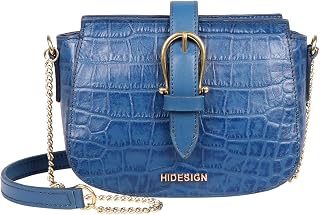


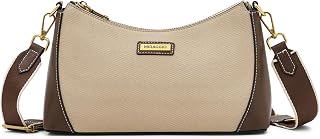


Sling bags have become a practical everyday accessory in India because they combine compact storage with hands-free convenience. The strongest choices for 2026 are not defined by appearance alone. Capacity, strap construction, compartment layout, material, zip quality, weight, phone accessibility, and suitability for India's weather and commuting conditions all affect how useful a sling bag will be over time.
For shoppers comparing sling bags online, the most useful approach is to match the design with the way the bag will actually be used. A small crossbody may be ideal for a phone, wallet and keys, while a larger sling can accommodate sunglasses, a power bank, compact accessories and other daily essentials. Fashion-oriented shoppers may prioritise colour, silhouette and hardware, whereas commuters may care more about security, durability and organisation.
The latest sling bag designs span several distinct styles rather than following one universal trend. Understanding these categories makes it easier to narrow down options before comparing individual products.
Size should be determined by the items you carry every day rather than by the dimensions shown on a product listing alone. A bag that looks compact may have a surprisingly useful internal layout, while a larger-looking model may lose usable space because of thick padding, dividers or a bulky construction.
Small sling bags are generally suitable when the daily load consists of essentials such as a smartphone, cards, keys, compact wallet and a few personal items. They are particularly convenient for short outings, shopping trips and occasions when carrying a larger bag would be unnecessary.
Medium models provide a better balance between portability and storage. They may accommodate a phone, wallet, keys, sunglasses, small power bank, charging cable and other everyday accessories without feeling as restrictive as a micro bag.
Larger sling bags can work well for commuters and travellers who want more organisation without moving to a conventional backpack. Before choosing one, check its empty weight carefully because additional capacity is less useful if the bag itself is unnecessarily heavy.
The material influences appearance, weight, durability, maintenance and resistance to everyday wear. There is no single material that is best for every shopper.
Polyester is widely used for casual and utility sling bags because it can offer a practical combination of low weight and everyday durability. Different polyester fabrics can vary considerably in weave, thickness and finish, so the material name alone should not be treated as a complete quality indicator.
Nylon is another popular choice for lightweight bags. It can be particularly appealing for travel and everyday commuting where low weight and flexibility are important. Look at the fabric construction and stitching in addition to the stated material.
Canvas sling bags often have a more casual or rugged visual character. They can suit denim, casual shirts and relaxed everyday clothing, although heavier canvas constructions may be less comfortable for users who prioritise minimum weight.
Synthetic leather can provide a more structured and polished appearance than many fabric bags. It is often chosen for office-casual or fashion-focused use. Buyers should examine the finish, lining, stitching and hardware because the term synthetic leather covers a broad range of constructions.
Genuine leather can offer a premium appearance and may develop a distinctive character with use. It is generally worth considering when style, material feel and long-term ownership experience are more important than having the lightest possible bag.
An adjustable strap is one of the most important comfort features. It allows the bag to sit at a more suitable height and can accommodate different body types and carrying preferences. Check the adjustment range and whether the strap hardware feels secure.
A useful compartment system should separate items without making the interior difficult to access. Look for a logical combination of the main compartment, smaller pockets and quick-access sections rather than simply choosing the model with the largest number of pockets.
Zippers are high-use components, so they deserve more attention than decorative details. Look for smooth operation, secure attachment and zipper pulls that are practical to use. A poorly designed zip can make even a well-organised bag frustrating in daily use.
A padded or softly finished back panel can improve comfort when the sling is worn for extended periods. It can also create some separation between the contents and the user's body. However, excessive padding can add bulk, so the right balance depends on intended use.
Inspect how the strap connects to the bag. Reinforced attachment areas can be particularly important when the bag is regularly loaded with heavier items. The connection should look proportionate to the expected load and should not appear to rely on a small, weakly stitched area.
Water-resistant fabric or a protective finish can be useful in India's changing weather conditions, but water-resistant should not automatically be interpreted as fully waterproof. Buyers should check the manufacturer's precise wording and understand whether the protection applies to the fabric, zippers, seams or the complete bag.
Security deserves special attention when a sling bag is used in crowded markets, public transport, tourist areas or busy urban environments. A secure design does not guarantee protection against theft, but certain construction choices can make belongings harder to access casually.
These categories overlap, but their priorities are different. An everyday sling generally focuses on appearance, comfort and convenient access. A travel sling tends to place greater emphasis on organisation, security, durability and carrying efficiency.
For daily use, a slim profile may be preferable because it is easier to combine with casual clothing and less likely to feel cumbersome. For travel, additional compartments can be worthwhile if they genuinely improve organisation. The best choice depends on whether the bag is mainly an accessory or a compact piece of travel equipment.
A sling bag can work for office-casual environments when its proportions and styling are appropriate. Structured synthetic leather, leather or understated fabric designs can look more refined than highly sporty models.
If the bag is intended for work, check whether it can comfortably carry the items you actually need. A sling should not be overloaded simply to replace a backpack or laptop bag. For larger electronics, confirm the manufacturer's stated compartment dimensions rather than assuming that a device will fit based on the bag's overall exterior size.
Students often benefit from lightweight designs with practical organisation. A college sling can be useful for smaller daily essentials, but capacity should be matched to the actual workload. If textbooks, notebooks or larger electronics need to be carried regularly, a backpack may provide better weight distribution than a sling.
For occasional campus use, look for durable fabric, an adjustable strap, reliable zippers and enough internal separation for frequently used items.
Men's sling bags increasingly cover a broad range of styles, from compact minimalist crossbody bags to larger utility-oriented designs. Rather than treating men's bags as a separate technical category, compare the same core factors: capacity, strap comfort, material, construction, organisation and intended use.
Neutral colours such as black, grey, navy and brown can work across a wide range of outfits, while brighter or contrasting designs can make the bag a more prominent fashion accessory.
Women's sling bags range from compact fashion accessories to functional everyday crossbody designs. When comparing options, consider whether the bag needs to complement particular outfits, carry personal essentials, or perform both roles.
Structured silhouettes may suit formal and semi-formal clothing, while softer fabric designs can work well for casual outfits and travel. Colour and hardware are important style considerations, but interior capacity and strap comfort should not be overlooked.
Black remains one of the easiest colours to coordinate because it works with most wardrobes and can conceal minor marks better than very light finishes. Brown and tan can provide a warmer, more traditional appearance, particularly with leather or leather-look designs.
Beige, cream and other lighter colours can create a softer fashion look but may require more care. Navy and dark green can offer an alternative to black while remaining relatively versatile. Colour should therefore be selected according to wardrobe compatibility and maintenance expectations, not just current fashion appeal.
Online shoppers cannot physically inspect a bag before purchase, so product photographs and specifications become particularly important. Look closely at the areas most likely to experience repeated stress.
Product photography can make a bag appear larger or smaller depending on camera angle and the model carrying it. Always compare listed height, width and depth. Internal capacity may still differ because of curved panels, thick padding or separate compartments, so photographs showing the interior can provide useful additional context.
Customer reviews can provide valuable information, but they are most useful when read systematically rather than judged by the overall star rating alone. Look for repeated comments about construction, comfort, actual size, zipper operation, strap adjustment and long-term use.
A visually attractive bag can still be inconvenient if the strap is uncomfortable or the interior cannot accommodate everyday essentials. Consider the intended load before selecting the design.
Two bags with similar dimensions can feel very different because of material, hardware and padding. If the bag will be carried for hours, empty weight becomes a meaningful consideration.
Additional compartments only help when they are positioned logically. Too many small pockets can reduce usable space and make larger everyday items harder to store.
A bag can be well made yet uncomfortable if the strap does not provide enough adjustment for the intended carrying position.
Always check the exact specification. A water-resistant outer fabric does not necessarily mean the contents will remain protected during prolonged or heavy rain.
A high average rating does not tell you whether a bag is appropriate for your specific needs. Read detailed feedback about dimensions, durability, comfort and practical use.
A higher price can be reasonable when it corresponds to meaningful improvements rather than decoration alone. Depending on the intended use, worthwhile upgrades may include better hardware, stronger strap attachment points, improved lining, better compartment design, higher-quality material, more comfortable padding or a more refined finish.
Conversely, expensive branding does not automatically mean superior construction. Compare specifications and customer feedback before deciding whether a premium is justified.
A budget model can be perfectly suitable when the bag is used occasionally or carries only lightweight essentials. For simple requirements, paying substantially more may provide little practical benefit. The key is to verify the construction and features instead of assuming that a low price necessarily means poor quality.
A premium option can make more sense for frequent users who care about material quality, refined appearance, long-term ownership, hardware, construction and consistent organisation. Premium materials can also change how the bag looks with formal or smart-casual clothing.
However, the decision should remain based on measurable differences in construction and suitability rather than brand reputation alone. Trusted names such as American Tourister, Wildcraft, Skybags, Safari, Lavie and Caprese may appear across different segments, but individual models should still be compared on their specifications and intended use.
When several models appear similar, use a consistent comparison framework instead of switching between unrelated features.
India's climate varies considerably by region, so material selection should reflect local conditions. In hot and humid environments, a lightweight fabric bag may feel more comfortable than a heavily structured design. During monsoon periods, water resistance and easy-clean surfaces can become more useful. In dusty urban environments, darker colours and washable materials may be easier to maintain.
For frequent outdoor use, pay particular attention to sweat contact, rain exposure, dust, zipper maintenance and the durability of strap attachment points.
Proper care depends on the manufacturer's instructions and the material. Avoid assuming that every fabric or synthetic leather bag can be machine washed or soaked.
Overloading is one of the simplest ways to accelerate wear. Keep the load appropriate for the bag's size and construction, especially when the strap connects to relatively small reinforced areas. Avoid repeatedly pulling the bag by the zipper or strap when the main compartment is heavily loaded.
Regularly inspect high-stress areas such as strap connectors, zipper ends and seams. Identifying wear early can help prevent a small issue from becoming a larger failure.
The terms are often used interchangeably in online shopping, although product naming varies by retailer and brand. A sling bag generally refers to a compact bag designed to be carried with a single strap, often across the body. A crossbody bag describes the carrying position more specifically. In practice, many products can fit both descriptions.
When shopping, focus on the actual dimensions, strap design and carrying configuration rather than relying solely on the category label.
A waist bag is designed around a belt-style carrying configuration and can often be worn around the waist or across the chest. A sling bag generally has a more conventional shoulder strap and may provide a larger or more vertically oriented storage area. Choose between them based on access, capacity and preferred carrying position.
A sling is usually better suited to a smaller load and quick access. A backpack is generally more appropriate when carrying heavier or bulkier items because its two shoulder straps can distribute weight across both shoulders. If a sling begins to feel heavy or unbalanced during daily use, moving to a backpack may be the more practical solution.
Commuters should prioritise comfort and accessibility. The ideal layout makes frequently used items easy to retrieve without requiring the entire bag to be opened. A stable strap, sensible capacity and secure closure are generally more valuable than excessive decorative detailing.
If you carry only a phone, wallet, keys and a few compact accessories, choose a slim sling that does not encourage unnecessary loading. Minimalist bags can be easier to coordinate with different outfits and may remain more comfortable throughout the day because of their lower weight.
Users carrying earbuds, cables, chargers or power banks should look for dedicated organisation rather than simply choosing the largest bag. Small internal pockets can prevent cables and accessories from mixing with personal belongings. Confirm compartment dimensions when carrying a specific electronic device.
Value is not the same as the lowest price. A useful value comparison considers how well the bag satisfies the intended use, how thoughtfully it is constructed and whether its features are genuinely useful.
A moderately priced bag with reliable construction and an appropriate layout can offer better value than a more expensive fashion-oriented design that does not meet the user's storage or comfort requirements.
A strong top-10 shortlist should not simply contain ten bags with the highest visible ratings. A more useful editorial comparison separates products by their practical strengths. For example, one model may be better suited to minimalist daily carry, another to travel, another to fashion-focused use and another to students or commuters.
When comparing products available in India, consider whether each shortlisted option offers a meaningful reason to be included. This creates a more useful buying guide than ranking products solely by appearance or price.
The best sling bag depends on your budget, preferred style, carrying load and intended use. A compact fashion sling may be ideal for occasional outings, while a larger utility model may be more suitable for commuting or travel. Compare dimensions, material, compartments, strap comfort and current customer feedback before choosing.
Yes. Sling bags can be highly practical for everyday use when their capacity matches the user's typical belongings. They are particularly convenient for carrying small essentials while keeping both hands free.
Choose the smallest size that comfortably accommodates everything you routinely carry. A small model works for basic essentials, while a medium or large design is more appropriate when carrying accessories such as sunglasses, a power bank, cables or other personal items.
There is no universal best material. Nylon and polyester can suit lightweight everyday or travel use, canvas can provide a casual aesthetic, and leather or synthetic leather can provide a more structured appearance. Compare the specific construction rather than choosing solely by material name.
They can be useful for travel when used for compact essentials and quick-access belongings. Choose a comfortable strap, secure closure and sensible organisation. For heavy or bulky loads, a backpack may be more appropriate.
Not necessarily. Some models may have water-resistant materials or finishes, but water resistance and waterproof construction are different claims. Check the manufacturer's stated specifications before relying on a bag for protection from heavy rain.
Check the strap adjustment range, strap width, padding, empty weight and overall dimensions. Also consider where the bag will sit on your body and how heavily it will normally be loaded.
Look for repeated feedback concerning actual dimensions, zipper performance, stitching, strap comfort, material quality and long-term use. Reviews from customers with similar requirements are generally more useful than isolated comments.
No. Price alone does not establish construction quality or suitability. Compare materials, hardware, stitching, organisation, comfort and customer feedback to determine whether a higher price provides meaningful benefits.
Darker colours such as black, charcoal and dark navy can make minor marks less noticeable, while lighter shades can provide a softer fashion appearance but may require more careful maintenance. The best choice depends on how and where the bag will be used.
Only for relatively light loads. A sling is convenient for compact essentials, but a backpack is generally better when carrying heavier or bulkier belongings regularly.
Before purchasing a sling bag, confirm that the product satisfies the practical requirements that matter most to you. Do not rely solely on the product photograph, star rating or headline discount.
The best sling bag for 2026 is ultimately the one that fits the user's real carrying habits rather than the one with the most fashionable appearance or the longest feature list. Compact designs work well for essentials, medium slings provide greater versatility, and larger utility models can bridge the gap between a small accessory and a backpack.
For shoppers in India, material, comfort, storage layout, weather suitability and construction deserve particular attention. Compare specifications carefully, read verified customer feedback, examine product photographs, and check current prices from trusted retailers before making a final decision. A disciplined comparison makes it easier to find a sling bag that looks right, carries comfortably and performs the role you actually need.