

♥ Wishlist
Compare 62 verified Jackets & Coats for Women products in India. Reviews, ratings, pros, cons and buying advice updated for October 2026.


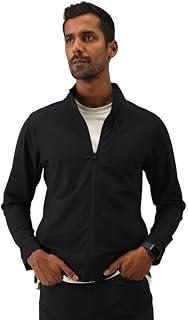


Choosing a jacket or coat in India is not simply about following the latest fashion trend. The right outerwear needs to suit the local climate, intended use, layering habits, fabric preference, fit, and wardrobe. A lightweight jacket that works well for a mild winter in Bengaluru can be very different from the insulated outerwear required during a cold North Indian winter. Likewise, a fashionable oversized coat may be suitable for occasional city wear but less practical for commuting, travel, or everyday use.
This buying guide expands the comparison criteria behind the latest jackets and coats trends for 2026, with particular attention to shoppers in India. Use it to evaluate construction, materials, insulation, fit, versatility, care requirements, and value before comparing individual products from brands such as H&M, Zara, Levi's, Jack & Jones, United Colors of Benetton, Puma, Adidas, Nike, Columbia, The North Face, Uniqlo and other established fashion and outdoor labels.
The strongest outerwear trends in 2026 combine fashion-led silhouettes with practical details. Instead of treating jackets and coats as purely seasonal fashion pieces, many shoppers are looking for versatile garments that can transition between commuting, casual outings, travel, workwear, and social occasions.
The terms jacket and coat are often used interchangeably, but their practical differences matter when shopping. Jackets are generally shorter and are easier to wear for everyday movement, while coats commonly provide greater body coverage and can create a more formal or winter-oriented appearance.
Bomber jackets are among the most versatile casual outerwear options. Their shorter length, ribbed cuffs and typically simple silhouette make them easy to combine with jeans, chinos, cargo trousers and casual footwear.
When comparing bomber jackets, examine the fabric weight, lining, cuff construction, zipper quality, pocket placement and overall fit. A very slim bomber may restrict layering, while an excessively oversized version can overwhelm a smaller frame.
Denim jackets are particularly useful as transitional outerwear. They can be worn over T-shirts during cooler evenings or layered over sweatshirts when temperatures fall further.
Look closely at denim weight, stitching, wash, stretch content and hardware. Rigid denim tends to provide a traditional structured appearance, while a small amount of stretch can make the jacket more comfortable for movement.
Puffer jackets are designed around insulated construction and are especially relevant for colder winter conditions. Their effectiveness depends on insulation type, fill distribution, construction and fit rather than simply the thickness of the garment.
Compare whether the insulation is down, synthetic or a blend, and examine the manufacturer's specifications rather than judging warmth solely from photographs. Quilting also matters because it helps keep insulation distributed across the garment.
Quilted jackets offer a useful middle ground between a lightweight jacket and a bulky winter puffer. They can work well for commuting, travel and everyday winter wear where moderate insulation is sufficient.
Check the quilting pattern, lining, insulation thickness, collar design and sleeve construction. A well-designed quilted jacket should allow comfortable movement without creating unnecessary bulk.
Parkas typically provide more coverage than short jackets and may include hoods, adjustable waist details and multiple pockets. They can be particularly useful in colder regions and for people who spend extended periods outdoors.
Before buying, check the coat's length, hood adjustability, insulation, closure system and weather-resistance specifications. A parka that looks substantial but lacks appropriate insulation may not perform as expected in genuinely cold conditions.
Trench coats are primarily valued for their structured appearance and versatility. They can complement office clothing, dresses, trousers and smart-casual outfits while providing useful protection against wind and light rain depending on the fabric.
Pay attention to shoulder construction, belt design, button placement, fabric drape and sleeve length. The ideal trench coat should leave enough room for a shirt or light knit layer without appearing excessively loose.
Overcoats are longer, more structured garments generally associated with formal or sophisticated winter dressing. They work particularly well over shirts, knitwear, tailored trousers and other smart clothing.
Wool and wool-blend fabrics can offer a traditional appearance and substantial drape. When assessing an overcoat, examine fabric composition, lining, seam quality, collar structure and the space available for layering.
Fleece jackets are lightweight and practical for layering. They can function as an insulating mid-layer or as standalone outerwear during cool but not extremely cold conditions.
Consider fleece thickness, softness, breathability, pocket construction, zipper quality and whether the design is intended primarily as a mid-layer or standalone jacket.
Leather jackets are primarily a style investment and can remain relevant for years when the design is timeless. Common silhouettes include biker, racer, bomber and minimalist leather jackets.
Material composition deserves particular attention. Genuine leather, full-grain leather, corrected leather, suede and synthetic alternatives have different characteristics, care requirements and price expectations. Product descriptions should be read carefully rather than assuming that every garment described as leather uses the same material.
Windbreakers and technical jackets are useful for active lifestyles, travel and situations where wind protection or packability matters more than maximum insulation.
Look for clearly stated fabric properties, hood construction, ventilation, pocket design, packability and closure systems. Water resistance and waterproofing should not be treated as identical features.
Wool is valued for warmth, natural texture and a classic appearance. It is commonly found in coats, overcoats and winter-blend garments. Wool can be an excellent option for smart dressing, although care requirements vary according to the fabric composition and garment construction.
Cotton is comfortable and versatile, making it common in denim jackets, casual overshirts and lightweight outerwear. It is generally more suitable for moderate conditions than severe cold unless combined with insulation or additional layers.
Polyester is widely used in jackets because it can provide durability, relatively easy care and useful performance characteristics. It is common in shell fabrics, linings and synthetic insulation systems.
Nylon is often used in lightweight and technical jackets. It can provide a useful balance of low weight and durability, making it popular for travel and outdoor-oriented designs.
Leather offers a distinctive appearance and can develop character over time. However, quality varies considerably between leather types, finishing methods and manufacturers. Buyers should check the exact material specification and recommended care instructions.
Synthetic insulation is frequently used in puffers and insulated jackets. Its characteristics depend on the insulation technology and garment construction. Rather than assuming that a thicker jacket is automatically warmer, compare the manufacturer's stated insulation specifications and intended temperature or activity range when such information is provided.
Insulation is one of the most important technical considerations for winter outerwear. The outer shell protects the garment from the environment, while insulation helps reduce heat loss. The lining influences comfort and layering, and the fit determines how effectively the overall system works.
Down can provide a high warmth-to-weight ratio and is commonly used in premium insulated jackets. Buyers should check the stated down composition and fill information when available rather than relying on marketing terms such as premium warmth.
Synthetic insulation is often selected for practicality and performance in varied conditions. It can be useful in jackets designed for everyday winter wear, travel and outdoor activities.
Quilting or baffle construction helps keep insulation positioned throughout the garment. Poorly designed or poorly maintained insulation can create uneven coverage, making some areas feel colder than others.
Online shoppers cannot always physically inspect a garment before purchase, so product-page details become especially important. Use several signals together rather than relying on one photograph or rating.
A high-quality jacket can still be disappointing if the fit is wrong. Outerwear needs enough room for movement and layering, but excessive volume can reduce comfort and make the garment appear poorly proportioned.
The shoulder seam should generally align appropriately with the shoulder unless the garment is deliberately designed with a dropped or oversized shoulder. An incorrectly narrow shoulder can restrict movement, while excessive shoulder width may create unnecessary bulk.
The chest should provide enough room to zip or button the jacket comfortably over the intended base layers. Avoid judging fit using only a T-shirt if the garment will normally be worn over a sweater.
Sleeves should provide adequate wrist coverage without extending so far that they interfere with everyday activities. Different jacket styles intentionally use different sleeve proportions, so compare the design rather than applying one universal measurement.
Short jackets emphasize the waist and provide greater freedom of movement. Mid-length and long coats provide additional coverage and can create a more formal silhouette.
Oversized jackets should be intentionally proportioned rather than simply purchased several sizes larger. A well-designed oversized jacket usually accounts for wider shoulders, longer sleeves and additional body volume.
Winter conditions across North India can vary significantly. Shoppers should consider the actual city, month, daily outdoor exposure and layering habits. For colder periods, insulated jackets, puffers, parkas and wool coats may be more useful than lightweight fashion jackets.
In many western Indian cities, winter outerwear often needs to handle mild mornings and evenings rather than prolonged severe cold. Lightweight jackets, denim jackets, bombers and quilted layers can therefore be more versatile.
Many southern cities have relatively mild winters, although elevation can substantially change requirements. Lightweight jackets, overshirts, fleece layers and windbreakers may be more practical for everyday use than heavy insulated coats.
Travel to colder mountain destinations requires a different approach. Instead of relying on one extremely heavy jacket, many travellers can benefit from a layered system consisting of a base layer, insulating middle layer and protective outer shell. The appropriate system depends on destination, season, activity and expected weather.
Layering increases the versatility of outerwear. A lightweight jacket can be worn over a T-shirt during mild weather and over a sweater when temperatures drop. A technical shell can also be combined with an insulating layer when the outer garment itself has limited insulation.
When buying a jacket intended for layering, leave sufficient room around the chest, shoulders and arms. A jacket that fits perfectly over a thin shirt may become restrictive over a thick sweatshirt.
These terms should not be treated as interchangeable. A water-resistant fabric may repel light moisture for a period, while a waterproof garment is designed around more comprehensive protection. Construction also matters: seams, zippers, hood openings and pocket closures can influence real-world weather protection.
If rain protection is important, examine the manufacturer's technical specifications for the exact product. Avoid assuming that a glossy or tightly woven fabric automatically makes a jacket waterproof.
Wind resistance can significantly influence perceived warmth. A jacket that blocks wind may feel considerably more comfortable than a similar garment that allows substantial air movement through the fabric.
Breathability becomes more important during active use. If you plan to walk extensively, commute by bicycle, hike or participate in outdoor activities, consider ventilation and moisture management rather than focusing only on insulation.
Versatility is not the same as having many decorative features. A versatile jacket is one that works with several outfits and conditions without requiring excessive wardrobe planning.
Neutral colours such as black, navy, charcoal, olive, beige and brown generally coordinate with more clothing. Minimal branding can also make a jacket easier to use across different outfits. If your wardrobe is already dominated by neutral basics, a textured fabric or carefully selected seasonal colour can add visual interest without making the garment difficult to style.
Black is one of the easiest colours to coordinate and works particularly well for urban casual and smart-casual dressing. It can also visually emphasize the structure of bomber, leather and technical jackets.
Navy provides a softer alternative to black and pairs naturally with denim, grey, white, beige and many earth tones.
Beige and camel shades are particularly effective for trench coats and structured outerwear. They can create a more refined appearance but may require more attention to visible stains.
Olive works well with denim, black, cream and neutral trousers. It is a practical choice for utility-inspired and casual outerwear.
Bright red, blue, green, orange and other statement shades can make an outerwear piece the focal point of an outfit. They are best considered after establishing whether the colour will work with the rest of your wardrobe.
Men's jackets should be assessed according to intended use rather than generic labels such as winter jacket or stylish jacket. Consider whether the garment needs to accommodate formal shirts, sweatshirts, sweaters or multiple layers.
Women's outerwear ranges from cropped fashion jackets and oversized bombers to tailored coats, puffers and technical layers. Fit around the shoulders, bust, waist and hips can vary significantly between designs.
For younger shoppers, versatility and durability can be particularly important because outerwear may need to work for school, college, casual outings and travel. Bomber jackets, denim jackets, lightweight puffers and fleece layers can provide useful wardrobe flexibility.
Because sizing can change quickly, avoid paying a premium solely for a highly seasonal design unless the garment is expected to be worn frequently. Check construction and care requirements as carefully as appearance.
Brand recognition can be useful, but it should not replace product-level evaluation. Established names such as Uniqlo, Levi's, H&M, Zara, Jack & Jones, Adidas, Puma, Nike, Columbia and The North Face offer different product categories and design philosophies, so a brand should not automatically be treated as superior across every jacket type.
Compare the exact garment's fabric, insulation, construction, measurements, intended use and care instructions. A specialist outdoor jacket and a fashion-focused jacket may both carry strong brand recognition while serving completely different purposes.
Customer reviews can provide useful information about sizing, comfort and construction, but individual experiences should be separated from recurring patterns. A single review describing a perfect or disappointing experience is less useful than multiple reviews identifying the same issue.
A high average rating does not necessarily mean a jacket is right for your needs. A lightweight fashion jacket may receive excellent feedback from customers who wanted style and comfort but still be unsuitable for someone looking for substantial winter insulation.
Interpret ratings together with the product category, customer comments, specifications, sizing information and intended use. The best jacket is the one whose strengths match your requirements rather than the one with the highest numerical rating alone.
Product photographs emphasize styling, but they cannot always communicate fabric weight, warmth, breathability or construction. Always examine specifications before deciding.
Winter jackets are often worn over sweaters. A close-fitting jacket that looks attractive with a T-shirt may become restrictive once additional layers are added.
Warmth depends on insulation, construction, fit, wind protection and layering. Bulk alone is not a reliable measure of thermal performance.
Some coats and jackets require specialist cleaning or careful washing. Ignoring maintenance requirements can shorten the useful life of the garment.
Fashion-forward silhouettes can be appealing, but if the goal is long-term value, consider whether the design will remain compatible with your wardrobe after the current trend changes.
A jacket designed for cold European winters may be unnecessarily heavy for a mild Indian winter, while a lightweight urban jacket may be inadequate for high-altitude travel.
The cheapest jacket is not necessarily the best value, and the most expensive one is not automatically the highest quality. Value should be assessed against expected frequency of use, material, construction, versatility and maintenance.
Correct care can help preserve the appearance and performance of outerwear. The appropriate method depends on the material, lining, insulation and finish, so the garment's care label should take priority over generic advice.
Follow the manufacturer's washing or cleaning instructions. Do not assume that every polyester or nylon jacket can be treated identically, particularly when it contains insulation, coatings or bonded components.
Improper drying can affect insulation, shape and fabric performance. Some insulated garments require specific drying methods to prevent clumping or uneven distribution.
Store jackets clean and completely dry. Avoid compressing structured coats for long periods, and use suitable hangers where maintaining the garment's shape matters.
Do not force a stuck zipper. Check for caught fabric or debris and follow the manufacturer's care recommendations. Repeated rough handling can damage zipper teeth or sliders.
Leather and suede require material-specific care. Use only products appropriate for the exact leather type and follow the manufacturer's instructions. Excessive moisture, heat or unsuitable cleaning products can damage the finish.
Instead of buying several similar jackets, consider creating a small collection that covers different conditions and occasions.
This approach can provide more practical coverage than purchasing multiple garments with nearly identical warmth and styling.
Fashion and function do not have to conflict, but the priority should reflect how the jacket will actually be used. If the garment is primarily for occasional social events, silhouette and colour may matter most. If it will be worn daily during winter commuting, insulation, comfort, durability and ease of care should carry more weight.
For frequent travellers, packability and versatility can be more valuable than heavy construction. For outdoor use, weather protection and breathability can be more important than seasonal styling. Defining the primary use case before shopping makes product comparisons much easier.
Before selecting one of the products in a 2026 jacket or coat comparison, use the following checklist:
There is no single best jacket for all of India because winter conditions differ substantially by region and altitude. Lightweight jackets can be suitable for mild climates, while insulated puffers, parkas and wool coats are more appropriate for colder areas. Choose based on your actual climate and outdoor exposure.
A versatile bomber, lightweight quilted jacket, denim jacket or minimalist casual jacket can work well for everyday use. The best choice depends on climate, wardrobe and whether you prioritize warmth, styling or weather protection.
Puffer jackets can be excellent for colder Indian winters, particularly in regions where temperatures fall substantially. However, insulation levels vary considerably, so compare the product's construction and specifications rather than assuming every puffer provides the same warmth.
Wool coats can be useful in colder regions and for smart winter dressing. In milder cities, a lighter wool blend or another lightweight outer layer may be more practical.
Black, navy, grey, olive, beige and brown are generally easy to coordinate with common casual and smart-casual wardrobes. Choose based on your existing clothing rather than trend popularity alone.
The jacket should provide enough room for comfortable movement and the layers you expect to wear underneath. A fitted silhouette can look cleaner, while a relaxed fit can be more practical for layering. Neither is universally better.
Compare the seller's garment measurements with a jacket you already own that fits well. Pay particular attention to chest, shoulder, sleeve and length measurements, and read recurring customer comments about sizing.
Check fabric composition, insulation, measurements, fit, lining, closures, pockets, care instructions and customer feedback. If weather protection matters, also examine the manufacturer's stated water and wind resistance specifications.
Brand name alone does not determine whether a jacket is suitable. Compare the actual product specifications, materials, construction, fit, reviews and intended use. Established brands can offer useful consistency, but product-level comparison remains important.
There is no fixed number. A practical wardrobe can often be built around a versatile everyday jacket, a warmer winter layer, a smarter coat and a lightweight transitional option, with additional technical outerwear if your activities require it.
The best latest jacket or coat for 2026 is not necessarily the most fashionable, most expensive or highest-rated product. It is the option that matches your climate, wardrobe, fit preference, frequency of use and practical requirements.
For Indian shoppers, climate should be the starting point. Next, decide whether you need a fashion jacket, daily casual layer, insulated winter garment, formal coat, travel jacket or technical outer layer. Then compare material, insulation, construction, measurements, weather protection and care requirements. Finally, use customer feedback to identify recurring strengths and weaknesses before checking current prices and size availability from trusted retailers.
Taking this approach makes it easier to distinguish genuinely useful outerwear from products that look impressive in photographs but do not match your real requirements. Whether you are comparing a bomber, denim jacket, puffer, parka, trench coat, wool overcoat, fleece layer or technical shell, the same principle applies: buy according to intended use first and fashion trend second.
If you are narrowing down your options, start with the role the jacket needs to fill. For versatile daily wear, prioritize a bomber, denim or lightweight quilted jacket. For colder conditions, focus on an insulated puffer or parka. For formal dressing, compare wool-blend coats and structured overcoats. For travel and outdoor use, give greater weight to packability, weather protection and layering compatibility.
Which direction best matches your 2026 shopping goal: everyday casual, cold-weather winter, or smart/formal?