
♥ Wishlist
Compare 58 verified Shop Lipsticks Online in India products in India. Reviews, ratings, pros, cons and buying advice updated for October 2026.


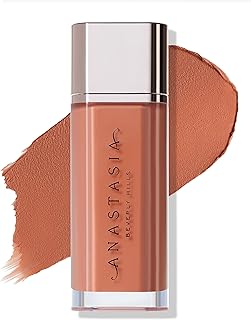


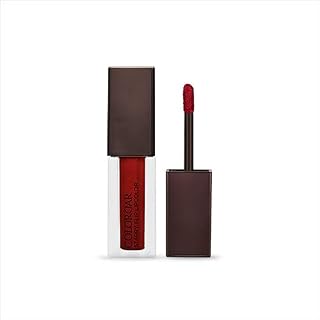

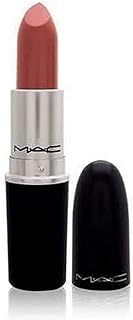




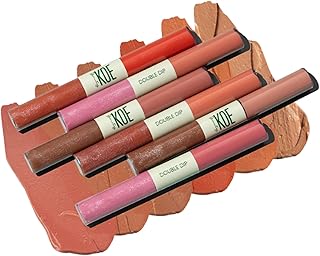
![L'OREAL PARIS Colour Riche Matte Lipcolour, Ballerina Shoes [135], 1 Count](https://m.media-amazon.com/images/I/51kn1OGPvpL._AC_UL320_.jpg)






![#804. Coral : Korea Cosmetics [ BOM My lipstick ] 6 Colors Matte Lipstick with Magnetic Case (#804. Coral)](https://m.media-amazon.com/images/I/51sLd6BVzGL._AC_UL320_.jpg)


Lipstick trends in 2026 are moving beyond a single finish or one universally popular shade. Indian beauty shoppers can choose from soft matte formulas, high-shine lip oils, comfortable creamy lipsticks, blurred lip colours, tinted balms and long-wear liquid formulas. The best choice depends on the occasion, climate, undertone, lip condition, desired finish and how often you want to touch up.
For shoppers comparing the latest lipstick trends in India, the most useful approach is to evaluate the formula and shade together rather than choosing a product simply because it is fashionable. A beautiful colour can still be disappointing if it feels drying, settles into lip lines, transfers excessively or does not suit the way you normally wear makeup.
This guide expands the buying considerations behind the top lipstick choices for 2026, including finish, texture, pigmentation, wear time, Indian skin undertones, application technique, packaging, ingredient considerations and value for money.
There is no single lipstick that is best for every Indian shopper. A useful buying decision starts by identifying how you expect the product to behave. Someone looking for an everyday office lipstick may prioritise comfort and understated colour, while someone shopping for wedding or festive makeup may prefer stronger pigmentation and better resistance to frequent eating and drinking.
The finish changes both the visual effect and the practical experience of wearing lipstick.
If your lips frequently feel dry or flaky, a highly matte lipstick may emphasise texture. A cream, satin, balm or glossy formula can provide a more forgiving appearance. This does not mean every matte lipstick will be uncomfortable; formula quality, preparation and individual tolerance matter.
Before applying a matte or highly pigmented lipstick, gently removing loose flakes and applying a suitable lip moisturiser can improve the appearance. Allow excess balm to absorb or blot it lightly before applying colour if you want better adhesion.
Long wear is not the same as complete transfer resistance. A lipstick may remain visibly coloured while gradually fading from the centre of the lips after eating. Liquid matte formulas can provide strong staying power, while creamy and glossy formulas generally require more frequent refreshing.
For long days, compare the manufacturer's stated claims with the formula type, application instructions and verified customer feedback. Do not assume that a product labelled “long lasting” will perform identically for every person or through every type of meal.
Shade selection is one of the most important parts of buying lipstick online because photographs can look different depending on lighting, camera settings and the screen used to view them. Instead of choosing solely by the shade name, consider the depth and undertone of the colour.
Soft pinks, rosy nudes, peachy tones, muted mauves, coral shades and classic reds can work well depending on undertone. Very pale beige nudes can sometimes make the lips appear washed out, so a pink, peach, rose or brown component may create a more balanced result.
Medium complexions offer considerable flexibility. Rose-browns, terracotta, warm nude, caramel, mauve, brick red, coral and berry shades can all be useful additions to a lipstick collection. For everyday use, medium-depth brown or rose shades are often easier to wear than extremely pale nude colours.
Rich browns, deep berries, wine, plum, brick, terracotta, burgundy and saturated reds can create strong definition. Deeper nude shades often work better when they retain enough colour depth to complement the natural lip tone rather than attempting to mimic a very pale beige.
Warm undertones can pair naturally with peach, coral, terracotta, warm brown, brick and orange-red families. A warm nude can create an understated everyday appearance, while warm reds can provide a more traditional statement look.
Cool undertones may suit blue-based reds, rosy pinks, cool mauves, berry shades and certain plum colours. The ideal result still depends on the individual's complexion depth and natural lip pigmentation.
Neutral undertones offer considerable flexibility. Rose, neutral brown, balanced red, mauve and many nude shades can work well. When shopping online, comparing several colour families is often more useful than relying on the “neutral” label alone.
Comparing finishes before purchasing can prevent many common buying mistakes.
Bullet lipstick remains popular because it is straightforward to apply, easy to carry and available in almost every finish. The shape also allows reasonably precise application without requiring a separate applicator.
Cream and satin bullets are particularly convenient for everyday use because they can be applied quickly. Matte bullets may offer stronger colour payoff while retaining a more substantial texture.
Liquid lipstick is useful when pigmentation and precision are priorities. Many formulas dry down after application, reducing the wet feel associated with cream or glossy products.
The main trade-off is that some liquid formulas can highlight dryness or feel tight. Application technique also matters: applying too much product can increase the likelihood of uneven texture, cracking or uncomfortable wear.
A good lipstick formula is not defined by one ingredient or one finish. Performance comes from how the entire formulation balances pigmentation, slip, adhesion, texture, comfort and finish.
Highly pigmented lipstick can provide strong colour with a small amount of product. However, maximum pigmentation is not always desirable. A sheer or buildable formula may be more practical for everyday makeup because it allows the wearer to control intensity.
A lipstick should apply evenly without excessive dragging. If a formula pulls noticeably across the lips, it may be more difficult to achieve a clean result, particularly when applying darker shades.
Opacity matters especially when natural lip pigmentation is strong. A shade that appears opaque on a swatch can look different on naturally pigmented lips. When possible, examine customer-uploaded photographs and multiple swatches rather than relying on a single promotional image.
Transfer resistance is influenced by the finish and formula. Creamy, glossy and balm-style products naturally tend to move more easily than dry-down liquid formulas. If transfer matters, consider whether you are willing to trade some comfort or shine for improved staying power.
Comfort is subjective. Ingredients, finish, individual lip condition and environmental conditions can all affect how a lipstick feels. A formula that works comfortably for one person may feel drying to another.
For office wear, consider muted rose, brown, mauve, soft nude or understated terracotta shades. Cream, satin and comfortable soft-matte finishes can make sense when you want a polished appearance without an overly dramatic result.
Tinted balms, lip oils, sheer pinks, rosy browns and buildable formulas are convenient for quick application. They also make it easier to adjust colour intensity during the day.
Bridal lipstick selection should account for the entire makeup look, outfit colour, jewellery, lighting and expected wear period. Classic red, deeper rose, berry, wine, brick and rich nude families can all be considered. For important events, test the complete lip combination before the occasion rather than relying solely on the product's online colour representation.
Deep reds, brick, terracotta, berry and wine shades can complement traditional clothing particularly well. However, there is no requirement to match lipstick exactly to an outfit. A contrasting or neutral lip can sometimes create a more balanced overall look.
For evening makeup, stronger pigmentation and more defined shades can create greater visual impact. Reds, berries, deeper pinks, browns and glossy finishes are useful options depending on the rest of the makeup.
When comparing lipstick products, established beauty brands can provide a useful starting point because their product ranges often cover multiple finishes and shade families. Availability and specific product ranges can change, so check the current product information before buying.
When shopping online, product pages can contain a large amount of information, but not all specifications matter equally. Prioritise the details that directly affect how the lipstick will perform for your intended use.
One of the most common mistakes is treating “nude” as synonymous with pale beige. A nude lipstick should complement the wearer's complexion and natural lip tone. Depending on your skin depth, rose-brown, caramel, mauve, terracotta or deeper brown may be more flattering than a very pale beige.
Promotional images are useful for understanding packaging and general shade direction, but they are not sufficient for precise colour matching. Look for multiple swatches and customer photographs when available.
The same lipstick can appear substantially different on different lips. Naturally pigmented lips may alter the final colour, particularly with sheer and medium-coverage formulas.
Matte is a finish rather than a guarantee of a particular comfort level. Modern soft-matte formulas can feel considerably different from older-style extremely dry matte products.
Eating oily foods, drinking beverages, rubbing the lips and repeated contact can affect even long-wear formulas. A realistic buying decision considers how the lipstick fades rather than expecting zero maintenance throughout the day.
A large lipstick collection can contain several colours that appear nearly identical once applied. Before purchasing another nude, brown or red, compare its undertone and depth with shades you already own.
Yes, although it is not essential for every lipstick. Lip liner can define the lip border, provide a base for colour and help create a more structured appearance. A liner close to the natural lip colour can be useful when you want subtle definition, while a matching liner can intensify the lipstick shade.
For very dark, bold or red lipsticks, a liner can make the application easier to control. For tinted balms and sheer lip oils, it may be unnecessary unless you specifically want additional definition.
Smooth lipstick application begins with lip preparation rather than adding more product. Excessively dry lips can make colour appear uneven, particularly with matte formulations.
India's climate varies substantially between regions and seasons, so the ideal formula depends partly on where and when you wear it. Heat and humidity can make creamy or glossy formulas feel more mobile, while dry indoor environments can make some long-wear formulas feel less comfortable.
For hot or humid conditions, a well-set long-wear formula can be convenient when frequent touch-ups are undesirable. For air-conditioned environments or periods when lips tend to feel dry, a more comfortable formula may be preferable even if it requires occasional reapplication.
For travel, choose based on the actual conditions you expect rather than assuming one formula works equally well throughout the year.
Lipsticks can contain combinations of waxes, oils, emollients, pigments, film-forming materials and other cosmetic ingredients. The exact formulation varies by product and finish.
When choosing a lipstick, read the current ingredient list provided by the manufacturer or retailer. This is especially important if you already know that particular cosmetic ingredients cause you irritation or discomfort.
Natural or plant-derived ingredients should not automatically be interpreted as better for every individual. Likewise, a synthetic ingredient is not automatically undesirable. The complete formulation, intended use and personal tolerance are more meaningful considerations.
Ratings can help identify products worth investigating, but a numerical score should not be treated as proof that a lipstick will suit everyone. Different customers may have completely different expectations about pigmentation, comfort, longevity and colour.
For commercial research, read reviews that describe the actual use case. A review mentioning how a lipstick behaved during meals is more useful for a long-wear buyer than a review that only says the packaging is attractive.
Also look for recurring themes rather than isolated comments. Several independent customers reporting the same issue may provide more useful information than one unusually positive or negative review.
Price should be evaluated alongside quantity, formula, pigmentation, shade versatility and how frequently you will use the product. A cheaper lipstick that rarely gets used is not necessarily better value than a moderately priced lipstick that becomes an everyday favourite.
For budget-conscious shoppers, compare the cost per unit where product quantities are available. For premium products, consider whether the specific finish, shade range, formula characteristics or packaging justify the additional expense for your needs.
Because Indian online beauty prices can change due to promotions, seasonal campaigns and retailer discounts, check the current selling price immediately before purchasing.
You do not need a large lipstick collection to cover most occasions. A compact collection can be built around complementary shade families and different finishes.
This approach gives greater variety than buying several shades with almost identical undertones and finishes.
Soft matte is a strong choice for shoppers who want the visual effect of matte lipstick without necessarily choosing the most rigid or intensely dry formulation. Look for descriptions that indicate a blurred, velvet or comfortable matte appearance, and then confirm the specific product's ingredient information and customer feedback.
Glossy lipstick and lip colour are useful when you want shine and a fresh appearance. Gloss can be worn alone or layered over another lip colour, although layering can change transfer and longevity.
Tinted balm is ideal for shoppers who prefer low-maintenance makeup. It can provide enough colour to make the lips look polished without the precision required by a highly pigmented lipstick.
Brown lipstick is highly versatile, but undertone matters. Warm chocolate and caramel browns create a different effect from neutral taupe or cooler brown shades. Compare the shade against your natural lip tone rather than choosing solely according to the name.
Red lipstick remains one of the most useful statement colours because it can be adapted to casual, formal, festive and evening makeup. Warm reds can complement warm styling, while blue-based reds can provide a cooler and more dramatic appearance.
Feathering occurs when colour migrates beyond the natural lip edge. It can be more noticeable with creamy, glossy and highly emollient formulas.
Long-wear lipsticks can require more effort to remove than conventional cream or balm formulas. Use a suitable makeup remover or cleansing product designed for long-wear cosmetics and avoid aggressively rubbing the lips.
After removing persistent colour, a gentle lip moisturiser can help restore a comfortable feel. If a particular product repeatedly leaves your lips uncomfortable, consider switching to a different formula rather than trying to compensate with increasingly heavy application.
Lip products are applied directly to the mouth, so sensible cosmetic hygiene matters. Avoid sharing lipstick directly with other people, particularly when the product is applied straight from the bullet or applicator.
When comparing several products, focus on attributes that can actually affect your decision. A useful comparison should include brand, product name, shade, finish, coverage, formulation type, approximate quantity, stated wear characteristics and suitability for the intended occasion.
For example, comparing two lipsticks solely by price does not reveal whether one is matte and the other is glossy. Similarly, comparing two products solely by rating does not show whether one shade is warmer, deeper or more suitable for your complexion.
The best lipstick depends on your shade preference, finish, budget, lip condition and intended use. For everyday wear, a comfortable neutral or rose-brown can be versatile. For occasions, red, berry, brick or deeper shades may be more suitable.
Several finishes are relevant rather than one single finish dominating every use case. Soft matte, glossy, satin, cream, tinted balm and lip-oil styles all provide different looks and practical benefits.
A comfortable formula in a shade close to your preferred natural colour family is usually the most practical daily choice. Rose-brown, muted pink, mauve, nude and soft terracotta shades are useful starting points.
Cream, satin, balm and some glossy formulas may be more comfortable for dry lips than highly drying matte formulations. Individual tolerance varies, so check the current formula and ingredient list before buying.
Long-wear liquid and dry-down formulas often prioritise staying power, but longevity varies by formulation and use. Eating, drinking and lip condition can significantly affect performance.
There is no single shade for all Indian skin tones. Brown, rose, terracotta, brick, red, berry, mauve and nude families can all work, but the ideal shade depends on complexion depth, undertone and natural lip pigmentation.
Not necessarily. Price does not guarantee that a particular shade or formula will suit you. Compare pigmentation, comfort, finish, quantity, shade selection and verified customer feedback before deciding.
Choose matte when you prefer a low-shine appearance and potentially stronger wear. Choose glossy when shine, comfort and a fresh finish are more important than maximum longevity.
No. Lip liner is optional, but it can provide definition, improve control around the lip edges and complement bold colours. It is particularly useful when creating a precise red or deeper lip.
Compare multiple swatches, customer-uploaded photographs, shade names, undertone descriptions and the product's stated finish. Remember that screen settings and lighting can change how a shade appears.
There is no fixed interval. Reapply when the colour has faded to a level you no longer prefer. Eating, drinking, talking and the formula's finish all influence how often touch-ups are necessary.
Yes. A versatile rose, brown, mauve or red can be adjusted with lip liner, layering or a gloss. A buildable formula is especially useful when you want both subtle daytime colour and stronger evening pigmentation.
The best way to shop the latest lipstick trends in 2026 is to treat trends as a source of inspiration rather than a rule. A fashionable shade is only a good purchase when its finish, comfort, pigmentation and colour work for you.
Before buying, compare the exact shade, formulation, finish, quantity, current price and verified customer feedback. For online shopping, pay particular attention to real-life swatches because promotional photography cannot perfectly represent how every lipstick will look on every complexion.
For a versatile collection, prioritise one dependable everyday shade, one statement colour and one comfortable low-maintenance option before adding trend-driven shades. This gives you practical coverage across work, casual outings, celebrations, weddings and evening occasions without filling your makeup bag with near-duplicate colours.
Product prices, sellers, packaging, shade availability and retailer policies can change during 2026. Always check the current product listing and manufacturer's information before making a purchase.