

♥ Wishlist
Compare 59 verified Makeup Accessories for Easy & Precise Beauty Application products in India. Reviews, ratings, pros, cons and buying advice updated for October 2026.


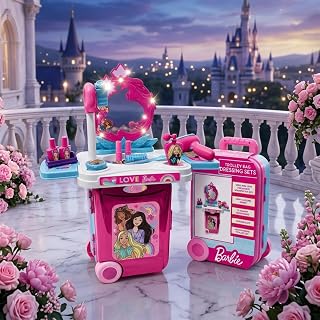


Makeup accessories have moved well beyond basic brushes and sponges. In 2026, shoppers in India can choose from precision applicators, reusable makeup tools, brush-cleaning systems, portable organisers, complexion sponges, eyelash tools, cosmetic mirrors and multi-purpose accessories designed to make makeup faster and more controlled.
The best choice is not necessarily the accessory with the most features. A useful makeup tool should suit the products you already use, feel comfortable in the hand, be easy to clean, store conveniently and provide consistent results. For Indian consumers, climate, travel habits, product availability, replacement costs and hygiene can also influence which accessory makes sense.
This buying guide focuses on the features that matter when comparing the latest makeup accessories in India. Instead of treating every new-looking tool as essential, consider how it solves a specific makeup problem and whether that improvement justifies the additional cost.
The following categories cover the most useful accessory types to compare when building or upgrading a makeup kit. They are not presented as universal winners because the right option depends on makeup style, frequency of use, budget and personal preferences.
A good brush set can be more practical than buying individual brushes at random. However, the number of brushes should not be the primary deciding factor. A set containing 20 or 30 pieces is not automatically better than a carefully selected collection of 8 to 12 useful brushes.
Look for brushes that correspond to the makeup products you actually use. A basic everyday kit may need a foundation or complexion brush, concealer brush, powder brush, blush brush, angled or contour brush and several eye brushes. Someone who prefers minimal makeup may have little use for specialised tools that remain unused in a drawer.
Brands such as Real Techniques, Sigma Beauty, Morphe and e.l.f. are among the names shoppers may encounter when comparing makeup brushes, while Indian consumers may also find options from Vega, Colorbar and other locally available beauty brands.
Synthetic fibres are often a practical choice for modern makeup because they can work well with liquid, cream and powder formulas and are generally straightforward to clean. They can also be preferable for consumers who want brushes made without animal hair.
Natural-hair brushes can have a different texture and may appeal to users who specifically prefer their feel with certain powder products. The decision should therefore be based on application preference, maintenance requirements and the types of cosmetics being used rather than the assumption that one material is universally superior.
Makeup sponges are popular because they can help distribute complexion products without requiring a large brush collection. They are particularly useful for blending foundation and concealer, softening edges and reaching areas around the nose and eyes.
The texture matters. A sponge that is excessively firm may provide less comfortable application, while an overly soft or fragile sponge may deteriorate quickly. The shape also affects usability. A pointed tip can help with small areas, a rounded surface can cover larger areas and a flat edge may be useful for controlled application.
Reusable sponges require regular cleaning. A dirty or inadequately dried sponge can become unpleasant to use, so hygiene and drying should be considered before choosing a reusable applicator.
Many complexion sponges are designed to be used either dry or slightly damp, depending on the manufacturer's instructions and the desired finish. A damp sponge can change how a foundation or concealer spreads and may produce a different level of coverage compared with a dry application.
Do not assume that every sponge should be saturated with water. Excess moisture can dilute or interfere with some products. Follow the care and usage instructions supplied with the specific accessory.
Brush cleaning is one of the most important parts of maintaining makeup accessories, yet it is frequently overlooked when people shop for new tools. A brush that performs beautifully when new can become less pleasant to use if product residue accumulates between the fibres.
Brush-cleaning accessories range from simple silicone cleaning mats to electric cleaning systems and drying solutions. A basic cleaning surface may be sufficient for an everyday user, while someone with a large brush collection may value a faster cleaning process.
A makeup mirror can have a greater practical effect on application than adding another colour-specific brush to a collection. Clear visibility is particularly useful when working on eyeliner, brows, concealer, lashes and detailed eye makeup.
When comparing mirrors, look beyond appearance. Lighting quality, viewing area, adjustability, portability, power requirements and magnification are more relevant to everyday use.
LED illumination can be useful when natural light is unavailable or inconsistent. However, very strong or poorly positioned lighting can make colour matching difficult. A mirror that allows the user to control brightness or viewing angle may therefore be more versatile.
Magnification can help with detailed work such as eyeliner, brow shaping and precise concealer placement. It is not necessarily useful for every stage of makeup application, however. High magnification can narrow the field of view, so a mirror combining a normal viewing surface with a smaller magnified section may be more practical for many users.
Makeup storage should make frequently used products easier to find without turning the vanity into an overcrowded display. Transparent organisers can make products visible, while drawer-style systems can protect cosmetics from excessive visual clutter and dust.
For smaller bedrooms, rented homes, shared spaces and compact dressing areas, vertical storage can be more efficient than a wide organiser. For travel, a cosmetic pouch with compartments may be more practical than a rigid acrylic organiser.
A minimal routine rarely requires a large collection of specialist tools. A versatile complexion brush or sponge, powder brush, blush brush, one or two eye brushes and a compact mirror can cover many everyday applications.
Users who regularly apply foundation, concealer, contour, blush, bronzer and setting products may benefit from more specialised brushes. Different shapes can improve control when layering complexion products and blending transitions.
Eye-focused kits benefit from small blending brushes, flat shader brushes, angled brushes and precision brushes. The goal is not to collect every shape but to have enough variation to create controlled placement and seamless transitions.
Beginners should prioritise versatility and simplicity. A smaller set of reliable tools is easier to understand, clean and maintain. Buying a large professional-style set before learning which brushes are actually useful can lead to unnecessary spending.
Frequent users should give additional attention to durability, cleaning speed, storage and consistency. A brush that is comfortable for a five-minute routine may not be the best choice for repeated application throughout the day.
Materials influence durability, comfort, hygiene and maintenance. Comparing material specifications can be more useful than relying on packaging claims about luxury or premium quality.
Synthetic fibres are widely used for brushes and are suitable for many modern makeup formulas. They are generally easy to clean and are available in a broad range of shapes and densities.
Silicone appears in cleansing mats, applicators and other makeup accessories. Its smooth or textured surfaces can make certain cleaning tasks easier, while its flexibility can be convenient for storage.
Plastic and acrylic are common in organisers and storage systems because they can be lightweight and easy to wipe clean. Clear acrylic is particularly useful when product visibility is important.
Metal components are commonly found in eyelash curlers, tweezers, brush ferrules and some precision tools. Inspect construction quality, alignment and finish rather than assuming that metal automatically means better durability.
These materials are common in cosmetic bags and travel cases. Look for washable or wipe-clean interiors, secure closures and stitching that appears appropriate for regular use.
Comparing accessories by price alone can produce poor buying decisions. A better approach is to evaluate the complete ownership experience.
Start with the problem you want the accessory to solve. If foundation looks uneven, a different sponge or complexion brush may be more relevant than buying additional eye brushes. If makeup application is difficult in low light, a quality mirror may have greater practical value.
Consider whether the accessory works with the products you already own. Some tools are better suited to powder, cream or liquid formulas. A highly specialised tool may provide little value if your makeup routine does not use the relevant product category.
Handle shape, weight and grip can affect precision. An accessory that looks attractive but feels awkward can quickly become an unused purchase.
Ask how much time the accessory will require after use. Tools that contact liquid foundation, concealer or cream products may need more frequent cleaning than accessories used occasionally with dry powders.
Check stitching, joins, ferrules, closures, hinges, bristles and other physical components. Product photographs can be useful, but specifications and verified customer feedback should also be reviewed before purchase.
An inexpensive accessory can become less economical if essential components wear out quickly or are difficult to replace. Consider the expected maintenance and replacement requirements alongside the initial price.
A useful makeup kit does not need to be built in one purchase. Start with the tools that directly support the products you use most frequently.
Brand reputation can help narrow a large marketplace, but shoppers should still compare the specifications of individual products. Established names such as Real Techniques, Sigma Beauty, Morphe, e.l.f., MAC, Sephora, Maybelline, Lakmé, Colorbar, Vega and Swiss Beauty cover different price points and product categories.
Availability and product ranges can vary, so check the exact model, size, material, included accessories and seller information before purchasing. Do not assume that every product from a well-known brand has the same construction quality or suitability for your particular routine.
India's varied climate makes maintenance particularly important. In warm or humid conditions, cosmetic tools can accumulate product residue and moisture more quickly. Accessories should therefore be stored in a clean, dry location with adequate airflow after washing.
Travel between humid coastal regions, hot inland areas and cooler climates can also change storage requirements. Avoid leaving makeup accessories in prolonged direct sunlight or inside excessively hot vehicles. For washable tools, allow them to dry completely before placing them in enclosed cosmetic bags or containers.
Travel changes the priorities. Compactness, durability and organisation become more important than owning every possible brush shape.
Regular maintenance helps preserve the feel and functionality of makeup accessories. Cleaning frequency should reflect how often a tool is used, which products it contacts and the manufacturer's care guidance.
There is no universal replacement schedule for every brush, sponge, mirror or organiser. Condition is more useful than an arbitrary timeline.
Consider replacing a brush when the fibres have permanently changed shape, become unusually rough, shed excessively or no longer clean properly. Sponges should be replaced when they show significant deterioration, persistent staining that cannot be cleaned appropriately, unpleasant odour or structural damage. For mechanical tools such as eyelash curlers, inspect the pad, alignment and moving components regularly.
Premium accessories can offer differences in materials, finishing, ergonomics, durability or specialised design, but those benefits matter only when they improve your actual routine.
Affordable accessories can be excellent for beginners, occasional users and people building a kit gradually. Instead of comparing brands solely by reputation, compare construction, materials, intended use, cleaning requirements and verified customer feedback.
A sensible approach is to spend more on tools where precision or frequent use makes a noticeable difference and save on accessories that provide limited additional functionality.
Customer reviews can provide useful information, but they should be interpreted rather than counted blindly. A high review score does not tell you whether a product suits your makeup routine.
When comparing makeup accessories on Amazon India or another trusted retailer, inspect the complete listing rather than relying only on the headline product name.
Prioritise versatility, basic construction and easy maintenance. A small collection of functional tools can provide more value than a large novelty set.
This category can offer a stronger balance between comfort, durability and specialised shapes. It is suitable for consumers who wear makeup regularly and know which tools they use most.
Premium purchases make the most sense when specific improvements matter, such as refined brush construction, professional ergonomics, advanced cleaning systems or a high-quality illuminated mirror.
Several broader directions are shaping how shoppers evaluate makeup accessories. Multi-functional tools remain attractive because they reduce the number of items required in compact kits. Reusable applicators and washable accessories appeal to consumers looking for alternatives to repeatedly discarded tools. Better organisation is also increasingly relevant as makeup collections expand across complexion, eye, lip and skincare categories.
At the same time, technology is becoming more visible in certain accessories, particularly illuminated mirrors and powered cleaning tools. The practical question is whether the technology genuinely improves the routine. Features should be evaluated for usefulness, reliability, maintenance and battery or charging requirements rather than novelty alone.
Not every trending makeup accessory is necessary. Makeup brushes, an appropriate sponge, a mirror and basic storage can cover the needs of many users. Specialised tools become worthwhile when they solve a recurring problem or noticeably improve application.
Before buying a viral or heavily promoted accessory, ask whether you can achieve the same result with a tool you already own. This simple comparison can prevent duplicate purchases and keep a makeup collection more manageable.
A versatile brush set, complexion sponge, powder or blush brush, basic eye brushes, eyelash curler if needed, mirror and suitable storage are practical starting points. The exact combination depends on the products used in the makeup routine.
Neither is universally better. Brushes can provide controlled application and different levels of coverage depending on their shape and density, while sponges can be useful for blending and achieving a particular complexion finish. Personal preference and foundation formula matter.
There is no required number. Someone with a simple routine may need only a few versatile brushes, while detailed makeup users may prefer specialised shapes. Buy according to the products and techniques you actually use.
They can be worth considering when improved construction, comfort, precision or durability provides a meaningful benefit. However, a higher price alone does not guarantee that a brush will perform better for every user.
Cleaning frequency depends on how frequently a brush is used, what products it contacts and individual hygiene preferences. Brushes used with liquid or cream complexion products generally require more attention than occasionally used powder brushes.
Many makeup sponges are designed for repeated use when properly cleaned and maintained. Follow the specific product's care instructions and replace the sponge when its condition deteriorates.
Consider dimensions, compartment sizes, material, ease of cleaning, visibility, stability and whether it fits the makeup products you already own. Storage capacity should match your actual collection rather than an imagined future collection.
They can be useful when room lighting is inadequate or inconsistent. Look for suitable brightness, viewing angle and mirror size rather than choosing solely on the presence of LED lighting.
Compact brush sets, multipurpose tools, protective cosmetic bags and portable mirrors are generally more travel-friendly than large vanity organisers. Prioritise secure storage and lightweight construction.
They can be, depending on purchase cost, durability, cleaning requirements and how frequently they are used. Compare the complete ownership cost rather than assuming that reusable automatically means cheaper.
Shoppers can compare established names such as Real Techniques, Sigma Beauty, Morphe, e.l.f., MAC, Sephora, Lakmé, Colorbar, Vega and Swiss Beauty. Always compare the specifications and customer feedback for the individual product rather than relying solely on brand reputation.
Identify the makeup task you want to improve before shopping. If an accessory does not solve a specific problem, duplicate an existing tool or require more maintenance than you are willing to provide, it may not be a useful addition.
The best makeup accessories are the ones that make your existing routine easier, cleaner, more precise or more organised. Instead of chasing every new beauty tool, compare the actual function, material, ergonomics, cleaning requirements, durability and compatibility with your makeup products.
For beginners, versatility should usually come first. For frequent makeup users, durability and specialised performance can matter more. For travellers, compactness and protection deserve priority. For collectors, storage and organisation may provide the greatest practical improvement.
Before making a purchase, compare multiple products, read recent verified customer reviews, examine specifications carefully and check today's price from trusted retailers. Product ranges, sellers, prices and availability can change, so confirm the exact listing and variant at the time of purchase.
Would you prefer the next version focused on budget picks, premium accessories, or Amazon India buying keywords?