

♥ Wishlist
Compare 60 verified Shop Sneakers Online in India products in India. Reviews, ratings, pros, cons and buying advice updated for October 2026.


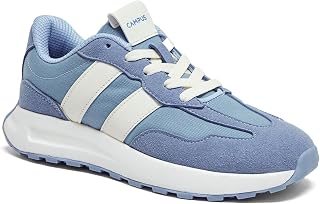


The most useful way to shop for the latest sneakers trends in 2026 is to separate appearance from actual suitability. A sneaker can look current while still being unsuitable for Indian weather, daily commuting, long periods of walking, gym sessions, or your preferred clothing style. Before choosing a pair, consider where you will wear it, how often you will use it, the surface you normally walk on, and whether you prioritise cushioning, stability, breathability, durability, or styling.
For an independent buying decision, compare specifications, construction details, available sizes, customer feedback, and the intended use of each model. Brands such as Nike, Adidas, Puma, New Balance, ASICS, Reebok and Skechers cover different combinations of lifestyle styling, running-inspired design, cushioning and everyday comfort, but the right choice depends on the individual shoe rather than the brand name alone.
Retro silhouettes continue to be useful for buyers who want a sneaker that works with jeans, trousers, shorts and casual Indian streetwear. Lower-profile designs often have a less technical appearance than heavily cushioned running shoes and can be easier to incorporate into everyday outfits.
When considering a retro-inspired sneaker, examine the outsole, upper material and internal cushioning rather than choosing solely on appearance. Some lifestyle shoes are primarily designed for casual use and should not automatically be treated as substitutes for dedicated running or training footwear.
Chunkier sneakers remain relevant for shoppers who prefer a more substantial visual profile. A larger midsole can create a contemporary look, although visible thickness does not by itself indicate better cushioning or comfort. Foam formulation, geometry, footbed construction and overall fit have a greater influence on how a shoe feels.
For everyday walking, look for a cushioning system that feels comfortable without making the shoe unnecessarily unstable. Buyers who spend many hours standing should pay particular attention to heel stability, forefoot flexibility and the transition between heel and toe.
Running-inspired footwear has become an important part of casual sneaker wardrobes because it combines athletic styling with features that can be useful for walking. Mesh uppers, padded collars, lightweight midsoles and engineered sole geometries can make these shoes attractive for commuting and everyday use.
However, lifestyle use and actual running are different requirements. If a shoe will be used for regular running, evaluate its running-specific construction, intended mileage, stability characteristics and fit rather than selecting it simply because it resembles a running shoe.
Simple court-inspired sneakers remain versatile because their relatively uncomplicated appearance works across casual and smart-casual outfits. White, off-white, black and neutral colourways can be particularly adaptable, although lighter uppers require more frequent cleaning.
For buyers choosing a minimalist sneaker for daily Indian conditions, inspect the sole pattern and upper construction carefully. A visually clean shoe still needs sufficient traction for the surfaces where it will be worn.
Modern lifestyle sneakers increasingly borrow visual and technical elements from performance footwear. Buyers may encounter engineered mesh, lightweight foam, responsive midsoles, moulded heel structures and layered synthetic or textile uppers.
These features should be evaluated according to their purpose. Breathable mesh may be useful in hot weather, while a more enclosed upper can offer additional structure or easier cleaning. A softer foam may feel comfortable for casual walking, whereas a firmer platform may provide a more controlled sensation.
Mesh is commonly used where ventilation and low weight are priorities. For India's warmer regions, a breathable upper can be especially useful for everyday walking. The downside is that open textile construction may require more care around dust, mud and stains.
Look beyond the word “mesh” in a product description. Check whether the shoe combines mesh with synthetic reinforcement panels, how much of the upper is actually ventilated, and whether the tongue and collar use similarly breathable materials.
Leather and leather-like materials can create a structured, polished appearance and may be easier to wipe clean than open mesh. They can work particularly well for casual sneakers intended to transition between different outfits.
They may, however, feel warmer than highly ventilated textile uppers. If you live in a hot or humid environment, consider whether the sneaker's appearance is worth accepting reduced airflow.
Suede can give a sneaker a premium visual texture, but it generally demands more careful maintenance than smooth synthetic surfaces. Mixed-material sneakers can look distinctive, yet additional panels and textures may make cleaning more complicated.
For frequent outdoor use during dusty or wet conditions, practicality should be considered alongside styling. A sneaker that looks excellent when new may require considerably more maintenance to retain that appearance.
The midsole is one of the most important components to evaluate because it influences cushioning, weight, flexibility and ride characteristics. Different sneakers use different foam constructions and geometries, so specifications should be compared rather than assuming that a thicker sole is automatically superior.
Do not judge cushioning solely from photographs. Product specifications and customer feedback can help establish whether a particular model feels soft, firm, narrow, wide, flexible or structured. Individual preferences vary considerably.
The outsole deserves more attention than it often receives in sneaker buying guides. Everyday footwear can encounter polished floors, concrete pavements, tile, dusty roads, uneven surfaces and wet ground. A fashionable upper cannot compensate for inadequate traction.
Examine how much of the outsole uses rubber or another durable traction material and where that material is positioned. High-wear areas around the heel and forefoot are particularly important for people who walk frequently.
A relatively shallow tread can work well for urban indoor and dry-surface use, while more pronounced patterns may be preferable when a sneaker will regularly encounter loose or uneven surfaces. Neither pattern is universally best; the intended environment matters.
Monsoon conditions create a different set of requirements. Water-resistant construction, quick-drying materials, traction and easy cleaning can become more important than aesthetics. A standard lifestyle sneaker should not automatically be considered waterproof simply because it has a synthetic upper.
Correct fit is more important than choosing the same numerical size you normally wear. Sizing can vary between brands and even between different models from the same brand.
People with wider feet should pay particular attention to the listed width options and customer feedback concerning the shape of the toe box. A longer size is not always the best solution for a shoe that is too narrow because excessive length can compromise heel security.
A versatile everyday sneaker should balance comfort, durability and styling. Students who walk between classes or commute by public transport may benefit from a relatively lightweight design with breathable materials and dependable outsole traction.
Choose cleaner silhouettes, restrained colours and materials that complement chinos, trousers or dark denim. Minimal white, black, grey, navy and neutral sneakers can provide greater outfit flexibility than highly technical or brightly coloured athletic designs.
Prioritise cushioning, heel security, breathable construction, outsole durability and a comfortable fit. A fashionable lifestyle sneaker may be perfectly suitable for short trips but become less comfortable during several hours of continuous walking.
Do not automatically choose a running shoe for gym training. Strength exercises, lateral movements and machine workouts can benefit from a more stable platform. If your routine includes running as well as resistance training, consider whether one versatile shoe genuinely satisfies both activities or whether specialised footwear would be more appropriate.
Dedicated running footwear should be assessed using running-specific criteria, including cushioning, stability, heel-to-toe geometry, fit, flexibility and intended running category. Lifestyle sneakers that happen to resemble running shoes should not be treated as equivalent performance footwear.
Brand comparison is useful as a starting point, but individual models matter more than brand reputation. Different product lines are designed for different purposes, price segments and foot shapes.
The best comparison is therefore model against model: upper materials, outsole construction, cushioning technology, fit, weight, intended activity, cleaning requirements and current customer feedback should all be considered together.
Visual appeal is important, but it should not be the only criterion. A sneaker can match your wardrobe while causing discomfort because of an unsuitable toe box, inadequate cushioning or poor heel security.
Price does not guarantee that a particular sneaker is the best choice for your needs. A premium performance shoe may provide features you never use, while a simpler model could be more appropriate for casual daily wear.
Many buyers focus on length and overlook width. If a shoe feels tight across the forefoot, increasing the length may create a different fit problem rather than solving the original issue.
Running, gym training, walking and casual wear place different demands on footwear. Always verify what the manufacturer intends the model to do before using it for an activity that requires specialised support.
Heavy, poorly ventilated sneakers can become uncomfortable in hot weather. Conversely, highly open mesh may be inconvenient when regular exposure to rain, mud or dust is expected.
Sizes, colourways, pricing, seller information, delivery terms and return policies can change. Before purchasing, verify the current product listing and retailer conditions rather than relying on an older description or cached information.
Product descriptions can contain a large amount of technical terminology. Focus on specifications that directly affect your intended use.
Regular maintenance can help preserve the appearance and usability of sneakers. Cleaning methods should always be compatible with the manufacturer's care instructions and the specific upper material.
Durability depends on construction, frequency of use, walking surface, body weight, gait, weather and maintenance. There is no universal lifespan that applies to every sneaker.
Inspect high-wear areas periodically. Excessive outsole smoothing, separated materials, compressed cushioning, damaged upper panels or persistent loss of structural support can indicate that a pair is approaching the end of its useful life.
Using a fashion sneaker exclusively for casual occasions can also preserve it for longer than subjecting the same pair to daily high-mileage walking. Matching footwear to its intended purpose is one of the simplest ways to improve long-term value.
Customer reviews can provide useful real-world information, but they should be interpreted systematically rather than by looking only at the overall star rating.
A large number of reviews can be helpful, but review quantity alone does not establish that a product is objectively better. The relevance and consistency of the feedback are more useful.
Instead of asking only “Which sneaker is cheapest?” or “Which sneaker is most expensive?”, consider the total value of the purchase.
For online purchases, compare the same model across reputable retailers and marketplaces rather than assuming that the first listing represents the best deal. Check the exact model name, colour, size, seller information, current price, delivery details and return conditions.
For branded footwear, pay attention to seller authenticity and product documentation. Marketplace listings can contain multiple sellers for what appears to be the same product, so the seller details should be reviewed before ordering.
Because prices and availability can change throughout 2026, check today's listing information immediately before purchase. Seasonal promotions and size-specific pricing can also affect the final value of a sneaker.
Popular sneaker directions for 2026 include retro-inspired low-profile designs, chunky silhouettes, running-inspired everyday footwear, minimalist court-style sneakers and performance-influenced lifestyle models. The most suitable trend depends on your wardrobe, climate and intended use.
There is no single best brand for every buyer. Nike, Adidas, Puma, New Balance, ASICS, Reebok and Skechers each offer models with different designs, fits and intended uses. Compare the specific model's construction, fit, comfort, purpose and current customer feedback.
They can be worthwhile when the additional construction, materials, fit or performance features provide benefits that you will actually use. Price alone should not determine quality or value.
Look for a comfortable fit, appropriate cushioning, secure heel hold, breathable construction and an outsole suited to your regular walking surfaces. If you walk for several hours every day, prioritise comfort and durability over fashion alone.
Many running shoes can be comfortable for everyday walking, but their suitability depends on the individual model and your needs. If you use them for running, verify that they are designed for your running requirements rather than selecting them only because they look athletic.
Measure both feet when possible and compare the measurements with the current manufacturer's size chart. Consider width, toe-room and the type of socks you will wear. Do not rely solely on the size you usually purchase from another brand.
Breathable mesh and lightweight textile constructions can be useful in hot conditions because they generally allow more airflow. However, ventilation should be balanced against durability, dust exposure, cleaning requirements and rain.
Remove surface dirt regularly, use a cleaning method appropriate for the upper material, avoid excessive water and allow the footwear to dry naturally. Always follow the manufacturer's care recommendations because cleaning methods differ between materials.
Online shopping provides convenient access to specifications, customer feedback and multiple sellers, while physical stores allow you to assess fit and comfort directly. If you are unfamiliar with a brand or model's sizing, trying a comparable pair in person can reduce fit uncertainty.
There is no universal replacement schedule. Replace or retire a pair when its cushioning, traction, structural integrity or fit has deteriorated enough to affect comfort, safety or intended performance.
The best latest sneaker is not necessarily the most fashionable, most expensive or most heavily marketed option. A strong choice is one that matches your actual use, fits your foot correctly, provides suitable cushioning and traction, works with your climate and clothing, and offers reasonable long-term value.
Before making a purchase in India, compare the exact models on your shortlist, read current customer feedback, verify specifications and check the latest retailer information. For casual wear, prioritise versatility and comfort; for walking, focus on cushioning and fit; and for running or training, use activity-specific performance criteria. This approach makes it easier to identify a sneaker that remains useful after the initial trend has passed.