

♥ Wishlist
Compare 19 verified Shop T Shirts Online in India products in India. Reviews, ratings, pros, cons and buying advice updated for October 2026.


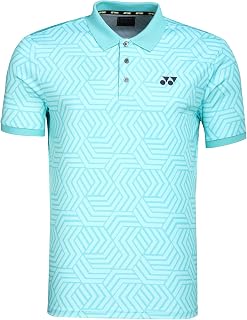


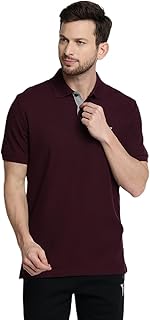


Finding the right T-shirt in India in 2026 is about more than choosing a colour or following a seasonal fashion trend. Fabric weight, fibre composition, fit, neckline, stitching, print quality, climate suitability, washing requirements and intended use can all affect whether a T-shirt remains comfortable and presentable after repeated wear.
This independent buying guide explores the latest T-shirt trends for 2026 with a focus on practical choices for Indian shoppers. Rather than treating one style as universally best, the guide explains which designs, materials and fits make sense for everyday wear, college outfits, casual office dressing, travel, workouts, layering and hot-weather use.
When comparing T-shirts, look beyond promotional photographs and headline discounts. Check the fabric composition, size chart, garment measurements, customer feedback, care instructions and seller information before purchasing. Brands such as Levi's, Pepe Jeans, Jack & Jones, U.S. Polo Assn., Puma, Adidas, Nike, HRX, Roadster, Max and Van Heusen offer different approaches to casual clothing, so the most suitable choice depends on your priorities rather than brand name alone.
T-shirt fashion in 2026 is moving across several distinct directions rather than following a single silhouette. Minimal designs remain practical for wardrobes that need versatility, while relaxed fits, oversized proportions, graphic details, textured fabrics, vintage-inspired washes and elevated polos provide more ways to build casual outfits.
For Indian weather, however, fashion should be evaluated alongside comfort. A visually attractive oversized or heavyweight T-shirt may work well for evening wear or air-conditioned environments but can feel warmer than a lightweight cotton or cotton-blend option during humid summer conditions.
Relaxed and oversized T-shirts continue to be important choices for contemporary casual dressing. Their wider body, dropped shoulders and less restrictive fit create a deliberately laid-back appearance.
Oversized does not necessarily mean buying several sizes larger. A properly designed oversized T-shirt normally has proportions intentionally developed for a loose silhouette. Simply sizing up a regular-fit garment can produce excessively long sleeves, an awkward shoulder line or an overly long body.
Plain T-shirts remain one of the safest purchases because they can be worn repeatedly with different trousers, jeans, shorts, jackets and overshirts. White, black, navy, grey, beige, olive and muted earth tones can provide a flexible foundation for a casual wardrobe.
The important distinction is between a genuinely well-constructed basic T-shirt and a very inexpensive garment with inconsistent sizing, thin fabric or weak neck ribbing. When comparing minimalist T-shirts, inspect the neckline, stitching, fabric composition and customer feedback instead of judging quality from colour alone.
Graphic T-shirts offer an easy way to introduce personality into an otherwise simple outfit. Current designs can range from small chest logos and typography to larger back graphics, illustrations, vintage-inspired artwork and contemporary streetwear motifs.
The quality of a graphic T-shirt depends partly on how the decoration is applied. Printed areas should be checked for the type of print, coverage, texture and care instructions. A visually impressive design may not be practical if it requires unusually delicate washing.
Washed and faded finishes create a worn-in appearance without requiring the garment to be genuinely old. Acid-wash, pigment-dyed, washed-black and muted vintage effects can make a simple T-shirt look more distinctive.
Because these finishes are intentionally uneven, shoppers should distinguish between designed fading and accidental colour deterioration. Product descriptions and customer photographs can help establish whether the appearance is intentionally produced by the manufacturer.
Heavyweight T-shirts are increasingly relevant for shoppers who prefer a structured appearance. Heavier fabric can hold its shape differently from lightweight jersey and may create a more substantial silhouette.
However, heavier does not automatically mean better. In India's warmer regions, fabric breathability and moisture management can matter more than thickness. A heavyweight T-shirt can be particularly useful for layering, evening wear or cooler weather, while a lighter option may be more comfortable for daytime summer use.
Simple crew-neck T-shirts are increasingly being used as the base layer beneath open shirts, overshirts, lightweight jackets and casual blazers. This makes neckline shape and collar stability particularly important.
A clean crew neck in white, black, grey or neutral tones can support multiple combinations. If layering is a priority, avoid unnecessarily bulky fabrics unless the outer layer has enough room to accommodate them.
Polo T-shirts occupy the space between conventional T-shirts and more formal casual shirts. They can work well for casual workplaces where a conventional T-shirt feels too informal but a button-down shirt is unnecessary.
Pay attention to collar construction, button quality, sleeve finishing and overall length. A polo that is too long can look untidy when worn untucked, while an overly short design may not provide enough coverage during movement.
Sports T-shirts are designed around movement and moisture management rather than purely around appearance. Polyester and technical blends are common in performance clothing because they can provide different drying and moisture-handling characteristics from ordinary cotton.
For gym sessions, running, walking and other active use, evaluate the fabric, stretch, ventilation, seam placement and fit. A T-shirt intended for training should allow arm movement without pulling excessively around the shoulders or chest.
Consumers increasingly encounter T-shirts described using terms such as organic cotton, recycled fibres, responsible manufacturing and lower-impact processes. These labels should not be treated as interchangeable.
When sustainability is important, read the actual fibre composition and any specific manufacturing or certification information provided for the garment. A vague environmental claim tells you considerably less than a clear description of the materials and relevant standards.
Elevated T-shirts are designed to look more refined than basic everyday tees. They may use heavier or smoother fabrics, cleaner construction, subtle branding, structured collars or carefully proportioned silhouettes.
This category can be useful for dinners, casual social events, travel and smart-casual wardrobes. The goal is not to make a T-shirt formal but to choose one whose fabric and construction look intentional enough for settings where a basic gym-style tee would feel inappropriate.
The best T-shirt is the one that fits the purpose, climate and wardrobe. Before comparing individual products, identify where and how frequently you expect to wear the garment.
A regular or relaxed-fit cotton T-shirt is usually the most versatile starting point. Neutral colours can provide more outfit combinations, while a few graphic or textured pieces can add variety.
Breathability and comfort should take priority over fabric thickness. Lightweight cotton and suitable cotton blends can be useful for everyday daytime wear, although the ideal material depends on the individual and the local climate.
Loose but proportionate fits can improve airflow, while very tight T-shirts may feel uncomfortable in hot or humid conditions. Extremely oversized garments are not automatically cooler because fabric amount, construction and fibre properties also influence comfort.
Choose performance-oriented clothing when sweat management and freedom of movement matter. Technical fabrics may dry differently from cotton and can be preferable during intense training.
Look for shoulder mobility, suitable sleeve length, stretch where necessary and seams that do not create unnecessary friction. A fashionable silhouette is less important if the garment restricts movement.
College wardrobes benefit from versatile combinations of solid, graphic, oversized and relaxed T-shirts. Neutral basics can be rotated with statement pieces so that the same trousers or sneakers can create several different looks.
Consider durability if the T-shirt will be worn frequently. Print longevity, collar recovery and colour retention can become more important than a small difference in initial purchase price.
Where T-shirts are acceptable, a clean regular-fit or premium-looking polo can create a more polished appearance than a loud graphic tee. Solid colours, restrained branding and a neat neckline generally make coordination easier.
Always consider the workplace dress code. A high-quality T-shirt does not automatically make an informal garment appropriate for a formal professional environment.
Fabric composition is one of the most useful specifications to compare because it affects feel, appearance, care and performance.
Cotton is widely used for casual T-shirts because it has a familiar natural feel and works well for everyday clothing. Different cotton garments can still feel dramatically different because fibre quality, yarn construction, knitting method, finishing and fabric weight vary.
Do not assume that every 100% cotton T-shirt will have identical shrinkage, softness or durability. Product construction matters as much as the fibre label.
Combed cotton refers to a processing method intended to remove shorter fibres and impurities before spinning. It is often associated with a smoother yarn and a more refined hand feel, although shoppers should still evaluate the complete garment rather than relying on the term alone.
Organic cotton relates to how the cotton is grown and processed under applicable standards. It should not automatically be interpreted as meaning softer, thicker or more durable than conventional cotton.
Polyester is common in activewear and performance T-shirts. It can provide useful moisture-management and quick-drying characteristics depending on the fabric construction and finish.
Blended fabrics combine characteristics of different fibres. A cotton-polyester T-shirt may offer a different balance of softness, drying behaviour, shape retention and durability compared with a 100% cotton garment.
Small amounts of elastane or similar stretch fibres can improve flexibility and recovery. Stretch is especially useful in fitted garments and activewear, but it is not necessary for every casual T-shirt.
GSM, or grams per square metre, is a measure of fabric weight. It can help shoppers compare how substantial fabrics are, but GSM should not be treated as a direct quality score.
Two fabrics with similar GSM can still feel different because fibre type, yarn, knitting and finishing influence the final garment. If GSM is not provided, do not guess it from photographs.
Regular-fit T-shirts provide a balanced silhouette without being especially tight or loose. They are often the easiest option for a general-purpose wardrobe.
Slim-fit T-shirts follow the body more closely. They can create a sharper appearance but require accurate sizing and sufficient stretch or comfortable fabric movement.
Relaxed fits provide additional room without necessarily having the exaggerated proportions associated with oversized streetwear. They are a useful compromise for shoppers who want comfort without an extremely loose silhouette.
Oversized T-shirts intentionally use wider proportions, dropped shoulders and generous body dimensions. Check the garment's actual measurements instead of assuming your normal size will produce the intended result.
Never rely exclusively on S, M, L, XL or XXL labels. Clothing sizes are not perfectly standardised between brands or even between different collections from the same brand.
The neckline has a major influence on how a T-shirt looks and how long it remains presentable.
The crew neck is the most versatile option for casual wardrobes. It works particularly well under overshirts, jackets and casual outer layers.
V-necks create a different visual line around the neck and can suit shoppers who prefer more open styling. The depth of the V is important because an excessively deep neckline can make an otherwise casual garment look less versatile.
Ribbing helps the neckline maintain its shape. Look for a collar that appears neatly attached and proportionate to the garment. Customer photographs can sometimes reveal whether the neck tends to stretch or wave after washing.
Construction quality is easy to overlook because online photographs usually focus on the front of the garment. Yet seams and finishing can have a substantial effect on long-term usability.
Colour should be considered in relation to the rest of your wardrobe rather than in isolation.
Graphic design is highly subjective, but there are objective details worth checking. A good graphic T-shirt should have a print that suits the intended style and care requirements.
Look for clear product photographs that show the front and, where relevant, the back design. Check whether the print is described as screen printed, digital printed, embroidered, embossed or produced using another method. Do not assume one decoration method is automatically superior in every application.
Large graphics can become the visual centre of an outfit, whereas small logos are easier to combine with different clothing. If versatility is the priority, subtle graphics or plain designs generally offer more outfit combinations.
Brand comparison should focus on the specific garment rather than assuming that every product from a brand has the same quality level. Levi's, Pepe Jeans, Jack & Jones and U.S. Polo Assn. cover different casual styling preferences, while Puma, Adidas, Nike and HRX are particularly relevant when sports and performance-oriented designs are being considered. Roadster, Max and Van Heusen can also appear in different casual and wardrobe categories.
Before buying, compare the individual product's fabric composition, measurements, construction details, care instructions and current customer feedback. A well-known brand name can reduce uncertainty, but it should not replace product-level evaluation.
A simple comparison framework can prevent marketing language from dominating the buying decision.
A medium in one brand can fit differently from a medium in another. Always check measurements when possible.
A thick fabric can feel substantial and premium but may not be comfortable for daytime summer wear in hot or humid areas.
Price can reflect branding, design, materials, construction and positioning, but it does not provide a complete quality assessment. Compare specifications and garment details.
A T-shirt that requires special care may not be convenient if you want an everyday garment that can be washed frequently.
Oversized styling depends on proportions. A larger size of a regular-fit T-shirt may not create the same silhouette as a purpose-designed oversized garment.
Photos cannot reliably communicate softness, weight, breathability or stretch. Use specifications and multiple customer observations where available.
A T-shirt should work with your existing trousers, jeans or shorts. Before purchasing a statement design, consider whether you already have suitable bottoms and footwear to balance it.
Customer reviews can be useful, but the most helpful approach is to look for patterns rather than relying on one extremely positive or negative comment.
Review volume alone should not determine your decision. A smaller number of detailed, relevant reviews can sometimes provide more useful information than a large number of very short comments.
Value should be assessed over the expected period of use rather than by purchase price alone. A slightly more expensive T-shirt may be a better fit for your wardrobe if it offers a fabric, construction and design that you will actually wear repeatedly.
For example, paying more for a graphic T-shirt that rarely matches your wardrobe may provide poorer practical value than purchasing a simpler T-shirt that works with several pairs of trousers. Conversely, a low-priced garment that quickly loses its shape may not be economical if it needs frequent replacement.
Prioritise breathable-feeling fabrics, suitable weights and comfortable fits. Very tight silhouettes can feel restrictive, while extremely heavy fabrics may feel unnecessarily warm.
Lightweight clothing can be useful during hot daytime conditions. Colour choice may also influence how practical a garment feels, particularly when outdoor exposure and frequent washing are involved.
During humid and wet weather, drying time becomes an important practical consideration. If you frequently commute outdoors, consider fabrics and garments that fit your washing and drying routine.
Heavier T-shirts can work as base or mid-layers beneath sweatshirts, jackets and overshirts. A structured heavyweight tee can also create a cleaner layered silhouette.
Combine a solid T-shirt with straight or tapered jeans and simple sneakers. Keep colours coordinated and allow one garment to provide the main visual contrast.
Pair an oversized T-shirt with relaxed trousers, cargos or denim. Balance the wider top with footwear that has enough visual weight to avoid making the outfit look disproportionate.
Choose a clean solid T-shirt or polo with tailored casual trousers and understated footwear. A lightweight overshirt or casual jacket can provide additional structure.
For travel, prioritise comfort, versatility and easy coordination. Neutral T-shirts can be rotated with multiple trousers, while a lightweight outer layer can adapt the outfit to changing temperatures.
A graphic or washed T-shirt can provide more personality when paired with jeans, shorts or relaxed trousers. Keep the rest of the outfit relatively simple if the T-shirt has a large or complex graphic.
Even a well-made T-shirt can deteriorate quickly when washed or dried incorrectly. Always follow the care label for the specific garment, because fibre blends, dyes, prints and finishes can require different treatment.
Excessive heat can affect certain fibres, prints, elastic components and finishes. Follow the drying instructions provided with the garment rather than assuming that every T-shirt can tolerate high heat.
Use the recommended temperature for the fabric. Printed areas may require additional care, and some garments may be better suited to low-temperature ironing or steaming.
Fold everyday T-shirts neatly to reduce unnecessary stretching. Heavier garments can benefit from storage methods that do not distort their shoulders or neckline.
Rotating T-shirts can reduce how frequently any single garment is washed. Washing only when appropriate, following care instructions and avoiding unnecessary high heat can also help preserve fabric and decoration.
Inspect collars, seams, hems and printed areas periodically. Early signs of wear are easier to manage than extensive damage. If a T-shirt has developed permanent distortion, severe fabric thinning or significant print deterioration, replacing it may be more practical than continuing to use it for situations where appearance matters.
Regular fit: Best for a balanced, versatile wardrobe and everyday styling.
Relaxed fit: Best for shoppers who want additional comfort without an exaggerated silhouette.
Oversized fit: Best for contemporary streetwear and intentionally loose styling, provided the proportions suit the wearer.
There is no universally superior fit. Body proportions, personal preference, climate and the rest of the outfit all affect which silhouette looks and feels best.
Cotton and polyester serve different purposes. Cotton can be attractive for casual everyday wear because of its familiar natural feel, while polyester is widely used in sportswear where moisture handling and drying behaviour are important.
For gym training or high-sweat activities, a technical polyester T-shirt may be more practical. For relaxed everyday wear, many shoppers may prefer cotton or a suitable cotton blend. The correct choice depends on activity rather than a simple ranking of one fibre above another.
Plain T-shirts generally provide maximum wardrobe flexibility. Printed T-shirts provide more visual personality but can be harder to coordinate and may require additional care depending on the decoration.
Lightweight T-shirts are often practical for warm weather and layering, while heavyweight T-shirts can provide greater structure and a more substantial visual appearance.
For most Indian wardrobes, owning both types can be more useful than trying to identify one universally best fabric weight. Lightweight tees can cover hot daytime use, while heavier options can serve evening wear, layering and cooler months.
A premium appearance is usually the result of several details working together rather than one expensive feature.
There is no ideal number for everyone. A practical wardrobe can start with a few dependable neutral T-shirts and then add styles based on actual wearing habits.
Instead of buying duplicates simply because a design is discounted, consider whether the new T-shirt fills a genuine gap in your wardrobe.
Prioritise fabric composition, sizing, basic construction and versatility. A simple solid T-shirt can provide better practical value than a highly decorative design that gets little use.
Compare construction, fabric quality, fit consistency and brand-specific sizing. This is also a useful category for experimenting with relaxed silhouettes, elevated basics and better-finished graphics.
Look beyond branding and examine the details that justify the positioning: fabric construction, weight, finishing, collar design, stitching, fit and long-term wardrobe usefulness.
A balanced wardrobe does not need every trend. Start with dependable pieces and add trend-led garments selectively.
Use the following checklist when comparing products from different brands or retailers.
A comfortable regular or relaxed-fit T-shirt in a suitable lightweight or mid-weight fabric is a practical starting point. Neutral colours generally provide the greatest versatility, while the ideal fabric depends on local climate and personal comfort.
Oversized and relaxed silhouettes remain important contemporary casual styles in 2026. The best choice depends on proportions, personal preference and how the T-shirt will be styled.
There is no single fabric that is best for every person or climate. Lightweight, breathable-feeling constructions are generally more appropriate for hot weather than unnecessarily heavy fabrics. Check fibre composition and garment construction rather than relying on a material name alone.
They can be useful for cooler conditions, evening wear, layering or structured styling, but they may feel warmer during hot daytime conditions. Consider season and location before choosing a heavy fabric.
No. Cotton and polyester have different characteristics. Cotton can work well for casual everyday clothing, while polyester is common in performance garments where moisture handling and drying behaviour are priorities.
There is no universal best colour. White, black, grey and navy are particularly versatile starting points, while beige, olive and stronger colours can expand an established wardrobe.
Choose based on the silhouette you prefer and the rest of your wardrobe. Slim fits create a closer profile, regular and relaxed fits provide balance, and oversized designs create a deliberately loose appearance.
Follow the care label, avoid unnecessarily harsh washing or drying conditions, and store garments in a way that does not put excessive stress on collars or shoulders.
A recognised brand can provide useful information about design positioning and sizing, but the individual product should still be evaluated on fabric, construction, fit, care requirements and customer feedback.
Ratings can be useful as one part of the decision. Look beyond the overall score and read detailed feedback for repeated observations about fit, fabric, shrinkage, colour, print quality and durability.
Compare fabric composition, garment measurements, fit, construction, care instructions, design versatility and customer feedback. The T-shirt with the stronger combination of these factors is generally the more useful purchase.
Check chest width, body length, shoulder width and sleeve dimensions. Compare these measurements with a garment whose oversized proportions you already like.
A relatively clean crew-neck T-shirt in a compatible fabric weight is a versatile layering base. The ideal thickness depends on the outer garment and the temperature.
Subtle graphics can sometimes work in relaxed smart-casual settings, but large or loud graphics are generally more casual. Always consider the specific dress code.
The latest T-shirt trends offer plenty of choice, but following every trend is unnecessary. The strongest wardrobe decisions come from matching design and construction to real-life use.
For everyday Indian wear, start by evaluating fabric, fit and comfort. For summer, consider lightweight and breathable-feeling constructions. For streetwear, compare oversized proportions and graphic details. For active use, prioritise performance fabrics and movement. For smart-casual dressing, look for cleaner silhouettes, restrained branding and better-finished construction.
Before placing an order, compare the exact product specifications, size chart, care instructions and current customer feedback. Check the latest price from the retailer you intend to use because prices, promotions, sizes and stock can change. A trusted brand name can be useful, but product-level specifications should remain central to the decision.
The goal is not simply to find the most fashionable T-shirt. It is to find a garment that fits correctly, feels appropriate for India's climate, works with your existing clothes and provides enough durability and versatility to justify the purchase.
Which T-shirt category should your next comparison focus on: oversized streetwear, everyday cotton, or sports/performance?