

♥ Wishlist
Compare 56 verified Sandals & Floaters for Comfortable Everyday Style products in India. Reviews, ratings, pros, cons and buying advice updated for October 2026.


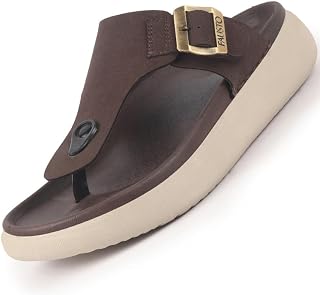


Choosing sandals or floaters in India is no longer simply about finding an attractive pair at a reasonable price. The right footwear needs to balance comfort, grip, fit, breathability, durability, styling and intended use. A pair that works well for casual city wear may not be the right choice for long walks, monsoon conditions, travel or regular outdoor use.
This 2026 buying guide focuses on the practical details that matter when comparing the latest sandals and floaters. Use it to evaluate specifications, materials, construction, sole design, closure systems, sizing and customer feedback before deciding which option deserves a place in your wardrobe.
The following categories represent useful buying choices rather than a claim that one particular product is universally best. Requirements differ considerably between everyday commuting, holidays, walking, outdoor activities and occasional wear.
The terms sandals and floaters are often used interchangeably in Indian shopping searches, but buyers can encounter meaningful differences in construction. A floater commonly refers to an open sandal with straps that hold the foot securely while exposing more of the foot than closed footwear. Sandals can encompass a much broader range of designs, from simple slip-ons to structured walking footwear.
Instead of choosing according to the label alone, examine the actual construction. Look at how much of the foot is supported, whether the heel is secured, how the straps adjust, how the sole bends, and whether the outsole is appropriate for the surfaces where the footwear will be used.
The best sandal for commuting is not necessarily the best sandal for a holiday or outdoor activity. Before comparing colours and designs, identify the primary purpose.
A visually attractive sandal can become an uncomfortable purchase if the fit is wrong. Sandals should hold the foot securely without squeezing the toes, pressing uncomfortably across the upper or allowing excessive movement.
Pay attention to the length and width of the footbed. Your heel should not sit substantially beyond the rear edge, while your toes should not hang over the front. Also inspect whether the widest part of the foot aligns naturally with the widest section of the sandal.
For adjustable floaters, straps can make a significant difference. However, adjustability does not automatically compensate for an unsuitable base shape. A sandal can have several adjustment points and still be poorly suited to a particular foot shape.
The outsole is one of the most important components to examine because it directly affects traction, durability and walking feel. Look for a tread pattern that corresponds to the intended environment rather than assuming that a deeper tread is always better.
Leather sandals are often selected for their classic appearance and ability to develop a distinctive finish over time. However, leather requires more attention to moisture and cleaning than many synthetic alternatives. Buyers should check the exact material description rather than assuming that a product marketed with a leather-inspired appearance is made entirely from leather.
Synthetic uppers are common because they can offer a combination of affordability, flexibility, easy maintenance and resistance to everyday wear. Different synthetic materials can behave very differently, so examine construction quality, stitching, strap attachment and sole design instead of judging durability from the material category alone.
Textile materials can provide a lightweight and breathable feel. They can be useful for casual and active designs, although cleaning requirements and drying time vary according to the specific fabric and construction.
Foam-based materials are commonly associated with lightweight footwear and cushioning. They can be comfortable for casual use, but softness alone should not be treated as proof of long-term support. Examine the shape, thickness and overall construction of the footbed and sole.
Rubber is frequently used in outsoles where traction and durability are priorities. The rubber compound, tread pattern and overall outsole design all influence performance, so simply seeing the word “rubber” in a specification does not provide enough information to judge grip.
Buckle closures allow the wearer to alter the fit and can be useful for feet that do not fit standard fixed-strap proportions. They are particularly helpful when a secure fit is more important than putting footwear on as quickly as possible.
Hook-and-loop fastening is convenient and allows quick adjustment. It can be a practical choice for everyday footwear and active use, particularly for buyers who value easy entry and exit.
Slip-on sandals are convenient but should be evaluated carefully for foot retention. If the sandal relies heavily on friction or the shape of the footbed to stay in place, it may not provide the same security as an adjustable design.
Multiple straps can distribute pressure across a larger area of the foot and improve retention. However, additional straps also create more potential contact points, so check whether any strap sits directly over a sensitive area or rubs during movement.
A contoured footbed can provide a more structured feel than a completely flat base. Whether that shape feels comfortable depends on individual foot anatomy and preference, so specifications should be considered alongside customer feedback about sizing and fit.
More cushioning does not automatically mean better comfort. Excessively soft footwear can feel pleasant initially but may not provide the stability some users prefer. Compare cushioning with the intended walking distance and surface.
Some sandals incorporate noticeable shaping through the midfoot, while others remain relatively flat. Buyers should consider whether they prefer a structured or neutral footbed rather than selecting solely on the presence of an “arch support” claim.
A heel strap or rear structure can reduce unwanted movement. For walking-intensive use, secure heel retention may be more valuable than a very soft upper.
The right amount of flexibility depends on the sandal's intended purpose. Casual footwear can benefit from easy bending, while outdoor-oriented designs may intentionally use a more structured sole for stability and protection.
Grip becomes particularly important in India's varied conditions, including smooth indoor floors, dusty streets, wet pavements and seasonal rain. Do not evaluate traction based only on the appearance of the tread.
Open construction can help reduce the enclosed feeling associated with closed footwear during hot weather. Breathability, low weight and comfortable straps are particularly useful when temperatures are high.
Rain introduces different requirements. Water-friendly materials can simplify cleaning and drying, while outsole traction becomes more important. Buyers should distinguish between footwear that can tolerate occasional splashes and footwear specifically designed for wet environments.
Open sandals may be less practical in colder regions or during cool weather. In warmer parts of India, however, sandals can remain useful throughout much of the year. Choose according to the actual climate and use rather than following a universal seasonal rule.
Current sandal styling increasingly combines everyday versatility with comfort-oriented construction. Instead of treating fashion and function as separate categories, buyers can look for designs that provide a contemporary appearance without sacrificing practical features.
Men's sandals range from simple everyday slip-ons to structured outdoor footwear. Buyers should compare the width, strap placement, footbed length and heel retention rather than selecting purely according to appearance.
For office-adjacent casual wear and everyday errands, understated leather-look or leather designs can offer greater versatility. For travel and outdoor use, sport-inspired designs from brands such as Skechers, Adidas, Puma, Reebok and Woodland may be worth comparing according to their individual specifications and construction.
Women's sandals cover an especially broad range of casual, fashion, walking and occasion-focused designs. Comfort should remain part of the evaluation even when the primary objective is appearance.
Brands such as Bata, Clarks, Skechers, Metro, Mochi and Crocs offer different approaches to casual and lifestyle footwear, so compare the actual model specifications rather than assuming that every product from a brand will have the same fit or construction.
Footwear requirements vary by wearer. Adult sandals can often prioritise styling, durability and individual fit preferences, while children's sandals require particular attention to secure fastening, appropriate sizing and comfortable construction.
For children, avoid buying significantly oversized footwear simply to extend its usable life. Excess movement can make walking less secure. Check the manufacturer's sizing guidance and reassess fit as the child grows.
Product listings can contain a large amount of information, but not every specification is equally useful. Focus on details that can materially affect the purchase decision.
Customer reviews can reveal practical information that a specification sheet may not communicate, but they should be interpreted carefully. A single review describing a perfect fit or poor fit does not establish how the product will perform for every buyer.
Look for recurring themes across multiple verified customer reviews. Pay particular attention to comments about sizing, strap comfort, sole grip, durability, material quality and whether the product matches its description.
Fashion is important, but a beautiful sandal that causes discomfort will often receive less use. Consider fit and intended use before styling.
Many shoppers focus on length while overlooking width. A sandal can have the correct nominal size and still feel unsuitable if the footbed or straps do not accommodate the wearer's foot shape.
A very soft footbed can feel comfortable when first worn. However, softness should be considered alongside stability, support and the amount of walking expected.
Price alone does not establish whether a sandal is the right choice. Compare material, construction, closure, outsole, fit and customer feedback before judging value.
Footwear designed for casual indoor use should not automatically be treated as suitable for trails, slippery surfaces or demanding outdoor conditions.
Sizing can vary between brands and even between different designs. Always consult the relevant size chart when it is provided.
A material that looks attractive may require more care than expected. Think about how frequently you will clean the footwear and the conditions in which it will be used.
When two products appear similar, use a structured comparison instead of relying on the product photograph.
For long walks, look beyond basic cushioning. A suitable walking sandal should hold the foot securely, provide a comfortable base, avoid obvious pressure points and use an outsole appropriate to the walking environment.
A secure heel strap can be useful because it reduces the need to grip the sandal with your toes. Adjustable straps can also help fine-tune fit during different conditions. If the sandal is intended for extensive walking, examine both flexibility and stability rather than choosing solely on softness.
Daily-use floaters benefit from versatility. A good everyday design should work with ordinary clothing, remain comfortable during routine walking and be reasonably easy to clean.
Neutral colours such as black, brown, tan and grey can be practical for buyers who want one pair to work across several outfits. Buyers who already own neutral footwear may instead prefer a brighter colour or more contemporary silhouette.
Travel footwear should ideally perform more than one role. A lightweight sandal that works for sightseeing, casual meals and everyday walking can reduce the amount of footwear required in luggage.
Monsoon footwear needs more than an open design. Water exposure, mud, wet flooring and repeated cleaning can all affect comfort and durability.
Look for explicit information about water-friendly materials, drying requirements and outsole traction. Avoid making assumptions based solely on photographs. If the manufacturer does not describe a product as suitable for water exposure, treat water resistance as unconfirmed.
The best material depends on where and how the sandal will be used. A premium material is not automatically the most practical option for every Indian climate or lifestyle.
There is no single correct sandal budget. Instead of setting a price target first, establish the features you actually need and then compare products that satisfy those requirements.
For occasional casual use, buyers may prioritise value and straightforward construction. For frequent walking, travel or outdoor use, spending more can make sense when the additional cost corresponds to meaningful improvements in materials, fit, outsole construction, durability or comfort. Always compare the specifications of similarly positioned products before deciding that a higher price represents better value.
Brand recognition can be useful as a starting point, but it should never replace model-level comparison. Different brands specialise in different footwear categories, and products within the same brand can vary substantially.
Young buyers may place greater emphasis on current styling, versatility and price. Sport-inspired floaters can work particularly well for casual wardrobes because they bridge the gap between athletic and everyday footwear.
For working adults, comfort during commuting and after-work activities can be more important than highly specialised features. A neutral sandal that works across casual outfits can provide better wardrobe versatility.
Older wearers may prefer designs that are easy to put on, provide secure foot retention and avoid unnecessary pressure points. Adjustable fastening can be useful when precise fit matters.
When product images are available, inspect the attachment points between the straps and sole. Look for clean finishing and consistent construction. Examine the outsole pattern and the overall shape of the footbed.
Read the complete specification rather than relying on a product title. Marketing phrases can be broad, whereas material composition, closure type, dimensions and care instructions provide more useful information for comparison.
Follow the manufacturer's care instructions because different materials require different cleaning methods. Avoid applying an aggressive cleaner simply because it works on another pair of footwear.
After exposure to water, allow sandals to dry according to the material's care guidance. Excessive direct heat can damage some materials, adhesives or finishes.
Store sandals in a clean, dry environment away from unnecessary heat and prolonged moisture. Keeping them in a ventilated area can help prevent persistent odours and moisture-related issues.
Regular cleaning, adequate drying and allowing footwear to air between uses can help maintain freshness. If the material has specific care instructions, follow those rather than using an unsuitable household chemical.
Many buyers do not need numerous pairs with overlapping purposes. A small, carefully selected collection can cover most situations.
The best sandals depend on your use, budget, climate and preferred fit. For everyday use, prioritise comfort, secure construction, suitable traction and easy maintenance. For travel or outdoor activities, place greater emphasis on weight, stability, foot retention and outsole performance.
Yes, a well-fitting floater can be suitable for daily use when its construction matches the wearer's routine. Check strap comfort, foot retention, cushioning, sole grip and durability rather than choosing solely because the design looks comfortable.
Neither material is universally better. Leather can appeal to buyers who prefer traditional styling and material character, while synthetic options can be attractive for easy maintenance, lightweight construction or specific outdoor requirements. The intended use should determine the choice.
Some sandals are specifically constructed for walking, while basic casual sandals may be better suited to shorter periods of use. For long walks, look for secure foot retention, a comfortable footbed, suitable cushioning, stability and appropriate outsole traction.
The foot should sit securely on the footbed without excessive heel or toe overhang. Straps should hold the foot without creating uncomfortable pressure. Always consult the manufacturer's size chart because sizing conventions can vary.
Open construction can improve ventilation compared with enclosed footwear, making sandals practical in warm conditions. However, comfort still depends on material, strap design, footbed construction and fit.
Look for footwear with materials and construction appropriate for water exposure, dependable traction and straightforward cleaning. Do not assume that every open sandal is waterproof or slip-resistant.
Select a lightweight and versatile pair that can handle the activities you expect to perform. Secure straps, comfortable walking characteristics, manageable weight and easy maintenance are useful considerations.
They can be worth considering when the additional cost corresponds to meaningful improvements in construction, materials, fit, durability or comfort. Compare similarly intended products before making a value judgement.
Star ratings are useful as an initial signal but should not be the only factor. Read detailed verified customer feedback and look for repeated comments about sizing, comfort, material quality, durability and grip.
There is no universal replacement interval. Replace them when the outsole is substantially worn, straps or attachment points are damaged, cushioning or structural integrity has deteriorated, or the footwear no longer provides a comfortable and secure fit.
Black, brown, tan, beige and other neutral shades are generally versatile because they coordinate with many casual outfits. The best colour ultimately depends on your existing wardrobe and whether you want footwear to blend in or stand out.
Before purchasing sandals or floaters, review the product as a complete package rather than focusing on one attractive feature. Confirm that the design suits your intended use, the size chart is appropriate, the straps provide secure retention, the footbed feels suitable for your walking needs and the outsole matches the surfaces you expect to encounter.
The strongest sandal purchase is rarely determined by appearance or price alone. A well-chosen pair should match the wearer's foot shape, daily routine, climate, walking requirements and preferred style. The latest designs increasingly offer buyers a choice between minimalist fashion, sport-inspired construction, lightweight comfort, outdoor functionality and traditional materials.
For Indian shoppers, the most useful approach is to compare products at model level. Examine specifications, check sizing information, assess outsole design, read recurring customer feedback and consider how the sandal will perform in the conditions where it will actually be worn. This makes it easier to distinguish a genuinely suitable purchase from footwear that simply looks appealing in a product photograph.
Recommendations and product availability can change during 2026, so verify the current specifications, customer feedback and today's price before purchasing. Use this guide as a framework for commercial comparison rather than treating any single sandal style, material or brand as universally superior.