

♥ Wishlist
Compare 36 verified Baby Clothing for Comfortable Everyday Dressing products in India. Reviews, ratings, pros, cons and buying advice updated for October 2026.






Baby clothing in 2026 is moving toward a practical combination of comfort, easy dressing, breathable fabrics, adaptable sizing and attractive everyday styling. For parents in India, choosing baby clothes is not simply about following seasonal fashion. Climate, fabric construction, washing requirements, baby's age, movement, skin comfort and the occasion all influence whether a garment is genuinely useful.
The most appealing designs may include coordinated sets, playful prints, soft neutrals, traditional Indian-inspired patterns, festive outfits and modern minimalist basics. However, appearance should remain secondary to comfort and suitability. A beautifully designed garment is of limited value if it is difficult to put on, restricts movement, overheats the baby or requires unusually delicate care.
This 2026 buying guide focuses on the practical details behind current baby clothing trends in India so parents can compare options more intelligently. Brands commonly encountered in the Indian babywear market include Mothercare, Carter's, H&M, FirstCry, Gini & Jony, R for Rabbit, Babyhug and Allen Solly Junior, but brand familiarity alone should not replace checking the individual garment's material, construction, sizing and care instructions.
Cotton remains one of the most practical materials to consider when shopping for baby clothing in India. Its popularity is connected to its familiar feel, broad availability and suitability for many everyday garments. Lightweight cotton can work particularly well for warm weather, although parents should still examine the garment's weave, thickness, fit and finishing rather than assuming every cotton item will feel equally comfortable.
For summer wardrobes, look for clothing that does not unnecessarily trap heat. Loose but secure fits, short sleeves, breathable constructions and lightweight fabrics can be more useful than decorative layers. For newborns and younger babies, practical access for frequent changes is another important consideration.
Bodysuits are among the most versatile pieces in a baby's wardrobe because they can be worn alone in suitable weather or underneath other clothing. They are particularly convenient when frequent diaper changes are part of the daily routine.
When comparing bodysuits, pay attention to the opening mechanism. Shoulder or envelope-style neck openings can make dressing easier, while snap closures around the lower section can provide convenient access during changes. The quality and placement of snaps matter because poorly designed closures can become frustrating during repeated use.
There is no universal number because laundry frequency, climate, baby's age and individual routines vary. A better approach is to create a rotation of frequently used basics rather than buying a large quantity in one size. Babies can outgrow clothing quickly, so purchasing excessive quantities before knowing how rapidly a particular size will be used can lead to waste.
Rompers continue to be a useful bridge between basic everyday clothing and more styled outfits. One-piece designs reduce the need to coordinate several garments and can be especially convenient for playtime, outings and warm-weather dressing.
Look for generous movement around the legs and torso without selecting an excessively oversized garment. Fasteners should be secure and reasonably easy to operate. For younger babies, designs that simplify changing can be considerably more useful than complicated decorative details.
For hot and humid conditions, lightweight materials and less restrictive construction are generally preferable to thick, heavily layered designs. During cooler periods, a romper can also function as a base layer beneath a cardigan or other outer garment when appropriate.
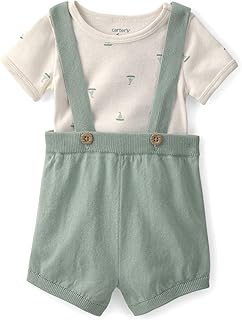
Coordinated baby clothing sets are useful for parents who want outfits that look complete without spending time matching individual pieces. Sets may combine a top and bottom, bodysuit and trousers, dress and accessory, or multiple interchangeable basics.
The main buying consideration is whether all pieces are independently useful. A set containing one highly specialised piece and several less practical accessories may offer less wardrobe value than a group of simple garments that can be mixed with existing clothes.
Gender-neutral baby clothing is becoming increasingly practical for parents who prefer flexible wardrobes. Cream, beige, white, grey, green, yellow, blue, earthy tones and simple prints can work across different styling preferences.
The value of gender-neutral clothing is not limited to aesthetics. Neutral designs can make hand-me-downs easier to organise and may allow parents to purchase fewer highly specialised outfits. Simple patterns can also be easier to combine with existing basics.
Festivals, weddings, naming ceremonies, family celebrations and religious occasions create demand for traditional-inspired baby clothing. Popular styles can include kurta-pyjama combinations, lehenga-inspired outfits, festive dresses, waistcoats, Nehru-style jackets and coordinated ethnic sets.
For babies, comfort should remain central even when choosing occasion wear. Stiff embellishments, scratchy inner surfaces, restrictive waistbands, heavy accessories and complicated fasteners can make an attractive outfit impractical.
Sleepwear deserves separate consideration because babies may spend many hours wearing it. Practical sleep clothing should be comfortable, appropriately fitted and suitable for the room temperature.
Depending on the season, parents may consider lightweight cotton sleepsuits, simple two-piece sets or warmer layered clothing. The right choice depends on the baby's environment and clothing requirements rather than a fixed fashion rule.
Parents should follow safe-sleep guidance from qualified healthcare and child-safety authorities when choosing sleep clothing. Clothing should not be selected merely because it looks cosy or oversized.
Winter clothing requirements vary substantially across India. A baby living in a comparatively mild winter climate may need a very different wardrobe from a baby experiencing substantially colder temperatures.
Layering is often more adaptable than buying only very thick garments. A lightweight base layer can be combined with an appropriate outer layer depending on conditions. This approach also makes it easier to adjust clothing when moving between indoor and outdoor environments.
Monsoon conditions can create a combination of humidity, rain, dampness and frequent clothing changes. Lightweight garments that dry reasonably well and can be washed frequently are often practical.
Parents may benefit from keeping enough everyday clothing available to handle unexpected changes rather than relying heavily on one or two favourite outfits. Clothing storage also matters: garments should be thoroughly dry before being stored to reduce the risk of unpleasant odours and moisture-related problems.
Minimalist babywear focuses on restrained colours, clean silhouettes and limited decoration. These garments can be especially versatile because they can often be combined with multiple existing pieces.
However, minimalist styling does not automatically mean better construction. Compare fabric, stitching, closures, washing instructions and fit in exactly the same way you would evaluate a brightly decorated garment.
Material selection is one of the most important parts of buying baby clothing. Product descriptions can contain broad marketing terms, so checking the actual fibre composition and care label provides more useful information.
Cotton is widely used in babywear and is available in numerous weights and constructions. Lightweight cotton can be useful for warm conditions, while heavier cotton fabrics may be more appropriate for layering in cooler weather.
Organic cotton refers to cotton produced under particular organic production standards. Parents should distinguish the material claim from assumptions about the overall garment. If an organic certification is important to the purchase decision, check the specific certification information supplied for the product rather than relying solely on general wording.
Some baby garments use fibres derived from bamboo. The resulting textile properties depend on how the fibre has been processed and blended. Product descriptions should therefore be evaluated using the stated fibre composition rather than treating all bamboo-labelled fabrics as identical.
Blends can combine different properties, such as durability, stretch or ease of care. Whether a blend is preferable depends on the garment's purpose. For everyday babywear, parents should focus on comfort, construction, washing requirements and suitability for the intended climate.
Baby clothing sizes are not perfectly standardised between brands. One manufacturer's “3–6 months” garment may fit differently from another manufacturer's equivalent label. This makes the measurement chart more useful than relying exclusively on age.
When between sizes, consider the garment type and how it is intended to fit. A rapidly growing baby may benefit from sensible allowance for growth, but excessively oversized clothing can interfere with comfort and movement. Never treat “buy two sizes larger” as a universal rule.
A suitable fit should permit normal movement without excessive tightness or unnecessary loose fabric. Neck openings should not be uncomfortably restrictive, waistbands should not dig into the skin, and sleeves and trouser legs should be appropriate for the baby's current size.
Check fit periodically because babies can change size quickly. Clothing that was comfortable recently may become restrictive sooner than expected, particularly around the chest, waist, thighs and shoulders.
Safety should take priority over decorative appeal when choosing garments for babies and young children. Parents should examine clothing for components that could become detached, uncomfortable or otherwise unsuitable for the child's age.
Comparing baby clothing effectively requires more than looking at ratings or photographs. A useful comparison considers the garment's complete ownership experience.
Compare the fibre composition, fabric weight, stitching, seams, closures and overall construction. A simple garment with sensible construction may be more useful than a heavily decorated alternative.
Decide whether the item is for everyday use, sleeping, travel, outdoor activity, festivals, weddings or layering. This immediately narrows the relevant choices.
India's regional climate differences make season and location important. A thick winter outfit may be unnecessary in a warm region, while lightweight summer clothing may not provide enough layering flexibility in colder conditions.
Baby clothing often requires frequent washing. Compare machine-wash compatibility, recommended temperatures, drying instructions and whether the garment needs special care.
A more expensive garment can sometimes provide better practical value if it is worn repeatedly and remains useful after multiple washes. Conversely, a low-priced outfit that is worn once may not be the best value.
Not every premium-looking feature improves a baby's clothing experience. Parents should think carefully before paying more for elaborate decorations, excessive accessories, complicated layering or garments intended primarily for photographs.
This does not mean decorative clothing is a poor purchase. Occasion wear can be worthwhile when the family has a genuine need for it. The important distinction is between paying for useful construction and paying primarily for visual complexity.
Babies grow quickly, and seasonal changes can arrive before a large clothing collection is used. A balanced wardrobe is usually easier to manage than buying a very large quantity at once.
Complicated embellishment, stiff fabrics and restrictive cuts may look attractive but can be unsuitable for extended wear.
A garment that requires special washing may become inconvenient when frequent cleaning is necessary.
Age ranges are useful for orientation, but measurements are generally more reliable for selecting a size between brands.
Buying clothing based on a generic seasonal category can be misleading because Indian weather varies considerably between regions.
Wardrobes become more versatile when tops, bottoms and layers can be combined in multiple ways.
Newborn clothing should prioritise easy dressing, comfortable materials and convenient changing. Parents may want a modest selection of simple garments rather than a large collection of elaborate outfits.
Front-opening garments can be particularly convenient during the earliest stage when parents are still becoming familiar with dressing and changing routines. Soft fabrics, practical fasteners and uncomplicated designs can reduce daily frustration.
At this stage, babies may become increasingly active, making fit and freedom of movement more important. Bodysuits, rompers, lightweight trousers and easy-change outfits can form useful everyday combinations.
It is also sensible to check whether existing clothes are beginning to become short or restrictive rather than automatically replacing the entire wardrobe according to age alone.
As mobility develops, clothing should accommodate movement appropriate to the child's stage. Parents may need to consider garments that remain comfortable during crawling, sitting, playing and other everyday activity.
Practicality becomes increasingly important because clothing can experience more contact with floors, food, outdoor surfaces and frequent washing.
Toddler clothing needs to accommodate a more active lifestyle. Stretch, durable construction, comfortable waistbands and easy-to-remove designs can become more important than purely decorative details.
Parents can also introduce a greater variety of everyday styling, including coordinated sets, casual dresses, lightweight jackets, traditional outfits and simple separates.
Summer wardrobes should be planned around the actual conditions in the family's region. Lightweight garments, breathable materials and practical cuts can help create a more manageable wardrobe.
Winter wardrobes are best approached through adaptable layers. Depending on regional temperatures, useful pieces may include long-sleeve basics, sweaters, cardigans, trousers, jackets and other appropriate outer layers.
Rather than buying the warmest-looking garment available, consider the child's indoor environment, outdoor exposure and ability to add or remove layers when conditions change.
Travel clothing should prioritise easy changes, versatility and manageable packing. Parents may benefit from choosing simple garments that can be combined in multiple ways rather than packing a separate elaborate outfit for every day.
A useful baby wardrobe generally needs a balance between everyday basics and a smaller number of special-purpose outfits. Instead of treating every trend as a separate purchase, identify pieces that fulfil multiple roles.
The exact quantity depends on laundry frequency, climate, baby's age and lifestyle. A parent doing laundry frequently may need a smaller rotation than someone who washes clothing less often.
Online product photographs can make garments difficult to evaluate accurately. Before purchasing, examine the specification information, size chart, material composition, care instructions and photographs showing the garment from multiple angles.
Customer reviews can provide useful clues about fit, fabric feel, shrinkage, colour changes and durability, but reviews should be interpreted carefully. Individual experiences can differ, and recent reviews may not always reflect every production batch or size variation.
Ratings can be useful as an initial filter, but they should not be treated as a substitute for reading the underlying feedback. Look for repeated observations rather than relying on a single highly positive or negative comment.
Pay particular attention to comments discussing sizing accuracy, fabric thickness, stitching, shrinkage, colour retention, washing behaviour and whether the actual product matches the photographs. These details are often more valuable for purchase decisions than generic statements about whether an item is “good.”
Different babywear brands can have different approaches to sizing, materials, styling and price positioning. Names such as Mothercare, Carter's, H&M, FirstCry, Babyhug, Gini & Jony, R for Rabbit and Allen Solly Junior may appear across different shopping categories, but the relevant comparison should always be made at the individual product level.
The cheapest item is not necessarily the best-value purchase, and a higher price does not automatically indicate superior quality. Value depends on how often the garment is likely to be worn, how well it handles washing, how versatile it is and whether the size will remain useful for a reasonable period.
For everyday basics, durability and practicality can be more valuable than elaborate styling. For occasional festive wear, parents may reasonably place greater emphasis on appearance while still checking comfort and construction.
Timing depends on the baby's growth, the upcoming season and planned occasions. Because children's sizes can change quickly, it is usually more sensible to buy according to foreseeable needs rather than accumulating clothing far in advance.
Before purchasing seasonal clothing, check what is already available and identify gaps. This reduces duplicate purchases and helps prevent buying too many garments that will be outgrown before the relevant season arrives.
Proper care can help garments remain useful for longer. Always follow the specific care instructions supplied with the product because fabrics and finishes differ.
Baby clothing can have a short useful period because children grow rapidly. Buying versatile pieces, selecting sensible quantities and prioritising durable everyday garments can reduce unnecessary waste.
Parents can also consider passing suitable outgrown clothing to younger children, donating usable garments or repurposing them where appropriate. Clothing that is damaged or no longer hygienic should not be passed on simply to avoid disposal.
A practical purchase strategy begins with the baby's current size, the local climate and the immediate purpose of the garment. Next, compare fabric composition, construction, sizing, care instructions and customer feedback. Only after those factors should colour, styling and trend appeal determine the final choice.
For most families, a balanced wardrobe of comfortable everyday basics plus a limited selection of seasonal and occasion-specific clothing provides greater flexibility than a wardrobe built entirely around trends.
Breathable everyday basics, versatile rompers, comfortable bodysuits, coordinated sets and adaptable seasonal layers are among the most practical categories. The best choice depends on the baby's age, local climate and daily routine.
There is no single fabric that is best for every baby or every season. Cotton is a widely used option for everyday clothing, while other fabrics and blends can also be appropriate depending on construction, climate and the garment's purpose.
Not necessarily. Compare material composition, construction, fit, durability, care requirements and versatility rather than using price as a direct indicator of quality.
A modest allowance for growth can sometimes be practical, but excessively oversized clothing may be uncomfortable or unsuitable. Use the product's measurement chart and consider the garment's intended fit.
They can be useful when the individual pieces are comfortable, practical and versatile. Sets are less attractive from a value perspective when most components are unlikely to be worn separately.
Check the size chart, material composition, opening design, closures, care instructions, safety-related construction and recent customer feedback. Easy changing is particularly valuable for newborn clothing.
Choose clothing appropriate to the local temperature and conditions, generally favouring lightweight, breathable and comfortable garments when the weather is hot. Avoid unnecessary layers and monitor the baby's comfort.
Use adaptable layers based on the local climate. Combine suitable base garments with appropriate sweaters, cardigans or outer layers rather than relying on one very heavy garment for every situation.
Yes, ethnic clothing can be suitable for festivals and celebrations when it is comfortable, appropriately fitted and free from problematic decorative elements. Soft lining and practical closures can make occasion wear more suitable for longer events.
There is no fixed replacement schedule. Replace clothing when the baby outgrows it, when it becomes uncomfortable, when important closures or seams are damaged, or when the garment no longer provides suitable coverage or function.
Reviews can be useful but should be interpreted collectively. Repeated comments about sizing, fabric, washing performance and construction are generally more informative than isolated opinions.
Buy according to current and near-term needs, avoid excessive quantities in one size, prioritise versatile basics and check measurements before ordering. For expensive occasion wear, consider how frequently the garment is likely to be used.
The latest baby clothing trends are most useful when they improve everyday practicality rather than simply changing the appearance of an outfit. For Indian parents, the strongest buying decisions typically combine comfortable materials, sensible sizing, climate-appropriate construction, easy changing, safe design and manageable care requirements.
Use trends as inspiration, not as the deciding factor. Compare individual products carefully, read the specifications and size chart, examine recent customer feedback, consider the baby's current needs and check today's retailer information before completing a purchase. This approach makes it easier to find baby clothing that looks good while remaining genuinely useful in everyday life.