

♥ Wishlist
Compare 39 verified Boys Sandals for Comfortable Everyday Style products in India. Reviews, ratings, pros, cons and buying advice updated for October 2026.


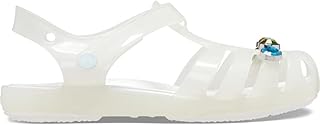


Boys' sandals in 2026 are increasingly expected to balance comfort, durability, easy wear and everyday versatility rather than focusing on appearance alone. For children in India, the right pair may need to handle school routines, family outings, summer weather, holidays, casual play and occasional festive dressing. That makes construction, fit and material just as important as colour or styling.
This buying guide is designed for parents and family members comparing boys' sandals in India. It focuses on the practical details that can make one pair more suitable than another, including sole construction, fastening systems, foot coverage, materials, cushioning, ventilation, sizing, cleaning and intended use.
The best boys sandals are not necessarily the most expensive or the most heavily advertised. A good choice should match the child's age, foot shape, daily activities, climate and expected level of wear. Start with purpose, then evaluate fit and construction before considering colour or branding.
Consider where the sandals will actually be worn. A child who mainly wears sandals for family outings may need a different construction from a child who spends several hours walking, playing outdoors or travelling.
Correct sizing is one of the most important factors when buying children's footwear online. A sandal that is too small can become uncomfortable quickly, while an excessively large sandal may allow unnecessary foot movement and make walking less secure.
Do not select a size solely because the child usually wears that number in another brand. Sizing can vary between manufacturers and between different sandal designs. Whenever available, compare the child's foot measurement with the individual brand's size chart.
The footbed is the surface supporting the child's foot. A well-designed footbed should feel comfortable without forcing the foot into an unnatural position. For everyday children's sandals, look for a reasonably supportive base, a surface that is not excessively slippery and sufficient cushioning for the intended activity.
Very soft cushioning is not automatically better. Excessive softness can affect stability, especially when a child is walking quickly or playing outdoors. The appropriate balance depends on the sandal's intended use.
The outsole is responsible for much of the sandal's interaction with the ground. For children, traction deserves particular attention because sandals may be used on tile, pavement, playground surfaces and other environments with different levels of grip.
Rubber and rubber-like compounds are widely used for children's footwear because they can provide useful traction and durability. The actual performance depends on the compound, tread design, thickness and construction, so the word rubber alone should not be treated as a guarantee of quality.
EVA is commonly used in lightweight footwear because it can provide cushioning without adding substantial weight. EVA sandals can be convenient for casual summer use, travel and everyday activities. However, buyers should still examine the sole profile, fastening system and overall construction rather than selecting footwear solely because it is lightweight.
Synthetic leather can provide a more structured appearance and is frequently used in casual and dressier children's sandals. It may be particularly useful for family functions where a slightly polished look is preferred. Cleaning instructions vary, so always follow the manufacturer's care guidance.
Textile and mesh components can improve airflow and reduce the enclosed feeling associated with more heavily covered footwear. They may be useful in warm Indian weather, especially when a sandal is intended for prolonged everyday wear.
For beaches, pools and monsoon conditions, material selection becomes more important. Footwear intended for wet environments should be evaluated for drying characteristics, traction when wet and the manufacturer's stated care instructions. A sandal should not automatically be considered water-friendly simply because it has synthetic components.
Velcro is one of the most practical fastening systems for children because it is quick to adjust and relatively easy for a child to operate independently. It can also make small fit adjustments throughout the day.
When evaluating Velcro sandals, inspect the length and positioning of the straps. A short strap may provide limited adjustment, while an unnecessarily long strap can become awkward during use.
Buckles can provide a secure and traditional fastening system and are common on smarter casual or dress-style sandals. They can take longer to fasten than Velcro, which may matter for younger children.
Slip-on sandals are convenient, but convenience should not come at the expense of a secure fit. For children who run, climb or play actively, a sandal that can move independently of the foot may be less suitable than a properly adjustable design.
The choice depends on the environment. Open-toe designs may be preferable for ventilation, while closed-toe sandals can make sense when protection is a higher priority.
Colour should be considered alongside practicality. Neutral colours such as black, brown, navy and tan can work with a wide range of children's clothing and may be easier to incorporate into a versatile wardrobe.
Brand recognition can be useful when comparing construction, sizing information and product ranges, but a familiar name should not replace product-level evaluation. Depending on the style and current availability, parents may compare brands such as Bata, Liberty, Paragon, Campus, Sparx, Asian, Red Tape, Crocs, Skechers, Adidas, Puma and Nike.
Different brands may specialise in different styles. Some are particularly associated with everyday value footwear, while others offer sport-oriented, casual or premium designs. Always compare the specific sandal's materials, size chart, fastening system, sole construction and care requirements rather than assuming that every model from a brand has the same characteristics.
When two sandals look similar, use a structured comparison instead of choosing based only on appearance.
Age-based size suggestions are useful as a starting point, but children of the same age can have significantly different foot lengths and shapes. Actual measurements are more useful when a manufacturer's sizing information is available.
Children grow quickly, which can make oversized footwear tempting. However, excessive extra space can reduce stability and cause the sandal to move around during walking. Choose sensible room rather than intentionally buying an excessively large pair.
Even when the overall length is correct, a poorly positioned strap can cause discomfort. Examine where each strap contacts the foot and whether it can be adjusted appropriately.
A sandal may look excellent in product photographs but still be unsuitable for the child's daily routine. Consider the sole, fastening, material and intended use before making a final decision.
Price can reflect materials, construction, branding and design, but a higher price does not automatically make a sandal more suitable for a particular child. Compare specifications and fit at the product level.
Verified customer reviews can reveal practical details that may not be obvious from photographs, such as perceived sizing, strap adjustment and long-term usability. Reviews should be considered alongside manufacturer specifications rather than treated as the sole source of information.
India's varied climate means there is no single sandal construction that is ideal everywhere or throughout the year. Hot and humid conditions make ventilation important, while monsoon weather introduces additional considerations around moisture, drying and traction.
For hot weather, look for breathable designs with sufficient open areas and materials appropriate for prolonged wear. During the monsoon, consider how easily the sandal can be cleaned and dried and whether the outsole is suitable for potentially wet surfaces.
In cooler weather, a more covered sandal may be useful for specific occasions, although the child's activity and local climate should determine the choice.
Children can outgrow footwear before the exterior looks worn out. Check the fit periodically, particularly during periods of rapid growth. Replacement may also be appropriate when the outsole has lost substantial tread, straps no longer hold securely, the upper is damaged or the sandal no longer provides a comfortable and stable fit.
Do not judge remaining life solely by appearance. A sandal can look acceptable while the fastening system, sole or internal structure has deteriorated enough to affect everyday use.
For younger children, ease of fastening and a secure fit are particularly important. Adjustable Velcro straps can make footwear easier to manage, while a stable outsole can be useful for children who are still developing confident walking and running habits.
Children in this age group often need footwear that can cope with a mixture of everyday walking, play and family activities. Durable construction, comfortable cushioning and secure fastening can therefore become more important than purely decorative features.
Older children may have stronger preferences regarding colour, branding and style. Involving them in the selection process can make it easier to choose a sandal they will actually wear. At the same time, fit, sole quality and intended use should remain central to the decision.
Sport sandals are generally designed around a more active use case, often with greater emphasis on secure fastening, sole grip and foot coverage. Casual sandals may prioritise lightweight construction, simple styling and everyday convenience.
If a child spends most of the day walking or playing outdoors, a more secure sport-oriented design may be worth considering. For occasional outings and relaxed summer wear, a lighter casual sandal may be sufficient.
Travel footwear should be versatile because packing space is limited and children may move between different environments. A good travel sandal can ideally coordinate with several outfits, remain comfortable during extended walking and be reasonably easy to clean.
For weddings, festivals and family celebrations, sandals can complement traditional outfits such as kurta-pyjama, kurta sets and other ethnic clothing. Brown, tan, black and understated metallic details can create a more formal appearance without being excessively elaborate.
Comfort remains important even for occasional-event footwear. Children may spend several hours standing, walking and moving between different locations during family functions, so a good fit should not be sacrificed purely for appearance.
A sensible budget should account for how frequently the sandals will be used and how quickly the child is likely to outgrow them. Buying an expensive pair may not offer good value if the child will outgrow the size before receiving substantial use.
At the same time, choosing the cheapest available sandal without checking construction can create false savings if the footwear is uncomfortable or unsuitable for the intended activity. Compare material, sole construction, fastening, fit and expected usage alongside price.
The best option depends on the child's foot size, activity level, preferred fastening system, climate and budget. Rather than choosing one universal model, compare sandals according to fit, sole traction, materials, adjustability and intended use.
Active children generally benefit from sandals with secure fastening, appropriate foot coverage, a stable construction and an outsole designed for reliable traction. Sport-style sandals can be useful when those characteristics are needed.
Yes, Velcro can be a practical choice because it is quick to fasten and easy to adjust. It is especially convenient for children who are developing independence with dressing.
Open-toe sandals can be useful for ventilation and hot-weather casual wear, while closed-toe designs provide greater coverage. Choose according to the child's activities and environment.
Low weight can improve convenience and reduce the feeling of bulky footwear, but weight should not be considered independently. A lightweight sandal still needs appropriate fit, stability, traction and construction for its intended purpose.
There should be sensible room for natural movement and growth, but excessive space can make the sandal less secure. Follow the individual manufacturer's sizing guidance and consider the child's actual foot measurement.
There is no single best material for every child. Breathable textile or mesh components and suitable synthetic materials can work well for warm conditions, while the overall design and ventilation are more important than the material name alone.
Some can, particularly designs made with suitable synthetic or water-friendly materials. However, check the manufacturer's care guidance and consider traction, drying time and how the sandal performs when exposed to moisture.
Regular cleaning, adequate drying and proper ventilation can help reduce odour. Avoid storing damp sandals in enclosed spaces and follow the manufacturer's cleaning instructions for the specific material.
A recognised brand can make it easier to compare established product ranges and published specifications, but branding alone does not determine whether a particular sandal is suitable. Compare the exact model's construction, fit, materials, reviews and current price.
Not necessarily. Value depends on the combination of fit, materials, construction, durability and how frequently the sandal will be used. Compare similarly positioned products before deciding whether the additional cost is justified.
Check the fit regularly because children's feet grow continuously and growth rates vary. Pay particular attention when the child starts complaining about discomfort, the toes appear crowded or the sandal begins to fit differently.
The strongest approach to buying boys sandals in India is to start with the child's actual needs rather than a generic ranking. Decide whether the sandal is primarily for everyday use, outdoor play, travel, water-related activities, school requirements or special occasions. Then compare fit, fastening, sole construction, materials, ventilation and durability.
Brands such as Bata, Liberty, Paragon, Campus, Sparx, Asian, Red Tape, Crocs, Skechers, Adidas, Puma and Nike can be included in a wider comparison, but the specific model matters more than the logo. Product specifications, verified customer feedback and the child's measurements should guide the final choice.
Before purchasing, compare the latest specifications and today's price from trusted retailers, confirm the size information, review the current return or exchange conditions and consider whether the sandal is genuinely suited to the child's daily routine. A well-fitting, appropriately constructed sandal is usually a better purchase than one selected simply because it looks fashionable or carries a familiar brand name.