

♥ Wishlist
Compare 32 verified Stylish Satchels for Everyday Use products in India. Reviews, ratings, pros, cons and buying advice updated for October 2026.


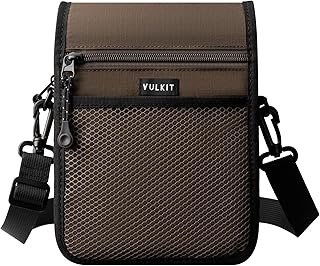


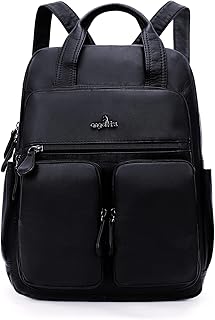


Satchels continue to occupy a useful middle ground between structured handbags, everyday shoulder bags and compact work bags. For Indian buyers in 2026, the most useful approach is to judge a satchel by its intended use rather than by appearance alone. A bag that looks excellent for occasional outings may be uncomfortable as an office bag, while a work-focused satchel may feel unnecessarily formal for everyday travel.
This guide expands the buying criteria behind the latest satchel trends so shoppers can compare construction, capacity, materials, carrying options, organisation, security and overall practicality before choosing a product. It is designed for buyers comparing products from marketplaces and established brands such as Lavie, Caprese, Baggit, DailyObjects, American Tourister, Skybags, Safari, Samsonite, Hidesign and other brands available to Indian consumers.
A satchel is generally a structured bag designed to carry everyday belongings while maintaining a more defined shape than a soft tote. Traditional designs often feature a top handle and a longer shoulder strap, although modern versions can use adjustable or detachable straps and multiple carrying configurations.
The term is used broadly in modern retail, so products described as satchels can range from compact women's handbags to office bags, laptop-friendly shoulder bags and unisex structured carryalls. This makes the product category less about one fixed design and more about a combination of shape, carrying method, organisation and intended use.
Current satchel styling is moving toward practical versatility rather than purely decorative design. Buyers can find products combining structured silhouettes with lighter materials, detachable straps, laptop compartments, understated hardware and flexible interior organisation.
Clean lines and relatively uncluttered exteriors are useful for shoppers who want a satchel that works with office clothing as well as casual outfits. Minimal exterior detailing can also make a bag easier to coordinate with different colours and clothing styles.
Satchels with both top handles and adjustable shoulder straps offer greater flexibility. A shopper can carry the bag by hand for a formal appearance or use the longer strap when commuting, shopping or walking for extended periods.
Work-oriented satchels increasingly need to accommodate technology rather than just notebooks and personal accessories. When shopping for a laptop-friendly model, do not rely only on a product title. Check the stated laptop size compatibility, compartment dimensions, padding, closure system and whether the computer compartment is separated from other contents.
Smaller designs remain practical for shoppers who carry only essentials such as a phone, wallet, keys, compact cosmetics, sunglasses and a small charger. A compact satchel can also be easier to carry throughout the day than a large bag that encourages unnecessary loading.
Black, brown, tan, beige, navy and other understated shades remain useful choices when one bag needs to work across multiple settings. More expressive colours and patterns can be worthwhile when the bag is being selected primarily as a fashion accessory.
Soft-structured satchels offer a compromise between the rigid appearance of a formal handbag and the relaxed feel of a soft shoulder bag. They can provide a polished appearance while remaining easier to pack than heavily rigid designs.
Interior pockets, zip compartments, key holders, phone pockets and dedicated technology sections can have more practical value than additional exterior decoration. The right layout depends on what you carry every day.
Long adjustable straps are particularly useful in busy Indian urban environments because they leave both hands available. Crossbody carrying can also make a bag easier to manage during public transport journeys, shopping and walking.
The best satchel is not necessarily the most expensive, most fashionable or highest-rated option. A better buying decision starts by identifying how the bag will be used and then matching its specifications to that routine.
Size should be evaluated according to the objects you actually carry. A visually attractive bag can become frustrating when a water bottle, tablet, notebook or charger barely fits.
Small satchels are suitable for lightweight everyday essentials. They are generally easier to carry and can work well for social occasions, quick errands and minimalist routines. Their main limitation is restricted internal capacity.
Medium models are often the most versatile category because they can accommodate everyday personal items without becoming excessively bulky. They may suit office commuters who do not need to carry a full-size laptop or a large amount of paperwork.
Large satchels can be useful for work, study and travel when more storage is necessary. However, additional capacity can encourage overpacking. Check the empty weight as well as the dimensions before choosing a large model.
Laptop compatibility is one of the most frequently misunderstood specifications. A manufacturer may describe a bag as suitable for a particular laptop size, but the actual computer dimensions can vary considerably between devices with the same diagonal screen measurement.
If a product description only provides a laptop size such as 14-inch or 15.6-inch without compartment measurements, treat that information as a starting point rather than a guarantee of fit.
Leather can provide a distinctive appearance and may develop changes in character over time. Quality varies substantially, so shoppers should examine the exact material description rather than assuming that every product marketed as leather has the same construction or finish.
PU and other synthetic materials are common in fashion bags because they can offer a leather-like appearance across a wide range of designs. They can also make cleaning relatively straightforward, although durability depends on the material formulation, construction and frequency of use.
Canvas can provide a more casual appearance and may suit everyday or college-oriented styles. Look at fabric weight, lining, stitching and closure quality rather than judging durability from the word "canvas" alone.
These synthetic textiles are common in lightweight and travel-oriented bags. They can be practical when low weight and easy maintenance are priorities. Water resistance should never be assumed solely from the presence of a synthetic fabric; check the manufacturer's stated properties.
Textile blends can provide distinctive textures and colours. For daily use, examine the lining, seam construction, strap attachment points and base reinforcement because these details often have greater practical importance than the surface fabric alone.
Inspect photographs for consistent stitching around handles, corners, pockets and strap attachment points. High-stress areas deserve particular attention because they experience more load than decorative seams.
Handles should be securely connected to the main body. Reinforced attachment points are particularly important on bags intended to carry heavier items such as laptops, books or bottles.
Check whether the shoulder strap is adjustable, detachable and sufficiently wide for comfortable use. Thin straps may look elegant but can feel uncomfortable when the bag is heavily loaded.
A reinforced or structured base can help the bag maintain its shape and reduce direct wear on the bottom. This is particularly relevant when the bag is frequently placed on floors, desks or other surfaces.
A good interior lining should complement the intended use. Smooth linings can make smaller belongings easier to locate, while stronger textile linings may be preferable for work-oriented bags. Examine photographs for loose seams, exposed edges and pocket attachment quality.
Zippers, buckles, rings and clasps are functional components rather than merely decorative details. Check how they are attached and whether the closure style suits the way you intend to access the bag.
A large number of compartments can appear attractive in a product listing but may not improve everyday usability. What matters is whether the organisation matches your belongings.
Think about your packing routine before choosing the compartment layout. A simple interior can be preferable when you carry a few larger items, whereas a highly organised design can be valuable when you carry numerous small accessories.
A satchel that looks excellent but becomes uncomfortable after 20 minutes of carrying is not a good everyday purchase. Comfort depends on the combined effect of weight, dimensions, strap design, handle shape and how the bag distributes its load.
Indian buyers should consider local conditions when comparing materials and construction. Heat, dust, humidity, monsoon conditions and frequent commuting can influence which bag is easiest to maintain.
Look for clearly stated water-resistant or water-repellent properties if protection from rain matters. Do not assume that a bag is waterproof because it is made from synthetic material. For valuable electronics, consider additional protection such as a suitable laptop sleeve.
A lightweight bag may be preferable when it will be carried for long periods. Dark colours can also become warmer when exposed to direct sunlight, although actual comfort depends on the material, construction and environment.
Easy-clean synthetic surfaces can be practical for frequent use. Textured fabrics may require more attention depending on their weave and finish.
Prioritise secure closures, comfortable straps and sensible organisation. A compact crossbody-friendly satchel can be easier to manage than a large bag when travelling through crowded areas.
Choose a structured medium-to-large model with a professional appearance, secure closure, organised interior and appropriate laptop or document capacity. Neutral colours can make the bag more versatile across work outfits.
Look for lightweight construction, practical capacity and a strap that remains comfortable when carrying books or technology. A fashionable design is useful, but it should not replace basic carrying comfort.
A compact satchel with one main compartment and a few well-positioned pockets can be more efficient than a large multi-compartment design.
Prioritise secure closures, durable high-contact areas, comfortable straps and easy access to frequently used items. If the bag will be used alongside luggage, check whether its shape makes it easy to carry with another bag.
Focus on silhouette, material finish, hardware, colour and outfit versatility. Even in this category, inspect the strap attachment and closure because appearance does not guarantee functional quality.
Brand familiarity can help narrow a search, but it should not replace specification-level comparison. Brands such as Lavie, Caprese and Baggit are commonly associated with fashion-focused bags, while brands such as American Tourister, Skybags and Safari are more broadly associated with travel and everyday luggage categories. DailyObjects offers a range of contemporary everyday carry products, while Samsonite occupies a more premium travel-oriented segment. Hidesign is associated with leather-focused designs.
These differences are useful as a starting point, but individual models within the same brand can vary considerably. Always compare the specific product's dimensions, material, weight, compartments, closure, strap configuration and stated care instructions.
When comparing ten shortlisted products, use the same criteria for every model rather than relying on different descriptions for each product. A simple comparison framework can make the final decision substantially easier.
A higher price does not automatically mean better value, just as a low price does not automatically indicate poor quality. Value comes from the combination of construction, materials, comfort, capacity, usability and expected frequency of use.
For an occasional-use fashion bag, spending more on advanced organisation may provide little benefit. For a daily work bag carrying expensive electronics, stronger construction and protective compartments may justify prioritising functional features over decorative details.
One of the easiest mistakes is buying a bag because its silhouette looks perfect and discovering later that everyday essentials do not fit comfortably. Make a list of the items you actually carry before comparing dimensions.
A large bag made from heavy materials can become tiring when filled. Always consider the bag's own weight alongside its intended load.
Screen size is not enough to establish compatibility. Compare the physical dimensions of the device with the actual compartment measurements whenever those specifications are available.
More pockets can create more organisation, but they can also reduce usable space and make larger belongings harder to store.
A narrow or poorly positioned strap can become uncomfortable when the bag is loaded. This is especially important for commuters.
Synthetic materials can resist moisture to different degrees, but the material category alone does not establish waterproof performance. Look for explicit product specifications.
Images can reveal design and visible construction but cannot always establish material thickness, long-term durability or actual comfort. Read the detailed specifications and verified customer feedback where available.
Customer reviews can provide useful real-world information, but they are most valuable when interpreted systematically. Do not focus only on the average rating or a handful of enthusiastic comments.
A rating is a useful signal, but it does not tell you whether a product suits your requirements. A highly rated compact handbag may be a poor choice for someone who needs to carry a laptop, while a work-focused satchel with a less fashionable design may be ideal for an office commuter.
Use ratings as one input alongside specifications, dimensions, material information, customer feedback and your intended use. This approach is especially important when comparing products across different price categories.
Follow the manufacturer's cleaning instructions. In general, avoid aggressive chemicals and excessive moisture unless the care instructions specifically permit them. Store the bag away from prolonged heat and direct sunlight when it is not being used.
Leather requires material-appropriate care. Use only products recommended for the specific leather finish and avoid soaking the bag. If the manufacturer provides a care guide, follow it rather than applying a generic leather treatment.
Check whether the bag is machine washable, hand washable or spot-clean only before cleaning. Removing stains aggressively can damage coatings, colours or surface treatments.
Keep zippers free from dust and debris, and avoid forcing a zipper around an overloaded compartment. Hardware can also deteriorate faster when exposed to excessive moisture or harsh cleaning agents.
Empty the bag completely before storage. Keep its shape supported where appropriate, avoid placing heavy objects on top of it and store it in a clean, dry location with adequate airflow.
For commuting and travel, security can be as important as appearance. A fully enclosed main compartment can help keep belongings contained, while a crossbody strap can make the bag easier to control in crowded environments.
Buyers carrying valuable electronics should also consider whether the bag provides enough protection from everyday knocks. A satchel without meaningful padding may still be useful, but a separate protective sleeve may be appropriate for fragile devices.
Hybrid workers often need a bag that moves between home, office and cafés or other temporary workspaces. A medium structured satchel can be useful when the daily load consists of a laptop, charger, notebook, phone, wallet and a few personal items.
If you frequently transport multiple devices, accessories or documents, compare the internal layout carefully. A larger exterior does not necessarily mean a more useful interior because thick padding, dividers and multiple pockets can reduce usable space.
Choose a satchel when you prefer a defined shape, more structured organisation, secure closures or multiple carrying options. Choose a tote when open access, simplicity and flexible capacity are more important.
A satchel is often the better option for buyers who want one bag to transition between professional and casual settings, while a tote can be more convenient when frequently adding or removing larger items.
Messenger bags generally prioritise crossbody carrying and quick access, while satchels place greater emphasis on structured styling. If you walk or commute frequently, compare the strap design and weight distribution carefully rather than selecting solely on appearance.
A backpack can distribute weight across both shoulders and may be more appropriate for heavier loads. A satchel can provide a more formal appearance and easier hand access but may place more load on one shoulder when carried with a single strap.
If your everyday load includes a laptop, books, water bottle and other heavy items, comfort should take priority over style. If your load is light and professional presentation matters more, a structured satchel may be a better fit.
A structured satchel is a strong option for someone who values a polished appearance, organised storage and a defined shape. It can work particularly well for office users, professionals, students carrying moderate loads and shoppers who want a bag that transitions between formal and casual settings.
A satchel may not be the ideal choice for everyone. If you regularly carry very heavy loads, a backpack may provide better weight distribution. If you frequently carry bulky items, a flexible tote may offer more practical access. If you prioritise hands-free commuting and rapid access, a messenger or crossbody bag may be more appropriate.
The strongest satchel purchase is the one that balances design with everyday function. Trends can help identify attractive silhouettes, colours and materials, but the final choice should come from measurable factors such as dimensions, weight, construction, compartments, closures, strap design and intended use.
For shoppers comparing the top 10 latest satchel options in India in 2026, avoid selecting a product solely because it has an attractive photograph, a familiar brand name or a high rating. Compare the specific model's specifications, read verified customer feedback, consider your daily carrying requirements and check current prices before purchasing.
Whether you prefer a compact fashion satchel, a professional laptop-friendly design, a leather option, a lightweight everyday model or a versatile crossbody style, the right choice is ultimately the one that fits your belongings, routine, comfort requirements and budget without unnecessary compromises.
A medium-sized satchel with a secure closure, comfortable adjustable strap, useful internal organisation and manageable weight is generally a practical starting point. The ideal configuration depends on what you carry daily.
Yes. Structured satchels can be particularly suitable for office environments when they provide adequate space for documents, personal belongings and, where necessary, a properly protected laptop compartment.
There is no universally best material. Leather can appeal to buyers who prioritise a traditional premium appearance, synthetic materials can suit shoppers seeking particular finishes and easy maintenance, while canvas, nylon and polyester can work well for casual or lightweight applications.
List the items you carry every day and identify the largest item. Then compare those measurements with the bag's stated internal and external dimensions. Avoid selecting a larger bag simply because it offers more capacity if you rarely need that space.
Some satchels are designed for laptops, but not all are. Confirm the exact compartment dimensions, padding and stated device compatibility before buying.
They can be worthwhile for buyers who value leather's appearance and are prepared to follow appropriate care instructions. The value depends on the specific leather, construction, design, price and intended frequency of use.
A crossbody configuration can be convenient for commuting because it leaves both hands available. Comfort still depends on the bag's weight, strap design and how heavily it is loaded.
It is important when the bag will be carried for long periods. A lightweight bag can remain more manageable after adding a laptop, books, charger and personal belongings.
Choose pockets based on your organisation needs rather than quantity. A few appropriately positioned compartments can be more useful than numerous small pockets that reduce the available main storage area.
Compare them using the same criteria: material, dimensions, weight, laptop compatibility, capacity, compartments, closure, strap construction, handle design, care requirements, customer feedback and current price.
No. Price should be considered alongside materials, construction, functionality, comfort and suitability for your intended use. A moderately priced model can be a better choice when its specifications closely match your requirements.
Some are better suited than others. Check the product's stated water-resistance properties rather than assuming protection based on appearance or material category. Electronics should receive additional protection when necessary.
Black, brown, tan, beige and navy are generally versatile choices because they can coordinate with a broad range of outfits. The best colour is ultimately the one that fits your wardrobe and intended occasions.
Cleaning frequency depends on material and use. Wipe or clean the bag according to the manufacturer's care instructions, and address spills or stains promptly rather than allowing them to become embedded.
Check the exact dimensions, material, weight, compartments, closure, strap configuration, laptop compatibility, care instructions and recent verified customer reviews. Also compare the current price with similar products before deciding.
For an informed purchase, treat fashion trends as one part of the decision rather than the entire decision. The most useful satchel is the one that combines an appropriate silhouette with practical capacity, comfortable carrying, suitable materials and construction that matches the demands of your routine.
Indian shoppers can narrow a large marketplace selection by first deciding between compact, medium and large formats, then choosing the appropriate material, carrying configuration and organisation level. From there, compare individual products from brands and sellers using their current specifications and verified customer feedback rather than relying on generic category descriptions.
Which direction should the next version focus on: women's fashion satchels, laptop/work satchels, or budget options in India?