

♥ Wishlist
Compare 9 verified Bag Luggage for Travel, Work & Everyday Use products in India. Reviews, ratings, pros, cons and buying advice updated for October 2026.
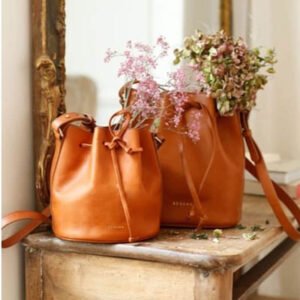
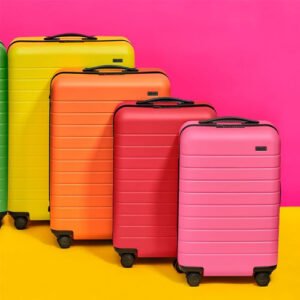
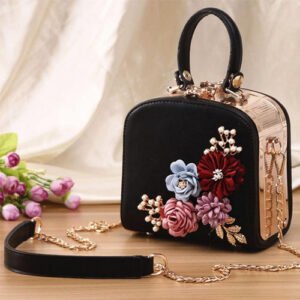
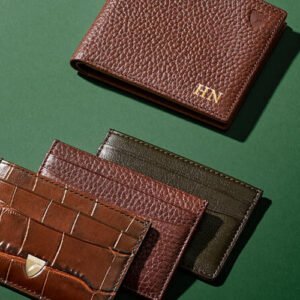
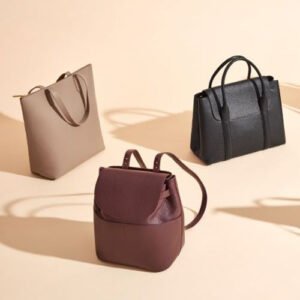


Bag and luggage design in 2026 is moving beyond appearance alone. Indian shoppers are increasingly comparing capacity, organisation, material durability, wheel performance, carrying comfort, security features, weather resistance and value before choosing a product. The right purchase therefore depends less on selecting the most fashionable bag and more on matching the construction and format to the way it will be used.
This guide expands the buying considerations behind the latest bag and luggage trends for India, including travel luggage, cabin bags, backpacks, duffle bags, laptop bags, handbags and everyday carry options. Brands such as American Tourister, Samsonite, VIP, Safari, Wildcraft, Skybags, Aristocrat, Mokobara, Nasher Miles and Genie offer different approaches to materials, styling, organisation and price positioning, but the brand name should never replace a careful specification check.
The first decision should be the type of bag rather than the brand. A suitcase designed for checked airline travel solves a different problem from a commuter backpack, and a duffle bag intended for gym use should not be evaluated using the same criteria as a business travel case.
Cabin luggage is designed around portability and airline restrictions. Before purchasing, check the dimensions and weight allowance of the airlines you use most frequently rather than assuming that every case marketed as "cabin size" will be accepted under every airline's rules.
Useful features include four-wheel mobility, a stable telescopic handle, a practical opening system, compression straps and an internal divider. A lightweight construction can be particularly valuable because the suitcase itself consumes part of the permitted weight.
Medium and large suitcases are useful for longer holidays, family travel and trips where more clothing or equipment is required. Capacity matters, but an extremely large empty suitcase is not automatically better. A larger case can encourage overpacking and become difficult to lift, manoeuvre or keep within an airline's weight limit.
For frequent travellers, inspect the wheel housings, handle attachment, corner construction and zipper quality closely. These components experience repeated mechanical stress and can have a greater effect on long-term usability than decorative exterior details.
A travel backpack can be a better choice than a suitcase when mobility, stairs, public transport and hands-free carrying are priorities. Look for a padded back panel, adjustable shoulder straps and a layout that keeps heavier items close to the body.
For business travel, a dedicated laptop compartment, document sleeve and quick-access pocket can reduce the need to open the entire main compartment. For leisure travel, a larger clothing compartment and compression system may be more useful.
Duffle bags are flexible and easy to store when empty. They work particularly well for gym use, short trips and situations where rigid structure is unnecessary. However, a heavily loaded duffle can become uncomfortable because its weight is concentrated through handles or shoulder straps.
If buying a duffle for travel, consider models with a detachable shoulder strap, reinforced handles, a broad opening and separate compartments for footwear or damp items.
A laptop bag should be evaluated first by device protection and carrying comfort. The computer compartment should fit the intended laptop securely rather than leaving excessive movement around the device.
Additional organisation can include a charger compartment, pen slots, document storage, power-bank space and a separate area for personal belongings. For regular commuting, a comfortable shoulder strap or luggage pass-through can be more valuable than numerous small pockets.
Everyday backpacks should balance capacity with weight. A bag that looks compact but contains excessive padding, hardware and unnecessary compartments can become surprisingly heavy before anything is packed.
For office and college use, prioritise the laptop compartment, bottle pocket, back padding, zipper access and shoulder-strap adjustment. For outdoor use, ventilation, weather resistance and load distribution deserve greater attention.
Hard-shell and soft-sided suitcases each have legitimate advantages. The best option depends on what you transport, how you travel and how much flexibility you need.
Polycarbonate is widely used for hard-shell luggage because it can combine relatively low weight with impact resistance and flexibility. However, the word "polycarbonate" alone does not tell you everything about a suitcase. Thickness, moulding quality, frame construction, reinforcement and overall design also influence performance.
ABS is another common luggage-shell material. It can be used to produce lightweight and affordable cases, making it attractive for occasional travellers. When comparing an ABS case with a polycarbonate case, consider the complete construction rather than selecting solely by material name.
Polypropylene is used in hard luggage where flexibility and impact behaviour are important. Its performance varies according to the formulation and construction of the particular product.
Polyester is common in backpacks, duffle bags and soft luggage. Higher-denier fabric can indicate a more substantial weave, but denier should not be treated as a complete measure of durability. Stitching, coatings, lining, reinforcement and zipper construction matter too.
Nylon is another popular textile for bags and luggage because it can provide a strong, flexible construction. Different nylon types and weaves behave differently, so the material name should be considered alongside the product's actual specifications.
Wheels are among the most important components of a suitcase because they carry the load and absorb repeated movement across different surfaces.
Two-wheel luggage is pulled behind the traveller and can perform well on uneven surfaces. Its wheel design can also provide a relatively straightforward structure. The trade-off is that the case must be tilted while moving.
Four-wheel spinner luggage can be pushed or pulled and is convenient in airports, hotels and other smooth environments. The ability to move the case in different directions can reduce the effort needed for frequent manoeuvring.
A suitcase can have an excellent shell and still be inconvenient if the handle system is uncomfortable or unstable. A telescopic handle should extend smoothly and lock securely at its intended positions.
Check whether the handle leaves enough room for your hand when the suitcase is fully packed. Also consider the relationship between handle height and your own body height. A handle that is too short can force an uncomfortable posture during longer walks.
Top and side carry handles should have enough reinforcement for the intended load. If the luggage is likely to be lifted into vehicle boots, train luggage racks or overhead storage, handle placement becomes particularly important.
Zippers are often overlooked because they appear simple, but they are among the components opened and closed most frequently. A zipper should travel smoothly without excessive snagging or resistance.
Some luggage uses integrated combination locks or other security mechanisms. These features can be convenient, but a lock does not make luggage completely theft-proof. Security should be considered as one part of responsible travel rather than a guarantee of protection.
For backpacks and laptop bags, lockable zipper pulls can provide additional deterrence in crowded environments. Hidden or rear-access compartments may also be useful depending on how the bag is carried.
An expandable suitcase can provide additional packing space when the expansion section is opened. This is particularly useful when a traveller expects to return with additional clothing or purchases.
However, expansion should not be confused with unlimited capacity. The expanded case may become bulkier, less stable or more difficult to keep within airline baggage limits. Buyers should check the dimensions and weight implications before relying on expansion for frequent air travel.
Two suitcases with similar external dimensions can feel completely different during packing because their internal layouts are different.
The most useful organisation depends on the traveller. Someone carrying folded business clothing may prefer compression panels and structured compartments, while a family traveller may prioritise a large uninterrupted packing area.
A backpack's capacity is only part of its usability. A poorly fitted 25-litre backpack can feel less comfortable than a better-designed bag with similar capacity.
Shoulder straps should be adjustable and sufficiently padded for the expected load. A padded back panel can improve comfort, while ventilation channels may be useful in India's warmer conditions. For heavier loads, a sternum strap can help stabilise the shoulder straps.
Heavy objects should ideally sit close to the user's back rather than far away from the body. Overloading the outermost pockets can pull the bag backwards and increase the perceived load.
These terms should not be treated as interchangeable. A water-resistant fabric or coated exterior can help protect belongings from light rain or splashes, while fully waterproof performance requires a much more comprehensive construction.
Even when a bag uses water-resistant fabric, zippers and seams may remain potential entry points for moisture. If the contents include electronics, important documents or other moisture-sensitive items, consider additional protective pouches rather than relying solely on a bag's marketing description.
Indian travel can involve hot weather, monsoon rain, dust, crowded public transport, tiled airports, uneven pavements and frequent transitions between cars, buses, trains and walking. These conditions make practical construction especially important.
Backpack ventilation can become important during warm-weather commuting. A breathable or ventilated back panel can reduce the uncomfortable feeling associated with prolonged contact between the bag and the user's back.
Dark or heavily textured materials can hide some everyday marks, while smooth materials may be easier to wipe clean. Regardless of appearance, removable dirt should be cleaned according to the manufacturer's care instructions.
Airline restrictions are a critical part of luggage selection. Size and weight rules vary by airline, fare type, route and ticket conditions, and they can change. Always verify the current baggage allowance directly with the airline before travelling.
Do not purchase a suitcase solely because a listing describes it as "cabin approved." Compare the actual external dimensions, including wheels and handles where applicable, against the airline's stated limits.
For checked luggage, weight can be just as important as volume. A large suitcase that is already heavy when empty leaves less room for clothing and personal belongings before the baggage allowance is reached.
Business travellers often need faster access to technology and documents than leisure travellers. A dedicated laptop compartment, document sleeve, charger organisation and luggage pass-through can therefore be more useful than maximum capacity.
A structured backpack can also reduce the time needed to locate small accessories. Look for a layout that separates technology from clothing and personal items.
For short business trips, a travel backpack or compact cabin bag may be sufficient. For longer trips, combining a cabin suitcase with a compact personal bag can provide better organisation without requiring one oversized bag.
Students often need to carry books, notebooks, stationery, electronics, water bottles and personal items at the same time. A durable backpack with sensible organisation is usually more practical than a fashion-first bag with limited support.
For a two- or three-day trip, a medium travel backpack, duffle or compact cabin suitcase may provide enough capacity without the bulk of large checked luggage.
Instead of selecting the largest available option, consider how much clothing you actually carry. Compression systems can make a moderate-capacity bag substantially easier to organise.
Capacity is often described in litres for backpacks and approximate dimensions for suitcases. Neither number should be interpreted without considering the shape and internal design.
Small bags are suitable for essentials such as a phone, wallet, keys, small accessories and limited personal items. Their primary advantage is portability rather than capacity.
Daypacks can provide enough room for work, college, commuting or short outings. A well-organised daypack can be more practical than a larger bag that encourages unnecessary items.
Travel backpacks offer additional capacity for clothing and travel accessories while maintaining hands-free mobility. Internal layout becomes increasingly important as capacity grows.
Cabin cases prioritise compact dimensions suitable for permitted onboard baggage. Airline restrictions should always be checked before departure.
Large suitcases are useful for longer journeys or family packing, but buyers should pay close attention to empty weight and final packed weight.
When comparing two products, use the same criteria for both rather than focusing on the first impressive specification.
Customer reviews can reveal practical issues that specifications do not show, but they should be interpreted carefully. A small number of reviews may not represent the long-term reliability of a product, and individual experiences can differ.
Look for repeated comments about the same component. If multiple customers independently mention wheel problems, zipper failures, uncomfortable straps or misleading dimensions, that pattern deserves attention.
Prioritise reviews that explain how the product was used. A suitcase used once per year should not be compared directly with one used every month without considering the difference in workload.
Also distinguish between product-quality complaints and delivery or packaging complaints. These are separate issues when evaluating the construction of the bag itself.
A stylish suitcase can still have weak wheels, poor internal organisation or uncomfortable handles. Appearance should be one consideration, not the complete buying decision.
For air travel, empty weight directly affects how much useful luggage can be packed before reaching the permitted limit.
Maximum capacity is not always maximum usefulness. An oversized suitcase can encourage unnecessary packing and become difficult to lift.
Cabin baggage rules differ. Always compare actual dimensions and current airline requirements.
Wheels are exposed to repeated friction and impact. A suitcase should not be selected solely because its shell looks robust.
Handle ergonomics can become noticeable after walking through a large airport or station. Test the extended handle when possible.
A coated fabric does not necessarily mean that a bag is designed for prolonged exposure to heavy rain.
Additional pockets sound useful, but excessive organisation can reduce the usable main compartment. Choose compartments that match the items you actually carry.
A low purchase price does not automatically represent good value. Compare construction, features, usability and expected frequency of use before deciding.
If you can inspect a bag in person, examine the areas that experience the most stress rather than simply looking at the largest surface.
Online shopping makes it easier to compare numerous bags, but product pages can present information differently. Before placing an order, review the complete specification rather than relying on the product title.
Well-known names such as Samsonite, American Tourister, VIP, Safari, Skybags, Wildcraft, Aristocrat, Mokobara, Nasher Miles and Genie cover different product categories and price positions. However, the strongest choice can change depending on the exact model.
For example, a traveller comparing two cabin suitcases should evaluate the specific shell material, dimensions, weight, wheel construction and internal layout rather than assuming that one brand is universally superior.
Brand reputation can be useful when assessing established product lines, but it should be combined with model-level specifications and current customer feedback.
Good value does not necessarily mean buying the cheapest bag. Nor does an expensive product automatically provide better practical performance.
For luggage, it can make sense to spend more on components that receive repeated mechanical stress, such as wheels, handles, zippers and structural reinforcement. For backpacks, comfort, strap construction, padding and fabric durability may be more important.
Decorative hardware, oversized logos and cosmetic detailing should generally have lower priority than the features that directly affect everyday use.
Entry-level products can be appropriate for occasional use, students, basic commuting or travellers who do not need specialised features. At this level, focus on essential construction and avoid paying for features you will not use.
Mid-range products often provide a broader balance between material quality, organisation, comfort and design. This category can be particularly suitable for regular travellers who want practical improvements without prioritising premium styling.
Premium products can justify a higher price when their construction, ergonomics, materials, support provisions or specialised features align with frequent use. Buyers should still compare specifications rather than assuming a higher price guarantees greater durability.
Family travel introduces different packing requirements from solo travel. Instead of automatically purchasing the largest suitcase, consider whether multiple medium cases would distribute weight and make handling easier.
Internal dividers can help separate children's clothing, adult clothing and accessories. Separate smaller bags can also make frequently used items easier to retrieve without disturbing the main luggage.
For families travelling by air, monitor the permitted baggage weight for each traveller and distribute belongings accordingly rather than filling one case to an impractical weight.
Train travel can involve narrower passageways, steps, platforms and periods of carrying rather than rolling. Compact dimensions, sturdy carry handles and manageable weight may therefore matter more than maximum capacity.
A spinner suitcase is convenient on smooth station surfaces, but a two-wheel case or travel backpack may be preferable when frequently navigating uneven ground.
Road trips can benefit from soft luggage because flexible bags can sometimes be packed more efficiently into vehicle storage spaces. Duffle bags are particularly useful when luggage will be removed and packed repeatedly.
If valuables or electronics are carried, internal organisation becomes useful for keeping sensitive items separate from footwear and other heavy belongings.
A travel backpack offers hands-free mobility and can be particularly convenient for public transport, stairs and short trips. A cabin suitcase is generally easier to organise for folded clothing and can reduce the load carried directly on the body.
Choose a backpack when mobility and flexibility are priorities. Choose a cabin suitcase when rolling convenience, structured packing and reduced shoulder load are more important.
A duffle bag usually provides a wide, flexible compartment and can be excellent for short trips, sports and gym use. A travel backpack distributes weight across the shoulders and back and can provide more structured organisation.
For carrying electronics and documents, a backpack often offers more dedicated protection. For bulky clothing and quick packing, a duffle may be more convenient.
This is less a question of which product is better and more a question of how you travel. A hard-shell suitcase is useful for structured packing and rolling through airports. A backpack is more versatile when the journey involves stairs, walking and multiple forms of transportation.
Premium appearance can come from clean proportions, restrained branding, consistent stitching, high-quality hardware and carefully finished surfaces. These visual details can be attractive, but they should not be mistaken for evidence of durability.
A genuinely useful premium purchase should also deliver practical improvements in materials, construction, comfort, organisation or long-term usability.
Minimalist styling is increasingly compatible with practical travel because simple exterior designs can conceal highly organised interiors. Neutral colours, streamlined silhouettes and limited external branding can work for office, travel and casual use.
Minimalism should not mean sacrificing useful functionality. A clean-looking backpack can still include a padded laptop compartment, bottle holder, luggage sleeve and organised accessory storage.
Modern bags increasingly accommodate technology, but useful technology integration should solve a real problem. Dedicated laptop protection, cable organisation and convenient charging-access designs can be valuable for commuters and travellers.
Buyers should be cautious about paying a premium for technology-oriented features that add complexity without improving their actual routine. A well-designed conventional compartment can sometimes be more useful than a collection of unnecessary extras.
Security features should complement sensible travel habits. Keep valuables appropriately secured, avoid displaying expensive equipment unnecessarily and remain aware of belongings in crowded areas.
Remove loose dust before cleaning. Follow the care instructions supplied with the specific material because aggressive detergents, excessive water or harsh scrubbing can damage coatings and finishes.
A soft cloth and suitable mild cleaning method are generally preferable to abrasive products that could scratch the surface. Pay attention to wheel housings and seams where dirt can accumulate.
Remove hair, thread and debris from wheel areas when necessary. Do not force a wheel that is obstructed, because continued use can increase stress on the assembly.
Keep zipper tracks reasonably clean and avoid forcing an overloaded compartment closed. A zipper under constant excessive tension is more likely to experience problems.
Store bags in a clean, dry location. Empty pockets before long-term storage and avoid leaving damp clothing or wet items inside. Where possible, prevent heavy objects from being stored on top of soft bags for extended periods.
Start by separating clothing, footwear, toiletries, electronics and documents. Place heavier items where they will not destabilise the suitcase and use internal compartments to prevent smaller belongings from moving around.
Compression systems can reduce wasted space, but avoid compressing delicate garments excessively. Shoes should be kept separate from clean clothing where practical, and moisture-sensitive items should be protected independently.
Keep items required during transit accessible. Passports, travel documents, medication and essential electronics should not be buried underneath everything else.
Place heavier items close to the back panel rather than at the far edge of the bag. Use internal compartments for items that need quick access and avoid placing hard objects directly against the body.
Keep frequently accessed items in external or upper compartments where appropriate. Do not overload outer pockets because excessive weight away from the back can affect comfort and balance.
For a short trip, plan outfits rather than packing every possible clothing option. Select versatile garments that can be combined in multiple ways. Use small organisers for accessories and keep toiletries compact.
A moderate-capacity bag is often easier to carry than a large suitcase filled with unnecessary items.
International travellers should pay particular attention to baggage restrictions, empty weight, durability and security. Requirements can vary by airline and route, so current airline information should be checked before departure.
For frequent international travel, consider whether the luggage provides sufficient organisation for passports, electronics, clothing and other essentials without becoming excessively heavy when empty.
Domestic travel may involve a mixture of flights, trains, road transport and local transfers. A versatile suitcase with dependable wheels and a comfortable carry handle can therefore be useful for airport journeys, while a backpack or duffle may be better for trips involving more walking.
When travelling during the monsoon, consider weather protection for bags and additional waterproof protection for sensitive belongings.
| Trend | Best For | Main Advantage | Potential Trade-Off |
|---|---|---|---|
| Lightweight hard shell | Air travellers | Structure with reduced empty weight | Surface marks may be visible |
| Expandable suitcase | Travellers returning with extra belongings | Flexible packing capacity | Can encourage overpacking |
| Cabin suitcase | Short trips | Compact rolling convenience | Limited capacity |
| Travel backpack | Public transport and active travel | Hands-free mobility | Load is carried on the body |
| Duffle bag | Weekend trips and sports | Flexible and easy to pack | Can become uncomfortable when heavily loaded |
| Business backpack | Office and work travel | Technology and document organisation | May have less clothing capacity |
| Hybrid luggage | Mixed-use travel | Combines structure and flexibility | Construction can add complexity |
When reviewing the individual products featured on a shopping page, use a consistent comparison framework. This makes it easier to identify genuine differences instead of simply ranking products by appearance or popularity.
There is no single bag that is best for every Indian shopper. The strongest choice is the one whose dimensions, construction and organisation match the intended use.
If your priority is frequent air travel, start with weight, dimensions, wheel quality and handle construction. If your priority is commuting, focus on comfort, laptop protection, organisation and weather resistance. If your priority is occasional weekend travel, capacity, flexibility and portability may matter more than specialised features.
For fashion-led purchases, consider appearance only after confirming the practical requirements. A bag should fit the way you travel rather than forcing your travel routine around the bag.
Important trends include lightweight luggage, expandable designs, compact cabin cases, travel backpacks, multifunctional work-and-travel bags, minimalist styling, improved organisation and greater attention to comfort and durable construction.
There is no universally best material. Polycarbonate, ABS and polypropylene are used in hard-shell luggage, while polyester and nylon are common in soft bags and backpacks. The complete construction, weight, reinforcement and intended use should determine the choice.
Neither is universally better. Hard-shell luggage provides structured protection, while soft luggage can offer flexibility and useful external pockets. Choose according to how and where you travel.
A four-wheel spinner can be highly convenient on smooth surfaces because it can move in multiple directions. Two-wheel luggage can be useful on uneven surfaces. The better option depends on your normal travel environment.
Check the actual external dimensions and empty weight, then compare them with the current cabin baggage rules of the airline you plan to use. Also consider wheels, handle quality, internal capacity and organisation.
A compact travel backpack, duffle bag or cabin suitcase can all work well. Choose based on whether you prefer hands-free carrying, flexible packing or rolling convenience.
No. Price and brand reputation can provide useful context, but the exact model's materials, construction, weight, wheels, handles, organisation and warranty terms should be compared before purchase.
It can be worthwhile if you regularly need additional packing capacity. However, expansion can increase the overall size and make it easier to exceed airline weight or size limits.
Prioritise fit, shoulder-strap comfort, back padding, load distribution, laptop protection when needed, practical organisation, zipper quality and appropriate weather resistance.
Focus on components that experience repeated use: wheels, handles, zippers, stitching and structural reinforcement. Empty weight and practical organisation are also important for frequent air travel.
It is particularly important for air travel because the suitcase's empty weight counts toward the total baggage weight. A lighter case can leave more of the allowance available for useful belongings.
Both matter, but useful organisation can make a moderate-capacity bag easier to pack and use. More litres do not necessarily mean better usability if the internal layout is inefficient.
They can provide useful protection against light rain and splashes, but water resistance is not the same as waterproofing. Sensitive electronics and documents should receive additional protection during heavy rain.
Established names such as American Tourister, Samsonite, VIP, Safari, Skybags, Wildcraft, Aristocrat, Mokobara, Nasher Miles and Genie can be included in a comparison, but the exact model should be assessed on its specifications, customer feedback and intended use.
The latest bag and luggage trends are ultimately about making travel more convenient rather than simply making products look newer. Lightweight construction, better organisation, comfortable carrying systems, dependable wheels, practical security features and versatile designs can all improve the ownership experience when they match the user's needs.
Before buying, compare the exact specifications of the shortlisted products, verify current airline requirements where relevant, read recent verified customer reviews and check today's retailer pricing. Pay particular attention to empty weight, dimensions, material, wheel construction, handle design, compartments and warranty terms.
For an India-focused purchase, also consider the realities of local weather, commuting, public transport and mixed travel conditions. The best bag is not necessarily the most expensive, the largest or the most fashionable. It is the one that offers the right balance of durability, comfort, capacity, organisation and value for the way you actually use it.