

♥ Wishlist
Compare 40 verified Baby Boy Clothes for Comfortable & Stylish Little Looks products in India. Reviews, ratings, pros, cons and buying advice updated for October 2026.


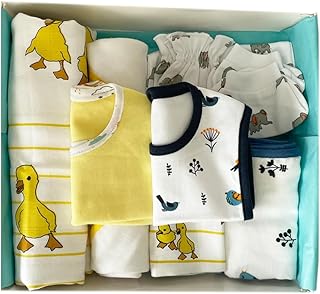


Baby boy fashion in India is becoming more practical, comfortable and versatile. Parents are increasingly looking for clothing and accessories that look polished for photographs and occasions while remaining soft, breathable and easy to maintain for everyday use. For 2026, the strongest trends are not simply about appearance; fit, fabric, convenience, climate suitability and age-appropriate design are equally important.
This buying guide is designed to help parents compare the latest baby boy clothing trends and related essentials available in India. Rather than choosing an outfit solely because it looks attractive in a product photograph, consider the baby's age, season, activity, skin comfort, garment construction, washing requirements and expected frequency of use.
Matching tops and bottoms remain one of the most practical baby boy fashion choices because they create a coordinated appearance without requiring parents to assemble multiple separate pieces. Cotton co-ord sets can work particularly well for everyday wear, outings, playdates and casual family gatherings.
When comparing sets, look beyond the printed design. Check whether the waistband is gentle, whether seams are positioned comfortably, whether the fabric feels suitable for the local climate and whether both pieces can be washed together. For babies who move frequently, flexible construction is generally more useful than rigid tailoring.
Rompers continue to be a useful wardrobe staple because they combine a top and bottom into one garment. They can reduce the number of separate clothing pieces parents need to manage and are especially convenient during frequent changes.
For newborns and younger babies, access to the diaper area is an important design consideration. Look for appropriately positioned snaps or other practical closures. Avoid choosing a romper only for its decorative details if those details could make changing more complicated.
For warmer Indian weather, lightweight cotton or similarly breathable fabrics can be preferable to unnecessarily heavy materials. For cooler conditions, layered rompers can be paired with comfortable outerwear rather than relying on one very thick garment.
Traditional clothing remains popular for festivals, family celebrations, weddings, religious occasions and milestone photographs. Baby kurta-pajama sets, dhoti-style outfits, kurta-and-waistcoat combinations and festive coordinated sets can create a traditional appearance while still allowing parents to prioritize comfort.
The most important consideration is how formal the outfit actually needs to be. A heavily embellished garment may look appropriate for a short ceremony but can be less practical for extended wear. For babies, lightweight embroidery, soft linings and minimal rough decorative elements are generally more sensible than elaborate construction.
Festive baby boy fashion often combines traditional silhouettes with contemporary colours, patterns and layering. A simple kurta with comfortable bottoms can be more versatile than an elaborate ceremonial costume because it can potentially be reused for several family occasions.
Waistcoats, Nehru-style jackets and lightweight jackets can also provide a dressed-up appearance without requiring an overly complicated outfit. When comparing these pieces, check the inner construction as carefully as the outer appearance. A visually attractive jacket can still be unsuitable if the lining is scratchy, the armholes restrict movement or the garment becomes too warm indoors.
Neutral shades such as cream, beige, white, grey, olive and muted blue are increasingly useful for parents who want clothing that can be mixed and matched. Minimal designs can also make it easier to build a small capsule wardrobe rather than purchasing many single-use outfits.
Neutral clothing does not have to be plain. Small prints, subtle textures, simple stripes and understated patterns can provide visual interest while remaining versatile. For everyday use, this approach can make outfit planning considerably easier.
For older babies and toddlers, printed T-shirts paired with joggers, shorts, cotton trousers or relaxed pants remain among the easiest combinations for everyday dressing. Animal graphics, vehicles, nature-inspired motifs, typography-inspired designs and simple geometric patterns are common styling directions.
Parents should pay attention to the placement and construction of prints. A design that feels smooth and comfortable is generally more practical than a decorative treatment that creates a stiff or rough surface against the skin.
Dungarees can create a distinctive casual look and work particularly well when layered over a lightweight T-shirt or bodysuit. They can be useful for photographs and outings, but convenience should remain part of the buying decision.
Before purchasing, check the shoulder fastening, waist construction and leg openings. Babies grow quickly, so adjustable straps or flexible construction can extend practical usability. However, excessively oversized dungarees may interfere with movement and create unnecessary bulk.
Baby fashion is increasingly overlapping with comfortable loungewear. Soft two-piece sets and relaxed homewear can be useful for babies who spend much of the day at home. These clothes should be selected primarily for comfort, ease of movement and straightforward washing rather than decorative styling.
For sleepwear, parents should follow age-appropriate safe-sleep guidance and avoid treating decorative fashion features as substitutes for appropriate sleep clothing. Loose accessories, detachable decorations and unnecessarily bulky elements are poor choices for sleep.
India's climate varies substantially by region, so the ideal baby boy wardrobe in August can be very different from one needed during winter in northern India. Even within the same city, indoor air conditioning can create different clothing requirements from outdoor conditions.
Instead of purchasing one heavy garment for an entire season, consider layering. A breathable base layer can be combined with a lightweight cardigan, sweatshirt or jacket when needed. This approach gives parents greater control over comfort as temperatures change throughout the day.
Special outfits remain popular for birthdays, first-birthday celebrations, family portraits, festivals and weddings. For these occasions, coordinated shirts, trousers, suspenders, waistcoats, jackets and ethnic sets can create a polished appearance.
Photography should not be the only consideration, however. Babies can become uncomfortable quickly in stiff formal clothing. A useful strategy is to choose a formal outfit for photographs and keep a softer backup outfit available for the remainder of the event.
Age labels are useful but should not be treated as exact measurements. Two babies of the same age can have substantially different body proportions. Before ordering clothing online, compare the seller's size chart with the baby's current measurements whenever those measurements are available.
Newborns require different practical features from active toddlers. A newborn wardrobe benefits from easy-access closures and soft construction, while an older baby may benefit more from flexible waistbands, durable stitching and designs that accommodate crawling and movement.
Fabric selection is one of the most important parts of baby clothing shopping. Cotton is widely used because it can offer a comfortable and breathable option, but fabric quality varies between garments. Parents should examine the stated material composition, weave, thickness and care instructions instead of assuming that every garment labelled with a familiar fabric term will feel the same.
For hot and humid conditions, lightweight breathable materials are often more practical. During colder weather, layering can provide flexibility. A garment that is technically warm but difficult to move in may be less useful than several lighter layers.
Baby clothing spends significant time in direct contact with delicate skin. Examine product photographs and specifications for seam construction, exposed threads, rough labels, decorative edges and fastening systems. If reviews consistently mention loose threads, uncomfortable seams or poor finishing, those comments deserve attention.
For newborns and babies who still require frequent diaper changes, clothing design can make a significant practical difference. Bodysuits and rompers with appropriate openings can be easier to manage than complicated multi-layer outfits.
For occasion wear, consider whether the outfit can be opened sufficiently for changing without completely undressing the baby. This is a small detail that can make a substantial difference during weddings, birthdays and long family gatherings.
Online baby clothing shopping requires more attention to measurements because standard size labels are not completely uniform across brands and sellers. A label such as 0–3 months, 3–6 months or 6–12 months should be treated as a general sizing reference rather than a guarantee of fit.
Cotton remains one of the most familiar choices for baby clothing. Its popularity comes from its versatility and suitability for many everyday garments. However, not every cotton garment has identical softness, weight or construction, so parents should still inspect the product details.
Blended fabrics can combine characteristics from different fibres. Depending on the construction, a blend may offer useful properties such as durability, stretch or easier care. The right choice depends on the garment's purpose and the baby's environment.
Knitted fabrics can provide useful flexibility for baby clothing. They are commonly found in T-shirts, bodysuits, rompers and casual sets. Check the fabric weight and stretch rather than assuming every knitted garment is suitable for warm weather.
Denim and other structured fabrics can create attractive dungarees, jackets and trousers but may be less flexible than soft everyday fabrics. For younger babies, examine the garment's inner finish and weight before purchasing.
Choose lightweight, breathable clothing that allows comfortable movement. Short-sleeve rompers, cotton T-shirts, lightweight shorts and airy coordinated sets can be useful choices. Avoid selecting clothing based purely on fashion if it creates unnecessary layers in hot conditions.
During humid and rainy periods, quick-drying and easy-care clothing can be particularly practical. Having several interchangeable everyday outfits can reduce pressure when laundry takes longer to dry.
Light layers can work well when temperatures fluctuate. A comfortable T-shirt or bodysuit underneath a thin outer layer allows parents to adjust clothing according to indoor and outdoor conditions.
Winter clothing requirements differ significantly across India. In colder northern regions, parents may need warmer layers, while milder regions may require considerably less insulation. Rather than choosing the thickest available clothing, build layers according to the actual environment in which the baby spends time.
Indian celebrations provide many opportunities for traditional baby boy outfits. Diwali, weddings, family functions, birthdays and other festive occasions can call for more formal clothing, but babies still need comfortable construction.
Kurta-pajama combinations are versatile traditional choices. Simple designs can be worn for multiple occasions, while embroidered or embellished versions can create a more formal appearance.
Dhoti-inspired baby outfits provide a traditional aesthetic while often being offered in convenient pre-coordinated sets. Examine the fastening system and make sure the lower garment allows comfortable movement.
A lightweight waistcoat or Nehru-style jacket can instantly make a simple kurta look more formal. For warm indoor events, however, parents should consider whether the additional layer is comfortable enough for extended wear.
Customer reviews can provide useful information, but they should be interpreted carefully. A high rating alone does not establish that a particular outfit is ideal for every baby. Read reviews for specific information that can help answer practical questions.
Repeated, specific comments are generally more useful for purchase research than isolated statements such as “good product” or “nice quality.” Reviews should also be considered alongside the manufacturer's listed specifications and current product information.
Parents researching baby boy fashion can compare established names such as Mothercare, Carter's, H&M, FirstCry, Babyhug, Allen Solly Junior, United Colors of Benetton and Miniklub, depending on the type of garment and current availability. Brand reputation should not replace product-level evaluation, because materials, designs and sizing can vary between collections.
For marketplace purchases, compare the exact product listing rather than assuming that every item carrying a familiar brand name has identical quality. Check the listed seller, size information, material composition, care instructions and customer feedback before making a decision.
Babies can move through sizes quickly. Purchasing an excessive number of outfits in the same size can result in unused clothing. A balanced wardrobe with everyday basics, a few occasion outfits and seasonal layers is often more practical.
Decorative details can make an outfit look appealing online, but babies do not benefit from uncomfortable styling. Check fabric, seams, closures and flexibility before considering decorative features.
Baby clothes frequently require regular washing. A garment that needs unusually complicated care may become impractical as an everyday option. Review washing instructions before purchasing expensive or elaborate outfits.
Size labels vary. Always check the available measurement chart and compare it with the baby's current size. This is especially important when purchasing from unfamiliar brands or sellers.
Buying larger clothing in advance can make financial sense, but babies do not grow at exactly predictable rates. Seasonal timing matters as much as the nominal age range. A winter garment purchased far in advance may no longer fit when the weather becomes cold.
Formal embroidery and decorations can be appropriate for short photo sessions, but long ceremonies require greater attention to weight, breathability and comfort.
A capsule-style wardrobe can reduce unnecessary purchases while ensuring that parents have enough clothing for everyday needs. The exact number of garments depends on laundry frequency, baby's age, climate and individual routines.
For most families, everyday clothing should receive the larger portion of the budget because it is washed and worn more frequently. Occasion wear can be selected more selectively.
When two outfits appear similar, use a consistent comparison process instead of choosing based on photographs alone.
The lowest purchase price is not necessarily the best value. A useful baby outfit should provide an appropriate combination of comfort, durability, versatility and practical use.
For example, a slightly more versatile outfit that can be worn frequently may provide better value than a highly specialised garment intended for one event. Similarly, an inexpensive outfit that loses its shape quickly may be less economical than a well-constructed alternative that remains useful through repeated washing.
Following the garment's care instructions and washing new clothing before the baby's first wear can be a sensible part of normal clothing preparation. Use the care label as the primary guide because different fabrics and finishes require different washing methods.
Formal outfits with embroidery, decorative elements or structured construction may require different handling from everyday cotton clothing. Avoid treating every garment as if it can withstand identical washing conditions.
Snaps, buttons and other closures should be checked periodically, particularly after repeated washing. If a fastening becomes loose or damaged, the garment should be repaired or removed from use as appropriate.
Clean and completely dry clothing before long-term storage. Organizing garments by size and season can make it easier to identify what still fits when the next season arrives.
Baby clothing should be evaluated for more than appearance. Parents should pay attention to loose components, detachable decorations, long cords, poorly secured embellishments and other features that could create safety concerns.
For very young babies, simpler clothing is often easier to manage. Decorative elements should be securely attached and should not create unnecessary hazards. Sleepwear deserves particular attention because clothing intended for sleeping should be selected according to appropriate infant sleep-safety guidance rather than fashion preferences alone.
There is no single ideal budget because family needs vary. Instead of setting a clothing budget around one expensive outfit, consider how frequently the garment will be worn and washed.
Popular directions include comfortable co-ord sets, rompers, minimalist everyday clothing, ethnic wear, lightweight layered outfits, dungarees, relaxed loungewear and coordinated occasion outfits. The most useful trend depends on the baby's age, climate and intended use.
There is no single fabric that is best for every situation. Soft, breathable materials are often practical for warm conditions, while layering can be more useful in cooler weather. Always consider the fabric composition, construction, climate and care instructions.
Use the retailer's current measurement chart whenever possible. Compare chest, length and waist measurements rather than relying solely on age-based labels. If the baby is between sizes, consider the garment's design and the amount of growth room that is practical.
Yes, ethnic outfits can be excellent choices for festivals, weddings and family celebrations when they are appropriately designed for the baby's age. Look for soft construction, comfortable closures, breathable materials and minimal rough embellishment.
A comfortable kurta-pajama, lightweight dhoti-style outfit, kurta with waistcoat or another breathable festive set can work well. For long events, prioritize comfort and movement over heavily embellished styling.
Branding can provide useful information about a company's product range and sizing approach, but it does not automatically make one particular garment the right choice. Compare the individual product's fabric, construction, fit, care requirements and customer feedback.
The appropriate wardrobe size depends on the baby's age, laundry schedule, climate and frequency of changes. A practical rotation of everyday basics, bottoms, rompers, seasonal layers and a few occasion outfits is generally more useful than buying large quantities of one size.
A modest amount of growth room can be useful, but excessively large clothing can interfere with movement and comfort. Check the garment's construction and measurements rather than automatically choosing the next several sizes up.
Review fabric composition, measurements, close-up product photographs, stitching information, care instructions and customer comments. Pay particular attention to repeated complaints about shrinking, poor stitching, inaccurate sizing or uncomfortable materials.
There is no requirement to restrict baby boys to particular colours. Blue, green, cream, beige, white, grey, yellow, brown, red and many other shades can work well. Neutral colours are especially versatile because they can be combined with multiple garments.
The best baby boy clothing choice is rarely the outfit with the most elaborate styling. A strong purchase balances appearance with comfort, fit, fabric, durability, climate suitability and ease of care. For everyday use, prioritize breathable and practical garments that can withstand regular washing. For festivals and weddings, choose traditional styling without sacrificing movement or comfort.
Before purchasing online in India, compare the exact specifications, size chart, material composition, care instructions and customer feedback. Brand names such as Mothercare, Carter's, H&M, FirstCry, Babyhug, Allen Solly Junior, United Colors of Benetton and Miniklub can be useful starting points for comparison, but the individual product should always receive the final evaluation.
Because baby clothing sizes can change quickly, thoughtful purchasing is usually more valuable than buying a large quantity at once. Build the wardrobe around the baby's current needs, expected weather and actual occasions, and choose versatile pieces that can be worn repeatedly.
Which section should I expand next: top-10 product comparison criteria, Indian baby-size charts, or Amazon-focused buying guidance?