

♥ Wishlist
Compare 44 verified Baby Shoes for Comfortable Little Feet products in India. Reviews, ratings, pros, cons and buying advice updated for October 2026.


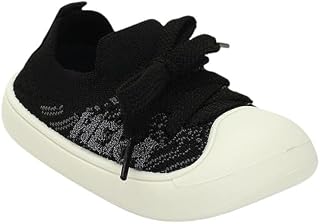


Choosing baby shoes is less about following a particular fashion label and more about matching the footwear to a child's developmental stage, foot shape, activity level, weather and intended use. A shoe that looks attractive in a product photograph may not necessarily be the right choice for crawling, early walking, outdoor play or occasional special occasions.
For families in India, the buying decision can also vary significantly by climate. Lightweight and breathable footwear can be useful in hot and humid conditions, while enclosed shoes may be more practical during cooler months or for outdoor activities. Parents should also consider whether the shoe will be used primarily indoors, on pavements, in parks, at daycare or for occasional outings.
The most useful approach is to compare construction, fit, flexibility, weight, closure system, sole design, materials and ease of cleaning before considering colours or current fashion trends.
Baby footwear trends increasingly combine practical construction with miniature versions of familiar adult and children's fashion styles. For parents, the important distinction is between a visual trend and a feature that genuinely improves everyday usability.
Babies who are not yet walking generally have different footwear requirements from toddlers who spend substantial time outdoors. At this stage, shoes are often selected for warmth, protection from rough surfaces and appearance rather than for extended walking performance.
Soft booties, fabric shoes and flexible soft-sole designs can be easier to handle than rigid footwear. The upper should feel comfortable around the foot without creating unnecessary pressure. Parents should also avoid choosing an oversized shoe simply because they expect the child to grow quickly.
Once a baby begins crawling, pulling up and moving around furniture, footwear may need to withstand considerably more movement. A flexible construction and secure fit become increasingly important.
Look for designs that do not feel excessively rigid around the toes or ankle. A secure closure can also help keep the shoe positioned correctly while the child moves. Since crawling can expose footwear to considerable friction, reinforced areas may be useful if they do not make the shoe unnecessarily stiff or heavy.
First walking footwear deserves particular attention because a newly walking child is developing balance, coordination and confidence. The shoe should allow natural movement while providing appropriate protection for the surface on which the child is walking.
Parents should examine the sole, toe area, overall weight and flexibility rather than relying on a brand name alone. A very thick or rigid sole can feel cumbersome on a small foot, while an excessively loose shoe can move around during walking.
Once children are confidently walking and spending more time outdoors, durability and ease of maintenance become increasingly important. Everyday toddler shoes may need to cope with playgrounds, pavements, school or daycare environments and frequent cleaning.
At this stage, practical fastening systems can be especially valuable. Velcro shoes are often easier for parents and older toddlers to manage, while elasticated or slip-on designs can be convenient when the construction provides a secure fit.
Fit should be one of the first considerations when comparing baby footwear. A shoe that is too short can place pressure on the toes, while a shoe that is too loose may move excessively and interfere with stable walking.
Parents should consider both length and width. Two shoes with the same nominal size can feel different because manufacturers use different lasts, upper constructions and internal shapes.
The front of the shoe should provide sufficient room for the toes without allowing the entire foot to slide forward. The goal is not simply to buy the largest available size. Excessive extra space can make the shoe unstable, particularly for a child who is still learning to walk.
Flexibility is an important characteristic in footwear for young children. A sole that bends appropriately can allow the foot to move more naturally than an unnecessarily rigid construction.
However, flexibility should not be confused with a sole that is flimsy or poorly constructed. Parents should evaluate how the entire shoe behaves, including the upper, midsole and outsole.
Baby shoes do not need to feel substantial to be protective. Heavy footwear can be inconvenient for small children, particularly during early walking. Lightweight materials can make everyday movement easier and may also be more comfortable during longer periods of wear.
The heel should remain reasonably stable inside the shoe without excessive slipping. The upper should hold the foot comfortably while avoiding tight pressure points around the ankle or instep.
Velcro, elastic, buckles and laces each have different advantages. Velcro is particularly convenient for quick dressing. Elastic can make slip-on footwear easier to use. Buckles can provide a traditional appearance but may require more time to fasten. Laces can provide adjustability but are generally less convenient for very young children.
Textile footwear can feel soft and lightweight, making it attractive for casual everyday use. These materials may also be useful in warmer conditions, depending on the construction and lining.
The drawback is that some textile shoes can absorb dirt and moisture more readily than smooth synthetic materials. Parents should check cleaning instructions before buying footwear intended for frequent outdoor use.
Mesh can provide airflow and reduce the enclosed feeling associated with heavier footwear. It is often found in sporty or sneaker-style designs. For Indian summers, breathable construction can be particularly useful, but parents should still examine the interior finish and stitching for comfort.
Synthetic uppers can offer a balance of durability, structure and easier cleaning. Some designs can be wiped clean after ordinary outdoor use. The exact performance depends on the material, lining and construction rather than the word synthetic alone.
Leather footwear can provide a structured finish and a classic appearance. It may be appropriate for certain formal or everyday designs, although parents should compare weight, flexibility, lining and maintenance requirements before choosing it for a young child.
Outsole material influences traction, durability and flexibility. A practical children's shoe should provide appropriate contact with the walking surface without becoming unnecessarily heavy or rigid.
Measuring a baby's feet can reduce the risk of ordering the wrong size, particularly when shopping online. The measurement should be taken for both feet because they may not be exactly identical.
For very young babies who cannot stand independently, parents can use a suitable measuring method recommended by the footwear manufacturer or measure the foot while keeping it naturally positioned. Manufacturer sizing information should take priority over generic age-based assumptions.
Age-based shoe recommendations can be convenient, but they are only a starting point. Children's feet develop at different rates, and shoe sizing can vary between manufacturers.
A two-year-old child and another two-year-old child may require different shoe sizes or widths. Even within the same brand, different shoe models may have slightly different internal dimensions because their shapes and construction differ.
For online purchases, comparing the child's measured foot length with the specific product's size chart is generally more useful than selecting a size solely from an age range.
Parents naturally want children's footwear to last, but buying excessively large shoes can create practical problems. Too much internal space may allow the foot to slide, cause the heel to lift and make walking less stable.
The appropriate amount of additional space depends on the shoe design, the manufacturer's sizing system and the child's developmental stage. Instead of applying one universal number to every shoe, parents should follow the manufacturer's fit guidance and check how securely the foot sits inside the footwear.
Regular fit checks are important because children can outgrow footwear without obvious external damage. A shoe that still looks almost new may nevertheless have become too short.
For hot weather, lightweight and breathable footwear can be more comfortable than heavily padded enclosed shoes. Mesh and textile uppers may help with airflow, while sandals can be considered where the child's activity and developmental stage make them appropriate.
During monsoon conditions, moisture resistance, drying time and cleaning become more important. Parents should check whether a shoe is actually designed for wet conditions rather than assuming that a synthetic upper makes the entire shoe waterproof.
After exposure to rain, footwear should be dried according to the manufacturer's care instructions. Prolonged dampness can contribute to unpleasant odours and material deterioration.
In colder conditions, enclosed footwear with suitable lining may be preferable. The shoe should still allow comfortable movement and should not become excessively bulky because of thick internal materials.
For indoor environments, parents may prefer lightweight footwear that is easy to remove. Depending on the floor and household routine, socks or soft footwear may be more practical than structured outdoor shoes.
Sneakers are versatile and can work with casual clothing. They are often available with adjustable closures and flexible soles. When choosing a sneaker, examine its weight and construction rather than assuming that a sporty appearance automatically means better performance.
Sandals can be useful during warmer weather because they expose more of the foot to airflow. However, parents should check whether the design protects the foot adequately for the intended activity. Open footwear may not be the best choice for every stage of walking or every outdoor environment.
Booties are commonly selected for very young babies because they can be soft and comfortable. They are generally more about warmth and light protection than supporting active walking.
Parents comparing baby and toddler footwear can encounter products from established brands such as Adidas, Nike, Puma, Skechers, Bata, Chicco and Mothercare. Brand familiarity can help narrow a search, but it should not replace checking the specifications of the individual shoe.
These brands should be treated as starting points for comparison rather than automatic recommendations. The best choice depends on the child's foot measurements, activity and the specific construction of the model being considered.
Product pages often contain useful information that is easy to overlook when shoppers focus mainly on photographs. Before adding a pair to a shortlist, examine the available specifications carefully.
Online shopping makes it possible to compare many designs quickly, but photographs can make different products appear more similar than they actually are. A disciplined comparison process can help separate attractive designs from genuinely suitable options.
Fashionable footwear can be appealing, especially for birthdays, photographs and family events. However, attractive colours, patterns and miniature adult styling should remain secondary to fit and comfort.
Age is not a precise substitute for foot measurement. Always check the relevant size chart when possible.
Excessive growing room can compromise stability. Children may also trip or move awkwardly when footwear is significantly oversized.
Length is only one part of fit. A shoe can have sufficient length while still feeling too narrow or too loose across the foot.
Price does not automatically indicate that a shoe is suitable for a particular child. Compare materials, construction, fit, flexibility and intended use instead.
Very stiff footwear can feel cumbersome to children who are still developing their walking pattern. Flexibility should be considered alongside protection and durability.
Baby shoes can become dirty quickly. A delicate material that requires complicated care may be less practical for everyday use than an easier-to-maintain alternative.
Children grow quickly, so footwear should be checked periodically. Do not wait until the shoe is visibly damaged before reassessing whether it still fits.
For everyday use, prioritise comfort, flexibility, easy fastening and straightforward maintenance. Neutral sneakers or simple casual shoes can be versatile across multiple outfits.
For daycare or preschool, practical closure systems and easy-care materials can be particularly valuable. A shoe that a parent can identify and fasten quickly can make daily routines easier.
Outdoor footwear should be selected with the walking surface and activity in mind. Look for appropriate traction, a secure fit and a construction that can tolerate ordinary playground use.
Formal baby shoes can add to an outfit for weddings, celebrations and photographs. Because special-event shoes may be worn less frequently, parents should avoid sacrificing comfort simply for decorative details.
For travel, versatility matters. A lightweight pair that works with several outfits and is easy to put on can be more useful than multiple specialised pairs. Parents may also want to consider how easily the footwear can be cleaned during a trip.
Baby footwear should not cause persistent rubbing, pressure, pinching or obvious discomfort. Parents should observe how the child behaves after putting on a new pair. Unusual reluctance to wear the shoe, repeated attempts to remove it or visible irritation can indicate that the footwear needs to be reassessed.
Decorative components should also be securely attached. Avoid footwear with loose elements that could become detached during normal use. Check the shoe periodically for damaged soles, separated stitching, loose fasteners or worn closures.
For children with unusual foot structure, persistent discomfort or a specific developmental concern, parents should seek advice from an appropriately qualified healthcare professional rather than relying solely on general online buying guides.
There is no need to force a child to wear unfamiliar footwear for a long period immediately. Introduce a new pair gradually and observe how the child moves in it.
Regular care can help footwear remain usable for longer. The correct cleaning method depends on the materials, so parents should consult the manufacturer's care instructions before using detergents, brushes or water.
There is no universal number that every child needs. A small collection can be more practical than buying many pairs that are quickly outgrown.
A basic wardrobe might include one comfortable everyday pair, a weather-appropriate alternative and an occasional formal or special-event pair if needed. The right combination depends on climate, lifestyle, daycare requirements and how frequently the child is outdoors.
Because children's feet can change quickly, buying fewer well-chosen pairs can reduce the chance of accumulating unused footwear in an incorrect size.
Replacement should be considered when the shoe no longer fits correctly or when wear affects its structure. Signs to check include inadequate toe room, excessive heel movement, damaged fasteners, separated soles, severe outsole wear, collapsed construction or visible deformation.
Parents should also replace footwear when the child's foot measurements have outgrown the manufacturer's recommended size range, even if the exterior still looks good.
Customer reviews can provide useful information, but they should be interpreted carefully. A review saying that a shoe runs small, for example, may be particularly useful when multiple customers report a similar issue, but one child's experience does not establish a universal sizing rule.
When reading reviews, look for repeated observations about sizing accuracy, width, closure quality, material durability, comfort, cleaning and whether the product matches its description. Reviews accompanied by specific details are generally more informative than very short comments that only discuss appearance.
Also check the date of reviews and the exact model or variant being reviewed. Product listings can change, and feedback about one version should not automatically be applied to another.
The cheapest shoe is not necessarily the most economical choice if it wears out quickly or does not fit well. At the same time, paying more does not guarantee better suitability.
Value should be considered in terms of construction, fit, intended frequency of use, durability, maintenance and how long the child is likely to remain in the relevant size. Since babies and toddlers can outgrow shoes rapidly, parents should consider expected use rather than assuming that the highest-priced option offers the best overall value.
The best type depends on the child's developmental stage. Pre-walkers may need soft and flexible footwear, while early walkers generally benefit from appropriately flexible, lightweight shoes with a secure fit. Confident walkers may need more durable everyday footwear suited to their activities.
Focus on fit, flexibility, weight, toe room, secure fastening and a sole appropriate for the surfaces where the child will walk. Avoid selecting a pair solely because it looks like a miniature adult sneaker.
Soft-soled footwear can be suitable for babies who are not yet walking, particularly when warmth and light protection are the main objectives. Once a child begins walking independently, footwear should be selected according to the child's new activity level and environment.
They can be, provided the individual sneaker fits correctly and is appropriate for the child's developmental stage. Check flexibility, weight, fastening, materials and sole construction before buying.
Baby shoes should not be excessively loose. They need enough room for comfortable movement and growth without allowing excessive foot movement inside the shoe.
Regularly check available toe room, width and overall comfort. Signs such as pressure marks, redness, curled toes, difficulty putting the shoe on or obvious compression can indicate that the footwear needs reassessment.
There is no single schedule that suits every child. Because growth can be rapid during infancy and toddlerhood, parents should periodically reassess fit rather than assuming a shoe will remain suitable for an entire season.
Not automatically. The better purchase is the shoe that provides the appropriate fit, construction, comfort, durability and features for the child's actual needs. Compare specifications and reviews instead of using price as the primary quality indicator.
Lightweight and breathable materials can be useful during hot weather. Mesh and suitable textile constructions may provide greater airflow, while the exact choice should also account for cleaning, durability and the child's activity.
Look for footwear designed for the intended wet-weather conditions, with practical maintenance requirements and appropriate traction. Do not assume that every synthetic shoe is waterproof.
Velcro can be highly convenient because it allows quick adjustment and makes dressing easier. The important consideration is whether the fastening securely holds the shoe in place without creating uncomfortable pressure.
They can wear suitable footwear for warmth, light protection and clothing purposes, but non-walking babies generally have different footwear needs from children who are actively walking outdoors.
Parents should be cautious about assuming that a prominent arch-support feature is necessary for every child. Shoe selection should focus on age, development, fit, flexibility and comfort. Specific foot concerns should be discussed with a qualified healthcare professional.
Measure the child's feet, compare the exact size chart, examine material and sole specifications, read relevant customer feedback and review the retailer's current return policy. Avoid selecting a size solely from the child's age.
The best baby shoes are not necessarily the most fashionable, most expensive or most heavily engineered. The strongest choice is the one that fits the child correctly, suits the child's developmental stage and works for the environment in which it will actually be worn.
For Indian families, climate should be part of the decision from the beginning. Breathability can matter during hot weather, practical drying and cleaning can matter during monsoon season, and appropriate coverage can matter during cooler months. Everyday convenience also matters because baby footwear is frequently put on, removed, cleaned and checked for fit.
When comparing the latest baby shoes trends in 2026, use fashion as a final selection factor rather than the foundation of the purchase. Start with foot measurements, fit, flexibility, construction and intended use. Then compare trusted brands such as Adidas, Nike, Puma, Skechers, Bata, Chicco and Mothercare alongside other suitable options available through Indian retailers.
Before purchasing, compare the latest specifications, customer feedback, size information and current retailer policies for the exact model you are considering. Product availability, pricing, colour options and stock can change, so current product-page information should always take precedence over older buying-guide information.
Finding the right baby shoes in India in 2026 is ultimately a fit-and-function decision supported by style, not the other way around. The latest designs can make children's outfits look polished and playful, but the most useful footwear combines an appropriate fit with manageable weight, suitable flexibility, secure fastening, practical materials and construction suited to the child's stage of development.
Use this guide as a comparison framework when reviewing products, and verify the exact specifications, sizing information, customer feedback, availability and current pricing of each model before making a purchase.
Which version would you like next: a 10-product comparison section, a more SEO-focused FAQ expansion, or a shorter buyer checklist?