

♥ Wishlist
Compare 49 verified Boys Sports Sandals products in India. Reviews, ratings, pros, cons and buying advice updated for October 2026.
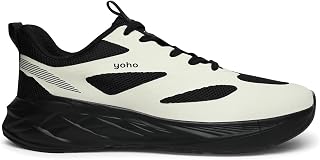


Choosing sports sandals for boys is not simply a matter of picking the most attractive colour or the lowest price. A good pair needs to balance comfort, fit, ventilation, grip, durability and ease of use for the activities a child actually performs. In India, where hot weather, monsoon conditions, school holidays, outdoor play and everyday walking can all influence footwear choices, the right construction can make a noticeable difference.
This 2026 buying guide is designed for parents and family members comparing boys' sports sandals across different styles, materials, fastening systems and intended uses. Rather than treating every sandal as interchangeable, it explains which features matter for school holidays, playground use, casual outings, travel, walking and active outdoor use. Brands commonly found in the Indian footwear market include Skechers, adidas, Puma, Nike, Campus, Bata, Sparx and Asian, although the exact models, sizes and specifications can change over time.
Use the recommendations and comparison criteria on this page as a framework for evaluating individual products. Before buying, check the current product specifications, size chart, customer feedback, seller information, return terms and latest price from the retailer or marketplace listing.
A sports sandal should provide more than an open design. The best options combine a secure upper, comfortable footbed, practical sole construction and a fastening system that keeps the foot appropriately positioned during movement. Since children's feet grow quickly, fit should receive as much attention as appearance.
For everyday active use, look for a sandal that does not feel unnecessarily heavy, has sufficient room around the toes, provides reasonable heel security and uses an outsole suited to the surfaces where it will be worn. A sandal intended for relaxed summer wear does not necessarily need the same level of structure as one used for energetic outdoor activities.
The following ten categories are useful when narrowing down a shortlist. They are presented as buying options rather than unsupported claims that one particular product is universally the best. The ideal choice depends on the child's age, foot shape, activity level, climate, preferred fastening method and budget.
Velcro sandals remain one of the most practical choices for boys because they are easy to put on, remove and adjust. This can be particularly helpful for younger children who are still developing the ability to manage conventional footwear independently.
When comparing Velcro designs, inspect the length and placement of the straps. A short adjustment range may become restrictive as the foot grows, while an excessively long strap can be inconvenient. The closure should hold firmly without requiring the child to overtighten it.
Closed-toe sports sandals combine the ventilation of a sandal with additional coverage around the front of the foot. They can be a practical option for outdoor play, travel and situations where children may encounter rougher surfaces than they would indoors.
The toe box should receive particular attention. Protection should not come at the expense of adequate toe room. Look for a design that allows the toes to sit naturally rather than forcing them against the front of the sandal.
Open-toe sandals prioritise airflow and freedom around the forefoot. They are particularly suitable for hot-weather casual wear when extensive toe protection is not a priority.
For active children, however, check how securely the foot is held. An open front does not automatically make a sandal unsuitable for activity, but loose straps, excessive side-to-side movement or poor heel retention can make a sandal less appropriate for energetic use.
Lightweight construction can be valuable for children who wear sandals for extended periods. A lighter sandal may feel less cumbersome during walking and play, but weight should not be considered in isolation.
Extremely lightweight construction can sometimes involve compromises in cushioning, reinforcement or outsole durability. Compare the overall build, not simply the weight stated in a product listing.
Cushioned sandals are aimed at everyday comfort during walking, shopping, holidays and family outings. The important consideration is not simply whether the footbed feels soft when pressed with a finger. A useful design should provide comfortable support while remaining stable during normal movement.
When comparing products, consider footbed shape, heel construction, sole flexibility and the way the sandal behaves while walking. Excessively soft materials are not automatically superior.
Quick-drying styles can be convenient during summer travel and outdoor activities where footwear may become damp. Materials that do not retain large amounts of moisture can also make cleaning and routine care easier.
Parents should still follow the manufacturer's care instructions. Drying footwear naturally in a well-ventilated area is generally preferable to exposing materials to unnecessary high heat, which may affect adhesives or synthetic components.
Trail-inspired designs typically emphasise outsole traction, secure straps and additional structure. They may appeal to families looking for footwear for parks, holiday walks and outdoor exploration.
Do not assume that a rugged-looking tread makes a sandal suitable for every terrain. Compare the actual outsole pattern, flexibility, heel retention and product specifications with the intended activity.
Travel sandals need to be versatile enough for walking, sightseeing, casual meals and changing weather. A relatively neutral colour and easy fastening can make them easier to use across different outfits and situations.
For holidays involving substantial walking, prioritise fit and comfort over decorative features. It is also useful to consider whether the sandal can be cleaned easily after dusty roads, playground visits or outdoor excursions.
Everyday sports sandals are designed around versatility rather than a single specialised activity. They can work well for casual outings, neighbourhood walks and general summer use.
This category is particularly broad, so compare construction carefully. Two sandals may look similar in photographs while differing considerably in outsole material, strap arrangement, footbed design and overall durability.
Brands such as Skechers, adidas, Puma and Nike offer children's footwear lines in various markets, while Indian shoppers may also encounter options from Campus, Bata, Sparx and Asian. Brand familiarity can be useful when comparing construction and sizing, but the brand name alone should not determine a purchase.
Always compare the specific model. Different ranges from the same manufacturer can use different materials, soles, closures and sizing systems. A product's suitability should be judged from its individual specifications and current customer feedback rather than reputation alone.
Material selection affects breathability, cleaning, flexibility, durability and comfort. Boys' sandals are often exposed to dust, sweat, occasional moisture and rough everyday handling, so practical materials can be more valuable than purely decorative finishes.
Synthetic materials are common in children's sandals because they can be relatively easy to clean and can support structured strap and upper designs. The quality varies considerably between products, so examine the finishing, flexibility and attachment points rather than assuming every synthetic upper will perform identically.
Mesh and textile sections can increase airflow and reduce the enclosed feel of footwear. They may be particularly comfortable in warm Indian weather, but the specific fabric construction determines how easily the sandal can be cleaned and how it behaves when exposed to moisture.
Rubber is commonly used where grip and abrasion resistance are priorities. A rubber outsole can be a useful feature for active footwear, but tread pattern and compound also influence performance. Look at the complete outsole rather than judging it solely from the presence of the word “rubber” in a listing.
EVA and related foam materials are widely used in midsoles and footbeds because they can provide cushioning while keeping footwear relatively light. Different densities and constructions can produce different levels of softness and resilience.
A very soft footbed may initially feel comfortable but may not provide the same stable sensation as a firmer construction. For active use, balance cushioning with secure footing.
Correct sizing is one of the most important factors in children's footwear. Children's feet grow, but buying excessively large sandals as “growing room” can create an unstable fit. On the other hand, a sandal that is already tight may quickly become uncomfortable.
Do not assume that an Indian, UK, US or European size will correspond directly across every brand. Children's footwear sizing can vary between manufacturers and models. Product-specific measurements are more useful than relying on a generic conversion alone.
A sandal can be the correct nominal size and still fit poorly if its shape does not match the child's foot. Consider whether the forefoot is broad or narrow, whether the heel is relatively slim, and whether the instep requires more adjustment.
Children with broader feet may benefit from designs with adjustable straps and a less restrictive toe area. For narrower feet, excessive internal width may cause the foot to move unnecessarily. Adjustable construction can help, but it cannot completely compensate for a fundamentally unsuitable shape.
The closure system affects convenience and security. There is no universally best option because age, independence and intended use differ.
Outsole traction is especially important for active children's footwear. Examine the tread pattern in product photographs and specifications rather than assuming that a visibly rugged sole will perform equally well on every surface.
Deep grooves can help with certain outdoor surfaces, while a flatter pattern may feel more appropriate for ordinary indoor and paved environments. Wet surfaces are a separate consideration. Even sandals marketed for outdoor use should not be treated as completely slip-resistant unless the manufacturer provides appropriate evidence for that claim.
For Indian conditions, think about where the sandal will actually be worn: smooth indoor floors, pavements, playground surfaces, garden paths, dusty roads or occasional wet ground. Matching the outsole to the expected environment is more useful than simply choosing the most aggressive-looking tread.
Comfort is a combination of several design elements rather than a single specification. Look at the interaction between the footbed, straps, upper, sole and heel area.
India's varied climate means that the most suitable sandal can differ significantly by location and season. Hot conditions increase the value of ventilation and moisture management, while monsoon weather places greater emphasis on cleaning, drying and outsole grip.
In particularly hot weather, breathable designs may feel more comfortable than heavily enclosed footwear. During rainy periods, avoid assuming that every sports sandal is designed for prolonged exposure to water. Check the product's material and care guidance before intentionally using it in wet conditions.
After exposure to water or heavy perspiration, allow sandals to dry completely in a suitable ventilated area. Persistent moisture can contribute to odour and may affect certain materials over time.
For school holidays, children may move between playgrounds, parks, family visits and casual outings. A versatile sandal should therefore prioritise secure fit and durability rather than relying solely on a fashionable appearance.
Closed-toe styles can be worth considering where children frequently encounter obstacles or uneven outdoor surfaces. For calmer activities, open-toe sandals may provide greater airflow. The decision should follow the activity rather than a blanket assumption that one style is better for every child.
Travel footwear needs to cope with repeated walking while remaining convenient to pack and easy to wear. A sandal with an adjustable fastening can be particularly practical when children need to remove footwear frequently.
Before a trip, avoid making a newly purchased sandal the only footwear option without first checking the fit during normal use. A product that feels comfortable for a few minutes in a shop or immediately after opening a package may behave differently after extended walking.
When comparing well-known names such as Skechers, adidas, Puma and Nike with Indian-market brands such as Campus, Bata, Sparx and Asian, avoid making the decision solely on brand recognition. The model-level specifications are more important.
Customer reviews can provide useful information, but they should be interpreted carefully. A single positive or negative comment rarely provides enough evidence to judge a sandal.
Look for repeated patterns. If multiple buyers independently mention the same sizing issue, strap problem or durability concern, it deserves attention. Likewise, repeated comments about comfort, easy adjustment or good everyday usability may help identify strengths.
Pay particular attention to reviews that explain the child's approximate age, foot shape, intended use and size selected. These details make a review more useful than a simple rating without context.
Marketplace photographs can sometimes make products appear similar even when their specifications differ. Before purchasing, inspect the complete listing rather than relying on the main image.
Bright colours, graphics and sporty styling can be appealing to children, but visual design does not reveal whether a sandal fits properly or provides adequate stability. Appearance should be considered alongside construction.
Children grow quickly, but excessive spare space can make footwear unstable. Select an appropriate size based on current measurements and the manufacturer's guidance rather than buying several sizes ahead.
Length is only one part of fit. A sandal can have sufficient length while being too narrow or too wide for the child's foot.
Soft cushioning can feel pleasant, but stability and fit also matter. The best everyday option is usually the one that balances cushioning with secure positioning.
A sandal may have multiple adjustable straps but still place pressure in an uncomfortable location. Examine where the straps contact the foot and whether they can be adjusted independently.
The term “sports sandal” does not automatically mean waterproof or suitable for prolonged water exposure. Check the manufacturer's stated material and care guidance.
The cheapest option is not necessarily the best value, and a higher price does not automatically guarantee superior suitability. Compare materials, fit features, sole construction, fastening, reviews and intended use before comparing the final cost.
Value is best considered over the period and frequency of intended use. A frequently worn sandal may justify greater attention to construction and durability, while an occasional-use pair may not require premium features.
Consider cost per practical use rather than simply the purchase price. A comfortable sandal that is worn regularly and remains in usable condition can represent better value than an inexpensive pair that the child avoids because of poor fit.
There is no universal price point at which a boys' sports sandal becomes “good.” Budget options can provide useful features when selected carefully, while more expensive models may offer particular materials, construction details or brand-specific designs.
For budget shopping, prioritise fit, fastening security and outsole quality. In the mid-range, compare cushioning, material finishing and durability-related construction. At higher price points, ask whether the additional features are genuinely useful for the child's needs rather than paying solely for branding.
Durability cannot be guaranteed from photographs alone, but several construction details can help with comparison. Examine strap attachment points, stitching, outsole bonding, exposed edges and areas likely to receive repeated bending.
For younger children, consider how the sandal will be handled. Frequent dragging, kicking off footwear, playground activity and repeated fastening can place different stresses on a sandal than ordinary indoor use.
Regular care can help keep children's sandals cleaner and more comfortable. The correct cleaning method depends on the materials used, so the manufacturer's instructions should take priority.
Children can outgrow footwear before the exterior looks worn out. Check the fit periodically, particularly during periods of rapid growth.
Replacement may also be appropriate when the sole has become substantially worn, straps no longer secure properly, the upper has developed significant damage, or the sandal has lost its structural stability. A low purchase price does not make it worthwhile to continue using footwear that no longer fits correctly.
Sports sandals and sports shoes serve overlapping but different purposes. Sandals generally provide greater airflow and convenience in warm weather, while closed sports shoes provide more complete coverage and may be preferable for activities where toe protection, enclosed construction or a more secure upper is important.
For everyday summer outings, a well-fitting sports sandal can be practical. For organised sports, running or activities with specific footwear requirements, follow the activity's footwear guidance instead of assuming a sandal is an equivalent substitute.
Slippers generally prioritise easy casual wear, while sports sandals tend to provide more structured foot retention. If a child will be walking extensively or playing outdoors, compare heel security, straps and outsole construction rather than choosing solely on convenience.
Neither construction is automatically better for every situation. Open-toe designs can maximise airflow, making them attractive for hot-weather casual use. Closed-toe designs provide greater coverage and can be preferable for children who frequently play outdoors.
Consider the child's typical activity, the environment, ventilation needs and fit. For a mixed-use sandal, a compromise design with protective front coverage and breathable side sections can be worth considering.
Start by eliminating products that do not meet the child's essential requirements. For example, if the child needs a sandal that can be independently fastened, remove complicated closure systems. If outdoor play is frequent, place greater weight on toe coverage and outsole traction. If hot-weather comfort is the priority, give ventilation greater importance.
Once unsuitable products are removed, compare the remaining choices on construction, sizing, customer feedback and current cost. This approach prevents the final decision from being dominated by a single feature such as colour, brand name or discount.
The best option depends on the child's age, foot shape, activity, climate and budget. A well-fitting sandal with secure fastening, suitable ventilation, adequate comfort and an outsole appropriate for the intended surface is generally a stronger choice than one selected solely for appearance or brand recognition.
Many sports sandals are designed for everyday casual use, but suitability depends on the individual model. Check the construction, comfort, fit and intended-use information before choosing a pair for frequent wear.
Closed-toe sandals can provide greater front-foot coverage, which may be useful for outdoor play. Open-toe designs can offer more ventilation. The better option depends on where and how the sandal will be used.
Some growth room can be appropriate, but an excessively large sandal may move around and compromise comfort or stability. Use the manufacturer's size guidance and the child's current measurements instead of buying substantially larger footwear.
A recognised brand can provide a useful starting point for comparison, but brand name alone does not guarantee that a particular model is the right choice. Compare the specific model's materials, sizing, closure, outsole, customer feedback and current price.
Depending on current availability, shoppers may encounter brands such as Skechers, adidas, Puma, Nike, Campus, Bata, Sparx and Asian. Product ranges change, so compare the specifications of the exact model currently listed.
There is no single best material. Synthetic materials can be practical and easy to maintain, mesh can improve ventilation, rubber outsoles can provide useful traction, and foam-based components can contribute cushioning. The overall construction matters more than any single material name.
Prioritise ventilation, comfortable foot contact, adjustable straps and materials that suit warm conditions. If the child will be outdoors for long periods, also consider outsole traction and secure heel retention.
Some models may handle occasional moisture better than others, but “sports sandal” does not automatically mean waterproof. Check the manufacturer's material and care instructions and consider how easily the sandal can be dried after getting wet.
Check periodically because children's feet grow at different rates. Pay attention to reduced toe room, tight straps, marks caused by pressure and changes in the way the child walks or complains about the footwear.
Not necessarily. Cushioning can improve comfort, but the sandal also needs suitable stability and flexibility. Compare the complete sole construction rather than choosing purely based on softness.
Look for a secure and adjustable fit, comfortable walking construction, practical ventilation, manageable weight and materials that are reasonably easy to clean. Versatile styling can also reduce the need to pack multiple pairs.
The strongest boys sports sandal purchase is not necessarily the most expensive, most popular-looking or most heavily branded option. It is the model that matches the child's current foot size, activity, environment and comfort requirements while providing sensible construction for the expected use.
For Indian shoppers, pay particular attention to ventilation during hot weather, practical cleaning during dusty or wet conditions, secure fastening for active movement and correct sizing as children grow. Compare individual models from established brands alongside less expensive alternatives, and judge them by specifications and suitability rather than by brand name alone.
Before placing an order, recheck the current product page for size availability, materials, seller details, customer feedback, price and applicable return or replacement conditions. Product information and availability can change throughout 2026, so the final purchase decision should always be based on the latest listing information.