

♥ Wishlist
Compare 52 verified Hair Creams for Smooth, Manageable & Styled Hair products in India. Reviews, ratings, pros, cons and buying advice updated for October 2026.


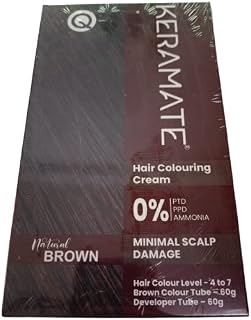


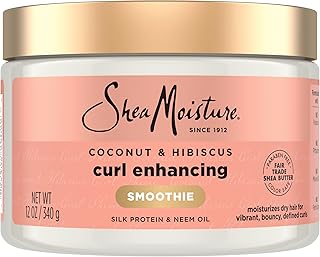


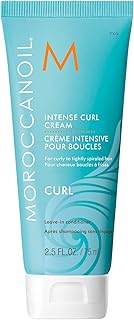


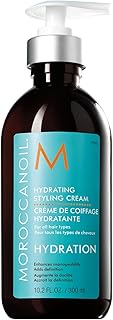


Choosing a hair cream is not simply a matter of picking the product with the most popular packaging or the longest list of claims. Hair creams serve different purposes, including moisturising dry strands, controlling frizz, defining curls, improving manageability, adding softness, providing light styling hold and creating a smoother finished appearance. The right choice depends on hair texture, scalp condition, porosity, styling routine, climate and the finish you prefer.
For shoppers in India, environmental conditions are particularly important. Humidity can make frizz more noticeable, while strong heat, frequent washing, pollution, hard water and regular use of heated styling tools can leave lengths feeling dry or rough. A cream that works well for one hair type may therefore feel too heavy, insufficiently moisturising or unsuitable for another.
These products overlap in some styling routines, but they are designed with different priorities. Understanding the distinction makes it easier to compare products before buying.
A hair cream can occupy the middle ground between conditioning and styling, which is one reason it remains useful for everyday routines. However, shoppers should compare the intended use and directions rather than assuming every product labelled “cream” performs the same function.
Dry-feeling hair generally benefits from a product that improves softness and reduces the rough sensation of the lengths. Look for conditioning ingredients and a texture that can coat the hair without leaving it excessively greasy. Creams containing ingredients such as shea butter, plant oils, conditioning agents or other emollient components may be worth considering, depending on the overall formulation.
Apply primarily to the mid-lengths and ends if your roots become oily quickly. Using a large quantity close to the scalp can make fine or naturally oily hair appear flat.
Frizz can become particularly challenging during humid Indian weather. A suitable cream can help smooth the appearance of individual strands and make hair easier to manage. The ideal amount depends on density and texture: thick, coarse hair can generally accommodate more product than fine hair.
For better results, apply cream to slightly damp hair and distribute it evenly with your fingers or a wide-tooth comb. Avoid repeatedly brushing dry hair if your goal is to preserve a smooth appearance.
Curly and wavy hair often requires a balance between moisture and definition. A suitable curl cream should provide enough conditioning to reduce dryness without making the curl pattern limp. Product weight matters because a formula that works beautifully on dense curls may overwhelm fine waves.
Look for directions that specifically mention curls, waves, definition or frizz management. Application technique also matters: scrunching the product into damp hair can help encourage the natural pattern, while excessive handling during drying can disturb curl formation.
Straight hair can benefit from a lightweight cream when the goal is softness, flyaway control or easier styling. Fine straight hair is particularly susceptible to looking greasy or weighed down, so begin with a very small quantity.
If your hair already feels smooth and healthy, a heavy moisturising cream may provide little additional benefit. In that situation, prioritise a lightweight styling or smoothing formula.
Men's hair creams are often selected for natural-looking styling, everyday grooming and manageable hold rather than a stiff finish. The best option depends on hair length and hairstyle. Short hair may require more styling control, while medium or longer hair may benefit more from conditioning and frizz management.
Brands such as L'Oréal Paris, Garnier, Dove, Tresemme, Schwarzkopf and Mamaearth offer hair-care products across different styling and conditioning categories. Product suitability should be judged from the specific formulation and intended use rather than brand name alone.
Women with long, layered, wavy, curly or chemically treated hair may use creams primarily for smoothing, conditioning and manageability. Longer lengths often need more attention at the ends because those sections experience more mechanical stress from brushing, tying and styling.
Rather than choosing solely according to gender-based marketing, compare the product with your actual hair characteristics, such as fine versus thick strands, straight versus curly texture and dry versus oily roots.
The ingredient list can tell you considerably more about a hair cream than promotional claims alone. No single ingredient automatically makes a product superior; the overall formulation, concentration, compatibility with your hair and intended use all matter.
Humectants help attract and retain moisture. Common examples include glycerin and certain other moisture-binding ingredients. Their performance can depend on the surrounding environment and the complete formulation, so “more humectants” does not automatically mean “better for every climate.”
Emollient ingredients help improve the feel and appearance of the hair by making strands feel smoother and softer. Plant oils, fatty alcohols and various conditioning ingredients can contribute to this effect.
Silicones are frequently used in hair products to improve slip, smoothness, shine and manageability. They are not inherently a sign of poor-quality hair care. Some shoppers prefer silicone-free formulas for personal reasons, while others find silicone-containing products useful for reducing friction and improving the cosmetic feel of the hair.
Protein-containing formulations can be useful in some hair-care routines, particularly when the product is designed to improve the feel and manageability of damaged or processed hair. However, individual hair responds differently, so a protein-focused formula should not automatically be treated as the best choice for everyone.
Coconut oil, argan oil, almond oil, shea butter and similar ingredients are common in conditioning products. They can contribute to softness and lubrication, but heavier oils and butters may not suit very fine hair or shoppers who prefer a lightweight finish.
Hair porosity describes how readily hair absorbs and retains moisture. Although porosity is useful as a framework for understanding hair behaviour, it should not be treated as a precise medical or laboratory diagnosis.
Low-porosity hair can sometimes feel weighed down by rich products. Lightweight creams applied sparingly are often a sensible starting point. Avoid automatically applying several layers of heavy product simply because the hair feels dry on the surface.
Medium-porosity hair is often relatively flexible when selecting conditioning and styling products. Choose based on texture, dryness, styling goals and how the hair responds after repeated use.
Hair that is heavily coloured, bleached or otherwise processed may feel rough and lose moisture quickly. A richer conditioning cream may be more comfortable for this type of hair, particularly on the lengths and ends. Avoid assuming that a rich product is always necessary, however; buildup and heaviness can still occur.
Climate should be part of the buying decision. In humid conditions, frizz-control performance and product weight become especially important. During dry weather, a more conditioning formula may feel preferable.
People living in coastal or highly humid regions may prefer lightweight anti-frizz formulas that do not leave the hair coated with a heavy residue. In drier northern regions, a more moisturising cream can be useful when hair feels rough or static-prone.
Seasonal changes can also justify having different products. A lightweight cream may work better during hot, humid months, while a richer conditioning product may be more comfortable during dry winter weather.
There is no universal measurement because hair density, length, texture and formulation vary significantly. A pea-sized amount can be a sensible starting point for short or fine hair, while longer, thicker or curlier hair may require more.
Using too much product is one of the most common causes of disappointing results. Excess cream can make hair look oily, flatten volume, reduce movement and create buildup. It is easier to add another small amount than to correct an overloaded hairstyle.
A well-known brand can provide useful familiarity, but brand reputation does not guarantee that every formulation suits every hair type. Compare the specific product, ingredients, directions and intended result.
Fine hair and dense curly hair have very different product requirements. A rich cream may be excellent for thick, dry hair but excessive for fine strands.
A product can make hair appear shinier without addressing every underlying reason the hair feels dry. Cosmetic smoothness and long-term hair condition are related but not identical concepts.
A styling cream may improve appearance and manageability but should not automatically be considered a substitute for a dedicated conditioner, mask or other hair-care treatment.
Many creams are better suited to the lengths and ends. Applying substantial amounts to the roots can reduce volume and make oily hair look greasy.
Fragrance can affect the experience of using a product. If you are sensitive to strongly fragranced cosmetics, inspect the ingredient list and product description carefully before buying.
A larger package can appear economical, but it is not necessarily good value if the product does not suit your hair. When trying a new formulation, a smaller available size can reduce the risk of wasting product.
Choose a lightweight formula with a natural finish and modest styling control. The objective is usually to make hair easier to manage without making it look heavily styled.
Prioritise smoothing and conditioning characteristics. Apply evenly to damp hair and use only enough to coat the lengths lightly.
Look for a cream formulated specifically for waves or curls. Application technique is as important as the product: distribute through damp hair and scrunch to encourage definition.
Choose a product compatible with your styling routine and check whether it explicitly provides heat protection. If heat protection is important, use a dedicated heat-protective product when the cream does not make that claim.
Short hair may require more emphasis on hold and texture than long hair. Compare hair creams with styling creams, waxes or pomades if you need a hairstyle that remains structured throughout the day.
Rather than selecting a product from a single rating or headline claim, compare several practical factors together.
Customer reviews can be useful for commercial comparison, but they should be interpreted carefully. One person's “lightweight” can be another person's “too light,” especially when hair types differ.
Look for patterns across reviews. Repeated comments about greasy roots, strong fragrance, effective curl definition, easy application or difficulty washing out the product can be more informative than a single enthusiastic or negative review.
Prioritise reviews from people whose hair characteristics and styling goals resemble yours. A review from someone with fine straight hair may not predict how the same cream will behave on dense curls.
Hair cream can improve the cosmetic feel and appearance of the hair, but it does not reverse every type of structural damage. Hair that has been repeatedly bleached, chemically treated or exposed to high heat may require a broader care routine.
If hair is severely brittle, breaking unusually easily or showing significant changes in texture, changing styling products alone may not address the underlying issue. Avoid treating marketing claims about “repair” as proof that damaged hair has been permanently restored.
Coloured or chemically treated hair often benefits from gentle handling and conditioning. When comparing products, consider whether the formulation is designed for treated hair and whether it fits with the rest of your routine.
Frequent heat styling, aggressive brushing and harsh washing can contribute to dryness and breakage regardless of which styling cream is used. A good hair cream should therefore be viewed as one part of a broader hair-care routine rather than a complete solution.
Repeated use of styling and conditioning products can leave residue, particularly when several leave-in products are layered. Signs that your routine may be producing too much buildup can include hair feeling coated, unusually flat, less responsive to styling or difficult to cleanse.
If this happens, reconsider how much product you apply and how many leave-in products you combine. Follow the cleansing instructions appropriate to your hair and avoid automatically increasing the amount of shampoo or using aggressive scrubbing.
If your main objective is conditioning, detangling and softness, a leave-in conditioner may be more appropriate. If your objective combines conditioning with light styling, smoothing or definition, a hair cream may be more suitable.
Some products overlap considerably, so the label's stated purpose matters more than the category name. Compare the instructions and finish you want rather than assuming one category is universally better.
Neither is automatically better. A serum can be preferable when your priority is surface smoothness, shine and flyaway management. A cream may be preferable when you want conditioning plus styling or more substantial moisture.
For fine hair, a serum may feel less heavy, while thick or curly hair may appreciate the additional conditioning of a cream. The ideal choice ultimately depends on the formulation and the quantity applied.
If strong structure and long-lasting hold are your primary objectives, compare products specifically designed for hold rather than expecting every hair cream to behave like a gel. Hair creams generally prioritise a softer, more flexible result.
For natural hairstyles, a cream may be more appropriate. For sharply defined or strongly fixed styles, a gel or other dedicated styling product may offer more suitable control.
Indian shoppers may encounter products from established brands such as L'Oréal Paris, Garnier, Dove, Tresemme, Schwarzkopf, Mamaearth, Matrix, Streax, BBlunt and Livon. These brands cover different combinations of conditioning, smoothing and styling products.
Brand familiarity should be treated as a starting point rather than a final purchasing criterion. Compare the exact product variant, formulation, hair-type suitability, pack size, directions and current customer feedback before making a decision.
A simple routine is usually easier to maintain than one involving many overlapping styling products.
There is no single best hair cream for everyone. The right choice depends on hair texture, dryness, styling objective, desired finish, climate and budget. Compare products according to these factors instead of choosing solely by popularity.
Many hair creams are designed for regular use, but the appropriate frequency depends on the product and your hair. If daily application leaves hair greasy, flat or coated, reduce the quantity or frequency.
Many leave-in and styling creams are designed for damp or towel-dried hair. Always follow the individual product directions because application instructions differ between formulations.
Unless the product specifically states that it is intended for scalp use, hair cream is generally better applied to the lengths and ends. Applying styling products to the scalp can make hair look oily or reduce volume.
Yes, products specifically formulated for curls can help with definition, softness and frizz management. Choose according to curl density and strand thickness because overly heavy formulas can reduce volume in fine curls.
It can be, provided you choose a lightweight formulation and use a small amount. Heavy creams can make thin or fine hair appear flatter.
No styling product can be expected to permanently eliminate frizz. Hair cream can temporarily improve smoothness and manageability, while results vary according to humidity, hair condition, texture and application.
Not necessarily. Some creams have conditioning properties, but a styling or leave-in cream should not automatically be considered a replacement for a rinse-out conditioner unless the product specifically states that it serves that purpose.
Only use a hair cream as heat protection when the product explicitly states that it provides heat protection and gives appropriate directions. Otherwise, use a dedicated heat protectant designed for the temperature and styling method you use.
Use less product, keep it away from oily roots and distribute it evenly through the lengths. Fine hair usually needs substantially less product than thick or coarse hair.
You do not need to change products simply because a new trend appears. Consider changing when your hair needs change, the formula no longer provides the desired result, the product causes unwanted buildup or you want a different styling finish.
Before purchasing a hair cream in India, use this quick checklist:
A useful independent buying guide should not treat every hair cream as interchangeable. Product comparisons are more meaningful when they consider intended use, formulation characteristics, hair compatibility, styling performance, application method, product weight and practical value.
For an August 2026 purchase decision, shoppers should verify the latest product specifications, current pack information, customer feedback and retailer details before ordering. Marketplace listings can change over time, so the information displayed at the point of purchase should take priority over older promotional descriptions.
The strongest choice is ultimately the product that fits your own hair rather than the product with the most impressive marketing language. Start with your hair type and primary goal, compare the formulation and application requirements, then narrow the shortlist using current customer feedback and value.