

♥ Wishlist
Compare 35 verified Hair Care Products for Healthy, Beautiful Hair products in India. Reviews, ratings, pros, cons and buying advice updated for October 2026.
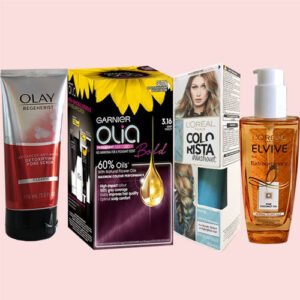
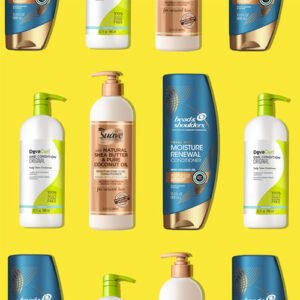
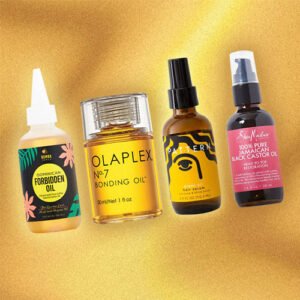
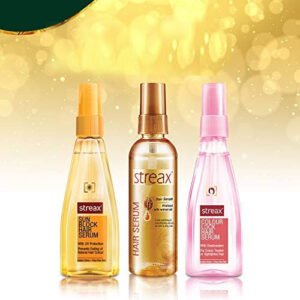




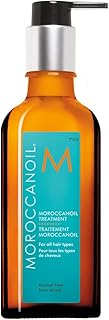


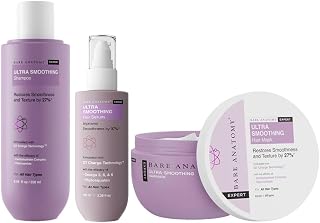


Hair care in 2026 is moving beyond basic shampoo-and-conditioner routines. Indian consumers are increasingly looking for routines that address specific concerns such as dryness, frizz, scalp buildup, heat damage, hair fall concerns, colour-treated hair, and exposure to humidity and pollution. The most useful trends are therefore not simply about buying more products; they are about choosing the right combination of cleansing, conditioning, scalp care, protection, and styling for your hair type and environment.
This buying guide explores 10 important hair-care trends relevant to shoppers in India in 2026. It focuses on what each trend means, who may benefit, what ingredients or product characteristics to look for, common buying mistakes, and how to compare products before purchasing. Brands such as L'Oréal Paris, Dove, Tresemmé, Pantene, OGX, Mamaearth, Minimalist, Plum, Moroccanoil, Kérastase and Schwarzkopf are among the familiar names consumers may encounter when comparing hair-care categories, but the brand name alone should never replace checking the formulation and suitability for your hair.
One of the most important hair-care shifts is the growing emphasis on the scalp rather than treating every hair concern as a problem with the lengths alone. Healthy-looking hair starts with an appropriately cleansed and comfortable scalp, while the correct cleansing frequency depends on factors such as oil production, sweat, styling-product use, hair texture and personal routine.
Scalp-focused products can include clarifying shampoos, gentle daily cleansers, scalp serums and specialised treatments. However, more intensive cleansing is not automatically better. A shampoo that removes excessive oil and residue may be useful occasionally for someone with substantial buildup but unnecessarily drying for someone with a dry or sensitive scalp.
This approach can be particularly useful for people who experience noticeable oiliness, frequent sweating, styling-product buildup or a scalp that feels unclean between washes. It can also help shoppers stop applying heavy conditioners and oils directly to the scalp when those products are intended primarily for the lengths.
If you have persistent itching, scaling, painful areas, sores or significant changes in your scalp or hair, cosmetic products should not be treated as a substitute for professional medical advice.
Hair damage is often associated with repeated bleaching, colouring, chemical processing, straightening, frequent heat styling and mechanical stress. Bond-building treatments have become a major part of the premium hair-care conversation because they are positioned around strengthening or improving the appearance and manageability of damaged hair rather than simply coating the surface.
Products in this category vary substantially. Some are designed as pre-shampoo treatments, while others are masks, conditioners or leave-in products. Well-known ranges from brands such as Kérastase, L'Oréal Paris, Schwarzkopf and other professional-oriented manufacturers may use different technologies and ingredient systems, so shoppers should compare the actual instructions rather than assuming every "bond" product works in the same way.
A bond-focused product can complement a sensible routine, but it should not be viewed as permission to continue excessive heat, aggressive brushing or repeated chemical processing without protection.
Humidity is an important consideration for Indian hair-care shoppers. Hair can become difficult to manage when moisture in the surrounding environment interacts with the hair fibre, particularly when the hair is already porous, damaged, dry or naturally prone to frizz.
The 2026 anti-frizz trend is increasingly about lightweight control rather than applying large amounts of heavy oil or silicone-rich styling products. Depending on the formulation, serums, leave-in conditioners, smoothing creams and lightweight oils can help reduce friction and improve the appearance of flyaways.
Popular brands including Tresemmé, L'Oréal Paris, OGX, Moroccanoil and Kérastase offer products across different smoothing and conditioning categories. Compare the intended hair type, texture and application method instead of choosing solely from advertising claims.
Frequent use of straighteners, curling irons, hot brushes and blow dryers can increase stress on the hair. Heat protection has consequently become less of an occasional styling accessory and more of a routine consideration for people who regularly use heated tools.
A heat protectant may come as a spray, cream, serum or styling lotion. The right format depends on your hair texture, styling method and whether you need additional hold, smoothing or conditioning.
Do not assume that applying more product provides proportionally more protection. Follow the manufacturer's directions, distribute the product evenly and use the lowest practical heat setting that achieves the desired result.
Leave-in products continue to appeal to consumers who want fewer steps while still addressing several styling problems. Depending on the formulation, one product may provide detangling, softness, frizz control, shine or heat protection.
This trend is particularly relevant for busy routines because a leave-in treatment can bridge the gap between washing and styling. It is also useful for shoppers who find traditional rinse-out conditioners insufficient for dry or tangled lengths.
A leave-in conditioner is generally chosen for conditioning, softness and manageability, while a serum is often selected for surface smoothing, shine, frizz control or finishing. The distinction is not absolute because modern formulations can overlap considerably.
Fine hair may respond better to a small amount of lightweight leave-in product, whereas thick, dry or coarse hair may tolerate richer formulations. Start with a small quantity and increase only when necessary.
Another significant direction in hair care is more careful ingredient comparison. Consumers are increasingly interested in understanding what a product is designed to do instead of purchasing products simply because they are marketed as premium, natural, herbal, clean or chemical-free.
The term "chemical-free" is not a meaningful way to evaluate ordinary cosmetic formulations because all ingredients are chemical substances. A more useful approach is to identify the actual concern and then compare the ingredients, formulation, directions and suitability of competing products.
No single ingredient guarantees that a product will work for every person. Formula concentration, combination of ingredients, application method and individual hair characteristics all matter.
Hair-care shopping is becoming more texture-specific. Instead of treating straight, wavy, curly and tightly textured hair as interchangeable, consumers are increasingly looking for routines designed around the behaviour of their own hair.
Curly and wavy hair can benefit from products that improve moisture, reduce friction and support definition. Heavy brushing when dry can disrupt the natural pattern and increase visible frizz, while excessive product layering can create buildup.
Brands such as Curl Up, Fix My Curls, Schwarzkopf and other specialist and mainstream manufacturers may offer products aimed at textured hair. Compare ingredients and intended use carefully because a product labelled for curls can still be too heavy or too light for a particular curl pattern.
Hair colouring, bleaching, rebonding and straightening can alter the structure and condition of the hair. Once hair has been chemically processed, maintenance becomes particularly important because the visible quality of the lengths depends heavily on conditioning, gentle handling and protection.
Colour-protecting shampoos and conditioners are designed for consumers who want to maintain the appearance of treated hair between salon services. The most appropriate routine depends on the treatment, colour, hair condition and washing frequency.
Premium ranges from brands such as Kérastase, L'Oréal Paris and Schwarzkopf can sit alongside more affordable products from brands such as Dove, Pantene and Tresemmé. The best value depends on how well the formulation matches your actual routine.
Personalisation is one of the most useful trends because it encourages consumers to move away from one-size-fits-all routines. Two people can have the same hair length but require completely different products because their scalp oiliness, density, strand thickness, curl pattern, porosity and level of damage differ.
These factors are generally more useful than selecting a product because it is labelled "best" or "trending." A highly rated rich mask may be excellent for dry, thick hair but unnecessarily heavy for fine hair that becomes limp quickly.
Hair is exposed to more than shampoo and styling tools. Friction from pillows, frequent tying, sun exposure, dust, pollution, sweat and repeated handling can affect how the hair looks and feels.
Overnight hair care can include gentle detangling, a suitable leave-in treatment, protective hairstyles and reduced friction. The goal should be to minimise mechanical stress rather than create an unnecessarily elaborate bedtime routine.
The best hair-care purchase is not necessarily the newest product, the most expensive product or the product with the highest number of reviews. Start with the problem you want to solve, then identify the product category that addresses that problem.
Choose one or two priorities instead of attempting to correct everything simultaneously. For example, someone with dry, frizzy lengths may prioritise conditioning and smoothing, while someone with an oily scalp and dry ends may need a balancing routine rather than a single heavy product.
The scalp and the lengths do not necessarily need the same treatment. Shampoo primarily addresses cleansing, while conditioner and many treatments are applied to the lengths. This distinction is especially useful when the scalp becomes oily quickly but the ends remain dry.
Read the ingredient list, usage instructions and warnings. Check whether the product is intended for frequent use, occasional treatment, pre-wash application, post-wash use or styling.
A larger bottle is not automatically better value. A concentrated treatment requiring a small amount can last longer than a larger product that needs generous application. Compare the amount required per use when evaluating competing products.
Hair-care routines can become unnecessarily expensive when several products perform almost the same function. Before buying another serum, mask or leave-in conditioner, determine whether an existing product already addresses the same need.
Packaging language can be useful, but marketing claims should be interpreted in context. Words such as "repair," "strength," "smooth," "hydration," "volume" and "anti-frizz" describe the intended benefit, not a guarantee of identical results for every user.
Conditioning agents help improve slip, softness and manageability. They are especially relevant when hair feels rough, tangled or difficult to comb.
Humectants can attract water and are frequently used in moisturising formulations. Their behaviour can depend on the complete formula and environmental conditions, so the presence of one humectant does not determine whether a product will control frizz in every climate.
Silicones are widely used in hair products because they can provide slip, shine, reduced friction and a smoother surface feel. They are not inherently unsuitable; whether a silicone-containing product works well depends on the formula and individual preferences.
Protein-containing products may be useful in conditioning routines for certain types of damaged or processed hair. However, more protein is not necessarily better. If a particular product leaves your hair feeling unsuitable, changing the frequency or formula may be more useful than adding additional protein products.
Oils and plant-derived ingredients are common in hair care and can contribute conditioning, softness, fragrance or sensory benefits. "Natural" does not automatically mean gentler or more effective, so ingredient suitability remains more important than the marketing category.
Use a cleanser suited to the scalp while keeping richer conditioning products mainly on the mid-lengths and ends. Avoid automatically applying heavy oils or masks to the scalp if they increase buildup.
Prioritise gentle cleansing, regular conditioning, a suitable leave-in treatment and heat protection. A richer mask can be added periodically if the hair benefits from additional conditioning.
Look for lightweight conditioners, sprays and serums. Apply smaller quantities and concentrate richer products on areas that need them. Excessive layering can reduce volume and make fine hair look greasy.
Richer conditioners, masks and leave-in creams may be more comfortable for thicker strands. Application technique matters because dense hair can require sectioning to distribute a product evenly.
Focus on moisture, detangling, reduced friction and appropriate styling support. Avoid judging a product only by how it feels immediately after application; consider definition, buildup and manageability over the complete routine.
Prioritise conditioning, gentle handling, heat protection and products designed for processed hair when appropriate. Reduce unnecessary mechanical stress and monitor whether the hair becomes increasingly brittle or difficult to manage.
A popular product can still be a poor match for your hair type. Popularity is useful for discovering options, but formulation and suitability should determine the final choice.
Adding several new products simultaneously makes it difficult to determine which product is helping or causing unwanted buildup. Introduce significant changes gradually when practical.
Shampoo primarily interacts with the scalp and roots during cleansing. Dry lengths may need a different strategy involving conditioner, masks or leave-in products.
Many conditioners are intended mainly for the lengths. Applying rich products directly to an oily scalp may not be the best approach for every person.
Price can reflect formulation, packaging, positioning or other factors. A less expensive product that suits your hair may provide better practical value than a premium product that does not.
No serum or mask should be expected to completely compensate for repeated high heat, aggressive brushing or tight hairstyles. Prevention is an important part of maintaining healthy-looking hair.
Constantly switching shampoos and treatments can make it difficult to understand what works for you. Give a routine enough consistent use to evaluate practical benefits, while stopping a product if it causes a clear adverse reaction.
When comparing two or more products, use the same criteria for each option. This prevents attractive packaging or isolated claims from dominating the decision.
A basic routine does not need a large product collection. A suitable shampoo, conditioner and heat protectant can cover the essential needs of many people who regularly style their hair.
A mid-range routine can add a targeted leave-in conditioner, serum or occasional treatment based on a specific concern. The objective should be solving a real problem rather than accumulating products.
Premium hair care can make sense when a specialised formulation fits a particular need, especially for chemically processed, highly textured or repeatedly styled hair. Compare formulation, size and usage instructions carefully because premium positioning does not guarantee better results for every individual.
Not necessarily. A higher price may correspond to specialised formulations, premium ingredients, packaging, fragrance, research and development or brand positioning, but the most valuable product is the one that suits the user's hair and can be used consistently.
When comparing an affordable product with a premium alternative, consider whether the more expensive option offers a meaningful difference in formulation or performance for your particular concern. If both products meet the same need adequately, the lower-cost option may be the more sensible purchase.
Not every trend deserves a place in your routine. The strongest long-term trends are those that encourage better decision-making: understanding your scalp, recognising your hair texture, protecting against heat, reducing mechanical stress, conditioning appropriately and choosing products based on a specific purpose.
Consumers should be cautious about products promoted with absolute promises such as instant transformation, guaranteed hair growth, permanent repair or universal suitability. Hair care can improve the appearance, manageability and cosmetic condition of hair, but product claims should be interpreted according to the evidence and limitations of the individual formulation.
A practical routine can be organised into four stages.
This approach makes it easier to identify which products are genuinely useful. It also reduces the risk of creating a complicated routine in which several products perform overlapping functions.
India's varied climate means hair-care requirements can change considerably by location and season. Humidity, heat, sweating, dry conditions, dust and frequent outdoor exposure can all influence how hair behaves.
People living in humid regions may prioritise frizz control and lightweight formulations, while consumers in drier environments may find additional conditioning more important. Those who exercise frequently or spend substantial time outdoors may also need to adjust cleansing frequency according to sweat and scalp comfort.
The correct routine is therefore not necessarily fixed for the entire year. Seasonal adjustment can be more sensible than continuously replacing every product.
Scalp-focused care, targeted treatments, heat protection, personalised routines and lightweight anti-frizz products are among the most relevant directions in modern hair care. The most useful trend depends on the individual's scalp, hair texture and styling habits.
There is no single product that is best for everyone in India. Climate, scalp oiliness, hair texture, density, porosity, chemical processing and styling habits all influence product selection.
There is no universal number of washes that suits everyone. Consider scalp oiliness, sweating, buildup, hair texture and personal comfort. A person with an oily scalp may need more frequent cleansing than someone with a dry scalp and tightly textured hair.
For many routines, shampoo alone is not sufficient for optimal manageability. Conditioner helps improve softness and detangling, while additional treatments can be useful when the hair has specific needs such as damage, dryness or heat exposure.
Hair serums can be useful for concerns such as frizz, surface smoothness, shine and manageability. Their usefulness depends on formulation and hair type, and fine hair may require much less product than thick or coarse hair.
Pre-shampoo oiling is a personal-care practice that some people find useful for conditioning and reducing the dry feel of the hair. It is not essential for everyone, and applying excessive oil to the scalp can be counterproductive for people prone to buildup or oiliness.
Not automatically. Natural and synthetic ingredients can both have useful roles in cosmetic formulations. Instead of relying on the label "natural," compare the complete formulation, intended benefit, tolerability and suitability for your hair.
Price alone does not determine effectiveness. Compare the formulation, intended hair type, cleansing level, size and usage instructions. An affordable shampoo can be a very sensible choice if it suits your scalp and routine.
Look for a product specifically intended for heat styling, with clear application directions and a texture compatible with your hair. Consider whether you also want benefits such as smoothing, detangling or styling support.
Cosmetic treatments can improve the appearance, softness, smoothness and manageability of damaged hair, but they cannot be assumed to permanently restore hair to its original biological condition. Reducing ongoing damage remains an important part of hair maintenance.
Compare the products according to your hair type, primary concern, ingredients, application method, frequency of use, size and verified customer feedback. A product with slightly fewer reviews may still be a better fit for your specific needs.
For an independent buying guide, product comparisons should focus on practical criteria rather than promotional claims. Product type, formulation, intended hair concern, application method, hair compatibility, size, usage frequency and customer feedback are more useful comparison points than popularity alone.
Because product ranges, formulations, sellers and prices can change, shoppers should check the current product information and retailer details before purchasing. Availability and pricing can also vary by location and seller in India.
The strongest 2026 hair-care routine is ultimately the one that matches your scalp, hair texture, styling habits and environment. Whether you are comparing affordable everyday products or premium treatments, start with the problem you want to solve and then select the simplest combination of products capable of addressing it.