

♥ Wishlist
Compare 52 verified Intensive Hair Care Products for Healthier, Stronger Hair products in India. Reviews, ratings, pros, cons and buying advice updated for October 2026.
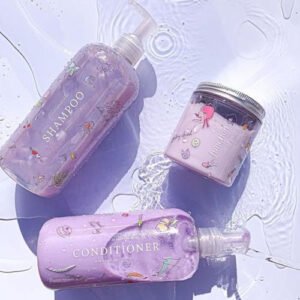
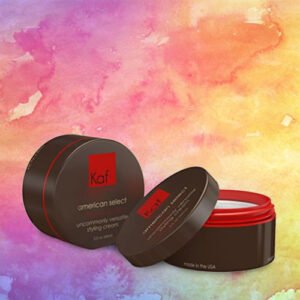
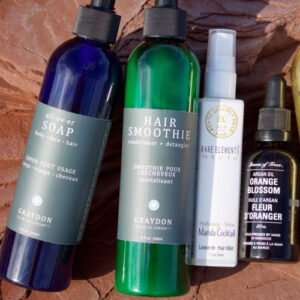
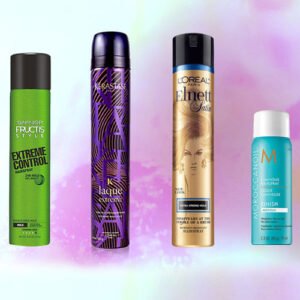


Hair care in 2026 is moving beyond basic cleansing and conditioning. Consumers in India are increasingly looking for intensive hair care solutions that address specific concerns such as hair fall, dryness, scalp imbalance, frizz, damage from styling, pollution exposure, and changing lifestyle factors. Modern hair care trends focus on personalised routines, science-backed ingredients, scalp health, protective treatments, and long-term hair quality improvement.
This comprehensive guide explores the latest intensive hair care trends for 2026, including emerging ingredients, advanced treatment categories, important buying factors, product selection tips, and expert considerations before choosing hair care products. Whether you are searching for a nourishing hair mask, scalp treatment, repairing serum, strengthening oil, or complete hair care routine, understanding these trends can help you make a more informed decision.
The hair care market is becoming more focused on targeted solutions rather than one-product-fits-all approaches. Buyers are increasingly comparing formulas, ingredients, application methods, and suitability for different hair types before making a purchase.
One of the biggest trends in 2026 is the shift from only treating visible hair problems to improving scalp health. A balanced scalp environment plays an important role in maintaining stronger-looking and healthier hair.
Scalp care products are designed to support concerns such as:
Popular ingredients found in scalp-focused products include tea tree oil, niacinamide, salicylic acid, peptides, botanical extracts, and gentle exfoliating compounds. When comparing products, buyers should consider scalp type, ingredient concentration, and whether the formula matches their personal routine.
Heat styling, chemical treatments, colouring, environmental exposure, and frequent washing can affect hair strength and appearance. Bond repair technology has become a major category because it focuses on improving the look and feel of damaged strands.
Products in this category often include:
Brands such as Olaplex, L'Oréal Paris, Schwarzkopf, Moroccanoil, and Kérastase are widely recognised in advanced hair treatment categories. When comparing intensive repair products, consider whether your hair needs moisture, strengthening support, colour protection, or damage management.
Personalisation is becoming one of the most important developments in hair care. Instead of selecting products only by marketing claims, consumers are increasingly choosing solutions based on their hair texture, scalp condition, lifestyle, and styling habits.
A personalised routine may consider:
Understanding your own hair requirements helps avoid buying unsuitable products and improves the chances of achieving better results from an intensive care routine.
Ingredient selection is one of the most important factors when comparing hair care products. A higher price does not always guarantee better suitability, so buyers should understand what different ingredients are designed to do.
Hyaluronic acid is increasingly used in hair products because of its moisture-supporting properties. It is commonly included in formulas designed for dry, rough, or dehydrated-looking hair.
Hydrating products containing this ingredient may help improve:
Keratin-based formulas remain popular for people looking to improve the appearance of damaged or weakened hair. These treatments are often selected by individuals who regularly use heat styling tools or chemical colouring products.
However, excessive protein-focused products may not suit every hair type. Buyers should maintain a balance between strengthening ingredients and moisture-focused treatments.
Traditional hair oils continue to remain popular in India due to cultural familiarity and accessibility. Modern formulations often combine traditional ingredients with advanced cosmetic technology.
Commonly used ingredients include:
Brands including Mamaearth, The Ordinary, Minimalist, WOW Skin Science, and Biotique offer products featuring various botanical and active ingredient combinations.
Selecting the right hair care product requires more than choosing the most popular option. A good buying decision depends on your hair goals, ingredient preferences, usage habits, and budget.
Different hair textures require different approaches. A product designed for thick, dry hair may feel heavy on fine hair, while lightweight formulas may not provide enough nourishment for very dry strands.
Before purchasing, review the ingredient list instead of relying only on product claims. Look for formulas that match your specific concerns and avoid unnecessary ingredients if you have known sensitivities.
Important comparison points include:
Different intensive hair care products serve different purposes. Comparing a hair mask with a serum or a scalp treatment with an oil may lead to unrealistic expectations.
| Product Type | Main Purpose | Best Consideration |
|---|---|---|
| Hair Mask | Deep conditioning and nourishment | Texture, ingredients, frequency of use |
| Hair Serum | Smoothing and protection | Lightweight formula and finish |
| Scalp Treatment | Scalp-focused care | Active ingredients and scalp compatibility |
| Hair Oil | Nourishment and traditional care | Oil blend and application method |
Social media trends can introduce useful products, but popularity alone does not guarantee suitability. Always compare ingredients, usage instructions, and compatibility with your hair needs.
Combining multiple intensive treatments without understanding their purpose can make it difficult to identify what works for your hair. A simple, consistent routine is often easier to evaluate.
Many people focus only on the visible length of their hair and overlook scalp care. A balanced routine should consider both scalp condition and hair strands.
Hair care products generally require consistent use and realistic expectations. Individual results can vary depending on hair condition, routine, genetics, and lifestyle factors.
When researching intensive hair care products, buyers can compare offerings from established brands across different categories.
A balanced routine usually combines cleansing, conditioning, treatment, and protection steps according to individual needs.
Select a shampoo based on scalp condition rather than only hair length. Over-cleansing can affect dry hair, while insufficient cleansing may contribute to buildup.
Hair masks and intensive conditioners can provide additional nourishment when regular conditioners are not enough.
Heat protectants and lightweight protective products can be useful for people who regularly use straighteners, curling tools, or blow dryers.
A well-planned routine followed consistently is usually more effective than frequently changing products.
The major trends include scalp-focused treatments, personalised routines, bond repair technology, ingredient-focused formulas, and protective hair care solutions.
The best option depends on your hair type, concerns, ingredients required, and budget. Compare specifications, customer feedback, and product suitability before choosing.
Not necessarily. A suitable formula with the right ingredients for your hair needs can provide better value than an expensive product that does not match your requirements.
Usage frequency depends on the product type and your hair condition. Always follow the manufacturer's recommended usage instructions.
This guide focuses on the latest intensive hair care trends and buying considerations relevant for consumers researching products in India during 2026.
The best intensive hair care choice is not always the most advertised or expensive option. A smarter approach is to understand your hair type, identify your main concern, compare ingredients, evaluate product quality, and select a routine that fits your lifestyle.
Before making a purchase, compare available options, read customer feedback, review specifications, and choose products that align with your personal hair care goals. A thoughtful approach can help you create a more effective and sustainable hair care routine in 2026.