

♥ Wishlist
Compare 48 verified Hair Colours for Stylish Looks at Home products in India. Reviews, ratings, pros, cons and buying advice updated for October 2026.

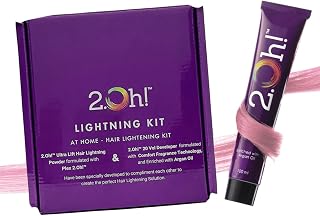


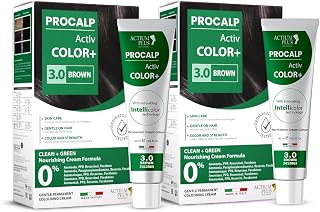

Choosing a hair color in 2026 is less about following one universal shade and more about finding a color that suits your complexion, natural hair, maintenance routine, workplace, styling preferences and willingness to refresh the color. The latest hair color trends include both understated shades and statement-making looks, from rich brunettes and warm chocolate tones to copper, burgundy, caramel, honey, ash and carefully blended highlights.
For shoppers in India, the decision also involves choosing between permanent hair color, semi-permanent color, temporary color, root touch-up products, highlighting kits and salon-style color systems. Hair texture, previous chemical treatments, natural hair depth and exposure to the Indian climate can all influence how a shade looks and how frequently it needs maintenance.
This guide focuses on the factors that matter when comparing hair colors available in India. Rather than treating one shade as universally best, use the information below to identify the color family, formulation, application method and maintenance level that fit your needs.
Chocolate brown remains a versatile choice for people who want visible color without moving too far away from natural-looking brunette tones. It can work particularly well when the goal is a polished appearance that remains suitable for everyday styling.
Chocolate shades range from deep cocoa and espresso-inspired browns to warmer milk-chocolate tones. When comparing products, pay attention to the shade description rather than relying only on the model photograph, because the final result can vary considerably depending on your starting hair color.
Burgundy, wine and deep red-violet shades provide more visual impact while remaining darker and more wearable than extremely bright fashion colors. They can be particularly appealing for someone who wants a noticeable change without choosing a very light shade.
Different formulations can produce anything from a subtle red reflection to a much stronger burgundy appearance. If your natural hair is very dark, the color may appear more noticeable under bright lighting than indoors.
Copper and auburn shades sit between red, orange and brown color families. They range from muted auburn that looks relatively natural to brighter copper that creates a much more noticeable transformation.
Copper is often selected by people who want warmth and dimension rather than a traditional dark-brown finish. Before choosing one, consider whether you prefer a subdued reddish brown or a distinctly copper appearance.
Caramel and honey tones are useful when you want dimension rather than an all-over color. Highlights can create contrast through selected sections of the hair while leaving much of the natural base visible.
These shades can be incorporated into brown or dark hair through different highlighting techniques. Product selection should therefore take into account whether the kit is designed for all-over coloring, highlights, balayage-style placement or targeted sections.
Ash brown is designed around cooler undertones and can create a more muted appearance than warm chocolate or caramel shades. It may appeal to people who prefer neutral or cool-looking hair rather than golden or reddish tones.
Cool shades require careful comparison because the same broad color name can look different depending on the formulation and the starting hair color. Previous warm pigments can also influence the final appearance.
Golden brown sits between conventional brown and lighter golden tones. It can add warmth without creating the high contrast associated with very light blondes.
This category is particularly useful when comparing colors for everyday wear because it provides several intensity levels. A deeper golden brown may look subtle, while a lighter version can create considerably more visible dimension.
Deep brunette shades are suitable for shoppers who want a refined change that stays close to naturally dark hair. Espresso-inspired colors can add tonal richness while retaining a dark overall appearance.
These shades are also worth considering when maintenance simplicity is more important than dramatic contrast. However, people with existing permanent color should still check compatibility before applying another color over it.
Black remains a strong option for anyone seeking a very dark, high-contrast appearance. Blue-black adds a cooler visual character and may show subtle blue reflections under certain lighting.
Because dark permanent colors can be difficult to lighten later, consider your longer-term plans before choosing a very deep shade. A color that looks ideal today may require a more involved process if you later want to move substantially lighter.
Blonde and light brown shades offer a more substantial transformation for many Indian hair types, particularly when the natural base is very dark. Achieving a significantly lighter result may involve pre-lightening, depending on the product and desired shade.
When comparing light shades, check whether the product is intended to deposit color only or whether it is designed to lighten natural hair. These are different functions and should not be treated as interchangeable.
Temporary colors provide an alternative for people who want to experiment without committing immediately to a long-lasting change. Depending on the product, temporary options may include sprays, waxes, gels, masks or other color-depositing formulations.
These products can be useful for events, parties, photographs or experimenting with a color family before considering a longer-lasting formulation. Always check the expected longevity, application instructions and transfer characteristics before use.
One of the most important decisions is not the shade itself but the type of color formulation. Two products with similar shade names can have very different purposes and longevity.
Permanent hair color is designed for longer-lasting color changes and is commonly considered when consistent coverage or a substantial transformation is the priority. It is especially relevant for people comparing gray coverage or wanting a color that remains through repeated washing.
Semi-permanent color can be useful for people who want to experiment with a shade or refresh existing color without making the same long-term commitment as permanent color.
Temporary color is generally selected when the priority is flexibility. It can be practical for trying an unusual color or creating a short-term look without committing to a permanent transformation.
Skin tone can be a useful starting point, but it should not be treated as a strict rule. Undertone, natural hair color, eye color, personal style and desired contrast all influence whether a shade feels flattering.
People who prefer warm-looking colors can consider families such as caramel, honey, golden brown, warm chocolate, copper and auburn. These shades emphasize warmth rather than creating a strongly cool contrast.
Cooler color families can include ash brown, cool brunette, plum, burgundy and certain neutral shades. The right choice depends on the level of contrast you want rather than undertone alone.
Neutral undertones offer considerable flexibility. Neutral brown, chocolate, balanced brunette and selected burgundy shades can provide versatile options, while warmer or cooler tones can be chosen depending on personal preference.
There is no requirement to choose only dark hair colors for deeper complexions. Chocolate, burgundy, copper, caramel highlights and carefully selected lighter shades can all create different visual effects. The most useful approach is to compare the intended level of contrast and maintenance rather than relying on complexion categories alone.
Many people in India start with naturally very dark hair. Dark brown, chocolate, burgundy, plum, espresso and deep red shades can provide visible tonal changes without necessarily requiring the same level of lightening as very light colors.
If your goal is a significantly lighter brown, copper or blonde, check whether the chosen product is capable of producing that change on your starting level. Applying a lighter dye over very dark previously colored hair does not automatically create the lighter shade shown on the packaging.
Dark brown hair offers a broad range of options, including chocolate, caramel, auburn, burgundy, golden brown and selected lighter brown shades. The closer the new color is to the natural base, the more subtle the overall change may appear.
Previously colored hair requires more careful product selection. The current artificial pigment, previous treatments and condition of the hair can all influence the outcome. Before changing to a substantially lighter or different color, consider professional color advice rather than assuming another box color will produce the advertised shade.
Do not purchase based solely on a shade name such as brown, blonde or burgundy. Check the full shade description, number where provided, undertone and intended result. Shade numbering systems are not necessarily identical across brands, so comparing the name alone can be misleading.
Product photographs are usually an illustration rather than a guarantee of the result on every starting shade. The same formula can appear substantially different on black, dark brown, light brown, previously colored or pre-lightened hair.
If covering gray hair is a priority, look specifically for products that state they are intended for gray or white hair coverage. A fashion-focused semi-permanent product should not automatically be assumed to provide the same coverage as a formulation designed for gray hair.
Hair colors may be sold as creams, gels, foams, masks, sprays, shampoos or kits containing multiple components. Application format affects ease of use, coverage control and how suitable the product is for your intended use.
Read the complete ingredient list, warnings and application instructions before purchasing. Hair color products can contain ingredients that some individuals may react to. A patch test should be performed when the manufacturer's instructions call for one, and the instructions should be followed exactly.
Hair that is already dry, brittle, heavily bleached or chemically processed may require more careful treatment than untreated hair. A fashionable shade is not a good choice if the application method is unsuitable for the current condition of the hair.
Hair length, thickness and density influence how much product is required for full coverage. Someone with very long or thick hair may need more than one package depending on the manufacturer's coverage guidance. Check the packaging before beginning rather than discovering halfway through the application that additional product is required.
When comparing hair color products, established brands can provide a useful starting point because their ranges often include multiple shade families and application formats. The best choice still depends on the specific formulation rather than the brand name alone.
First-time users may prefer a shade relatively close to their natural color. Chocolate brown, medium brown, deep burgundy or a subtle warm brunette can provide a noticeable change without immediately committing to an extreme transformation.
For gray coverage, prioritize products specifically designed and labelled for that purpose. Compare coverage guidance, shade selection and application instructions rather than choosing a product solely because its color looks attractive.
Bold looks can include bright copper, vivid red, burgundy, plum, fashion pink, blue or other creative shades. The more dramatic the difference from the starting hair, the more important it becomes to understand whether pre-lightening is necessary.
Low-maintenance coloring generally means choosing a shade close to the natural base or using strategically placed highlights rather than creating a strong all-over contrast. Deep brunette, chocolate and subtle caramel tones can be easier to integrate into an everyday routine than very light or highly contrasting colors.
For highlights, compare products specifically intended for highlighting rather than simply using an all-over dye. Placement, contrast and the level of lightening required can have a greater effect on the final appearance than the color name alone.
Choosing the right shade is only the first part of maintaining colored hair. Washing habits, heat styling, sun exposure, chemical treatments and the underlying hair condition can influence how the color looks over time.
After coloring, consider hair-care products specifically formulated for colored hair. A suitable shampoo and conditioner routine can help maintain the appearance and manageability of the hair while you follow the color manufacturer's aftercare recommendations.
Frequent use of high heat can make already processed hair feel drier and more fragile. If you use straighteners, curling tools or blow dryers regularly, use appropriate heat-protection products and avoid unnecessarily high temperatures.
With an all-over color that differs significantly from your natural hair, roots become visible as the hair grows. Root touch-up products can be considered when appropriate, but they should be selected according to the exact shade and intended application.
Some shades, particularly vibrant red and copper families, may require periodic color refreshing. A color-depositing product can be useful when specifically designed for that purpose, but repeated coloring should always take the condition of the hair into account.
Packaging images cannot account for every natural hair color and previous treatment. Always compare the before-and-after shade chart and read the product instructions.
Artificial hair color does not automatically behave like natural pigment. If your hair already contains permanent artificial color and you want a substantially lighter result, a professional assessment may be more appropriate than repeatedly applying lighter dye.
Bleaching, straightening, relaxing, perming and repeated coloring can change hair condition. Ignoring that history may lead to unrealistic expectations or unsuitable product selection.
A dramatic color difference can look excellent immediately after coloring but require more frequent root maintenance. Consider how much time you realistically want to spend maintaining the color before making a decision.
Coverage requirements depend on hair length and density. Review the manufacturer's recommended quantity and purchase enough product for the intended application.
Do not ignore patch-test instructions, warnings, recommended processing times or restrictions on use. Hair color products should be used exactly as directed on the packaging.
Product specifications can be more useful than marketing language when comparing several options. Focus on information that directly affects the expected result.
At-home hair color can be convenient for straightforward color changes when the chosen product is appropriate for the starting hair and the instructions are followed carefully. Salon coloring becomes more valuable when the desired result involves substantial lightening, corrective color, complex highlights, balayage, significant color changes or previously treated hair.
A professional can assess the current hair, previous color history and desired result before selecting a process. This can be particularly useful when moving from very dark hair to a much lighter shade or when attempting a complicated multi-tone look.
Price alone is not a reliable indicator of whether a hair color is right for you. Compare the amount of product, formulation, intended coverage, shade accuracy, application method and included components.
For budget-conscious shoppers, a lower-priced product may be suitable for a straightforward application when the formulation meets the intended need. For more complex transformations, however, the cost of professional coloring may need to be considered alongside the cost of corrective work if an at-home experiment does not produce the desired result.
There is no single best hair color for everyone. Chocolate brown, burgundy, caramel, copper, auburn, ash brown and deep brunette shades can all be suitable depending on complexion, natural hair color, maintenance preferences and the desired level of transformation.
Indian skin tones cover a broad range, so the best shade depends on the individual's undertone and preferred contrast. Chocolate, burgundy, caramel, auburn, copper, golden brown and selected ash shades can all work depending on the person and the desired appearance.
Shades close to your natural hair depth generally create the most subtle result. Chocolate brown, espresso, deep brunette and balanced medium-brown shades are common choices for a natural-looking transformation.
Burgundy can be a suitable option for dark hair, but the visible intensity depends on the starting shade and formulation. On very dark hair, the result may appear as a subtle red-violet reflection rather than a bright burgundy.
A standard color product should not automatically be expected to transform naturally black hair into a light blonde. Significant lightening can require a dedicated lightening process, and previously colored hair presents additional complications.
A shade relatively close to your existing hair color can be easier to manage for a first experiment. Semi-permanent color may also be considered when the goal is to reduce the commitment, provided the product is appropriate for your starting hair.
Colors close to your natural hair depth are generally easier to integrate as they grow out. Deep brunette and chocolate shades can therefore be practical choices for people who want a lower-maintenance routine.
The appropriate interval depends on the formulation, shade, washing frequency, natural regrowth and how quickly the color loses its desired appearance. Follow the manufacturer's instructions rather than applying color on an arbitrary schedule.
Hair color products are not suitable for everyone in every circumstance. Always read the warnings, ingredients and usage instructions, follow the required patch-test procedure and avoid use when the manufacturer's safety guidance indicates that the product should not be used.
It depends on the treatment history and the condition of the hair. Previously bleached, straightened, relaxed or heavily colored hair may require additional caution. Read the product compatibility information and consider professional advice for substantial changes.
The strongest hair-color purchase is not necessarily the most expensive, newest or most dramatic option. It is the product whose shade, formulation, coverage, application method and maintenance requirements match your actual needs.
For a subtle everyday transformation, consider chocolate, espresso, deep brunette or carefully selected brown shades. For additional warmth and dimension, caramel, honey, golden brown and auburn can be useful choices. Burgundy, copper and plum can create a more noticeable appearance, while temporary fashion colors allow experimentation without the same commitment as permanent color.
Before buying, compare the shade chart against your current hair color, read the complete product specifications, check the ingredients and safety instructions, consider how much product you need, and think about future root maintenance. If the desired transformation involves significant lightening, corrective coloring or multiple tones, professional salon advice can be a more appropriate route than attempting a complex process at home.
When comparing options for 2026, prioritize suitability and realistic expectations over trend names. A well-matched shade that fits your lifestyle and maintenance routine is more useful than a fashionable color that becomes difficult to manage after the first application.
Which direction suits you best: natural brunette, bold burgundy, or warm caramel?