

♥ Wishlist
Compare 52 verified Hair Oils for Healthy, Nourished & Manageable Hair products in India. Reviews, ratings, pros, cons and buying advice updated for October 2026.


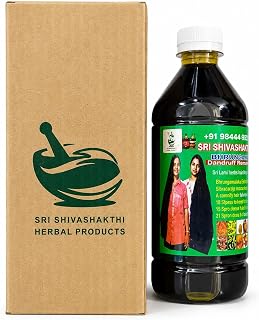


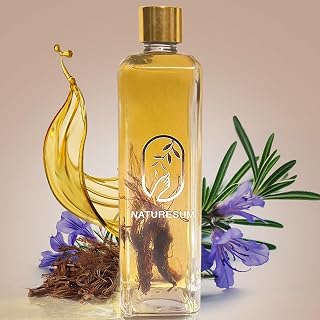
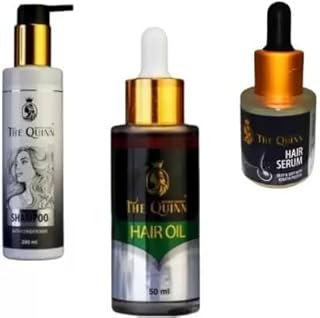




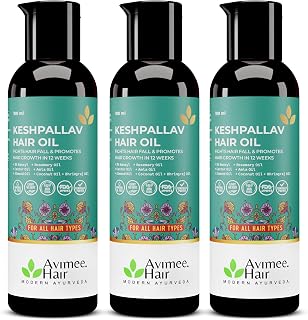


Choosing the right hair oil in 2026 is no longer only about traditional nourishment. Modern hair care trends in India are focusing on targeted solutions such as scalp health, lightweight hydration, reduced hair breakage, natural ingredients, herbal formulations, and oils designed for different hair textures and lifestyles. With many options available from brands such as Parachute, Indulekha, Bajaj, Mamaearth, WOW Skin Science, Kesh King, Biotique, Moroccanoil, The Ordinary, and Khadi Natural, selecting the right product requires understanding ingredients, hair concerns, application methods, and long-term suitability.
This independent buying guide explores the latest hair oil trends, important buying factors, ingredient comparisons, common mistakes, and expert considerations to help shoppers in India make a more informed decision before purchasing a hair oil in 2026.
The hair oil market in India continues to evolve as consumers look beyond traditional oiling routines. New trends are combining traditional Ayurvedic practices with modern cosmetic science, creating products focused on convenience, targeted benefits, and improved user experience.
Heavy, greasy oils are becoming less preferred among consumers who want quick absorption and easier washing. Lightweight formulations using ingredients such as argan oil, jojoba oil, almond oil, grapeseed oil, and fractionated coconut oil are gaining attention because they can provide softness without leaving excessive residue.
These oils are particularly suitable for:
Ayurvedic hair oils remain highly popular in India because many consumers prefer traditional ingredients and plant-based formulations. Products featuring ingredients such as bhringraj, amla, neem, brahmi, coconut oil, sesame oil, and hibiscus continue to attract buyers looking for natural hair care routines.
Brands including Indulekha, Kesh King, Biotique, and Khadi Natural offer herbal-inspired options that appeal to consumers interested in traditional approaches.
One of the biggest changes in hair care is the growing focus on scalp wellness. Instead of viewing hair oil only as a product for hair length, many modern formulas are designed around maintaining a healthy scalp environment.
Scalp-focused oils may include ingredients commonly associated with:
Consumers are increasingly checking ingredient lists before buying personal care products. Hair oil shoppers are paying more attention to whether products contain mineral oils, artificial fragrances, silicones, preservatives, and plant-derived ingredients.
Reading the full ingredient label is important because marketing claims alone do not always explain how a product will perform for a specific hair type.
The best hair oil depends heavily on individual hair characteristics. A product that works well for one person may not provide the same experience for another because hair texture, scalp condition, climate, and styling habits vary.
Dry and frizzy hair often benefits from oils that provide a smoother feel and help reduce the appearance of roughness. Richer oils such as coconut oil, almond oil, olive oil, and argan oil are commonly selected for their conditioning properties.
When comparing options, consider:
People with oily scalps usually prefer lighter oils and shorter application times. Applying too much oil or leaving it for extended periods may create an uncomfortable greasy feeling.
Look for:
Curly hair often requires additional moisture because natural scalp oils may not travel easily along curved strands. Oils such as argan oil, jojoba oil, and coconut oil are frequently used in curly hair routines.
Curly hair users should compare products based on:
Fine hair can become weighed down by very thick oils. Lightweight products are generally preferred because they provide conditioning without reducing natural movement and volume.
Coconut oil is one of the most widely used hair oil ingredients in India. It is traditionally used in hair care routines because of its rich texture and conditioning properties.
Argan oil is commonly found in premium hair care products because of its lightweight feel and popularity among users seeking smoother-looking hair.
Bhringraj is a traditional Ayurvedic ingredient frequently included in Indian hair oils. Many herbal hair care products feature bhringraj as part of their botanical blends.
Amla has a long history in Indian hair care traditions. It is commonly included in formulations designed around herbal nourishment.
Jojoba oil has a lighter texture and is often used in modern hair care products designed for comfortable application.
Always check the ingredient list rather than choosing a product only because of advertising claims. Consider whether the formula matches your hair goals and whether you prefer herbal, traditional, or modern cosmetic formulations.
The feel of a hair oil can significantly affect how often you use it. Some users prefer rich oils for occasional deep oiling, while others prefer lightweight oils suitable for regular routines.
Good packaging helps maintain product quality. Consider bottles that are easy to handle, prevent unnecessary spills, and allow controlled application.
Established brands often provide detailed ingredient information and consistent product ranges. Popular hair care brands available in India include Parachute, Indulekha, Mamaearth, WOW Skin Science, Kesh King, Biotique, and Khadi Natural.
Marketing messages can make products appear suitable for everyone, but hair care needs differ. Always compare ingredients, usage instructions, and suitability for your hair type.
Many buyers focus only on hair length while ignoring their scalp condition. A suitable product should match both scalp comfort and hair appearance goals.
More oil does not always mean better results. Excessive application can make washing difficult and may not provide additional benefits.
Someone who washes hair frequently, exercises regularly, or uses styling products may require a different oil texture compared with someone following a simple traditional routine.
Traditional Indian hair oiling usually involves applying natural oils and leaving them for a period before washing. Modern hair oils often combine traditional ingredients with cosmetic improvements such as lighter textures, improved fragrance, and easier application.
Correct application can influence the overall experience of using a hair oil.
The ideal frequency depends on hair type, scalp condition, and personal preference.
There is no universal schedule that works for every person, so observing how your hair responds is important.
The best hair oil depends on your specific needs, including hair type, scalp condition, ingredient preference, and budget. Some buyers prefer traditional herbal oils, while others prefer lightweight modern formulas.
Herbal and regular hair oils serve different preferences. Herbal oils may appeal to users interested in traditional ingredients, while other formulas may focus on texture, convenience, or specific cosmetic benefits.
Choose products carefully by reviewing ingredients, understanding your scalp condition, and considering whether your concern may require professional advice. Hair oils can support a hair care routine but are not a guaranteed solution for every hair-related issue.
Daily use depends on the product formula and your hair type. Lightweight oils may suit frequent use, while heavier oils may be better suited for occasional application.
Price does not always determine suitability. Compare ingredients, formulation quality, brand transparency, and how well the product matches your needs.
The latest hair oil trends for 2026 show a shift toward personalised hair care, ingredient awareness, scalp-focused solutions, and convenient formulas. Before buying, compare options carefully, understand your hair requirements, and choose a product that fits your regular routine.
A well-researched purchase decision can help you find a hair oil that matches your preferences, whether you are looking for traditional Ayurvedic care, lightweight daily nourishment, or modern premium formulations.