

♥ Wishlist
Compare 63 verified Kids Shoes for Comfortable Everyday Adventures products in India. Reviews, ratings, pros, cons and buying advice updated for October 2026.


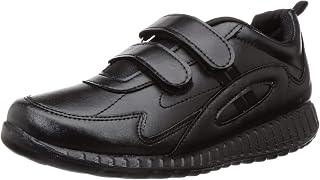


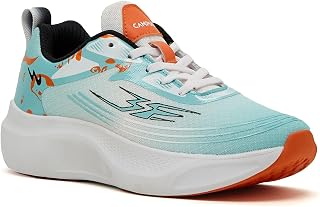


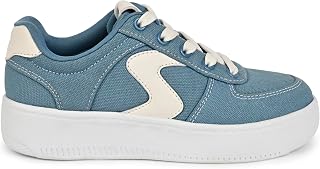


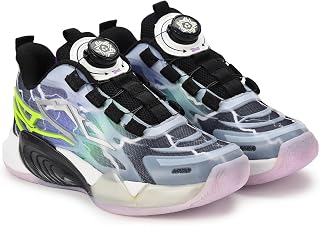


Choosing children's footwear in 2026 is about more than finding a colour or design that looks appealing. Kids' shoes need to balance comfort, fit, durability, grip, ease of use and age-appropriate construction. At the same time, children increasingly have strong preferences about colours, characters, sporty styling and everyday fashion. A good buying decision considers both sides: what the child wants to wear and what the footwear needs to do.
For shoppers in India, the choice can be particularly broad because children's footwear ranges from lightweight school shoes and everyday sneakers to sandals, sports shoes, slip-ons, boots and occasion footwear. Climate and usage also matter. A shoe that works well for an indoor school environment may not be the best choice for outdoor play, monsoon conditions or long walks.
This expanded guide looks at the major kids' footwear trends to consider in 2026 and explains how to compare construction, materials, sizing, cushioning, outsole grip, fastening systems and practical value before purchasing.
Current children's footwear styles can be grouped into several practical categories. The strongest choices are not necessarily the most fashionable pair; they are the ones whose design suits the child's routine.
A product listing can make two pairs of children's shoes appear very similar even when their construction is quite different. Instead of choosing only by appearance, compare the features that affect everyday wear.
Fit should be one of the first considerations because children's feet grow and shoe dimensions can vary between brands and models. Do not assume that a particular numerical size will have identical internal dimensions across every manufacturer.
Check the manufacturer's size chart whenever one is provided. If possible, measure the child's feet according to the brand's instructions and compare the result with the stated sizing information. Consider both foot length and width where measurements are available.
A shoe should provide enough room for normal movement without allowing the foot to slide excessively inside the shoe. Excessive extra space can be just as inconvenient as an overly tight fit because it may affect stability and walking comfort.
The upper is the part of the shoe surrounding the foot, and its material affects breathability, flexibility, cleaning and durability.
Cushioning can make a difference when children spend long periods walking or standing. However, softer does not automatically mean better. The cushioning system should work with the rest of the shoe and provide a reasonably stable platform.
Look for clear information about the midsole material when manufacturers provide it. Avoid selecting footwear solely because the product description uses words such as “soft,” “comfortable” or “premium.” Those descriptions are useful only when supported by understandable construction details.
The outsole is especially important for active children. Examine the tread pattern and material rather than assuming that a visibly thick sole will automatically provide good traction.
For everyday Indian conditions, consider where the child will actually use the shoes. Indoor school corridors, playground surfaces, pavements, tiled floors and outdoor paths can all present different traction requirements.
Children generally need footwear that allows natural movement. A shoe that is excessively rigid may feel restrictive during ordinary activities, while an extremely unstructured shoe may provide less support or protection than required for a particular use.
When assessing a product, look for construction information around the sole, forefoot and upper. Flexible areas should correspond reasonably with the way the shoe is intended to be used.
For daily wear, versatility is usually more valuable than highly specialised construction. A lightweight sneaker with a breathable upper, secure fastening system and practical outsole can work for many ordinary activities.
Choose a neutral or moderately versatile colour if the intention is to pair one shoe with several outfits. Darker colours can be easier to maintain visually, while lighter or brighter colours may appeal more to children but can show dirt more readily.
School footwear should be selected according to the institution's uniform requirements first. Some schools require particular colours, materials or styles, while others permit athletic footwear.
For children who wear the same shoes for several hours, pay close attention to fit, ventilation, fastening security and overall weight. Easy-to-clean materials may also be useful when the shoes are worn frequently.
Sports footwear should match the activity. A general-purpose children's sports shoe may be suitable for everyday play and recreational movement, but specialised activities can have different footwear requirements.
Outdoor use usually increases the importance of outsole grip, toe protection, durability and easy cleaning. Children who regularly play on rougher surfaces may benefit from reinforced areas and more substantial construction.
Do not choose outdoor footwear based solely on a rugged appearance. Compare the actual outsole pattern, upper construction, closure system and available product specifications.
In warm conditions, sandals can provide more ventilation than closed shoes. Look for secure straps, a comfortable footbed and a sole that offers appropriate traction.
For younger children, avoid designs that are difficult to put on or that leave the foot moving excessively within the sandal. A secure fit remains important even when the footwear is open.
Monsoon conditions require a different approach. Consider water exposure, drying time, grip and ease of cleaning. Depending on the product, synthetic materials and quick-drying constructions may be more practical than materials that retain moisture.
Check the manufacturer's care instructions rather than assuming that a shoe described as water-resistant is completely waterproof. Water-resistant, waterproof and quick-drying are not interchangeable terms.
Parents comparing children's footwear can find options from both international and Indian brands. The right choice depends on the particular model rather than the brand name alone.
Brand recognition should not replace product-level comparison. Within the same brand, different models can have different materials, soles, fastening systems, fits and intended uses.
Velcro closures are particularly convenient for younger children who are learning to put on their own footwear. They can also make quick adjustments easier.
The main consideration is whether the strap provides sufficient adjustment for the child's foot. A convenient closure is not useful if the shoe remains loose or cannot be adjusted properly.
Laces can provide a highly adjustable fit when tied correctly. They may be more appropriate for older children who can reliably tie and secure them.
Parents should consider practicality. If the child frequently needs to remove and put on shoes independently, laces may be less convenient than a well-designed strap or slip-on system.
Elastic-lace designs can combine some of the visual appearance of traditional laces with easier entry. They are worth considering for children who need convenience but prefer a sneaker-style look.
Slip-on footwear is convenient, particularly for quick everyday use, but the shoe still needs to hold the foot securely. Check the opening, heel construction and overall fit instead of assuming that every slip-on design will be equally stable.
Mesh can be attractive for active children because ventilation and low weight are often useful. The trade-off is that some lightweight mesh constructions may require more careful cleaning and can offer less protection against abrasion than sturdier materials.
Synthetic uppers can be practical when easy maintenance is a priority. They are often straightforward to wipe clean and can maintain a structured appearance.
Rubber is widely used in footwear outsoles because it can provide durability and traction. However, the exact performance depends on the rubber compound, tread pattern and overall outsole design.
Foam may be used in midsoles, insoles or other cushioning components. Different foam formulations can produce different levels of softness, resilience and durability, so parents should consider the complete shoe rather than judging the material name alone.
Online shopping makes size selection especially important because children cannot always try the shoes on before purchase. Start by measuring both feet rather than assuming they are identical.
Avoid deliberately buying a dramatically oversized shoe simply because children grow quickly. Excessive space can make walking less secure and may cause the foot to move inside the shoe.
Children need some room for normal foot movement and growth, but there is a difference between reasonable allowance and buying several sizes too large. The appropriate amount depends on the shoe design, sizing system and manufacturer's guidance.
Because growth varies from child to child, parents should periodically check the fit rather than relying on a fixed replacement schedule. Signs such as toes pressing against the front, marks from the shoe, difficulty putting the shoe on, or noticeable changes in the child's walking comfort can justify another fit check.
Bright colours, popular characters and fashionable sneaker shapes can be attractive, but appearance should come after fit and intended use. A visually appealing shoe is poor value if the child avoids wearing it because it is uncomfortable.
Size numbers are not universal measurements. Always review the relevant sizing information for the specific model.
Children grow quickly, which makes it tempting to buy substantially oversized footwear. This can compromise secure fit and comfort. A better approach is to choose an appropriate current fit and monitor growth.
Length is only one dimension. Some children need a wider or narrower shape than a standard design provides. If the manufacturer supplies width information, use it.
A casual sneaker, school shoe, sports shoe and monsoon sandal solve different problems. A versatile shoe can be excellent for general use, but specialised activities may require specialised footwear.
Ratings can help identify products worth investigating, but they do not replace checking specifications and recent customer feedback. Look for repeated comments about fit, durability, sole grip, comfort and sizing consistency rather than relying only on the overall score.
Some materials require specific cleaning methods. Before buying frequently worn children's footwear, check whether the product can realistically be maintained in your household routine.
Customer feedback can provide useful information that is difficult to determine from photographs alone, especially for children's footwear. However, individual experiences can vary, so look for recurring patterns.
Give greater weight to detailed reviews that explain how and where the footwear was used. A comment from someone seeking a school shoe may not be relevant to a buyer looking for a running or outdoor-play shoe.
For younger children, ease of putting on and removing the shoe can be almost as important as appearance. Simple closures, flexible construction and a secure fit can make everyday routines easier.
Parents should regularly check fit because children's feet can change quickly. Avoid assuming that a shoe remains suitable simply because it still looks clean and undamaged.
Primary school children often need footwear that handles several parts of the day, including classroom activity, walking and play. A durable everyday shoe with practical fastening and comfortable construction can be a useful choice.
Older children may have stronger preferences regarding sneaker silhouettes, colours and brands. This can be an opportunity to involve them in the buying process while maintaining objective requirements around fit, activity suitability and construction.
India's varied climate means the same footwear strategy does not work equally well everywhere. Warm and humid conditions can make breathability more important, while heavy monsoon exposure increases the importance of traction, drying and maintenance.
In cooler regions or during winter, closed shoes with appropriate coverage may be more practical. In warmer regions, breathable sneakers or sandals may provide better day-to-day comfort when suitable for the activity.
Consider the child's actual environment rather than buying according to a generic seasonal label. School routines, commuting method, outdoor play and local weather can all influence which footwear is most useful.
Durability is particularly important for children's shoes because active use can put stress on the toe, heel, outsole and fastening system.
Durability should also be judged relative to intended use. A lightweight mesh shoe designed for casual wear should not be evaluated by exactly the same standard as a rugged outdoor shoe.
Manufacturers may use different terminology for comfort-oriented construction, so compare the actual feature rather than the marketing phrase.
Highly active children place greater demands on footwear. Instead of looking for the shoe with the longest feature list, identify the activities that dominate the child's routine.
For general playground use, prioritise secure fit, outsole traction, flexibility and durability. For organised sports, examine whether the shoe is actually designed for the relevant activity and surface. For long walks, pay particular attention to weight, cushioning and fit.
If a child participates in several activities, a versatile sports shoe may be more practical than purchasing a highly specialised pair for each activity, provided the shoe genuinely suits those uses.
The cheapest shoe is not automatically the best value, and a more expensive shoe is not automatically superior. Value should be considered in relation to fit, expected use, construction, durability, care requirements and how frequently the child will wear the pair.
For rapidly growing children, buying an extremely expensive shoe may not make sense if the child is likely to outgrow it quickly. Conversely, repeatedly replacing poorly constructed inexpensive shoes can become less economical over time.
Compare the specifications and intended use of products in a similar category before comparing price alone. Also check the retailer's current price, available size, return terms and any applicable purchase conditions before completing an order.
Most children do not need a large collection of specialised footwear. A small, purposeful rotation can cover many situations.
This approach can help avoid buying several visually different shoes that all serve essentially the same purpose.
Always follow the manufacturer's care instructions. Different materials react differently to water, detergent, heat and aggressive brushing.
After exposure to moisture, allow footwear to dry appropriately rather than relying on excessive direct heat. Heat can affect certain adhesives, materials and finishes.
Allowing dirt to accumulate around seams, tread and fastening areas can make cleaning more difficult. Gentle routine cleaning can help keep frequently used footwear in better condition.
Having more than one suitable pair can allow footwear to air and dry between uses, particularly when one pair becomes wet or heavily soiled.
Inspect the outsole, upper, heel and fastening system periodically. Replace footwear when it no longer provides a suitable fit or when significant wear affects its intended function.
Replacement should be based on both fit and condition. A shoe can look almost new but become unsuitable because the child has outgrown it. Conversely, a correctly sized shoe may need replacement earlier if its construction has deteriorated.
Before choosing between two or more products, use the same checklist for each one. This makes comparison more objective.
For most everyday situations, a well-fitting lightweight shoe with a secure closure, comfortable upper, practical cushioning and suitable outsole grip is a sensible starting point. The best option depends on the child's age, routine, climate and activity level.
Start with the manufacturer's sizing information and intended-use details. Then compare material, fit, closure, outsole, weight, customer feedback, care requirements and retailer return conditions.
No. Price alone does not establish whether a shoe is appropriate. Compare construction, fit, durability, intended use and practical features before deciding whether the price represents good value.
There is no universal schedule because children's feet grow at different rates. Check periodically and pay attention to signs that the current footwear has become tight or uncomfortable.
That depends on the school's uniform and footwear rules. If sneakers are permitted, choose a pair appropriate for the school environment and the amount of walking or activity involved.
Mesh can be useful in warm conditions because ventilation is often a benefit. However, it may be less suitable when substantial water resistance or protection is required, so consider the local climate and intended use.
Neither is universally better. Velcro can be convenient for younger children, while laces can offer adjustable fit for children who can tie them securely. Elastic-lace systems can provide another practical option.
A modest amount of appropriate growing room can be useful, but buying substantially oversized footwear can reduce stability and comfort. Follow the manufacturer's fit guidance and monitor the child's actual fit.
Compare their size charts, upper materials, outsole construction, cushioning, fastening system, weight, intended activity and customer feedback. These details are usually more useful than colour or styling alone.
Durability depends on factors such as material quality, stitching or bonding, outsole construction, toe reinforcement, fastening components and how the shoe is used. A shoe designed for one purpose may wear differently when used for another.
The best kids shoes are not necessarily the newest-looking or most heavily marketed options. A strong purchase is one that fits correctly, matches the child's routine and provides the right balance of comfort, grip, durability, breathability and ease of use.
When comparing the latest kids shoes trends in India for 2026, treat fashion as one consideration rather than the deciding factor. Start with the child's measurements and intended use, narrow the options by construction and features, and then compare customer feedback and current retailer information.
Before buying, verify the current size availability, specifications, price, seller information and applicable return or exchange conditions. Product details can change, so the information shown on the retailer's current listing should take priority over older descriptions.
A thoughtful comparison can help parents avoid common mistakes such as choosing the wrong size, buying unsuitable footwear for a particular activity or paying more for features that the child does not actually need.