

♥ Wishlist
Compare 40 verified Women Running Shoes for Comfortable Everyday Runs & Workouts products in India. Reviews, ratings, pros, cons and buying advice updated for October 2026.


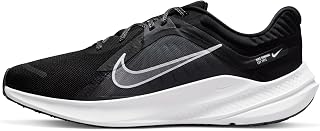


Choosing women’s running shoes in 2026 is about more than selecting a popular colour or the newest-looking silhouette. The right pair should match how you run, where you run, how frequently you train, your preferred level of cushioning, and the fit of your feet. For shoppers in India, climate, road surfaces, monsoon conditions, commuting habits and the availability of replacement options can also influence the decision.
This guide expands the buying considerations behind the latest women’s running shoe trends, helping you compare cushioning systems, upper materials, stability features, outsole construction, heel-to-toe geometry, fit and intended use before purchasing. Brands such as ASICS, Nike, Adidas, New Balance, Brooks, Saucony, Puma and Reebok offer different approaches to everyday running, training and performance-oriented footwear, but the best choice depends on the individual rather than the logo.
The women’s running shoe market continues to move toward shoes that combine running performance with everyday versatility. Instead of separating training footwear from casual athletic footwear completely, many current designs use technical cushioning, breathable uppers and streamlined profiles that can work for workouts, walking and daily use.
The most important buying decision is not whether a shoe is currently fashionable. It is whether the shoe suits your intended activity and feels secure and comfortable on your feet. A highly cushioned model may be excellent for one runner and unnecessarily soft for another.
Road-running shoes are the most practical choice for people who primarily run on paved roads, footpaths, tracks and other relatively firm surfaces. Their outsole and midsole geometry are generally designed around predictable contact with hard ground.
If your routine includes parks, compact dirt paths or mixed terrain, consider how frequently you leave paved surfaces. Occasional light trail use does not automatically require an aggressive trail shoe, while regular running over loose, rocky or muddy terrain calls for footwear designed specifically for that environment.
A shoe for occasional jogging can be selected differently from a pair used for structured training several days a week. Frequent runners should pay closer attention to midsole feel, outsole durability, upper construction and overall comfort because small fit problems can become increasingly noticeable as training volume rises.
Cushioning is one of the most visible differences between modern running shoes. However, maximum softness is not automatically the ideal choice. The preferred ride depends on body comfort, running style, pace, distance and personal preference.
Soft midsoles can provide a comfortable, forgiving sensation underfoot. They may appeal to runners who prefer a plush ride for easy runs and longer sessions. The trade-off can be a less direct or less responsive sensation, depending on the shoe.
Many everyday running shoes target a middle ground between protection and responsiveness. This category is often useful for runners who want one pair that can handle easy runs, moderate workouts and general fitness activities.
A firmer or more responsive midsole can create a more direct sensation during faster running. It may appeal to runners who dislike excessive compression underfoot and prefer a quicker transition from landing to toe-off.
High-stack running shoes provide substantial material between the foot and the road. These designs can be attractive for runners prioritising comfort and impact protection, but their larger profile may feel less nimble than a lightweight trainer.
Stability should not be treated as a simple ranking where more support automatically means a better shoe. Stability is about how confidently the foot and shoe work together through the running stride.
Some modern shoes achieve stability through a broad platform, structured geometry, sidewall shaping, firmer foam placement or carefully designed guidance features. Others use more traditional support structures. The right approach depends on the runner and the shoe’s fit.
If you have previously been comfortable in neutral running shoes, there is no reason to choose a heavily structured model simply because it is labelled as more supportive. Conversely, runners who routinely feel unstable in neutral shoes may benefit from comparing stability-focused alternatives.
A women’s running shoe should not be selected solely because the manufacturer markets it specifically for women. The important considerations are the actual dimensions, shape and fit of the shoe.
Pay attention to heel security, midfoot hold, toe-box space and overall width. Some runners need additional forefoot room, while others prefer a closer-fitting upper. Feet also expand slightly during activity, making an extremely tight fit particularly uncomfortable during longer runs.
The heel should feel secure without excessive pressure. If the heel repeatedly lifts during walking or running, the shoe may have an unsuitable heel shape, an incorrect size or insufficient adjustment.
The upper should hold the foot securely without creating uncomfortable pressure across the arch or instep. Lacing systems can provide useful adjustment, but they cannot completely compensate for a fundamentally unsuitable shoe shape.
Your toes should have enough room to spread naturally without the foot sliding excessively inside the shoe. A shoe that feels perfect while standing still can become uncomfortable when the feet swell during a longer run.
Running shoes generally need a little more functional space than tightly fitted casual footwear. Your toes should not be pressed against the front of the shoe, especially when running downhill or during longer sessions.
At the same time, excessive space can allow the foot to slide forward and may reduce stability. The goal is a secure heel and midfoot combined with adequate forefoot room.
When buying online in India, compare the manufacturer’s size chart with the foot-length measurement rather than relying exclusively on your usual footwear size. Sizing can differ between brands and even between different shoe models from the same brand.
India presents a wide range of running conditions, from hot and humid coastal environments to dry heat, cooler northern winters and heavy monsoon weather. The upper therefore deserves more attention than simply asking whether a shoe looks breathable.
Engineered mesh is widely used because it can provide airflow while maintaining targeted support. Different areas of the upper can use different densities or structures to balance ventilation and foot hold.
Knit constructions can offer a flexible, sock-like feel. However, flexibility should not come at the expense of secure lockdown. Consider the entire upper rather than choosing a shoe simply because the material feels soft.
Reinforced areas around the heel, eyestay or midfoot can improve structure and durability. These additions can be useful where a highly flexible mesh alone would not provide enough support.
Water-resistant construction can be useful in certain conditions, but water resistance and waterproofing are not interchangeable. A shoe that sheds light rain may not keep feet dry during prolonged exposure to heavy rain or standing water.
The outsole is the part of the shoe that repeatedly interacts with the ground, so its rubber placement and compound can influence grip, durability and ride characteristics.
Do not judge durability by outsole appearance alone. Running frequency, body weight, stride mechanics, road texture, weather and pace can all influence how quickly footwear wears.
Heel-to-toe drop describes the difference in stack height between the heel and forefoot. It is not a simple measure of shoe quality and should not be treated as a universal indicator of comfort.
A higher-drop shoe can feel natural to runners accustomed to more heel elevation, while a lower-drop model may provide a different transition and forefoot sensation. Changes in drop can also alter how the shoe feels during a run, so runners switching significantly from their familiar geometry should allow time to adapt.
Stack height refers broadly to the amount of material between the foot and ground. High-stack designs can provide a substantial cushioning experience, while lower-profile shoes can offer a closer-to-the-ground sensation.
Stack height should be considered together with foam characteristics, platform width, shoe flexibility and geometry. Two shoes with similar stack heights can feel completely different because their midsoles and construction are different.
Running shoe manufacturers use different foam formulations and construction methods to tune softness, resilience, weight and durability. Brand terminology can make these technologies sound highly specialised, but shoppers should focus on how the foam changes the practical ride.
Popular proprietary technologies from brands such as Nike, Adidas, ASICS, New Balance, Brooks and Saucony can differ considerably. Compare the shoe’s complete specifications and intended purpose rather than assuming one branded foam technology is automatically superior.
One of the easiest ways to narrow the selection is to identify the role the shoe will perform.
A daily trainer is usually the most versatile category. It is intended for regular running and often balances cushioning, stability, durability and comfort. For shoppers who want one principal pair, this category is frequently the most practical starting point.
Lightweight models are designed to feel faster and less cumbersome. They may work particularly well for tempo sessions, intervals or runners who simply prefer a more agile ride.
Race-oriented footwear typically prioritises weight, propulsion and speed-focused geometry. Some models use advanced plates or highly responsive foams. They can be highly specialised and are not necessarily the most comfortable choice for everyday walking or casual use.
Running and walking create different movement patterns, so footwear designed primarily for running may not feel identical to a dedicated walking shoe. Running shoes generally account for higher impact forces and a more dynamic transition through the stride.
If your main activity is brisk walking, occasional jogging and everyday use, a comfortable daily running shoe can be a versatile option. If your primary activity involves extended walking, compare flexibility, heel comfort, weight and fit specifically for that purpose.
A highly cushioned running shoe is not necessarily ideal for every gym exercise. Running shoes are optimised for forward movement, while strength training can benefit from a stable platform with less compressible cushioning.
If your routine combines treadmill running with weight training, consider what you do most often. A versatile trainer may be a better compromise than a specialised high-stack running shoe if you regularly perform squats, lunges and other exercises requiring a stable base.
Treadmill running provides a relatively predictable surface, so aggressive outdoor traction is generally less important than comfort, cushioning and secure fit. A road-running shoe can work well for many treadmill sessions.
Because indoor workouts can become warm, ventilation may be particularly useful. Lightweight uppers and breathable materials can make a noticeable difference during longer indoor sessions.
Monsoon running introduces practical concerns that are easy to overlook when comparing shoes based only on cushioning. Wet roads can reduce traction, while puddles and damp conditions can increase drying time.
In hot weather, ventilation can become as important as cushioning. A breathable upper can allow more airflow around the foot, potentially improving comfort during warm-weather sessions.
However, maximum ventilation is not always the only objective. A completely open upper may provide less protection from dust or debris, while a highly structured upper can provide better containment. Look for the balance that matches your environment.
Colour, shape and fashion trends can influence a purchase, but visual appeal cannot reveal whether the shoe fits your heel or provides the ride you prefer.
Assuming every brand uses identical sizing is a common mistake. Measure your feet and consult the relevant size chart before ordering online.
Length is only one part of fit. A shoe can be long enough but still feel too narrow across the forefoot or midfoot.
More cushioning is not automatically more comfortable. Some runners prefer a firmer, more responsive platform.
A performance-oriented racing shoe may not be the most sensible choice for everyday running, walking and gym sessions.
A road shoe is not automatically suitable for technical trails. Likewise, an aggressive trail outsole may be unnecessary for someone who exclusively runs on paved roads.
A lower price does not make an unsuitable shoe a good purchase. Compare the shoe’s specifications, intended use, fit and condition before considering the discount.
When two models appear similar, compare them systematically rather than relying on brand reputation alone.
Product listings often contain technical information that can be difficult to interpret. Understanding the terminology makes comparison easier.
Online shopping can provide access to a broad range of models, but the buyer has to compensate for not physically trying the shoes first.
Customer reviews can provide useful real-world information, but they should be interpreted carefully. One person’s ideal fit may be another person’s poor fit because foot shape and preferences differ.
Look for repeated themes rather than isolated comments. Recurring observations about sizing, width, heel slippage, cushioning feel, durability or upper breathability can be more useful than a single highly positive or negative review.
Also distinguish between reviews describing the product itself and complaints relating to delivery, packaging or retailer service. Those issues may not accurately describe the shoe’s performance.
Running shoes do not have a universal replacement date that applies to every runner. Instead, pay attention to changes in cushioning, outsole wear, upper damage and overall comfort.
Visual appearance alone is not a perfect indicator. A shoe can look acceptable while its cushioning characteristics have changed, while another shoe may show cosmetic wear without being functionally unsuitable.
Proper care can help preserve the materials and make it easier to identify when footwear needs replacement.
Runners who train frequently may find it practical to alternate between two pairs with different characteristics. For example, one pair might be a cushioned daily trainer while another is lighter and more responsive for faster sessions.
Rotation can also make it easier to select footwear according to the workout instead of forcing one shoe to perform every role. However, buying multiple pairs is not necessary for occasional runners; one well-fitting, versatile pair may be sufficient.
Several established brands offer women’s running shoes across different categories and price segments. When comparing them, focus on the individual model rather than assuming an entire brand produces the same type of ride.
The most expensive running shoe is not necessarily the best value for every runner. Value depends on how well the shoe matches your activity, how comfortable it is, how often you use it and how effectively its features serve your needs.
For a beginner, spending heavily on specialised race technology may be unnecessary if the shoe will mainly be used for walking and easy jogging. Conversely, a frequent runner may reasonably prioritise construction, cushioning and fit over the lowest available price.
When comparing deals, check whether the discount applies to the exact model and size you want. Older versions can sometimes offer useful value, but compare their specifications and condition rather than assuming every older model is equivalent to its successor.
A previous-generation running shoe is not automatically a poor purchase. Manufacturers often retain successful designs across multiple seasons, and an older model may provide good value when its fit and characteristics match your requirements.
Before choosing an older version, compare the outsole, upper, midsole formulation, geometry and intended use with the current model. Also check the retailer’s return policy and ensure the product is new and appropriately stored.
Beginners generally do not need the most technically advanced running shoe available. Comfort, secure fit, sensible cushioning and appropriate surface compatibility are better starting points.
A versatile daily trainer can be a practical first purchase because it can accommodate walking, easy jogging and gradual increases in running. As training becomes more structured, you can decide whether you actually need a lighter, more responsive or more specialised shoe.
For longer runs, comfort becomes increasingly important. Consider cushioning, heel security, forefoot room, breathability and the shoe’s overall ride. A shoe that feels excellent for a short test may not remain comfortable several hours into an extended session.
Do not make a major footwear change immediately before an important long run or race. If you are transitioning to a substantially different geometry or cushioning system, give yourself sufficient opportunity to determine whether it suits you.
Speed sessions can benefit from a lighter and more responsive shoe, although individual preference remains important. A highly cushioned daily trainer may feel less agile, while an extremely minimal or aggressive racing shoe may be unnecessarily specialised.
Compare weight, responsiveness, flexibility, transition characteristics and stability. If the shoe incorporates a plate or other propulsion-focused component, understand that its ride can feel substantially different from a conventional trainer.
If you consistently prefer the feeling of additional guidance or have previously found stability-oriented shoes more comfortable, compare models designed for that purpose. However, labels alone should not determine the choice.
Fit remains essential. A poorly fitting stability shoe is unlikely to become comfortable simply because it contains more support features. If you have persistent pain or recurring running injuries, footwear selection should not be treated as a substitute for professional assessment.
Rather than comparing dozens of products simultaneously, narrow the market in stages. First decide the primary activity. Then identify the preferred cushioning level and fit. Finally compare construction, specifications, current retailer pricing and customer feedback.
A useful shortlist might contain three to five models rather than ten nearly identical options. For each model, record the intended use, cushioning character, stability approach, weight if available, drop, upper construction, outsole design, size availability and current price. This makes differences easier to see and reduces the temptation to choose based solely on marketing language.
There is no single best model for every runner. The right choice depends on your running surface, foot shape, preferred cushioning, stability requirements, training frequency and budget. Compare current models from established brands such as ASICS, Nike, Adidas, New Balance, Brooks, Saucony, Puma and Reebok according to these criteria.
No. Higher-priced shoes may include advanced materials or specialised performance features, but those features are not automatically beneficial for every runner. A well-fitting daily trainer can be better value if it matches your actual needs.
Measure both feet and compare the measurements with the manufacturer’s current size chart. Do not rely entirely on the size you usually wear in casual footwear because sizing and shoe shape can vary between brands and models.
They should feel secure but should not create painful pressure. The heel and midfoot should remain comfortably held while the toes should have adequate room to move.
Not necessarily. Lightweight shoes can feel agile and responsive, but a heavier shoe may offer characteristics you prefer for comfort, stability or longer runs. Choose based on intended use rather than weight alone.
They can be, provided the cushioning and geometry feel comfortable and stable to the individual. Maximum cushioning is not a requirement for beginners, however, and a balanced daily trainer may be equally practical.
Some women may find a men’s model comfortable, particularly when its width and overall shape match their feet. The important considerations are actual fit, dimensions and comfort rather than the gender label alone.
Many running shoes can be used comfortably for walking, especially versatile daily trainers. If walking is your primary activity, compare the shoe specifically for walking comfort, flexibility, weight and fit.
They can work well for treadmill workouts and some general fitness activities. For heavy strength training, however, a more stable platform may be preferable to a highly soft or tall running shoe.
Breathable mesh can be particularly useful in warm conditions because it can improve airflow around the foot. However, mesh is not automatically waterproof, and the ideal upper depends on your climate and typical running conditions.
There is no universal replacement interval that applies to everyone. Monitor outsole wear, midsole compression, upper damage and changes in comfort or stability. Training frequency and running conditions have a major influence on footwear lifespan.
It can influence how a shoe feels and how the foot transitions through the stride. The most suitable drop depends on what feels comfortable and what geometry you are accustomed to.
Not automatically. A current model may introduce useful updates, but a previous-generation shoe can still be a sensible choice when its fit and specifications meet your needs. Compare the actual changes before paying more for the newest version.
The strongest way to choose women’s running shoes in India is to work backwards from your real running routine. Identify the surface, frequency, distance, pace and secondary activities first. Then compare cushioning, stability, fit, upper breathability, outsole design, weight and geometry.
For most shoppers, comfort and fit should remain higher priorities than fashionable styling or a long list of proprietary technologies. A shoe that fits securely, feels appropriate underfoot and suits your regular environment is more useful than a technically impressive model that does not match your feet or training.
Before purchasing, compare current specifications from the manufacturer and trusted retailers, check the exact model and size, read verified customer feedback for recurring fit observations, and review the retailer’s latest return or exchange terms. Prices, colours, stock and available sizes can change, so verify those details at the time of purchase.
Use the latest 2026 running shoe trends as a starting point rather than a substitute for individual fit. The best women’s running shoe is ultimately the one that aligns with your feet, your running goals, your local conditions and the way you actually train.