

♥ Wishlist
Compare 52 verified Men Running Shoes for Comfortable Everyday Runs products in India. Reviews, ratings, pros, cons and buying advice updated for October 2026.


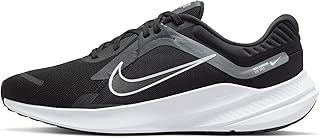


Choosing a running shoe in 2026 is less about finding the most expensive model and more about matching cushioning, stability, fit, weight, durability and intended use. The latest men’s running shoes increasingly span several distinct categories, from highly cushioned daily trainers and lightweight tempo shoes to stability-focused designs and versatile road-running models that can handle everyday walking as well as regular training.
For Indian runners, the buying decision also needs to account for climate, road conditions, running surfaces, commuting habits and the practical realities of shopping online. A shoe that performs well on a smooth road may not be the ideal choice for uneven pavements, dusty paths or frequent mixed-use wear. Likewise, a soft and heavily cushioned shoe is not automatically the best option for every runner.
This 2026 buying guide focuses on the factors that matter when comparing men’s running shoes in India. Brands such as ASICS, Nike, Adidas, New Balance, Brooks, Saucony, Puma, Reebok and Skechers offer different approaches to cushioning, geometry, upper construction and ride characteristics. The right choice depends on how, where and how often you run.
The running-shoe market continues to move toward more specialized designs. Instead of treating every running shoe as an interchangeable product, shoppers can now compare shoes according to training purpose, cushioning level, stability needs and running style.
The best running shoe is the one that suits your individual requirements rather than the one with the longest specification sheet. Before comparing individual models, establish what type of running you actually do.
Most recreational runners in India encounter a mixture of surfaces. Roads, concrete footpaths, paved parks, tracks and compact paths can all feel different underfoot.
A person running a few kilometres several times per week has different footwear requirements from someone preparing for a half marathon or marathon. Higher weekly mileage makes comfort, durability and consistent fit increasingly important.
If your running volume is modest, you may benefit from a versatile daily trainer. If you train frequently, having separate shoes for easy mileage and faster workouts can eventually make sense, although a single versatile shoe is often sufficient for recreational runners.
Cushioning is one of the easiest characteristics to notice when trying on a running shoe, but softer is not automatically better. Excessively soft foam can feel comfortable while standing but may not provide the ride characteristics you prefer during faster running.
Heel-to-toe drop refers to the difference in midsole height between the heel and forefoot. It can influence how the shoe feels through the stride, although drop should not be treated as a simple indicator of whether a shoe is better or worse.
Runners accustomed to traditional higher-drop shoes may find a sudden change to a much lower-drop design unfamiliar. Conversely, some runners prefer a lower-drop geometry. The practical rule is to consider what feels comfortable and consistent for your existing running style rather than changing dramatically simply because a particular specification is fashionable.
A shoe can be the correct length and still be the wrong fit. Forefoot width, midfoot volume, heel security and toe-box shape all influence comfort.
One of the most common purchasing mistakes is treating every running shoe as a daily trainer. Different categories are optimized for different purposes.
Daily trainers are generally the most practical category for recreational runners. They prioritize versatility, durability and comfort. If you want one pair for regular runs, occasional longer sessions and everyday walking, this is usually the category worth exploring first.
Tempo-oriented footwear tends to emphasize a lighter build and a more responsive ride. These shoes can be attractive for intervals, progression runs and faster training, but their design priorities may not make them the ideal choice for every easy run.
Performance racing shoes are designed around speed and efficiency. They may use advanced foam formulations, rigid elements or aggressive geometry. Such features can be useful for experienced runners pursuing specific performance goals, but they are not mandatory for ordinary fitness running.
Stability shoes are intended to provide additional guidance and structure. Modern designs can achieve this through broader platforms, shaped foam, geometry and other construction techniques rather than relying solely on obvious rigid support.
Trail shoes are built for uneven surfaces and often use more protective uppers and outsoles with deeper or more aggressive tread. A road shoe may be perfectly comfortable on pavement but is not necessarily appropriate for loose gravel, wet trails, mud or rocky terrain.
The midsole is central to the feel of a running shoe. Different foam formulations can produce very different combinations of softness, responsiveness, resilience and weight.
When comparing shoes, do not focus solely on marketing terminology. Consider how the entire shoe is constructed and whether its ride characteristics suit your training. Two shoes can use different foam names but provide a broadly similar experience, while shoes from the same brand can feel substantially different.
Stack height describes how much material sits between the foot and the ground. A taller stack can provide a substantial underfoot sensation, while a lower profile may feel closer to the ground.
Stack height should be evaluated together with foam density, geometry, stability and shoe weight. Looking at one number in isolation rarely tells the complete story.
The outsole is particularly important for runners using hard roads and frequently exposed urban surfaces. Look for coverage in high-wear areas and consider the type of surface on which you normally run.
Outsole durability is difficult to predict solely from photographs. Before purchasing, compare manufacturer specifications where available and examine verified customer feedback for recurring comments about wear. Avoid treating a single review as definitive evidence.
Modern running shoes frequently use engineered mesh or other lightweight textile materials. The upper should balance breathability, structure and secure foot hold.
In hot and humid conditions, ventilation becomes particularly relevant. However, maximum airflow is not the only consideration. A very open upper that fails to secure the foot can create movement inside the shoe, while an overly structured upper may feel restrictive.
The heel counter helps maintain rear-foot security. A comfortable heel fit is especially important because repeated movement inside the shoe can become distracting during longer runs.
A well-designed tongue can improve comfort and distribute lace pressure. Traditional lacing remains versatile because runners can adjust tension according to foot shape. Some shoes also provide additional eyelets for a more secure heel fit.
India's climate varies considerably between regions, but many runners regularly deal with heat, humidity and sweating. For warm-weather road running, a breathable upper can make the shoe feel more comfortable over the course of a session.
However, breathability should be considered alongside durability and protection. A very lightweight mesh may provide excellent airflow but can offer less protection against dust, debris or rough urban surfaces. The ideal balance depends on where and when you run.
For summer training, prioritize a secure but breathable upper, moisture-managing materials, an outsole suitable for your running surface and cushioning that remains comfortable over the intended distance.
Monsoon running creates a different set of challenges. Wet roads, puddles, mud and slippery surfaces can affect traction and shoe longevity.
Water-resistant construction can help in certain situations, but it does not make a conventional running shoe completely waterproof. A waterproof or highly water-resistant design can also reduce breathability, so the appropriate choice depends on the environment rather than the label alone.
If you regularly run through wet conditions, outsole traction deserves particular attention. Examine the outsole pattern and look for consistent customer feedback about grip on wet surfaces. Avoid assuming that an expensive shoe automatically provides better wet-road traction.
Beginners generally do not need an expensive racing shoe or the most technologically elaborate model. A comfortable, versatile daily trainer with a secure fit is usually a more sensible starting point.
Longer runs amplify small fit problems. A minor pressure point that feels insignificant during a short jog can become uncomfortable after an hour or more.
For long-distance training, evaluate cushioning, upper comfort, heel security, forefoot space and overall weight. Runners who regularly cover longer distances may also value a smooth transition through the stride and an outsole that can withstand frequent use.
Do not select a long-distance shoe exclusively on the basis of maximum cushioning. Some runners prefer a balanced ride because it feels more predictable and stable throughout a longer session.
If you need one pair for treadmill running, gym sessions and general fitness, look for a versatile model rather than a highly specialized racing shoe. A moderate stack, secure upper and stable platform can make a shoe useful across multiple activities.
However, dedicated strength training can involve movements that are not ideal for highly cushioned running shoes. If your workout includes heavy lifting or exercises where a stable connection with the floor matters, separate footwear can be advantageous.
Brand reputation can help narrow the search, but the brand name alone should never determine the purchase. Each major manufacturer offers multiple lines with different design objectives.
When two models appear similar, use a consistent comparison framework rather than relying on appearance.
There is no universally correct budget. Running shoes are available at multiple price levels, and a higher price can reflect advanced materials or construction without guaranteeing a better experience for every runner.
For a recreational runner, it can be more valuable to buy a well-fitting daily trainer at a sensible price than to spend significantly more on a highly specialized racing shoe whose features are unnecessary for the intended use.
When comparing prices in India, consider the current price rather than the manufacturer's suggested retail price alone. Seasonal promotions and retailer discounts can change the relative value between models. Always check the current specification, size availability and seller information before purchasing.
A premium shoe may make sense when its characteristics solve a specific problem or support a specific training goal. Examples include a runner seeking a lighter shoe for speed sessions, a person looking for a particular fit or someone who prefers a highly cushioned platform.
It is less sensible to pay extra simply because a product uses words such as premium, advanced, professional or performance in its marketing. Compare the actual construction and intended use.
Colour and styling are personal preferences, but appearance says very little about fit, ride or durability. A visually appealing shoe can still be uncomfortable for your foot.
Softness can be pleasant, but excessive softness is not automatically more comfortable during movement. Compare the overall ride rather than selecting the shoe with the thickest or softest-looking midsole.
Length is only one part of fit. If your toes feel compressed or your foot spills over the midsole platform, investigate a different width or shape.
A race-focused shoe can be impressive on paper, but its priorities may not align with everyday mileage. A durable daily trainer is often more practical for regular recreational running.
Cushioning is only one part of the shoe. Stability, geometry, fit, foam characteristics and outsole construction all contribute to the overall running experience.
Online footwear purchases carry fit uncertainty. Before ordering, review the retailer's current size-exchange, return and condition requirements. Policies can differ significantly between sellers.
One person's experience may not translate to another runner. When evaluating customer feedback, look for recurring patterns involving fit, durability, comfort and intended use rather than focusing on isolated praise or criticism.
Online shopping makes it particularly important to measure your feet rather than automatically selecting the size you usually wear in casual footwear. Different brands and models can fit differently.
Customer reviews can be useful when interpreted systematically. Instead of relying on the overall star rating, examine comments that answer practical questions.
A properly fitted running shoe should feel secure without feeling restrictive. Your heel should not move excessively, while your forefoot should have enough space for natural movement.
Try the shoes with your normal running socks. Walk around and, if permitted by the retailer's policy, test the fit in a clean indoor environment. Pay attention to pressure points rather than judging comfort from the first few seconds alone.
Neutral and stability categories are useful starting points, but modern running-shoe design is more nuanced than a simple label. Stability can be influenced by the width of the platform, foam arrangement, sidewalls and overall geometry.
If you already know that you prefer stability footwear, compare models within that category. If you have always been comfortable in neutral shoes, there may be little reason to switch solely because a stability shoe is marketed as more supportive.
There is no universal replacement mileage that applies to every runner and every shoe. Lifespan depends on body weight, running surface, training frequency, shoe construction, climate and individual gait.
Instead of following an arbitrary number, inspect the shoe regularly. Signs that a replacement may be appropriate include visibly compressed cushioning, significant outsole wear, damaged upper materials, reduced structural integrity or a noticeable change in comfort and ride.
Runners who train frequently can consider a two-shoe rotation. One comfortable daily trainer can handle easy mileage, while a lighter and more responsive shoe can be reserved for faster sessions.
A rotation is not necessary for everyone. If you run occasionally, one reliable pair may be simpler and more economical. The benefit becomes more relevant when your training includes different session types and you can justify the additional footwear.
A conventional daily trainer is usually the more versatile choice. It can cover regular runs, short workouts and casual walking without feeling excessively specialized.
A maximum-cushion model may appeal to runners who strongly prefer a substantial underfoot platform. Before purchasing, consider whether the added bulk and stack are compatible with your preferred pace and running environment.
Lightweight shoes can feel agile and responsive, especially during faster workouts. Cushioned shoes may emphasize comfort and protection during easy or longer sessions. Neither category is inherently superior.
For many recreational runners, a moderate-weight shoe with balanced cushioning provides the most practical compromise.
Many consumers want a running shoe that can also be used for walking, travel and daily errands. In that situation, prioritize comfort, outsole durability, breathable materials and a versatile design.
A dedicated racing shoe is usually an inefficient choice for this purpose. Its specialized geometry and lightweight construction may not provide the durability or everyday versatility that a general-purpose trainer offers.
Mesh is widely used because it can provide ventilation while keeping weight manageable. Different mesh constructions can vary considerably in structure and durability.
Reinforcement around the toe, midfoot or heel can improve structure, but excessive reinforcement can reduce flexibility or airflow. The ideal balance depends on the shoe's purpose.
Rubber placement affects traction and durability. Some performance shoes reduce rubber coverage to save weight, while everyday trainers may prioritize more extensive coverage.
Foam selection influences cushioning and responsiveness. The same broad category of foam can be tuned differently depending on density, geometry and construction.
Comfort is the result of multiple factors working together. A shoe with excellent cushioning can still feel uncomfortable if the upper is too narrow. Likewise, a lightweight shoe can feel excellent for one runner and unstable for another.
Durability depends on more than the outsole. Upper stitching, overlays, heel construction, midsole resilience and outsole rubber all contribute to how a shoe ages.
For heavy daily use, prioritize models with construction appropriate to your mileage. If you run mostly on abrasive roads, outsole coverage becomes particularly important. If you mainly use a treadmill, outsole demands can be different.
The best value is not necessarily the lowest price. A less expensive shoe that does not fit well or wears quickly can become poor value, while a moderately priced shoe that fits well and suits your training may provide better long-term utility.
Instead of immediately choosing the first highly rated product, create a shortlist of three to five models that meet your basic requirements. Then compare them using the same criteria.
Choose a comfortable, versatile daily trainer. There is little reason to prioritize specialized racing technology if you only run occasionally.
Look for a durable road-running shoe with balanced cushioning and a comfortable upper. This category usually benefits most from versatility.
Prioritize consistent comfort, secure fit, cushioning preference and outsole durability. Test your chosen footwear during training rather than introducing an unfamiliar shoe immediately before an important event.
Consider a lighter, more responsive model for dedicated faster sessions while retaining a durable daily trainer for easier mileage.
A lightweight or moderate-weight road shoe can work well. Since treadmill surfaces are relatively consistent, prioritize fit, comfort and ride characteristics.
Breathability and moisture management deserve additional attention. Look for an upper that holds the foot securely without creating unnecessary heat buildup.
A versatile daily trainer is generally more practical than a highly specialized performance model. Look for comfort and durable construction suitable for repeated everyday use.
Product specifications are useful, but they need context. Weight, drop, stack height and foam names can help compare shoes, yet none of these measurements independently determines whether a shoe will suit a particular runner.
Use specifications to narrow the field, then use fit, intended use and consistent customer feedback to make the final decision. Specifications can also change between generations, so verify the details for the exact model and version you are considering.
Running shoes are frequently updated. A newer generation may change the foam, upper, outsole, geometry or fit. A previous-generation model can still be an excellent choice, especially when it offers the characteristics you need at a lower current price.
However, never assume that two generations fit identically. If you are replacing an older pair with a newer version, compare current specifications and recent fit feedback rather than assuming the construction is unchanged.
Not necessarily. The newest model may introduce useful changes, but the previous version can sometimes be a better value if its design already matches your requirements.
For buyers focused on value, compare the newest release with the previous generation on cushioning, upper, outsole, weight, fit and current price. Choose based on the differences that matter to your running rather than simply choosing the latest release.
Discounts can make premium running shoes more accessible, but shoppers should verify exactly what is being offered. Compare the current selling price, model generation, size availability and seller information.
When comparing running shoes through Amazon India or other online retailers, treat the retailer listing as one part of the research process. Verify the model, size, seller information, specifications and current customer feedback before placing an order.
Product availability, prices, colours, sizes, seller details and promotional offers can change. A product that appears attractive today may have different availability later, so always verify current information at the time of purchase.
Dust, heat, humidity, rain and frequent outdoor use can affect footwear. Basic care can help preserve the upper and outsole.
The best option depends on your running surface, distance, preferred cushioning, fit, stability requirements and budget. A comfortable daily trainer is generally the most versatile starting point for recreational runners.
No. Price can reflect advanced materials or specialized construction, but a more expensive shoe is not automatically better for your feet or your training. Fit and intended use should come first.
There is no single best brand for every runner. ASICS, Nike, Adidas, New Balance, Brooks, Saucony, Puma, Reebok and Skechers all offer different models and fit characteristics. Compare individual shoes rather than selecting solely by brand.
A comfortable daily trainer with a secure fit, appropriate cushioning and sufficient durability is usually the most practical starting point.
They can be comfortable for runners who prefer substantial cushioning, but maximum cushioning is not universally better. Ride preference, stability, fit and shoe weight also matter.
Not automatically. Running shoes generally need enough room at the front for comfortable toe movement, but intentionally sizing up too much can cause the foot to slide. Use the manufacturer's size chart and evaluate both length and width.
There should be enough space for natural toe movement without allowing excessive forward and lateral movement. The exact amount depends on foot shape, shoe design and personal preference.
Wide shoes are better when your foot requires the additional space. They are not inherently better for everyone. The goal is to match the shoe's width and shape to your foot.
Yes. Many running shoes are comfortable for walking and everyday activities. However, if walking is your primary use, compare durability, comfort and outsole characteristics rather than paying extra for specialized running technology you will not use.
They can be suitable for treadmill and general fitness sessions. For exercises requiring a very stable connection with the floor, a dedicated training shoe may be more appropriate.
Lightweight shoes can feel quick and agile, but weight is only one factor. A slightly heavier shoe may provide cushioning, stability or durability that better suits your training.
It depends on your individual preference and running characteristics. If you already know that stability-oriented footwear works well for you, compare models in that category. Do not select a stability shoe solely because you assume every runner needs additional support.
Road-running shoes are generally designed for hard paved surfaces, making them a logical choice for urban road running. Choose outsole traction and durability according to the specific surfaces you encounter.
Look for a breathable upper, comfortable moisture management, appropriate cushioning and a durable outsole. The best choice still depends on fit and running style.
Water-resistant construction can be useful in some conditions, but waterproofing can affect breathability. For regular monsoon running, outsole traction and overall comfort are also important.
Yes, if the previous-generation shoe meets your needs and offers good current value. Compare its specifications, fit and current price with the newest version before deciding.
Compare intended use, fit, width, cushioning, weight, drop, outsole construction, stability, upper breathability and current customer feedback. Prioritize the factors most relevant to your running.
Replacement timing varies by runner and shoe. Monitor outsole wear, midsole compression, upper damage and changes in comfort or ride rather than relying on one fixed mileage figure.
Absolutely. A versatile daily trainer can cover most recreational running needs. A second pair becomes useful when your training includes distinctly different sessions such as frequent speed work and long easy runs.
Before purchasing men’s running shoes in India, use this checklist to avoid impulse decisions:
The latest men’s running shoe market in 2026 offers more choice than ever, but that does not mean choosing has to be complicated. Start with your actual running habits, then narrow the options according to surface, distance, cushioning, fit, stability and budget.
For most recreational runners, a comfortable and versatile daily trainer remains the most practical foundation. Runners with specific goals can then consider stability shoes, maximum-cushion models, lightweight tempo footwear or specialized racing shoes according to their training requirements.
When comparing ASICS, Nike, Adidas, New Balance, Brooks, Saucony, Puma, Reebok, Skechers and other established brands, focus on the individual model rather than the logo. Check the current specifications, read patterns in verified customer feedback, compare current prices and confirm the retailer's policies before purchasing.
Most importantly, choose the shoe that fits your foot and matches the way you actually run. The right running shoe is not necessarily the newest, most expensive or most heavily marketed model; it is the one whose fit, ride, durability and features make sense for your particular use.
Which direction should the next version prioritize: budget picks under ₹5,000, premium running shoes, or best shoes by running type?