

♥ Wishlist
Compare 48 verified Luxury Beauty Products for Premium Beauty & Personal Care products in India. Reviews, ratings, pros, cons and buying advice updated for October 2026.


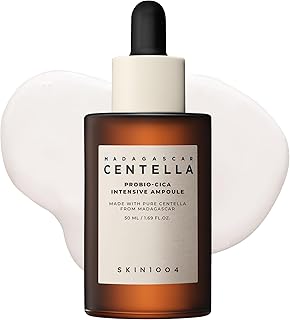


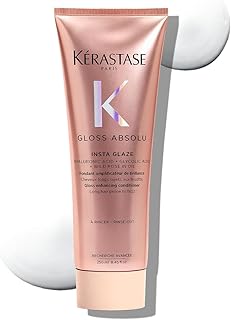


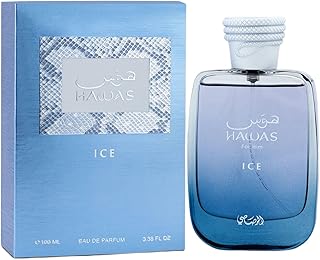


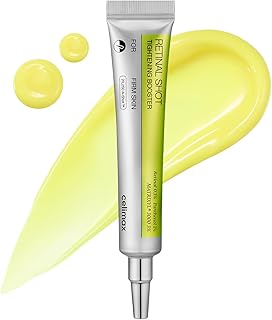


Luxury beauty in 2026 is no longer defined only by premium packaging or a prestigious brand name. The strongest luxury beauty trends combine refined formulations, sophisticated textures, considered application, elegant design and a clear purpose. For shoppers in India, the right choice also depends on climate, skin and hair needs, daily routines, occasion, ingredient preferences and the total cost of maintaining the product over time.
This guide is designed for comparing luxury beauty categories rather than treating every premium product as interchangeable. A high-priced serum, fragrance, foundation, hair styler or makeup product should be evaluated according to what it is designed to do, how often it will be used and whether its specifications justify the additional spend.
Luxury and premium are not synonymous with expensive. A product can command a high price because of its brand positioning, packaging, ingredients, technology, formulation complexity, presentation or distribution strategy. None of these factors automatically means it is the best choice for a particular shopper.
For a useful comparison, separate luxury appeal from functional value. Luxury appeal can include packaging, sensory experience, fragrance, texture, finish and brand heritage. Functional value is more closely related to suitability, performance characteristics, formulation, durability, ease of use and how well the product fits the intended routine.
This distinction is especially important when comparing premium beauty products in India. A product designed for a dry winter routine may not be ideal for humid conditions, while an intensive styling device may provide little value to someone who rarely styles their hair. Likewise, a highly concentrated complexion product may be unnecessary for someone who prefers sheer coverage.
First identify whether you are shopping for skincare, makeup, haircare, fragrance, body care or a beauty device. Each category requires different evaluation criteria. Ingredients and texture can dominate a skincare decision, while finish and shade compatibility matter more for complexion makeup. For hair tools, heat settings, attachments, ergonomics and operating requirements become much more important.
A luxury product should have a clear role in your routine. Ask whether it is intended for daily use, occasional use, professional-looking styling, special occasions, travel or a particular seasonal need. Products that are used frequently can justify a higher purchase consideration when their quality and suitability are strong, while occasional-use items deserve closer scrutiny of their actual utility.
Do not judge a beauty product solely by its product name or marketing description. Examine the ingredient list where applicable, size or quantity, shade range, finish, application method, included accessories, compatibility requirements and care instructions. For electronic beauty tools, look for technical information such as power requirements, heat or speed settings, attachments and operating features.
The purchase price alone does not tell the complete value story. A product used every day may have a different practical value from one used a few times a year. Cost per application, quantity required per use and expected frequency can help make premium products easier to compare on a like-for-like basis.
Luxury skincare increasingly spans cleansing, hydration, barrier care, targeted treatments and sun protection rather than simply promoting a long multi-step routine. Shoppers should concentrate on building a balanced routine instead of collecting products because they are positioned as exclusive or prestigious.
Skin-barrier-focused products are particularly relevant when a routine includes multiple active ingredients or when environmental conditions leave skin feeling dry, tight or uncomfortable. Look for formulas designed around moisturisation and skin comfort rather than assuming that a stronger or more complicated formula will always produce better results.
Luxury serums often occupy a premium position because of their formulation, texture, packaging and concentrated positioning. When comparing them, identify the intended purpose first. A hydrating serum, antioxidant-oriented product, exfoliating treatment and retinoid-based product serve different roles and should not be evaluated as identical alternatives.
A sophisticated moisturiser should be judged by texture, compatibility with the rest of the routine, skin type and climate. Rich creams can be appealing for dry skin or cooler conditions, while lighter emulsions and gel textures may be more comfortable for shoppers who dislike a heavy finish.
Premium positioning should never replace practical sun-protection considerations. Compare the stated protection level, formulation, finish, application comfort and suitability for regular use. A sunscreen that feels comfortable enough to apply consistently may be more useful than one chosen solely because of its prestige.
Complexion makeup continues to offer a wide spectrum between bare-looking skin and full coverage. When comparing luxury foundations, skin tints and complexion products, consider coverage, finish, undertone range, oxidation potential, application method and compatibility with your skincare routine.
Products designed to create a smoother-looking complexion can be useful for shoppers who want a polished appearance without an obviously heavy makeup layer. Compare the finish in relation to your skin type: an extremely matte product and a highly luminous product can produce very different results under India's varied lighting and climate conditions.
Luxury blush products can differ substantially in pigmentation, buildability and texture. Powder formulas may be convenient and familiar, while creams and liquids can create a more seamless appearance when applied carefully. Buildable pigmentation can be particularly useful if you prefer control rather than intense colour from the first application.
Lip products increasingly blur the boundary between makeup and comfort-focused beauty. Lip oils, nourishing balms, sheer stains, glosses and sophisticated satin finishes provide alternatives to traditional opaque lipstick. When comparing premium lip products, consider wear time, finish, pigmentation, comfort and how frequently reapplication is acceptable.
Haircare has become a major part of the luxury beauty conversation, particularly where premium formulas and styling technology overlap. A sensible purchase decision should consider both the condition of the hair and the styling routine rather than focusing only on the reputation of the manufacturer.
A healthy-looking hairstyle starts with an appropriate cleansing and conditioning routine. Premium scalp products can include specialised cleansers, exfoliating treatments and treatment-oriented formulas. However, shoppers should distinguish cosmetic haircare from products intended to address persistent scalp concerns that may require professional advice.
Bleaching, colouring, frequent heat styling and mechanical stress can change how hair feels and behaves. When comparing repair-focused shampoos, conditioners, masks and leave-in treatments, examine how they fit into the rest of your routine and whether the texture is appropriate for your hair type.
Luxury hair tools can differ in motor technology, temperature control, airflow, attachments and styling modes. Features matter more than appearance when comparing premium devices. A sophisticated tool should be selected according to the hairstyle you actually create, not simply the number of accessories included.
For a hair dryer, consider airflow, heat and speed controls, attachments, weight, cable length, ergonomics and cleaning requirements. For a multi-styler, evaluate which attachments are genuinely useful for your routine. More attachments do not necessarily mean greater value if most will remain unused.
Fragrance is one of the most personal areas of luxury beauty. A scent that works beautifully for one person can feel completely different on another person because fragrance develops according to skin chemistry, environment and application.
Rather than choosing a fragrance only by popularity, consider whether it fills a genuine role in your collection. A versatile daytime fragrance, an evening scent, a warm-weather composition and a richer cold-weather option can serve different purposes.
Learning basic fragrance families makes comparison easier. Floral, citrus, woody, amber, aromatic, gourmand and fresh compositions can have dramatically different personalities. Notes listed on a product page are useful reference points, but they should not be treated as a guarantee of how a fragrance will smell on your skin.
Fragrance is particularly difficult to buy purely from descriptions. If possible, sample the fragrance and allow it time to develop rather than judging only the initial spray. Consider the opening, development and dry-down, as well as projection and personal comfort.
Brand reputation can help shoppers establish a starting point, but it should not replace product-level comparison. Depending on the category, well-known names such as Estée Lauder, Lancôme, Clinique, Shiseido, Kiehl's, MAC, Bobbi Brown, NARS, Charlotte Tilbury, Huda Beauty, Giorgio Armani Beauty, YSL Beauty, Dior, Chanel, Jo Malone London, Kérastase and Dyson may appear in premium beauty shopping considerations.
The right brand depends heavily on the individual category. A company recognised for fragrance may not be the best reference point for hair tools, while a respected makeup brand may offer a stronger selection in complexion or colour cosmetics than in skincare. Compare the individual product's specifications, ingredients, shade or variant options and intended use rather than assuming every item from a luxury label will suit every shopper.
India encompasses substantially different climates, so a luxury beauty routine should not be selected using a single universal formula. Humidity, heat, dry conditions, pollution exposure, seasonal changes and indoor air conditioning can all affect how products feel and perform.
In humid weather, many shoppers prefer lighter skincare textures, comfortable complexion products and hair products that do not leave excessive residue. For makeup, longevity and transfer resistance may become important comparison factors. For skincare, texture and layering can matter as much as the headline ingredient.
During cooler or drier periods, richer moisturising textures may become more comfortable for some skin types. Hair can also feel different when environmental humidity changes. Adjusting product texture and layering rather than replacing an entire routine can sometimes be the more practical approach.
Frequent exposure to air-conditioned environments can influence how comfortable skincare and makeup feel. If products tend to leave skin feeling tight, evaluate the overall routine and layering rather than automatically purchasing a more expensive product.
Prioritise comfortable textures, moisturising support and products that do not leave the skin feeling stripped. Cream cleansers, richer moisturisers and hydrating complexion products may be worth considering depending on individual preference.
Look for textures that feel comfortable without unnecessary heaviness. Lightweight moisturisers and complexion products with an appropriate finish can be easier to incorporate into an oily-skin routine.
Combination skin often benefits from flexible layering. A lightweight base can be paired with targeted moisturisation where needed rather than applying the same rich texture uniformly across the face.
Read ingredient lists carefully and introduce unfamiliar products gradually. Fragrance, exfoliating ingredients and other formula components can be unsuitable for some individuals. Premium branding does not guarantee that a product will be compatible with sensitive skin.
A higher price does not establish universal superiority. Compare what the additional cost actually provides: formulation differences, materials, technology, design, accessories, usability or simply brand positioning.
Ingredient awareness is essential in skincare and haircare. If you already know that certain ingredients do not suit your routine, check the complete ingredient information before purchasing rather than relying on promotional claims.
A luxury foundation, concealer or colour cosmetic can be disappointing if the shade is unsuitable. Consider undertone, depth, finish and available shade options before committing to a complexion product.
Electronic beauty tools require additional scrutiny. Check voltage and plug requirements, included accessories, operating instructions, warranty terms provided by the relevant seller or manufacturer, and whether replacement accessories are available where applicable.
Social media visibility can make a product appear universally desirable, but beauty is highly individual. A product should be selected because its characteristics match your requirements, not simply because it is frequently featured online.
Adding multiple expensive products at once makes it difficult to determine which product is contributing to a particular result or irritation. A more disciplined routine can make product comparison easier and reduce unnecessary spending.
When evaluating luxury beauty products through Amazon India or another authorised retail channel, compare the exact product variant rather than relying on a brand-level search. Packaging can vary by size, shade, formulation, bundle or regional listing, so check the product name and specifications carefully.
Customer reviews can provide useful information, but the most valuable observations are usually specific and repeatable. Look for comments concerning texture, application, shade accuracy, fragrance, packaging, ease of use, durability and suitability for the reviewer's stated needs.
Do not treat an isolated positive or negative comment as definitive evidence. Beauty outcomes vary substantially by skin type, hair type, climate, technique and personal expectations. A large collection of detailed, relevant observations is generally more useful than focusing on a single rating.
Luxury beauty should be compared against the best practical alternative, not against an arbitrary low-cost product. Ask which characteristics you value most. If the difference is primarily packaging and sensory experience, an affordable alternative may offer stronger functional value. If the difference involves a formulation, shade range, texture, technology or design feature that you specifically need, the premium option may be easier to justify.
For affiliate shoppers, this comparison is especially useful because it prevents the buying guide from becoming a simple list of expensive products. The objective is to identify products that fit a defined requirement and explain why a shopper might reasonably choose one option over another.
Luxury beauty can make an appealing gift, but personal preferences should influence the category. Fragrance and complexion makeup can be difficult to buy for someone else without knowing their tastes, shade and preferred finishes. Body care, fragrance discovery sets, neutral makeup shades and premium beauty accessories may be easier depending on the recipient.
Travel changes the practical value of a beauty product. Large glass packaging, complicated routines and bulky styling equipment may be inconvenient even when they are excellent for home use.
For travel, compare container size, packaging durability, leakage risk, electrical compatibility, attachment storage and whether the product can realistically replace multiple routine steps. A compact product that performs one important function well may be more useful than a larger luxury item with numerous features.
When buying premium electronic beauty tools, technical specifications deserve as much attention as brand reputation.
Premium packaging can enhance the ownership experience, but it should be treated separately from product performance. For skincare and cosmetics, functional packaging can protect the formula and make dispensing easier. Pumps, tubes and appropriately designed containers can also reduce mess and simplify daily use.
For fragrance, the bottle can be an important part of the luxury experience, but bottle design should not become the primary reason for purchasing a scent. For beauty devices, a durable case and sensible accessory organisation can provide more practical value than decorative presentation.
A well-planned luxury routine does not need to contain a large number of products. Start with the essentials for the category, then add targeted products where a genuine need exists.
Ingredient comparison is particularly useful when several premium products appear similar. Instead of counting how many highlighted ingredients appear in a marketing description, look at the complete formula and understand the role the product is intended to play.
Packaging and product longevity are increasingly relevant to premium beauty purchases. When comparing similar products, consider whether the packaging is practical, whether containers can be used efficiently, whether accessories are likely to remain useful and whether the product can realistically be finished before expiration.
Claims relating to sustainability should be evaluated carefully and specifically. Look for clear information about packaging materials, refill formats or product design rather than assuming that premium positioning automatically indicates a more sustainable choice.
A useful test is to identify the product's strongest differentiator. If you cannot explain what you are paying extra for, reconsider the purchase. The premium may be justified by a specific formulation characteristic, superior usability, preferred shade or finish, distinctive fragrance, advanced technology or exceptional fit with your routine.
Ask yourself four practical questions: Will I use it regularly? Does it solve a genuine problem or fulfil a clear need? Is its premium feature important to me? Have I compared it with credible alternatives? If the answer to all four is yes, the product deserves closer consideration.
Major luxury beauty directions include skin-barrier-focused skincare, skin-like complexion products, premium haircare, advanced styling devices, modern fragrance wardrobes, elevated lip products and more personalised beauty routines. The most suitable trend depends on the individual's needs rather than popularity alone.
The best luxury beauty purchase is one that provides a meaningful benefit for your routine. Compare formulation, performance characteristics, usability, quantity, technical specifications and personal suitability rather than assuming that the most expensive product is automatically the best.
Not necessarily. Luxury products may offer particular advantages in formulation, texture, shade range, fragrance, technology, packaging or user experience, but those advantages vary by product. Compare premium products with credible alternatives before deciding whether the additional cost is worthwhile.
There is no single best formula for all of India. In hot and humid conditions, many shoppers may prefer lighter textures and makeup with suitable wear characteristics, while dry or cooler conditions can make richer moisturising textures more comfortable. Local climate and individual skin or hair needs should guide the decision.
Start with your skin type and primary objective. Compare the ingredient list, texture, intended use, compatibility with your existing routine and application instructions. Avoid adding several unfamiliar active products simultaneously.
Consider shade depth, undertone, coverage, finish, texture, wear expectations and compatibility with your skincare products. Where possible, test the shade under natural-looking light and allow enough time to assess how the complexion product looks after application.
They can be worthwhile when the technology and features address a genuine styling requirement. Compare power, heat control, airflow, attachments, weight, ergonomics, maintenance requirements and electrical compatibility rather than purchasing solely because the device is positioned as luxury.
Purchase through reputable retail channels, verify the exact product and seller information, inspect packaging and product details, and be cautious when an offer appears unusually attractive. For cosmetics, skincare and fragrance, check the product information carefully and follow the relevant manufacturer's guidance.
Online shopping can make comparison convenient, but fragrance is highly personal. If you have not smelled a fragrance previously, sampling it first can reduce the risk of choosing a scent that does not suit your preferences.
A useful buying guide should be reviewed regularly because product variants, formulations, specifications, retailer information and market availability can change. Current product details should always be checked at the time of purchase rather than relying solely on older editorial information.
The strongest approach to luxury beauty shopping is selective rather than excessive. Focus on the products that make a meaningful difference to your routine, compare specifications carefully and treat brand prestige as one consideration rather than the deciding factor.
Whether you are comparing premium skincare, luxury makeup, designer fragrance, advanced haircare or high-end beauty technology, the same principle applies: identify the intended benefit, evaluate the product's relevant specifications, consider your individual needs and compare credible alternatives before buying.
For 2026 shopping decisions, check the latest product information, current customer feedback, seller details, applicable return policies and warranty terms before placing an order. A carefully matched product can provide a better luxury experience than simply choosing the most expensive or most visible option.