
♥ Wishlist
Compare 62 verified Fashion Accessories Online in India products in India. Reviews, ratings, pros, cons and buying advice updated for October 2026.
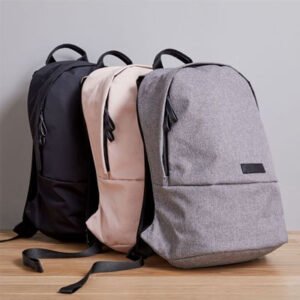
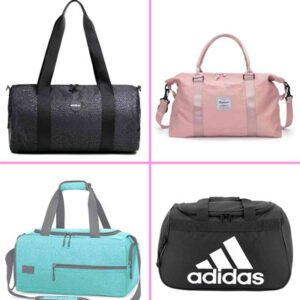
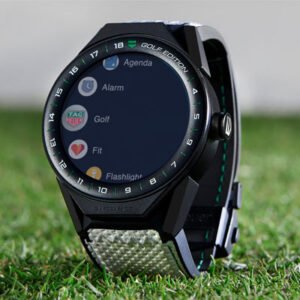




Accessories have become an important part of everyday fashion in India, but the most useful choices are not always the most eye-catching ones. In 2026, shoppers are increasingly balancing appearance with comfort, durability, versatility, material quality and practical value. A well-chosen accessory can update a familiar outfit without requiring an entirely new wardrobe.
This guide is designed for Indian shoppers comparing the latest accessories trends across everyday fashion, workwear, travel, occasions and casual styling. Instead of treating every trending item as equally useful, consider how often you will wear it, how well it works with your existing wardrobe, how easy it is to maintain and whether its construction justifies the asking price.
The accessories market covers a remarkably broad range of products, so a useful comparison should look beyond a single trend. Current choices can include handbags, wallets, watches, sunglasses, belts, jewellery, scarves, caps, hair accessories, footwear accessories and practical fashion additions.
The best accessory is not necessarily the one receiving the most attention on social media. A better purchase is one that fits your wardrobe, lifestyle and usage pattern. Before comparing products, identify the job the accessory needs to perform.
Decide whether the item is primarily for office wear, college, travel, weddings, festive occasions, casual outfits, parties or everyday use. A small decorative handbag may be ideal for an evening event but inconvenient for daily commuting. Similarly, a large tote can be practical for work but excessive for a short outing.
Versatility is particularly important when comparing fashion accessories. Neutral colours, restrained patterns and adaptable designs generally provide more opportunities for repeat use. If an accessory only complements one outfit, its practical value may be lower even if its appearance is appealing.
Material affects appearance, comfort, maintenance and expected durability. Depending on the product, shoppers may encounter genuine leather, synthetic leather, canvas, cotton, polyester, metal alloys, stainless steel, acetate, acrylic, glass and mixed-material construction.
Do not assume that a higher price automatically means better material. Compare the actual material description, construction details and care requirements rather than judging solely from photographs.
Stitching, seams, clasps, zippers, buckles, hinges, lining, strap attachment points and finishing can tell you considerably more about an accessory than a product photograph alone. For frequently used products, small construction details can have a major effect on convenience over time.
Dimensions are especially important for bags, wallets, watches, sunglasses cases and travel accessories. Check measurements rather than relying on photographs because images can make products appear larger or smaller than they actually are.
Leather can develop a distinctive appearance with use, but different leather types can vary substantially in texture, finish, thickness and maintenance requirements. Buyers should check the precise material description rather than assuming that every product labelled as leather has identical characteristics.
Synthetic leather can provide a leather-like appearance at different price points and is widely used in handbags, wallets, belts and other fashion products. Its performance depends heavily on the specific material and construction, so product specifications and customer feedback should be evaluated together.
Canvas and textile accessories can be lightweight and suitable for casual styling. They can work particularly well for totes, backpacks, caps and relaxed everyday accessories. Check whether the fabric is lined, how the seams are finished and what cleaning method the manufacturer recommends.
Metal is common in jewellery, watches, bag hardware, buckles and eyewear components. Look for clear material descriptions and consider whether the finish is appropriate for your expected usage. If you have known sensitivities to particular metals, check the composition before purchasing.
Handbags remain one of the most visible fashion accessories because they combine styling with genuine functionality. In 2026, shoppers can compare structured handbags, shoulder bags, crossbody designs, totes, mini bags, sling bags and occasion-specific clutches.
Structured silhouettes can create a polished appearance and work particularly well with office clothing, tailored outfits and smart-casual wardrobes. When comparing them, inspect internal compartments, handle construction, closure type and base stability.
Crossbody designs are useful when freedom of movement matters. They are often convenient for commuting, shopping and travel because the bag remains close to the body. Pay attention to strap adjustability, strap width, compartment arrangement and overall weight.
A tote can be a strong everyday choice for shoppers who carry notebooks, electronics, cosmetics or other larger essentials. However, a spacious bag is only useful if the handles and construction are appropriate for the intended load. Check dimensions and internal organisation before choosing based solely on appearance.
Mini bags can work well for occasions when you only need a phone, cards, keys and a few small essentials. Their major limitation is capacity. Always compare internal dimensions with the items you actually carry.
A wallet should be evaluated according to how you actually handle cards, cash and identification. A slim card holder may be preferable for digital-payment-heavy routines, while a traditional wallet can remain useful for shoppers who regularly carry notes, receipts and multiple cards.
Watches can function as both timekeeping devices and style accessories. Minimal dials, classic proportions, metallic finishes, leather-look straps and interchangeable strap systems can offer different styling possibilities.
An analogue watch can provide a traditional fashion statement, while digital watches may offer additional functionality depending on the design. The right choice depends on whether your priority is styling, convenience, features or a combination of these factors.
Leather and leather-look straps can suit formal and smart-casual outfits, while silicone and textile straps can be more appropriate for casual or active settings. Metal bracelets can provide a more substantial appearance but may add weight.
Case diameter, thickness and lug-to-lug proportions all influence how a watch appears on the wrist. A very large case can dominate a smaller wrist, while a compact case can look understated on a larger wrist. Consider proportions rather than following a trend blindly.
Sunglasses are both a fashion accessory and an item with an important functional purpose. When comparing sunglasses, do not select a pair solely because the frame looks fashionable.
Brands such as Ray-Ban, Fastrack, Titan and Polaroid are familiar names shoppers may encounter while comparing eyewear, but the individual model specifications should still be checked before purchasing.
Jewellery offers one of the easiest ways to change the character of an outfit. Current choices range from restrained everyday pieces to bold statement designs. The most useful buying decision often comes down to balancing styling preference with material information and expected frequency of wear.
Small chains, simple rings, delicate bracelets and understated earrings can work across multiple outfits. These pieces can be especially useful for shoppers who prefer accessories that transition from work to casual settings.
Large earrings, bold necklaces and visually distinctive bracelets can become the main focus of an outfit. They are particularly suited to festive clothing and special occasions, although their styling versatility may be lower than that of minimal pieces.
When purchasing jewellery for frequent use, examine the stated metal composition, plating information and care guidance. Avoid assuming that colour alone identifies the underlying material.
A belt can provide both function and visual structure. When selecting one, compare belt width, buckle size, hole spacing, material, edge finishing and the type of clothing with which you expect to wear it.
For a versatile wardrobe, a restrained buckle and neutral finish can complement more outfits than an elaborate design. For statement styling, a distinctive buckle or textured finish can deliberately become part of the outfit.
Accessories should also be selected according to India's varied climate. Lightweight and breathable materials can be more practical in warmer conditions, while warmer textiles can become useful during cooler periods.
Scarves can add colour, texture or layering without substantially changing an outfit. Caps can complement casual wardrobes, while seasonal headwear can provide additional coverage when appropriate. Consider fabric weight, breathability, adjustability and care instructions before buying.
Choose accessories that look polished without becoming distracting. Structured bags, understated watches, classic belts and restrained jewellery can work well with formal or business-casual clothing.
Casual wardrobes provide more room for experimentation. Crossbody bags, caps, canvas accessories, casual watches and layered jewellery can introduce personality without requiring a complete change of clothing.
Festive outfits can accommodate richer textures, metallic finishes, statement jewellery and more decorative accessories. The important consideration is balance. If the clothing already contains substantial embroidery or embellishment, an overly elaborate accessory may compete with it.
For weddings and formal events, consider colour coordination, proportions and the overall visual weight of the outfit. Occasion accessories can be more decorative than everyday pieces, but comfort remains important when an event involves several hours of standing, walking or socialising.
Travel accessories should prioritise security, comfort, compactness and easy organisation. Crossbody bags, lightweight wallets, practical sunglasses and versatile scarves can be more useful than delicate accessories that require careful handling.
Product specifications are particularly valuable when shopping online because photographs cannot communicate every physical characteristic. Compare the following details wherever they are provided:
Customer reviews can provide useful information, but they should be interpreted rather than counted blindly. A large number of positive reviews does not automatically mean that a product is suitable for your needs.
Look for recurring comments about the specific characteristics that matter to you. For a bag, that might mean zipper quality, strap comfort, capacity or internal organisation. For sunglasses, it could involve fit and frame comfort. For jewellery, reviewers may discuss appearance, finishing and everyday wear.
Pay particular attention to recent reviews when product specifications, materials or manufacturing versions may have changed. Also distinguish between complaints about personal preference and genuine recurring construction issues.
Trends change quickly. If an item does not suit your wardrobe or lifestyle, its popularity does not make it a good purchase. Choose trends that complement your existing style rather than replacing practicality with novelty.
Online photographs can be deceptive. Always compare measurements with a familiar object or an existing accessory before purchasing.
An accessory that looks excellent but becomes uncomfortable after an hour may receive little real-world use. Consider weight, strap design, fit, edges, closures and materials.
Price can reflect brand positioning, design, materials and construction, but it is not a substitute for specifications. Compare what you are actually receiving.
Some accessories require careful storage, specialist cleaning or protection from moisture. Check the care requirements before purchasing an item you expect to use frequently.
A wardrobe can become less useful when it contains several accessories serving exactly the same purpose. Before buying, consider whether the new item adds a genuinely different colour, function, silhouette or occasion.
When two products appear similar, create a simple comparison based on the factors that matter most to you. A practical scoring framework can include material, construction, dimensions, comfort, versatility, maintenance, included features and overall value.
Brand familiarity can be useful, particularly when comparing established categories such as watches, eyewear and fashion accessories. Names shoppers may encounter include Titan, Fastrack, Hidesign, Lavie, Caprese, Baggit, Allen Solly, Tommy Hilfiger, Van Heusen, Fossil and Ray-Ban.
However, brand recognition should not replace model-level research. Different products from the same brand can use different materials, construction methods, dimensions and feature sets. Compare the specific product rather than assuming that every item from a recognised brand will meet the same standard.
Value is best understood as the relationship between useful features, construction, longevity, versatility and purchase cost. A lower-cost accessory can be excellent value if it performs its intended role reliably. A more expensive product may also be reasonable when its material, construction or functionality genuinely provides additional benefits.
Before deciding, ask whether you are paying for a useful improvement or simply a more prominent logo, unusual packaging or short-lived styling detail. For frequently used accessories, spending more on comfort and construction can make more sense than spending more solely for decoration.
Store bags in a dry environment away from excessive heat and moisture. Avoid overloading them beyond what the handles, straps and construction are designed to carry. Follow the manufacturer's cleaning recommendations for the specific material.
Keep leather away from unnecessary moisture and harsh cleaning products. Use only care products appropriate for the particular leather finish, and test any unfamiliar treatment according to the manufacturer's guidance.
Store jewellery separately where possible to reduce scratching and tangling. Avoid unnecessary exposure to perfumes, cosmetics, moisture and chemicals when the material or finish is susceptible to them.
Follow the manufacturer's water-resistance guidance rather than assuming that every watch can be exposed to water. Keep the watch clean and store it appropriately when not being worn.
Use both hands when removing sunglasses when practical, clean lenses with suitable materials and store them in a protective case rather than leaving them loose in a bag.
Budget should determine priorities rather than automatically determining the product category. At a lower budget, focus on clean construction, useful design and versatile colours. In the mid-range, compare improvements in material, hardware, finishing and organisation. At higher price points, carefully evaluate whether the additional cost provides meaningful improvements in craftsmanship, material quality, design or long-term usefulness.
Look for versatile accessories that work with multiple outfits. Avoid paying extra for features you will not use, and compare several products before deciding.
This category can offer a useful balance between appearance, construction and functionality. Compare specifications closely because seemingly similar products can differ significantly in materials and internal design.
At a higher price point, inspect construction and material details more carefully. A premium purchase should have a clear reason for its additional cost rather than relying solely on brand recognition.
A useful collection does not need dozens of pieces. Start with accessories that cover different functions and occasions. A neutral everyday bag, versatile wallet, classic watch, practical sunglasses, adaptable belt and a small selection of jewellery can provide a foundation for many outfits.
Once those essentials are covered, add trend-led pieces selectively. This approach makes it easier to experiment with 2026 fashion without accumulating accessories that quickly become difficult to style.
The best trend depends on your wardrobe and intended use. Structured bags, crossbody designs, minimalist watches, statement jewellery, classic sunglasses, textured belts and versatile seasonal accessories are all categories worth comparing.
Everyday usefulness usually comes from versatile products such as practical bags, wallets, watches, sunglasses and understated jewellery. Choose based on your routine rather than selecting an item simply because it is currently popular.
Consider climate, humidity, heat, monsoon conditions and how frequently the accessory will be exposed to moisture. Lightweight materials and easy-care construction can be useful in warmer conditions, while storage and moisture protection become particularly important during humid or rainy periods.
They can be worthwhile when the additional cost corresponds to better materials, construction, comfort, design or longevity. Compare specifications and construction rather than assuming a higher price automatically represents better value.
No. Trends are most useful when they complement your personal wardrobe. Select a few current styles that you can realistically wear repeatedly instead of purchasing items that have limited versatility.
Check material, dimensions, weight, construction details, product photographs, customer feedback, seller information, care requirements and the retailer's current return or warranty conditions where applicable.
Depending on the category, shoppers may encounter brands such as Titan, Fastrack, Hidesign, Lavie, Caprese, Baggit, Allen Solly, Van Heusen, Tommy Hilfiger, Fossil and Ray-Ban. Always compare the specifications of the individual model because product quality and features can differ within the same brand.
Consider how many outfits, occasions and seasons it can work with. Neutral colours, practical proportions and uncomplicated designs generally provide more styling combinations, while highly distinctive colours and shapes tend to serve a narrower purpose.
There is no universal replacement schedule. Replace an accessory when its construction, function, fit, appearance or condition no longer meets your needs. Well-maintained products may remain useful for substantially longer than trend-focused pieces.
The strongest accessory purchase is one that remains useful after the initial excitement of a trend has passed. Compare material, construction, dimensions, comfort, versatility and maintenance before considering aesthetic details alone. For online shopping in India, use product specifications and verified customer feedback as supporting evidence, and always check the current listing details before placing an order.
Whether you are looking for an everyday handbag, a practical wallet, a new watch, fashionable sunglasses, jewellery, a belt or another accessory, the goal should be the same: choose a product that fits your actual lifestyle, complements your existing wardrobe and offers a sensible balance of design and practical value.