

♥ Wishlist
Compare 60 verified Stylish Spectacles Frames for Women products in India. Reviews, ratings, pros, cons and buying advice updated for October 2026.


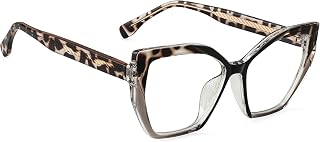


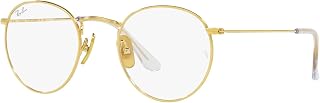


Choosing a new pair of spectacles is about more than finding a frame that looks fashionable. The right spectacles should balance face shape, lens requirements, comfort, durability, fit, personal style and the conditions in which you will wear them. For women shopping in India in 2026, the most useful approach is to compare frame construction and measurements alongside appearance rather than choosing solely from photographs.
The latest women's spectacle frame trends include understated everyday designs, slim metal silhouettes, transparent and translucent finishes, soft geometric shapes, oversized frames, classic rectangular profiles and retro-inspired styles. However, a fashionable shape is not automatically the best fit. A frame that looks attractive but is too wide, heavy or poorly positioned can become uncomfortable during extended wear.
This buying guide focuses on the practical details that matter when comparing the latest spectacles frames for women in India, including frame materials, dimensions, lens compatibility, face-shape considerations, comfort, durability, styling and common buying mistakes.
Current frame styling gives shoppers considerable choice between minimalist designs and more expressive silhouettes. Instead of one dominant shape, the market includes several wearable directions that can suit different wardrobes, face proportions and prescription requirements.
The best frame is the one that works with your prescription, measurements, lifestyle and personal preferences. A frame should not be selected purely because it is described as a trend. Consider the following factors before placing an order.
Frame width is one of the most important measurements to check. A frame that is substantially wider than the face may slide or look disproportionate, while a frame that is too narrow can create pressure around the temples.
When product specifications are available, compare the listed frame width with the dimensions of a pair you already find comfortable. This is generally more useful than relying on labels such as small, medium or large because sizing terminology can vary between manufacturers.
Lens height affects both appearance and practical lens requirements. Larger lenses can provide a more substantial visual presence, while shorter lenses can create a compact and contemporary appearance.
People with specific prescription needs should also consider whether the chosen lens shape and size are appropriate for their prescription. For higher prescriptions, professional optical advice can be particularly valuable because lens thickness and optical considerations can influence the most suitable frame.
The bridge is the part of the frame that rests across the nose. A suitable bridge should provide stable positioning without creating excessive pressure. If spectacles repeatedly slide down, the problem may be related to bridge fit, frame weight, nose shape or temple adjustment.
Adjustable nose pads can provide useful flexibility, particularly for metal frames. Integrated bridges found on many acetate frames can also be comfortable when their dimensions match the wearer correctly.
The temples should extend comfortably toward the ears without creating unnecessary pressure. If the temples are too short, they may pull the frame forward. If they are too long, the spectacles may not sit securely.
Whenever possible, compare the temple measurement with a pair you already own. This simple check can reduce the uncertainty involved in buying spectacles online.
Weight becomes increasingly important when spectacles are worn for many hours every day. A visually delicate frame is not necessarily lightweight, and a thicker frame is not necessarily uncomfortable. Material, lens size, hinges and construction all contribute to total weight.
For extended computer work, commuting, study or office use, comfort should generally take priority over a dramatic frame shape that feels cumbersome after several hours.
Face-shape recommendations should be treated as styling guidance rather than strict rules. Facial proportions vary considerably, and many people can wear several different frame shapes successfully.
Angular rectangular, square and softly geometric frames can introduce contrast against rounded facial features. A slightly wider frame can also create a more structured appearance, provided the overall width remains comfortable.
If you prefer a softer aesthetic, consider gentle rectangular shapes rather than extremely sharp corners. Medium-weight acetate can provide definition without looking overly severe.
Oval faces can work well with a broad range of shapes because the facial proportions are relatively versatile. Rectangular, round, geometric, cat-eye and classic wayfarer-inspired designs can all be considered.
The key consideration is proportion. Extremely oversized frames may dominate the face, while very narrow frames can appear visually undersized.
Round, oval and softly curved frames can create contrast with stronger jawlines and angular facial proportions. Rounded corners on rectangular frames are another practical choice for shoppers who want a modern rather than distinctly round look.
Frames with softer lower contours can complement a broader upper face and narrower chin. Oval, rounded and subtly upswept designs may work particularly well, although bridge and width measurements remain more important than the label attached to a face shape.
Frames with greater lens height can visually add balance to a longer face. Deeper rectangular, oval and larger rounded shapes may be worth comparing. Very narrow frames can sometimes make the face appear longer, so proportions should be considered carefully.
Material selection influences appearance, weight, flexibility, durability and maintenance. Two of the most common categories are acetate-based frames and metal frames, although construction varies substantially within each category.
Acetate frames are popular for shoppers who want colour, texture and stronger frame presence. They can be produced in solid colours, translucent finishes, tortoiseshell patterns and layered designs.
Metal frames are commonly associated with slimmer profiles and understated styling. Stainless steel, titanium and other metal constructions can differ considerably in weight, flexibility and corrosion resistance, so the specific material should be checked rather than assuming all metal frames perform identically.
Not every non-metal frame is made from the same material. Product descriptions may mention plastic, acetate, TR90-style materials or other polymers. These terms should not be treated as interchangeable.
Traditional plastic frames can provide affordability and a wide range of shapes. Acetate is valued for its finish and colour possibilities. TR90 and similar thermoplastic materials are often marketed around flexibility and lightweight construction, but shoppers should still examine the exact product specifications rather than assuming every frame using a particular material name has identical performance.
For online shopping, look for clear information about the material, frame dimensions, hinge construction and included accessories. Vague descriptions make meaningful comparison more difficult.
Colour should be considered alongside wardrobe, hair colour, makeup preferences and how frequently you want the spectacles to stand out.
Many spectacle frames display three numbers, commonly written in a format such as 52-18-140. The first number generally refers to lens width, the second to bridge width and the third to temple length, although exact presentation can vary by manufacturer.
These measurements are valuable when purchasing online because they allow a direct comparison with an existing comfortable pair. Do not assume that two frames with the same lens width will feel identical; lens shape, bridge design, temple construction and overall frame geometry also affect fit.
If a product listing does not provide dimensions, treat that lack of information as a reason to investigate further before purchasing, particularly when fit is a priority.
A frame can look ideal and still be unsuitable for a particular prescription. Before choosing spectacles, check whether the frame can accommodate your required lenses and whether the dimensions are appropriate.
Frame selection and lens selection should be considered together. The best-looking frame is not necessarily the best optical choice for every wearer.
The frame is only one part of a complete pair of spectacles. Lens options can have a significant effect on everyday usability and should be evaluated separately from frame fashion.
Anti-reflective coatings are designed to reduce reflections from lens surfaces. They can be worth considering for people who frequently use digital displays, drive at night or spend time under artificial lighting, although the value depends on individual needs and lens configuration.
Blue-light filtering is frequently marketed for computer and smartphone use. Shoppers should distinguish between a lens feature and a guarantee of reduced eye strain or improved sleep. Marketing claims can vary, so compare the actual lens specifications and discuss personal requirements with an eye-care professional.
UV protection is an important consideration for eyewear exposed to sunlight. Check the actual lens specification rather than assuming every clear prescription lens provides the same level of protection.
Higher-index lens materials may be considered when prescription strength makes lens thickness an important concern. Whether they are worthwhile depends on prescription, frame dimensions, lens design and budget.
For professional environments, versatile frames usually offer the greatest long-term value. Black, brown, tortoiseshell, transparent and restrained metal designs can work across business and smart-casual wardrobes.
Medium-sized rectangular frames are a practical starting point for shoppers who want a conventional appearance. Slim metal frames can create a more understated look, while softly geometric acetate frames can add personality without becoming excessively bold.
If you wear spectacles every working day, prioritise comfort, stable fit and durability over a short-lived trend. A frame that complements multiple outfits can also reduce the temptation to purchase several pairs simply because one design works only with particular clothing.
Casual eyewear allows more freedom with colour, shape and proportions. Transparent frames, rounded acetate, tortoiseshell patterns and contemporary geometric silhouettes can work particularly well with everyday clothing.
For people who wear one pair throughout most of the day, versatility remains important. Consider whether the frame works with traditional Indian clothing, Western casual outfits, office clothing and occasion wear before choosing an unusually distinctive design.
Travel and frequent commuting place additional demands on eyewear. A frame intended for regular movement should feel secure without excessive pressure and should be easy to store safely.
Brand reputation can be a useful starting point, but shoppers should still compare the specific frame rather than assuming every model from a recognised company will suit their needs. Depending on availability and product range, women shopping in India may encounter brands such as Titan Eye+, Fastrack, Vincent Chase, Lenskart Air, IDEE, John Jacobs, Ray-Ban, Vogue Eyewear, Tommy Hilfiger, Polaroid and Carrera.
Different brands can emphasise different aesthetics, materials and price segments. When comparing them, pay attention to frame dimensions, material, hinge construction, lens compatibility and the exact specifications of the model you are considering.
Online shopping makes it easy to compare hundreds of styles, but photographs can make fit difficult to judge. A structured comparison process can reduce the risk of choosing a frame that looks good on screen but does not suit you in person.
Studio photography can make frames appear larger, smaller, darker or more colourful than they look in normal lighting. Camera angle and model proportions can also affect how a frame appears.
Whenever available, use measurement diagrams and multiple product photographs rather than judging size from a single front-facing image. Customer photographs can sometimes provide additional visual context, but they should not replace the manufacturer's stated dimensions.
Fashion trends change quickly. A frame should still provide comfortable dimensions and suit your prescription even if its shape is currently popular.
Two frames that appear similar can fit very differently. Always compare numerical measurements when they are available.
Larger lenses and thicker materials can increase overall weight. If spectacles will be worn all day, this can become more important than the initial visual appeal.
Metal, acetate and other frame materials each have different characteristics. The quality of the individual construction matters more than choosing a material category in isolation.
A frame can have the correct overall width but still sit poorly if the bridge does not match the wearer's nose shape.
Fashion-oriented frames should not be selected independently from optical requirements. Prescription strength and lens type can influence suitable frame dimensions.
A high rating does not guarantee that a particular frame will fit your face. Look for useful customer feedback about measurements, comfort, finish, hinge quality and real-world sizing.
A properly fitted pair should sit securely without causing persistent pressure. The eyes should be reasonably centred within the lenses, the frame should not constantly slide down and the temples should not squeeze the sides of the head.
If a frame is close to fitting but requires minor adjustment, an optician may be able to improve the fit. Significant dimensional problems cannot always be corrected through adjustment, so choosing the right base size remains important.
Durability depends on construction, material, hinge design, daily handling and maintenance. Instead of assuming that an expensive-looking frame is durable, inspect the details provided by the manufacturer or retailer.
Regular maintenance can help keep frames comfortable and lenses clear. Spectacles should be handled by the temples rather than repeatedly gripping the lenses or forcing the frame into position.
Dust and grit can create tiny scratches when lenses are rubbed dry. A safer cleaning routine is to remove loose particles appropriately, use a lens-safe cleaning method and dry with a clean microfiber cloth. Follow the specific lens manufacturer's instructions if special coatings are present.
Household cleaners should not automatically be assumed to be safe for spectacle coatings. Avoid abrasive products and rough tissues unless the lens manufacturer specifically indicates that they are appropriate.
Minimalist frames are generally easier to integrate into a large wardrobe because they do not dominate the face. They can be particularly useful for people who wear spectacles at work and during formal occasions.
Statement frames work differently. A bold cat-eye, oversized acetate or brightly coloured geometric frame can function almost like an accessory. The advantage is stronger visual personality; the trade-off is that the frame may coordinate with fewer outfits.
If you are buying only one pair, versatility is usually the safer strategy. If you already have an everyday pair, a statement frame can provide a useful second style for occasions when you want more visual impact.
A recognisable brand can make product research easier because specifications, collections and design language may be more consistent, but the brand name alone does not determine whether a frame is right for you.
Compare the exact model's measurements, material, hinges, lens compatibility, included accessories and current customer feedback. A less prominent frame can sometimes be a better fit for a particular wearer than a premium-looking design that has unsuitable dimensions.
Value is not simply the lowest purchase price. For everyday spectacles, a useful value assessment considers how well the frame fits, how frequently it will be worn, how comfortable it remains over time, whether the construction suits the intended use and whether the lens configuration meets your requirements.
At the budget end, focus on accurate dimensions, acceptable construction and practical styling rather than decorative details. A straightforward frame with a reliable fit can be a better purchase than a heavily embellished design that provides limited everyday versatility.
Mid-range options can provide a broader choice of materials, finishes, hinges and shapes. Compare the actual construction carefully because price alone does not indicate superior comfort.
Premium frames may place greater emphasis on design, materials, finishing, brand identity or construction details. If considering a premium model, check whether those benefits are meaningful for your intended use rather than paying primarily for appearance.
Transparent and translucent frames remain a practical trend because their relatively subtle appearance can work with many colours and clothing styles. They can also be useful for shoppers who want a larger frame without creating the same visual weight as a dark acetate design.
However, transparency does not make a frame universally flattering. Frame width, lens shape and bridge position remain essential. Clear materials can also show fingerprints, makeup residue and surface marks more readily, making regular cleaning particularly useful.
Oversized frames can be fashionable, but size should be considered relative to facial proportions and prescription requirements. Excessively wide temples or a bridge that does not sit securely can make a large frame uncomfortable.
When shopping for oversized designs, pay particular attention to total width, lens height, bridge dimensions and weight. If the frame is intended for a strong prescription, professional optical advice is especially useful before choosing a very large lens area.
Not necessarily. Metal frames can offer slim styling and adjustable components, while acetate and other non-metal frames can provide different combinations of comfort, colour and durability. Daily-wear suitability depends on the specific construction and how well it fits the wearer.
Instead of asking whether metal or acetate is universally better, compare the exact frame's measurements, weight, hinge construction, bridge design and intended use.
Customer reviews can be useful when they contain specific observations rather than general praise. For spectacle frames, the most useful feedback often concerns actual sizing and everyday usability.
There is no single best frame for every woman. The right choice depends on facial proportions, prescription, frame measurements, comfort, material, budget and personal style. For a versatile everyday pair, compare medium-sized neutral or softly geometric frames first, then consider more distinctive designs if you want a stronger fashion statement.
Notable styles include transparent frames, slim metal designs, softly rectangular silhouettes, oversized frames, cat-eye shapes, rounded retro designs, bold acetate and neutral tortoiseshell finishes. Trends vary by brand and collection, so measurements and comfort should remain part of the selection process.
Yes, provided the frame fits correctly and its construction suits your use. Transparent and translucent colours are particularly versatile, although they may show fingerprints, makeup or surface marks more visibly than darker finishes.
Angular or softly rectangular frames can provide useful contrast with rounded facial proportions. The frame should still match your actual measurements, and a professional fitting can be helpful if you are uncertain about width or bridge placement.
Oval faces can accommodate many shapes, including rectangular, round, geometric and cat-eye designs. The most important consideration is keeping the frame proportionate to the face rather than selecting a shape solely because of a face-shape rule.
Oversized silhouettes remain an important fashion direction, but fashionable does not necessarily mean suitable for every prescription or face. Check width, lens height, bridge fit and overall weight before buying.
Comfort depends on the individual frame and wearer. Lightweight metal, acetate and flexible polymer-based constructions can all be comfortable when properly fitted. Compare actual weight, dimensions, bridge design and temple pressure instead of choosing material based on the label alone.
Compare the lens width, bridge width and temple length with a pair you already wear comfortably. Product measurements are generally more reliable than broad labels such as small, medium or large.
The frame should generally be proportionate to the face and should not create uncomfortable pressure at the temples. Slight differences can be acceptable depending on the design, but a substantially oversized or undersized frame may affect both appearance and fit.
No. Lens type, prescription strength, lens dimensions and frame geometry can affect compatibility. If you have a strong or complex prescription, consult an optician before selecting a fashion-oriented frame.
They can be worthwhile when the specific model provides the design, construction, fit and features you value. However, brand recognition alone should not replace comparison of measurements, material, construction and prescription compatibility.
There is no universal replacement schedule. Replacement may become appropriate when a frame is damaged, repeatedly loses alignment, no longer fits comfortably, or no longer meets your prescription and lifestyle needs. Regular optical checks can help determine when replacement is appropriate.
The strongest way to compare the latest spectacles frames for women in 2026 is to treat fashion as one part of the decision rather than the entire decision. Start with fit and prescription requirements, then compare material, construction, comfort, dimensions, colour and styling.
For a first or everyday pair, versatile colours and moderate proportions are generally easier to wear across different settings. If you already own dependable everyday spectacles, a cat-eye, oversized, geometric or boldly coloured frame can provide a more expressive second option.
Before purchasing, compare the exact model's current specifications, read detailed customer feedback, verify the frame measurements and consider professional optical advice where prescription or fit requirements are complex. Brands such as Titan Eye+, Fastrack, Vincent Chase, Lenskart Air, IDEE, John Jacobs, Ray-Ban, Vogue Eyewear, Tommy Hilfiger, Polaroid and Carrera can be useful names to include in a broader comparison, but the individual frame's specifications should ultimately guide the decision.
A good pair of women's spectacles should look right, feel comfortable and work reliably with the lenses you need. The most fashionable frame is only the best choice when those practical requirements are satisfied as well.