

♥ Wishlist
Compare 41 verified Women Gym Bags for Stylish and Convenient Workouts products in India. Reviews, ratings, pros, cons and buying advice updated for October 2026.


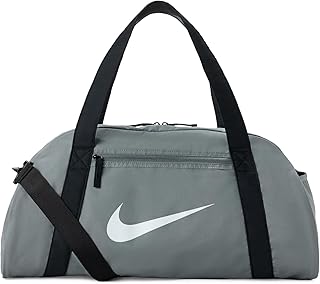


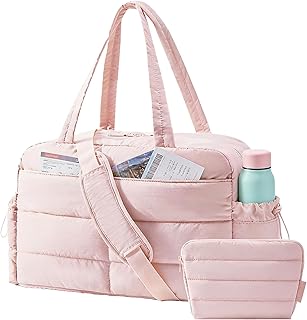


The best women’s gym bag is not necessarily the largest, most fashionable, or most expensive option. The right choice depends on how you travel to the gym, what you carry, whether you need a dedicated shoe compartment, how often the bag gets exposed to sweat or moisture, and whether it also needs to work for office, college, travel, or everyday use.
For shoppers in India, climate and commuting conditions are particularly important. A bag used during hot summers, monsoon commutes, public transport journeys, or two-wheeler rides needs different characteristics from a compact bag used only for indoor workouts. Before choosing from the featured options, compare capacity, fabric, compartments, handles, straps, closures, cleaning requirements, and overall construction rather than relying only on appearance or ratings.
Current gym-bag preferences are increasingly focused on versatility. Many shoppers want one bag that can move from workout sessions to work, short trips, or casual daily use. This has encouraged designs that combine sporty construction with cleaner silhouettes, practical organisation, and less obviously athletic styling.
Capacity should be determined by your daily load rather than by the bag's appearance. A compact bag may be enough for a phone, wallet, water bottle, small towel, resistance bands, and a change of clothing. Someone carrying shoes, toiletries, a larger towel, workout clothing, food, accessories, and work items will need substantially more usable space.
One common buying mistake is choosing a bag based on external dimensions while ignoring how the interior is divided. A highly compartmentalised bag can have less usable main-storage space than a simpler design of similar external size.
The outer material affects durability, weight, cleaning, appearance, and resistance to everyday moisture. Common materials include polyester, nylon, canvas, synthetic leather, and blends of different textiles.
Polyester is widely used for sports bags because it can provide a useful balance between weight, durability, cost, and ease of maintenance. Different polyester fabrics can vary considerably in thickness and construction, so the material name alone should not be treated as a complete quality assessment.
Nylon is valued for its strength-to-weight characteristics and is commonly found in lightweight athletic luggage. It can be a good option for commuters who want a durable bag without excessive bulk.
Canvas can offer a more casual or lifestyle-oriented appearance. It may appeal to shoppers who want a gym bag that does not look exclusively designed for sports. However, cleaning and moisture management should be considered carefully, especially if the bag will regularly hold damp clothing.
Synthetic leather can create a more polished appearance and may suit office-to-gym use. Its suitability depends on the specific material and construction. Buyers should check care instructions and avoid assuming that a leather-look finish automatically means superior durability.
These terms are often confused. A water-resistant bag may help protect belongings from light rain, splashes, or accidental spills, while a waterproof construction is designed to provide a substantially higher level of protection. Seams, zippers, closures, and construction methods matter as much as the fabric itself.
If you regularly commute by scooter, walk during monsoon weather, or live in a region with frequent heavy rainfall, inspect product specifications carefully. A water-resistant outer fabric does not guarantee that the entire bag is waterproof.
Shoes are among the messiest items to carry in a gym bag because their soles can collect dust, dirt, and moisture. A dedicated footwear compartment provides physical separation from clean clothes and other belongings.
However, a shoe compartment also takes up space. If you use lightweight training shoes or normally wear your gym shoes while travelling, the additional compartment may not be essential. Buyers who want maximum main-compartment capacity may prefer a simpler design with a separate shoe pouch.
A gym bag should make frequently used items easy to locate without turning the interior into a maze of small pockets. Look for an arrangement that reflects what you actually carry.
Zippers receive considerable stress because gym bags are frequently opened and closed while full. Examine whether the zipper path is practical, whether the opening is wide enough to access the main compartment, and whether the pulls are easy to operate.
Hardware such as buckles, hooks, D-rings, adjusters, and handle attachments also deserves attention. Reinforced attachment points are particularly important on bags that will regularly carry heavier loads.
A smooth-looking bag can still be inconvenient if its opening is narrow, its zipper catches easily, or its pockets are positioned where they are difficult to access while commuting.
Carrying comfort becomes more important as the bag gets heavier. A bag that feels comfortable when empty may become uncomfortable after adding shoes, a water bottle, clothing, toiletries, and work equipment.
When comparing backpack-style gym bags, pay attention to strap width, adjustment range, back-panel design, and how the load sits against the body. A fashionable design is less useful if the carrying system becomes uncomfortable during a longer commute.
Choose a design that can separate work essentials from gym clothing. A laptop sleeve, document compartment, shoe storage, and understated styling can make one bag more versatile. Brands such as American Tourister, Wildcraft, Nike, and Adidas offer product ranges that can be useful reference points when comparing different construction styles, although individual models should always be evaluated by their own specifications.
Students may prefer a lightweight backpack or larger multi-purpose bag that accommodates books, a laptop, sports clothing, and gym accessories. Organisation and comfort can be more important than having a dedicated athletic appearance.
If the bag is used several times each week, prioritise durable construction, easy cleaning, comfortable straps, dependable closures, and enough space to avoid overstuffing. A bag that is slightly larger but remains organised can be more practical than a compact design that constantly needs to be packed tightly.
Consider secure closures, manageable dimensions, comfortable carrying options, and materials that are easier to wipe clean. During monsoon months, additional rain protection may be useful because ordinary water-resistant fabric does not necessarily protect the contents during prolonged exposure to heavy rain.
Studio workouts often require a different combination of belongings than weight training. A slimmer tote, backpack, or medium duffel may be sufficient for clothing, a towel, bottle, mat accessories, and personal items. If you carry a yoga mat, check whether the bag has an integrated mat-carrying system or whether a separate strap will be required.
Wet clothing creates a different storage requirement. A washable or easily cleaned wet-item compartment can be more useful than additional cosmetic pockets. Make sure damp items can be isolated from dry belongings and that the bag can be cleaned according to the manufacturer's care instructions.
A stylish bag may look excellent online but become frustrating if it lacks the space or compartments you actually need. Start with your daily packing list and then choose a design that fits those requirements.
Extra capacity can encourage unnecessary packing and create an uncomfortable, bulky load. If you carry only a change of clothing, bottle, towel, shoes, and a few personal items, a massive duffel may not be the most practical choice.
Two bags with similar capacity can feel very different once fully packed. Check the listed product weight whenever the specification is available, particularly if you walk or use public transport.
Always distinguish between water-resistant, water-repellent, and waterproof claims. Also consider zipper and seam construction.
Gym bags encounter sweat, dust, cosmetics, food, and occasional moisture. A design that is difficult to clean may become inconvenient over time. Check whether the manufacturer recommends wiping, hand washing, spot cleaning, or another specific method.
Ratings can help identify popular products, but they do not replace specification checks. Read recent verified customer feedback for recurring comments about dimensions, stitching, zipper performance, strap comfort, actual colour, and storage layout.
When two products appear similar, use a structured comparison instead of choosing based on photographs alone.
Brand familiarity can be a useful starting point, but it should not replace model-level comparison. Depending on the style and category you are considering, shoppers in India may encounter brands such as Nike, Adidas, Puma, Wildcraft, American Tourister, Skybags, and DailyObjects.
Sports-focused brands may emphasise athletic functionality, while luggage and lifestyle brands may offer designs intended for broader everyday use. The best choice depends on the individual product's capacity, materials, construction, organisation, and current value rather than the logo alone.
Product specifications can be difficult to compare because manufacturers do not always present information in identical formats. Capacity may be stated in litres, dimensions may be listed in different orders, and descriptions such as “large” or “compact” are subjective.
Whenever possible, prioritise measurable specifications. Compare dimensions, stated capacity, product weight, material, number of compartments, closure type, and carrying configuration. If a specification is not provided, avoid assuming it from product photographs.
Good organisation can make an average-sized bag considerably more useful. Put heavier items near the bottom or close to the body when using a backpack. Keep small essentials in dedicated pockets and isolate shoes or damp clothing whenever possible.
Regular maintenance helps prevent odour, stains, and premature deterioration. Always follow the specific manufacturer's care instructions because different fabrics, coatings, linings, and trims may require different cleaning methods.
Remove damp clothing and towels as soon as practical. Empty disposable packaging, food containers, and used tissues. Allow the bag to air out rather than immediately closing it while the interior is humid.
Use the cleaning method recommended for the material. Many everyday marks can be addressed through careful spot cleaning, but aggressive scrubbing or unsuitable chemicals can damage coatings, finishes, printed graphics, or synthetic materials.
Odour usually becomes easier to manage when the underlying source is addressed. Remove damp items promptly, keep the interior dry, and clean the areas that regularly contact sweaty clothing or footwear.
Do not store the bag while it is wet. If it becomes soaked, empty it and allow it to dry according to the manufacturer's recommendations. Avoid assuming that a water-resistant coating makes the bag immune to prolonged moisture exposure.
The terms are sometimes used interchangeably, but the carrying experience can be quite different.
A versatile gym bag can provide better value if you regularly move between different activities. For dual-purpose use, look for neutral styling, durable construction, comfortable carrying options, useful internal organisation, and dimensions that work for your typical commute.
If you intend to use the bag for short trips, check whether it has enough capacity for clothing and toiletries without becoming difficult to carry. A luggage sleeve can also be valuable when combining the bag with a suitcase.
A higher price does not automatically guarantee a better gym bag. Additional cost may reflect materials, construction, brand positioning, design details, hardware, specialised compartments, or simply styling. Compare the features that matter to your usage before paying more.
For budget-conscious shoppers, prioritise structural durability, usable capacity, secure closures, and easy maintenance. For shoppers willing to spend more, improvements in material feel, organisation, carrying comfort, finish, and versatility may justify the additional expense when those features will genuinely be used.
Customer reviews are most useful when treated as a source of practical information rather than as a simple popularity score. Look for repeated observations from multiple verified purchasers.
A single unusual complaint should not automatically disqualify a product, while a recurring issue deserves more attention.
Before placing an order, compare the exact model rather than relying on a brand name or product title. Check the latest listed specifications, dimensions, material, capacity, included compartments, current customer feedback, and retailer information. Product colours, variants, pricing, availability, and specifications can change, so verify the details shown for the exact model at the time of purchase.
For affiliate-shopping decisions, it is also sensible to compare the total value rather than only the headline price. A slightly more expensive bag may offer useful features such as better organisation, a dedicated shoe section, improved carrying comfort, or greater versatility, while a cheaper bag may be the better option if your requirements are simple.
There is no single best type for everyone. A medium duffel can work well for conventional gym sessions, a backpack can be preferable for commuting, and a structured multi-compartment bag may be better for combining work and exercise. The right choice depends on your load, commute, storage needs, and preferred carrying method.
Choose the smallest capacity that comfortably accommodates everything you regularly carry. For most users, a medium-sized bag provides a useful balance between storage and portability, while heavier or travel-oriented loads may require a larger design.
No. It is valuable if you regularly carry training shoes separately from clothing, but it may be unnecessary if you wear your gym shoes while travelling or use a separate shoe pouch.
Not necessarily. Price should be evaluated alongside material, construction, organisation, carrying comfort, durability-related features, and versatility. A less expensive bag can be the better purchase when it meets your requirements without unnecessary extras.
Polyester and nylon are common practical choices because they can balance durability and weight. Canvas and synthetic leather may appeal to shoppers prioritising a particular appearance or lifestyle use. The quality of construction matters as much as the material category.
Yes. A backpack can be especially convenient for walking, cycling, and public transport because it distributes the load across both shoulders. A duffel can offer easier access and a more spacious central compartment.
Remove sweaty clothing and towels promptly, allow the bag to air out, keep damp items separated, and clean the interior according to the manufacturer's care instructions. Avoid leaving wet clothing sealed inside the bag for extended periods.
Not automatically. Some women's gym bags focus on styling, proportions, colours, or organisation preferences, but the practical criteria remain capacity, comfort, materials, construction, and intended use. A well-designed unisex bag may be a better fit for a particular buyer.
Consider a protected laptop compartment, separate storage for gym clothing and shoes, a professional or neutral appearance, comfortable straps, and enough organisation for everyday essentials.
Cleaning frequency depends on how often the bag is used and what it carries. If it regularly contains sweaty clothing, towels, or footwear, inspect and air it frequently and clean it whenever odour, stains, or visible dirt develop. Always follow the manufacturer's care instructions.
The strongest women’s gym bag choice is the one that matches your real routine rather than the one with the longest feature list. Start by identifying your normal load, then compare capacity, weight, compartments, material, closures, carrying comfort, cleaning requirements, and weather suitability.
For Indian buyers, practical details such as monsoon exposure, hot-weather use, commuting method, damp clothing, and the need to combine gym and work belongings can make a significant difference. Use customer feedback to identify recurring real-world concerns, compare specifications across shortlisted models, and check current prices and retailer terms before making a final decision.
Whether you are comparing a compact training bag, a spacious duffel, a gym backpack, or a gym-to-office design, the best purchase is ultimately the one that provides enough usable space without unnecessary bulk and enough durability and organisation for the way you actually exercise.