

♥ Wishlist
Compare 59 verified Women Sunglasses for Stylish Everyday Protection products in India. Reviews, ratings, pros, cons and buying advice updated for October 2026.


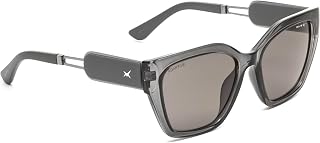


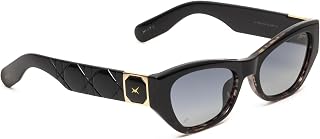


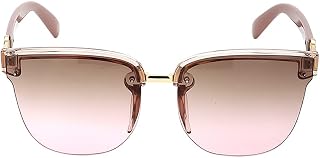


Women’s sunglasses in 2026 are no longer limited to one universal shape or colour. Current styling choices range from slim rectangular frames and softly rounded silhouettes to oversized lenses, retro-inspired designs, transparent frames and statement colours. For shoppers in India, the best choice should balance fashion with practical considerations such as UV protection, lens quality, frame comfort, face shape, climate, intended use and long-term durability.
This buying guide is designed to make comparison easier when evaluating women’s sunglasses online in India. Instead of choosing solely from appearance or popularity, consider the complete combination of lens characteristics, frame construction, fit, protection, styling versatility and value.
The strongest sunglasses trends for 2026 combine fashion-forward proportions with wearable everyday designs. Some styles make a noticeable statement, while others update classic shapes without becoming difficult to coordinate with different outfits.
The best sunglasses are not necessarily the most expensive, largest or most fashionable pair. A suitable choice should match how and where you intend to wear it. A pair selected for daily commuting may have different priorities from sunglasses intended for holidays, driving, outdoor activities or occasional fashion use.
UV protection should be treated as a fundamental requirement rather than an optional feature. Sunglasses are worn primarily to reduce exposure to bright sunlight and protect the eyes from ultraviolet radiation. When comparing products, look carefully at the manufacturer's stated protection information rather than assuming that a darker lens automatically provides better protection.
A very dark lens without appropriate UV protection is not a sensible substitute for properly specified protective eyewear. Product descriptions should therefore be checked carefully before purchase, particularly when shopping through online marketplaces.
Lens colour influences appearance and can affect visual perception, but it should not be confused with UV protection. Grey lenses are often chosen for relatively neutral colour perception, while brown lenses can provide a warmer visual appearance. Green and other tinted lenses may appeal to shoppers primarily because of their aesthetic character.
When comparing two otherwise similar sunglasses, prioritise clearly stated protection and optical specifications before selecting a preferred tint.
Even attractive sunglasses can become frustrating if they constantly slide down the nose, pinch the temples or sit incorrectly across the face. Check the listed frame dimensions whenever they are provided. Important measurements can include lens width, bridge width and temple length.
Weight becomes especially important when sunglasses are worn for several hours at a time. Heavy frames may create pressure around the nose and ears, while extremely lightweight construction may feel less substantial depending on the materials used.
Look for information about frame materials and construction, and read customer feedback specifically for comments about comfort, fit and long-duration wear rather than relying only on overall star ratings.
Face-shape recommendations should be treated as styling guidance rather than strict rules. Individual proportions, personal taste, hairstyle and frame dimensions can all influence how sunglasses look.
Angular frames can create contrast against softer facial contours. Rectangular, square and geometric sunglasses are worth comparing if you want a more structured appearance.
Oval faces can work with a broad range of frame shapes. Rectangular, cat-eye, rounded and oversized designs can all be considered, with frame width being particularly important for overall balance.
Rounded and softly curved frames can introduce visual contrast against stronger jaw and forehead lines. Round, oval and softly curved sunglasses may therefore be useful styles to compare.
Frames with balanced proportions can complement a broader upper face and narrower chin. Rounded, oval and carefully proportioned cat-eye designs may be worth considering.
Larger or wider frames can add visual balance to longer facial proportions. Oversized, square and deeper lens shapes are potential options, provided the frame remains comfortable.
Oversized sunglasses are particularly suitable for shoppers who want their eyewear to function as a prominent fashion accessory. Large lenses can create a glamorous appearance, but the frame should still remain stable on the nose and comfortable around the temples.
Before buying oversized sunglasses online, compare the actual measurements instead of judging size from product photographs. Model photography can make a frame appear substantially larger or smaller than it is.
Cat-eye sunglasses are recognisable by their upward outer corners. They range from subtle everyday frames to exaggerated vintage-inspired designs. A restrained cat-eye can work with casual clothing, office outfits and occasion wear, while a strongly lifted silhouette creates a more noticeable fashion statement.
Rectangular sunglasses offer a clean and structured appearance. They are available in narrow, medium and oversized proportions, making them one of the more adaptable categories for shoppers who prefer contemporary styling.
Round frames provide a softer, more retro visual character. They can be particularly appealing when paired with vintage-inspired outfits, relaxed clothing or bohemian styling.
Aviator sunglasses have a distinctive teardrop lens profile and traditionally feature a lightweight-looking metal frame construction. Women's aviator designs now include many variations in frame thickness, lens colour and proportions, so checking the exact measurements is important.
Wayfarer-style designs combine a familiar angular shape with everyday versatility. They can be a practical choice for shoppers who want a classic frame that does not depend heavily on seasonal fashion trends.
Hexagonal, octagonal and other geometric frames provide more visual character than conventional rectangular or rounded designs. Because these shapes attract attention, neutral colours can make them easier to style, while bright colours create a stronger statement.
Frame material affects appearance, flexibility, weight and perceived durability. Product descriptions do not always provide enough information to determine long-term performance, so material specifications should be considered alongside customer feedback and the manufacturer's stated construction details.
Acetate is commonly associated with premium-looking eyewear and can provide rich colours, patterns and polished finishes. It may be appealing to shoppers who want a more substantial frame appearance.
Plastic frames cover a broad range of materials and quality levels. They can be lightweight and affordable, but the word "plastic" alone does not tell you enough about flexibility, construction quality or durability.
Metal frames can create a refined, minimalist appearance and are frequently used for aviator and other lightweight-looking designs. Pay attention to nose-pad construction and temple design because these details can influence fit and comfort.
Some sunglasses combine materials such as metal and plastic or acetate. Mixed construction can create a distinctive aesthetic while allowing designers to combine different structural and visual characteristics.
Lens material is another important comparison point. Two sunglasses can look almost identical while having different optical and physical characteristics.
Polycarbonate is a lightweight lens material often associated with impact resistance. It can be useful for shoppers prioritising lighter eyewear or active use, although the complete product construction should still be considered.
Plastic optical materials can offer a useful balance of weight and optical performance. When product specifications provide a precise lens material, compare it with the intended use rather than selecting solely based on the material name.
Glass can offer excellent optical clarity but is generally heavier than many plastic alternatives and can be less suitable when weight or impact resistance is a major concern.
Polarization is one of the most important distinctions to understand when comparing sunglasses. Polarized lenses are designed to reduce certain forms of reflected glare, which can be useful around bright reflective surfaces such as roads, water and other highly illuminated environments.
However, polarized does not automatically mean that a product has every other desirable feature. Check UV protection, lens quality, fit and construction separately.
If sunglasses are being purchased primarily as a fashion accessory for short periods of wear, frame design and general comfort may receive greater consideration. For any purchase, however, appropriate UV protection remains an important baseline requirement.
Photochromic lenses are designed to change their light transmission characteristics in response to light conditions. They may appeal to people who move between different environments and prefer adaptable eyewear, although the exact behaviour depends on the lens technology and environment.
Gradient lenses are darker in one portion and lighter in another. They can combine sun protection with a fashion-oriented appearance and may be particularly appealing for everyday lifestyle sunglasses.
Mirrored coatings create a reflective appearance on the outside of the lens. They are strongly associated with sporty and fashion-forward designs. A mirrored finish is an aesthetic or coating characteristic and should not be treated as a substitute for verifying UV protection.
Price alone does not guarantee that sunglasses will be the right choice. A higher-priced frame may offer premium materials, more refined construction, stronger brand positioning or additional lens technology, but those features may not be necessary for every shopper.
Conversely, choosing the cheapest available sunglasses without checking specifications can lead to compromises in fit, finish, lens information or durability.
A more useful approach is to compare sunglasses according to the features that matter for your intended use:
Brand reputation can be useful as one part of the comparison process, particularly when a shopper wants a consistent approach to design, sizing and product documentation. Well-known names in the eyewear market include Ray-Ban, Fastrack, Titan, IDEE, Polaroid, Vogue Eyewear, Oakley and Vincent Chase.
Brand name should not replace product-level research. A shopper should still examine the exact frame, lens specifications, dimensions, customer feedback and current retailer information for the particular model being considered.
Online reviews can be useful, but an overall star rating rarely tells the entire story. For sunglasses, the most useful feedback often concerns fit, physical construction and whether the product looks as expected.
A photograph can show colour and styling but cannot reliably communicate weight, flexibility, exact dimensions or long-term comfort. Always look beyond the product image.
One of the most common online-shopping problems is choosing a frame without checking its dimensions. Compare listed measurements with a pair of sunglasses you already own that fits comfortably.
Lens darkness and UV protection are different characteristics. Look for explicit product information regarding UV protection rather than judging safety by lens colour.
Oversized sunglasses can look appealing in photographs but may slide down or feel heavy if the dimensions do not match your face. Check frame width and bridge measurements before buying.
Polarized lenses can be useful for glare reduction, but polarization does not eliminate the need to check UV protection, frame quality and comfort.
When shopping online, review the retailer's current return and replacement conditions before ordering. Eyewear is highly dependent on individual fit, so the ability to return an unsuitable frame can be an important purchasing consideration.
India's varied climate means sunglasses may be exposed to strong sunlight, heat, dust, humidity and frequent transitions between indoor and outdoor environments. A practical everyday pair should therefore be comfortable enough for repeated use and easy to maintain.
For city commuting, lightweight frames and comfortable nose support may matter more than extreme styling. For driving, glare reduction and comfortable coverage can be important. For holidays and outdoor recreation, durability and secure fit deserve additional attention.
Look for lightweight construction, stable fit, appropriate UV protection and a style that works with multiple outfits. Neutral black, brown, tortoiseshell and transparent frames can provide broad wardrobe compatibility.
Glare can become an important consideration, especially around bright reflective surfaces. Polarized lenses may be worth comparing, while the frame should provide a stable and comfortable fit without interfering with peripheral awareness.
Choose a frame that can tolerate regular packing and unpacking. A protective case is particularly useful for preventing scratches and accidental pressure on the frame.
Prioritise secure fit, suitable lens protection, comfortable weight and construction appropriate to the activity. Fashion alone should not be the primary selection criterion for physically demanding use.
Black sunglasses provide the widest styling flexibility and can complement casual, formal and evening outfits. Brown and tortoiseshell frames often work well with warm neutral colours, denim and earthy tones. Transparent frames can provide a lighter appearance and pair easily with contemporary minimalist wardrobes.
Coloured frames and lenses are better suited to shoppers who intentionally want sunglasses to act as a statement accessory. If versatility is the priority, a classic frame shape and neutral colour generally offer more outfit combinations.
For professional settings, understated rectangular, oval, aviator or softly cat-eye frames can provide polish without overwhelming the rest of an outfit. Black, brown, tortoiseshell and muted transparent colours are generally easier to coordinate.
Casual wear allows more freedom to experiment with oversized frames, colourful lenses, geometric silhouettes and retro designs.
For weddings, parties, vacations and other appearance-focused occasions, statement frames can become part of the overall styling. Oversized cat-eye, geometric and embellished designs can create a stronger visual effect, but comfort should still be considered if the sunglasses will be worn for several hours.
Proper maintenance can help keep sunglasses in better condition and reduce unnecessary scratches or frame damage.
Dust and fine particles can create tiny scratches when rubbed directly across a lens. When cleaning instructions permit, rinse away loose particles before gently cleaning the lenses with an appropriate lens-cleaning method and a clean microfiber cloth.
Avoid household cleaners unless the lens manufacturer specifically states that they are suitable. Certain chemicals can affect lens coatings or frame finishes.
If you regularly wear sunglasses, buying two complementary styles can be more useful than purchasing several pairs that serve the same purpose.
One practical combination is a versatile everyday pair in black, brown or tortoiseshell together with a second statement pair featuring an oversized, cat-eye or geometric design. The first pair can cover commuting and routine outdoor use, while the second can be reserved for outfits where eyewear is intended to make a stronger fashion statement.
Fashion sunglasses prioritise appearance, frame styling and coordination with clothing. Performance-oriented sunglasses place greater emphasis on secure fit, optical characteristics, durability and suitability for outdoor activity.
Neither category is automatically better. The correct choice depends on your primary use. If the sunglasses will spend most of their time in a handbag and be worn for short periods, styling and comfort may dominate the decision. If they will be used for long outdoor sessions, driving or active recreation, lens and construction specifications become more important.
Major style directions include oversized frames, narrow rectangular silhouettes, cat-eye designs, geometric shapes, transparent frames, classic black sunglasses, tortoiseshell finishes and retro-inspired styles. The best trend depends on personal style, face proportions and intended use.
There is no single best pair for every woman. A suitable choice should provide appropriate UV protection, comfortable fit, useful lens characteristics and a frame shape that matches the wearer's preferences and daily activities.
Polarized sunglasses can be particularly useful for reducing reflected glare, including during driving and outdoor activities. They should still be evaluated separately for UV protection, fit, lens quality and frame construction.
Yes. Oversized sunglasses remain a prominent fashion direction and are available in many interpretations, including classic, retro, square, rounded and cat-eye silhouettes.
Medium-sized rectangular, oval, wayfarer-inspired and classic aviator styles can be versatile everyday options. Neutral frame colours are generally easier to coordinate with different outfits.
Compare the listed lens width, bridge width, temple length and overall frame width with sunglasses you already own that fit comfortably. Customer photographs and reviews can provide additional context, but measurements are the more reliable starting point.
Not necessarily. Lens darkness is different from UV protection. Always check the stated UV protection specifications rather than judging protection from lens colour.
They can be worthwhile when the additional cost corresponds to features or construction that matter to you. However, price should not be the only comparison criterion. Specifications, fit, materials, protection and intended use should also influence the decision.
Black is one of the easiest choices to coordinate with different clothing. Brown, tortoiseshell and neutral transparent frames can also provide substantial styling versatility.
Replacement should be based on condition and suitability rather than an arbitrary timetable. Consider replacing sunglasses when the lenses are significantly scratched, the frame is damaged, hinges no longer function properly or the product no longer meets your needs.
Before placing an order, use this checklist to compare shortlisted products consistently:
A useful sunglasses comparison should separate fashion appeal from practical performance. When evaluating products available in India, shoppers can make better decisions by considering protection, fit, materials, lens characteristics, comfort, styling versatility and customer feedback together.
Product specifications and retailer information can change, so always verify the current listing details before purchasing. The most suitable pair is ultimately the one that meets your requirements for eye protection, comfort, fit, appearance and intended use without paying for features you do not need.