

♥ Wishlist
Compare 47 verified Women Eyewear for Stylish Everyday Looks products in India. Reviews, ratings, pros, cons and buying advice updated for October 2026.




Women's eyewear in 2026 is increasingly about balancing personal style, everyday comfort, face shape, lens function and long-term wearability. The right pair of glasses or sunglasses should not simply follow a trend; it should suit the way you use it. Someone looking for prescription spectacles for office work has different priorities from someone choosing sunglasses for driving, travel, outdoor activities or fashion styling.
For shoppers in India, the decision also needs to account for strong sunlight, hot and humid conditions in many regions, dust, frequent outdoor travel and the practical demands of daily commuting. Frame material, lens quality, nose-pad design, hinge construction, fit and after-sales considerations can therefore matter just as much as colour and shape.
This guide expands the buying criteria behind the latest women's eyewear trends for 2026 so you can compare styles more intelligently, understand technical specifications and avoid choosing a fashionable frame that is uncomfortable or unsuitable for everyday use.
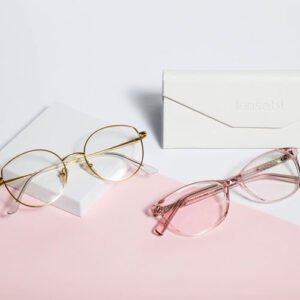
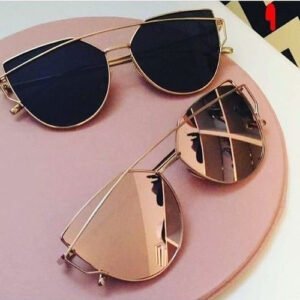
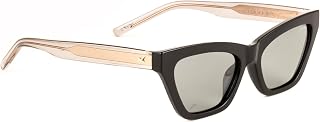
Current eyewear styling covers a broad range rather than one dominant shape. Oversized frames, slim rectangular silhouettes, softly rounded designs, cat-eye profiles, transparent frames, vintage-inspired shapes and understated neutral colours can all work depending on the wearer and occasion.
Face shape can be a useful starting point, but it should never be treated as a strict rule. Facial proportions, brow position, eye spacing, cheekbone width and the actual dimensions of the frame can change how a pair looks. Two people with broadly similar face shapes may therefore prefer completely different frames.
Angular or rectangular frames can introduce contrast to softer facial contours. Slightly wider frames may also help create a more structured appearance. Square, geometric and softly rectangular designs are worth comparing, particularly when the goal is a defined silhouette.
Oval faces generally offer considerable flexibility because facial proportions tend to accommodate many frame shapes. Rectangular, cat-eye, round, geometric and oversized styles can all be considered. The more important issue is selecting a frame width that remains proportionate rather than simply choosing a particular shape because of a face-shape chart.
Rounded, oval and softly curved frames can provide visual contrast with stronger jaw and forehead lines. Avoid choosing a frame solely because it is labelled "for square faces"; compare the actual curvature, width and bridge design to determine whether it creates the appearance you want.
Frames with balanced proportions can work well when the forehead is visually wider than the lower face. Rounded, oval and subtle cat-eye designs are options worth comparing. Lightweight frames can also prevent the eyewear from appearing visually heavy around the upper part of the face.
Frames with greater vertical depth can help create a more balanced appearance. Oversized, rounded and deeper rectangular frames may be worth considering. Frame width should still remain comfortable and appropriate for the wearer's temple width.
Frame material influences appearance, weight, flexibility, durability and maintenance. The cheapest-looking option is not necessarily the least durable, and the most expensive material is not automatically the best choice for every user.
Acetate is popular for fashion eyewear because it can support rich colours, layered patterns and substantial frame shapes. It is particularly useful when the design itself is intended to be a prominent accessory. When comparing acetate frames, look at finishing quality, hinge construction, overall weight and the precision of the frame edges.
Many affordable frames use moulded plastics because they can be produced in a wide variety of shapes and colours. They can be practical for everyday use, especially when weight and price are important. However, construction quality varies considerably, so inspect the temples, hinges, bridge and finishing rather than judging quality by appearance alone.
Metal frames can provide a slimmer and more understated appearance. Stainless steel and other metal constructions may be useful for people who prefer minimalist styling. Pay attention to nose pads, temple tips and adjustment possibilities, particularly if the glasses will be worn for many hours each day.
Flexible materials can be attractive for people who frequently remove and wear their glasses, travel with them or have active routines. Flexibility should not be confused with indestructibility. Excessive bending, poor storage and repeated twisting can damage even a flexible frame.
For prescription eyewear, the frame is only one part of the purchase. Lens material, prescription accuracy, lens coatings, thickness and intended use can have a greater effect on day-to-day satisfaction than the frame's colour or trend status.
Single-vision lenses are designed around one primary vision correction. They may be suitable for distance, intermediate or near vision depending on the prescription and professional recommendation.
Progressive lenses provide multiple vision zones within one lens without a visible dividing line. They require appropriate measurements and adaptation, making professional fitting especially important.
High-index lens materials can reduce thickness for certain prescriptions. They can be particularly relevant when a stronger prescription would otherwise result in visibly thicker lenses. Whether the additional cost is worthwhile depends on prescription strength, frame size and personal priorities.
Impact-resistant lens materials may be useful for active lifestyles, sports and situations where durability is a significant consideration. They can also be practical for children's eyewear, although the exact lens recommendation should be made according to the wearer's prescription and use case.
Photochromic lenses are designed to darken in response to light conditions. They can be convenient for people who move frequently between indoor and outdoor environments, but their behaviour can vary according to the technology and environmental conditions. They should not automatically be treated as a replacement for dedicated sunglasses.
Polarized lenses can reduce glare from reflective surfaces such as roads, water and other bright surfaces. They can be especially useful for driving and outdoor activities. Polarization, however, is a glare-management feature rather than a guarantee of superior optical quality.
Fashion sunglasses should not be selected solely according to frame colour. UV protection is an important functional specification. Look for clear information about ultraviolet protection from the manufacturer or retailer rather than assuming that a dark lens provides adequate protection.
A very dark-looking lens without appropriate UV protection should not be considered a safer choice simply because it appears more protective. When comparing sunglasses, check the stated UV protection specifications and purchase from a reliable source.
Blue-light filtering is frequently marketed as an eyewear feature for people who spend substantial time using phones, laptops and monitors. Different lenses filter different portions of the visible spectrum, so "blue-light protection" is not a single standardized lens performance level.
If digital-device comfort is your main concern, consider the complete viewing setup rather than relying on a lens coating alone. Screen distance, room lighting, brightness, viewing breaks, prescription accuracy and general ergonomics can all influence visual comfort.
Anti-reflective coatings can reduce reflections from lens surfaces and may improve the appearance of the lenses, particularly under artificial lighting or when someone is looking at the wearer. They can also be useful for people who frequently use screens or drive at night, although expectations should remain realistic.
One of the most common online eyewear mistakes is selecting a frame based only on photographs. Actual dimensions can make the difference between a comfortable fit and a frame that constantly slides, presses against the temples or sits incorrectly on the nose.
If an existing pair fits comfortably, its printed measurements can provide a useful starting point when shopping online. They are a reference rather than a guarantee, because different frame constructions can fit differently even when their nominal measurements are similar.
A product page can contain a large amount of information, but not every specification has equal value. Focus first on the details that affect fit, function and durability.
Brand reputation can be useful as a starting point, but it should not replace specification-level comparison. Depending on the product category and budget, shoppers may encounter names such as Titan Eyeplus, Fastrack, Vincent Chase, Lenskart, IDEE, Ray-Ban, Oakley, Polaroid and Vogue Eyewear.
Different brands and collections emphasize different combinations of fashion, prescription eyewear, sunglasses, sports functionality and premium styling. Compare the individual frame specifications rather than assuming that every product from one brand has identical quality or features.
For regular office use, versatility usually has more value than an extreme fashion silhouette. Neutral black, brown, tortoiseshell, translucent and metallic finishes can coordinate with a wide range of clothing.
Consider lightweight construction if the glasses will remain on your face for several hours. The bridge should sit securely without creating excessive pressure, while the temples should hold the frame without producing uncomfortable squeezing around the head.
Driving eyewear should prioritize clear vision, appropriate prescription accuracy, comfortable fit and glare management. For prescription sunglasses, confirm that the lens configuration is appropriate for your prescription and driving needs.
Avoid choosing heavily tinted lenses simply because they look fashionable. Lens tint, polarization and optical clarity should be considered together, particularly when driving conditions change between bright daylight, shade and lower-light environments.
Travel can expose eyewear to more handling, temperature changes, dust and accidental impacts than normal home use. A protective hard case is therefore more useful than an attractive but unprotected storage pouch.
Bright sunlight makes sunglasses an everyday accessory for many Indian consumers, but the ideal pair depends on where and how it will be used. Someone living in a city and commuting by car may prioritize glare reduction and comfortable all-day wear, while someone spending significant time outdoors may give greater weight to coverage, secure fit and lens performance.
Oversized sunglasses can provide greater visual coverage, but they may also feel heavier. Wraparound-inspired designs can offer additional side coverage, while classic medium-sized frames can be easier to wear across different occasions. The most practical choice is the one that combines suitable protection, optical performance and fit with the desired style.
At the lower end of the market, focus on basic frame quality, accurate product dimensions, acceptable finishing and reliable seller information. Avoid assuming that an unusually low price represents exceptional value if important specifications are missing.
Mid-range shoppers can often compare material quality, better finishing, improved hinges, lens coatings and broader style selections. The best value usually comes from selecting the features you genuinely need instead of paying for every available upgrade.
Premium products can offer distinctive design, brand heritage, specialized materials, refined finishing or advanced lens options. However, premium branding does not remove the need to verify fit, dimensions and lens specifications.
When two frames look almost identical, use a specification-first comparison rather than choosing based on the product photograph.
The most fashionable eyewear is not necessarily the best everyday eyewear. If you wear one pair for most of the day, comfort and optical suitability should carry significant weight. Conversely, if you already own practical prescription glasses, a more experimental fashion frame can be a sensible addition to your collection.
A useful approach is to divide purchases into three categories: everyday eyewear, specialist eyewear and fashion eyewear. Everyday glasses should prioritize comfort and versatility. Specialist glasses should be selected around their intended function, such as outdoor use or sports. Fashion eyewear can then be used to experiment with colours, silhouettes and seasonal trends without forcing one frame to meet every requirement.
Colour can dramatically change how a frame interacts with the face. Black remains highly versatile, while brown and tortoiseshell designs offer a softer alternative. Transparent frames can create a lighter visual effect, and muted colours can be easier to coordinate than extremely saturated fashion shades.
Proper maintenance can help preserve both frame condition and lens clarity. Eyewear should be handled by the bridge or both temples rather than repeatedly pulling from one side.
There is no universal replacement schedule for every pair. Prescription changes, scratched lenses, damaged coatings, weakened hinges, uncomfortable fit and changes in visual needs can all justify replacing eyewear.
For prescription glasses, an updated eye examination may be appropriate according to individual circumstances and professional advice. A frame that remains fashionable but no longer fits correctly or contains damaged lenses should not be retained solely for appearance.
Online shopping can make frame selection convenient, but prescription eyewear involves measurements that go beyond choosing a frame colour. Pupillary distance, optical centre positioning, fitting height and other measurements can influence how the finished lenses perform.
For stronger prescriptions, progressive lenses, complex prescriptions or persistent discomfort, professional dispensing and fitting can be especially valuable. The correct frame also needs enough space for the selected lenses and should sit in an appropriate position relative to the eyes.
A strong everyday pair does not necessarily have the most elaborate design. Look for a combination of stable fit, comfortable weight, appropriate frame dimensions, durable construction and lenses that match your vision requirements.
Popular directions include oversized frames, soft rectangles, cat-eye silhouettes, geometric shapes, transparent frames, vintage-inspired designs, slim metal frames and bold acetate styles. The most suitable trend depends on facial proportions, wardrobe, comfort preferences and intended use.
The best everyday pair is one that fits securely, feels comfortable for extended wear, provides the required optical correction and works with a broad range of outfits. A versatile rectangular, oval, rounded or understated geometric frame can be more practical than an extreme trend.
Oversized eyewear remains a strong fashion direction, but the correct size is important. Extremely large frames can become heavy or sit incorrectly, particularly when lens weight is added. Compare frame dimensions and total weight before buying.
Transparent and translucent frames are highly adaptable because they can create less visual contrast than opaque colours. Clear, warm translucent, smoke and champagne-style finishes can each create different effects, so the best choice depends on personal colouring and styling preferences.
Polarization is not inherently a gender-specific feature. It can be useful for anyone who needs to reduce glare from reflective surfaces. The decision should depend on driving, outdoor activities and personal preference rather than whether the sunglasses are marketed for women.
No. Price can reflect branding, design, materials, manufacturing and other factors, but it does not guarantee that a frame is the best choice for a particular wearer. Compare specifications, fit, construction and lens requirements before deciding.
Check frame dimensions, lens dimensions, UV protection information, polarization if required, frame material, weight, seller information and verified customer feedback. Also review the retailer's current policies before ordering.
Compare the listed frame measurements with a pair of glasses that already fits comfortably. Pay particular attention to lens width, bridge width, temple length and overall frame width. Product photos alone are not reliable enough for determining fit.
For office wear, lightweight frames with a versatile colour and comfortable bridge are generally practical. Anti-reflective lens treatments may also be worth considering depending on your visual requirements and how frequently you use screens.
Start by comparing narrower frame dimensions and avoid assuming that a frame labelled "small" will fit every smaller face. The actual lens width, bridge measurement and total frame width are more useful indicators.
Yes. Eyewear sizing and design are more important than the gender label. Unisex and traditionally men's frames can work well when their measurements, shape and styling suit the wearer.
If you want one pair for frequent everyday use, a classic or moderately contemporary design is usually easier to coordinate. If you already have dependable everyday glasses, a fashion-forward pair can provide more room to experiment with current trends.
The best latest women's eyewear trend is ultimately the one that performs well for your actual routine while giving you the appearance you want. Trends can help narrow the search, but fit, lens requirements, material, durability, UV protection for sunglasses and verified product information should guide the final decision.
Before purchasing in India, compare several products rather than selecting the first attractive frame. Check measurements carefully, read recent verified customer feedback, review the technical specifications and compare today's prices through trusted retailers. If you are buying prescription eyewear, give particular attention to accurate prescription details and professional fitting where needed.
A thoughtful comparison can turn eyewear from a purely fashion-led purchase into a practical long-term choice that combines comfort, visual performance and personal style throughout 2026.